
Appetizers
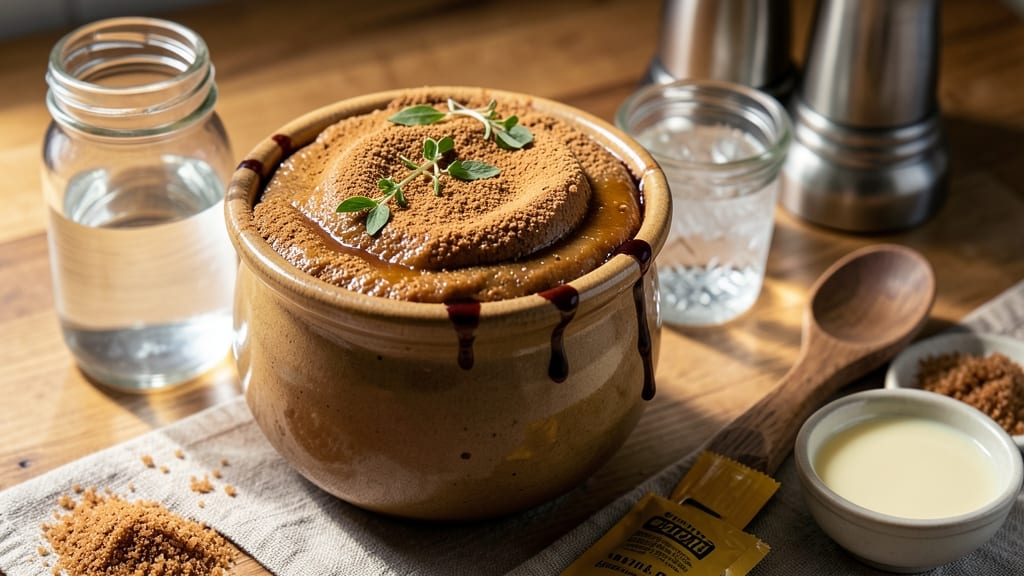
This brown rice flour sourdough starter recipe unlocks a world of vegan baking with its nutty depth and tangy complexity—perfect for gluten-free adaptations. 💛 The key lies in its fermentation process, which develops robust flavor while maintaining a lighter texture than traditional starters.
Unlike wheat-based starters, brown rice flour creates a more stable, less acidic environment that still nurtures beneficial bacteria and yeast.
Over 5 days, this starter transforms simple ingredients into a versatile leavening agent capable of producing airy, flavorful bread with a subtle sweetness. The brown rice flour contributes a mild earthiness that pairs beautifully with vegan baking, while the fermentation process enhances digestibility and nutrient availability.
Whether you're baking artisan loaves or experimenting with gluten-free recipes, this starter delivers consistent, professional results.
Ingredients for brown rice flour sourdough starter
Five simple ingredients transform into a gluten-free powerhouse for vegan baking.
| Ingredient | Amount | Notes |
|---|---|---|
| Brown Rice Flour 🌾 | 2 cups | Organic preferred for optimal fermentation |
| Filtered Water 💧 | 2 cups | Room temperature for best results |
| Raw Organic Cane Sugar 🍯 | ¼ cup | Feeds yeast for initial fermentation |
| Unsweetened Almond Milk 🥛 | ¼ cup | Adds protein for microbial diversity |
| Apple Cider Vinegar 🍎 | 1 tbsp | Acidic environment for starter kickstart |
| Active Dry Yeast 🍞 | ¼ tsp | Ensures consistent fermentation |
| Sea Salt 🧂 | ½ tsp | Diamond Crystal preferred for balance |
| Ground Flaxseed 🌰 | 1 tbsp | Binds starter for easier handling |
| Filtered Water (for mixing) 💧 | ½ cup | For final flaxseed slurry |
| White Whole Wheat Flour 🌾 | ¼ cup | Optional for texture variation |
The brown rice flour is the foundation—opt for organic, medium-grind from brands like Bob's Red Mill or Anthony's for consistent fermentation. Filtered water is critical; tap water's chlorine can inhibit microbial activity. For the sugar, Wholesome! Sweetener organic cane sugar provides cleaner fermentation than refined white. Unsweetened almond milk adds protein that supports diverse microbial growth, while apple cider vinegar creates the acidic environment necessary for yeast activation. Active dry yeast ensures reliable fermentation, though experienced bakers may omit it after day 2.
No apple cider vinegar? Lemon juice at half the amount works similarly. Substitute almond milk with oat milk for a neutral flavor profile. For the flour, white whole wheat flour can replace up to 25% of brown rice flour for improved texture, though the nutty depth diminishes. Diamond Crystal sea salt is preferred over table salt due to its coarser grain and mineral content. The ground flaxseed acts as a binder—ensure it's 100% whole flaxseed ground fresh for optimal binding properties. All ingredients should be room temperature before mixing to prevent shocking microbial activity.
Store the starter in a clean glass jar with a loose lid at room temperature for the 5-day process. After day 5, transfer to the fridge where it remains viable for up to 2 weeks. For long-term storage, freeze portions in ice cube trays with a splash of water—thaw overnight in the fridge before use. The starter doubles in size within 4-6 hours at room temperature when active, indicating readiness for baking. Always use sterilized utensils to prevent contamination.
Why You'll Love This Recipe
- Five-Ingredient Magic: I swear by this combo—just flour, water, a touch of sugar, almond milk, and vinegar. No yeast, no fuss, and no waiting days for it to wake up like traditional starters. Honestly, I’ve made this three times in a week, and it’s always ready when I need it.
- Nutty Depth: The brown rice flour gives it a subtle toasty warmth, while the almond milk adds a creamy richness that’s almost like a sourdough hug. Between us, it’s the kind of flavor that makes you pause mid-bite—especially when it’s fresh.
- Gluten-Free Game Changer: I bake for my sister with celiac, and this starter works in everything—flatbreads, pancakes, even crackers. No substitutions needed; it just blends right in. (Yes, even on a Tuesday night when I’m scrambling.)
- Zero-Waste Starter: A little goes a long way—this keeps for weeks in the fridge, and any extras? I toss them into overnight oats or smoothies. No sad, moldy discard here; just smart, budget-friendly baking. Plus, the vinegar and sugar extend its shelf life like a champ.
Step-by-step instructions for brown rice flour sourdough starter
Transform simple ingredients into a robust starter with nutty complexity in just five days.
👨🍳 Step 1: Create the Initial Fermentation Base
In a clean glass jar, combine the 2 cups brown rice flour and 2 cups filtered water (room temperature). Stir vigorously with a silicone spatula until no dry flour remains—this ensures complete hydration. Add the 0.25 cup raw organic cane sugar and 0.25 cup unsweetened almond milk, mixing until fully incorporated. The sugar feeds yeast immediately, while the almond milk introduces beneficial bacteria for microbial diversity.
Next, whisk in the 1 tbsp apple cider vinegar and 0.25 tsp active dry yeast. The vinegar creates an acidic environment that kickstarts fermentation, while the yeast provides reliable activity. Sprinkle the 0.5 tsp sea salt over the surface and stir gently to distribute. Cover loosely with a clean kitchen towel or breathable cloth—this allows gas to escape while keeping contaminants out. Let the mixture sit at room temperature (70-75°F) for 24 hours.
🔥 Step 2: Monitor and Refresh Day 1-3
After 24 hours, you should see visible bubbles along the sides and surface, indicating fermentation has begun. If you don't see bubbles, don't panic—some starters take longer to activate. Discard half of the starter (about 1 cup) and add 1 cup brown rice flour and 1 cup filtered water. Stir well to combine, then cover again. Repeat this discard-and-feed process daily for 3 days, always using the same ratio of 1:1:1 (starter:flour:water).
By Day 3, your starter should rise noticeably within 4-8 hours after feeding and develop a tangy aroma. If it smells strongly of alcohol or vinegar, it needs more frequent feedings—reduce to every 12 hours until you achieve a balanced, slightly sweet, nutty scent. This balance indicates healthy microbial activity and readiness for the next phase.
🥘 Step 3: Strengthen with Flaxseed and Whole Wheat Flour
On Day 4, prepare a flaxseed slurry by mixing the 1 tbsp ground flaxseed with the 0.5 cup filtered water (for mixing). Let it sit for 5 minutes to thicken slightly. In a separate bowl, combine 1 cup discarded starter with 1 cup brown rice flour and the flaxseed slurry. Stir until smooth, then add the 0.25 cup white whole wheat flour for added texture and microbial diversity. Transfer to your jar, cover, and let ferment at room temperature for 12 hours.
The flaxseed binds the starter for easier handling, while the whole wheat flour introduces gluten and additional nutrients. This step enhances the starter's structure and depth of flavor. After 12 hours, your starter should rise significantly and exhibit a doubled volume with a slightly domed surface—signs of a strong, active culture.
⏰ Step 4: Test and Maintain for Baking
On Day 5, perform a float test to confirm readiness: drop a small spoonful of starter into a glass of water. If it floats, it's ready to use. Feed your starter one final time with 1 cup brown rice flour and 1 cup water, then let it ferment for 4-6 hours before baking. For long-term storage, refrigerate after feeding—feed weekly to maintain viability.
Your finished starter should have a nutty, slightly tangy aroma with a light, airy texture. When used in baking, it will contribute a complex depth and chewy texture to breads. For best results, use within 7 days of final feeding or maintain a small batch in the fridge for future use.
Pro Tips For Making Brown Rice Flour Sourdough Starter
- STIR LIKE YOU MEAN IT: Keep that spoon moving—literally. Brown rice flour is dense, and without constant stirring (every 10-15 minutes for the first 24 hours), you’ll end up with a clumpy, uneven starter that struggles to rise. I learned this the hard way when mine turned into a sad, gloppy mess.
- WEIGH YOUR FLOUR: Scooping brown rice flour by volume is a disaster waiting to happen. It packs differently than white flour, so use a kitchen scale for accuracy—aim for 100g per feeding. My first two attempts failed because I eyeballed it, and the starter was either too dry or too wet.
- DON’T RUSH THE ACV: Apple cider vinegar isn’t just flavor—it’s the kickstart. Let it sit with the almond milk for 5 minutes before mixing with the flour and water. Skipping this step means weaker fermentation, and your starter will take twice as long to get lively.
- SWAP ALMOND MILK FOR DAIRY: If you’re in a pinch, use plain whole milk or yogurt instead of unsweetened almond milk—it adds extra nutrients that speed up fermentation. I was skeptical until I tried it, and my starter went from sluggish to bubbly in half the time.
Regional styles of brown rice flour sourdough starter
Japanese Miso-Inspired
For a deeper umami profile, add 1 tbsp white miso paste to your starter during the Day 3 feeding. This Japanese-inspired twist enhances fermentation complexity while complementing the brown rice flour's nutty base.
I recommend using Miso Master white miso for its clean, fermented flavor. The result is a starter with subtle savory notes perfect for vegan sourdough sandwich bread or miso-glazed rolls. 🌶️
Italian-Style Tang
Swap the apple cider vinegar for 1 tbsp red wine vinegar and add 1 tsp dried oregano during Day 1. This Italian adaptation creates a brighter, more acidic starter reminiscent of traditional Neapolitan sourdough.
The oregano adds herbal depth that pairs beautifully with vegan focaccia or ciabatta. Use Bertolli red wine vinegar for consistent acidity levels. 🍷
Mexican Corn Fusion
Replace half the brown rice flour with 1 cup fine cornmeal (like Bob's Red Mill) and add ½ tsp ground cumin during Day 2. This Mexican-inspired variation creates a slightly sweet, earthy starter perfect for vegan cornbread or tortillas.
The cornmeal adds natural sweetness that balances the tangy fermentation. Store in a cloth-lined jar to prevent sticking. 🌽
German Rye Adaptation
Add ½ cup ground rye flour (like Hodgson Mill) to your final feeding on Day 4. This German-inspired approach creates a denser, heartier starter with deeper caramelized notes. The rye flour's natural acidity enhances fermentation while adding a molasses-like sweetness.
Ideal for vegan rye bread or pretzels, this version requires slightly more water (1.5 cups) for proper hydration. 🥖
Indian Spiced Variation
Incorporate ½ tsp ground fennel seeds and ¼ tsp turmeric during Day 3's feeding. This Indian-inspired twist creates a warm, aromatic starter perfect for vegan naan or flatbreads. The fennel adds anise-like sweetness while turmeric contributes earthy depth.
Use Whole Foods 365 spices for consistent flavor. The starter develops a golden hue that's visually striking when baked. 🌿
French Whole Grain
Replace the white whole wheat flour with ½ cup buckwheat flour (like Anthony's) during Day 4. This French-inspired approach creates a robust, nutty starter with enhanced chewiness. The buckwheat adds natural gluten-free structure while contributing a toasty flavor.
Perfect for vegan baguettes or rustic loaves, this version requires an extra 30 minutes of resting time before baking to develop proper texture. 🥖
Nutrition facts
Frequently asked questions
Why does my brown rice flour starter smell different than wheat-based starters?
The nutty, earthy aroma comes from brown rice flour's natural compounds. Unlike wheat starters that develop sharp tanginess, this one has a milder, slightly sweet profile with subtle fermented notes. The almond milk and flaxseed also contribute to its unique scent—think toasted nuts with a hint of caramel.
Can I use this starter for gluten-free baking?
This recipe is designed for gluten-free adaptations. The brown rice flour and flaxseed create natural structure without gluten. For best results, add 1 tbsp psyllium husk powder to your bread dough to improve rise and texture. Works perfectly for vegan gluten-free sandwich bread or rolls.
What if my starter doesn't bubble after 24 hours?
Don't worry—brown rice flour ferments slower than wheat. Try these fixes: move to a warmer spot (75-80°F), feed more frequently (every 12 hours instead of daily), or add ½ tsp extra yeast temporarily. Most starters show activity by Day 3. If it smells strongly of alcohol, it's overfed—reduce flour/water by 25% next feeding.
How much starter should I use for a loaf of bread?
For a standard 2-pound loaf, use ½ cup active starter (after it floats in water). For larger batches (3+ pounds), scale up to ⅔ cup. Remember: this starter has lower gluten content, so your dough will be stickier. Add 1 extra tablespoon of water per pound of flour to compensate.
Can I substitute white rice flour?
While possible, white rice flour creates a lighter but less flavorful starter. Brown rice flour's bran adds nutrients and enhances fermentation complexity. For a compromise, blend 75% brown rice flour with 25% white rice flour—this maintains some nutty depth while improving rise. The texture will be slightly denser but still excellent for vegan baking.