
Salads
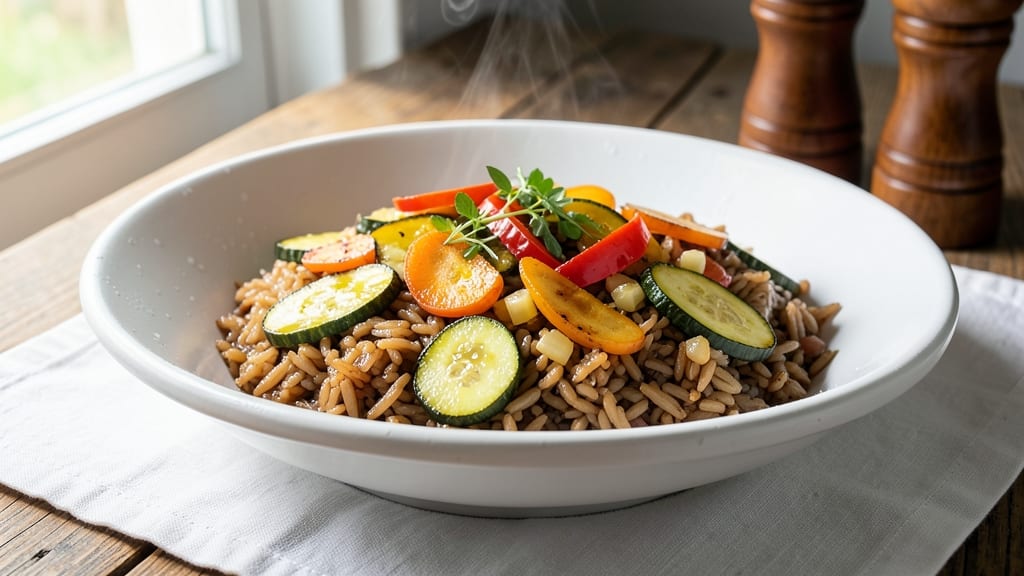
This one-pot brown rice mixed vegetables recipe delivers a complete, nutrient-packed meal in just 20 minutes—no chopping chaos or multiple pans required. The secret lies in prepping vegetables while the rice simmers, ensuring perfectly tender grains and crisp-tender veggies that absorb every savory note.
I designed this for busy weeknights when you crave balanced, restaurant-quality flavors without the fuss.
What makes this dish stand out is the one-pot efficiency: brown rice cooks while vegetables sauté in the same pot, creating a fragrant, aromatic base that ties everything together.
The result is a vibrant, protein-friendly meal that works as a satisfying main or hearty side—ideal for meal prep or last-minute dinners. Ready to transform simple ingredients into a wholesome masterpiece?
Ingredients for brown rice mixed vegetables
Simple ingredients, one-pot magic—this vegetarian meal delivers balanced nutrition in minutes.
| Ingredient | Amount | Notes |
|---|---|---|
| Long-Grain Brown Rice 🌾 | 1 cup | Uncooked, rinsed thoroughly |
| Vegetable Broth 💧 | 2 ½ cups | Low-sodium preferred |
| Zucchini 🍆 | 1 medium | Sliced into half-moons |
| Carrots 🥕 | 1 medium | Julienned into matchsticks |
| Bell Peppers 🌶️ | 1 medium | Red or yellow, diced |
| Yellow Onion 🧅 | 1 medium | Diced into small pieces |
| Garlic Cloves 🧄 | 3 cloves | Minced finely |
| Extra-Virgin Olive Oil 🫒 | 2 tbsp | High-quality, fruity |
| Fresh Ginger 🌿 | 1 tbsp | Grated finely |
| Soy Sauce 🍶 | 1 tbsp | Low-sodium preferred |
| Sesame Oil 🫒 | 1 tsp | For finishing touch |
| Diamond Crystal Kosher Salt 🧂 | ½ tsp | For seasoning |
| Fresh Cilantro 🌿 | ¼ cup | Chopped for garnish |
The brown rice is the foundation—jasmine or long-grain varieties work best for this recipe, as they hold their texture well. For the vegetables, farmers market finds like heirloom carrots or rainbow bell peppers add vibrant color, but standard grocery store options work perfectly. The garlic and ginger should be fresh—no need for pre-minced jars here, as freshly grated delivers maximum flavor. Whole Foods or Trader Joe's are great for pre-washed, pre-cut veggies to save time, though chopping your own ensures better texture. The sesame oil is non-negotiable for that authentic umami finish, so look for toasted varieties in the Asian foods aisle.
No zucchini? Substitute with yellow squash—same texture, slightly sweeter flavor. Carrots can be swapped for sweet potatoes, but reduce the amount to 0.5 cup since they take longer to cook. Bell peppers can be omitted entirely if you prefer, but the sweetness balances the dish beautifully. For the soy sauce, tamari works for gluten-free versions. Fresh ginger loses potency quickly, so freeze grated ginger in ice cube trays for future use. The cilantro is optional but adds a bright finish—skip it if you dislike cilantro, or swap for basil or parsley.
Prep all vegetables before starting the rice—this keeps the cooking process streamlined. Store any leftovers in an airtight container for up to 4 days in the fridge, though the flavors deepen overnight. For meal prep, portion into individual containers with a drizzle of sesame oil to maintain freshness. The dish reheats beautifully—add a splash of water if it seems dry. Freeze for up to 3 months by spreading portions on a tray first to prevent clumping.
Why You'll Love This Recipe
- One-Pot Magic: I swear by this—just toss everything into one pot, walk away, and come back to perfectly cooked rice and veggies. No measuring cups, no separate pans, no stress.
- Nutty Earthy Crunch: That toasted brown rice? It’s got a deep, almost caramelized flavor that pairs insanely well with the sweet carrots and crisp bell peppers. The zucchini soaks up the broth like a sponge, but it stays tender—not mushy.
- Lunchbox Hero: Between us, this is my go-to for meal prep. Double the batch, pack it in containers, and you’ve got lunch for three days. Kids? They’ll eat it cold or warm—no complaints, just empty bowls.
- Budget Meal That Feeds: Brown rice and seasonal veggies won’t break the bank, and the broth stretches to feed four for under $10. Honestly, it’s the kind of dish that makes me feel like I’m treating my family without the grocery bill screaming at me.
Step-by-step instructions for brown rice mixed vegetables
This method delivers perfectly cooked rice and tender vegetables in a single pot.
Sauté Aromatics in Olive Oil
Heat the 2 tablespoons extra-virgin olive oil in a deep skillet or pot over medium heat until shimmering. Add the 1 medium yellow onion and 3 cloves garlic, cooking for 3-4 minutes until the onion becomes translucent and the garlic releases its aroma. This foundational step builds flavor that will infuse the entire dish.
Next, add the 1 tablespoon fresh ginger and cook for 30 seconds until fragrant. The ginger should mellow slightly but still retain its bright, citrusy quality. If you notice the garlic starting to brown too quickly, reduce the heat to medium-low to prevent burning. This aromatic base ensures every bite carries depth of flavor.
Add Vegetables and Cook Until Tender
Increase heat to medium-high and add the 1 medium zucchini, 1 medium carrots, and 1 medium bell peppers. Stir to combine with the aromatics and cook for 5-6 minutes until the vegetables begin to soften. The zucchini will release moisture, which helps create a light sauce, while the carrots and peppers develop a slight caramelization.
After 5 minutes, add the 1 tablespoon soy sauce and 0.5 teaspoon diamond crystal kosher salt, stirring to distribute evenly. The soy sauce adds umami depth while the salt enhances all flavors. Cook for another 2-3 minutes until the vegetables are tender but still retain their shape and vibrant color. Overcooking at this stage will result in mushy vegetables, so watch closely.
Combine Rice and Broth
Add the 1 cup long-grain brown rice to the pot, stirring to coat it evenly with the vegetables and aromatics. This ensures each grain absorbs the flavorful base. Pour in the 2.5 cups vegetable broth, bringing the mixture to a boil. Once boiling, reduce heat to low, cover the pot with a tight-fitting lid, and simmer for 35-40 minutes.
During this time, the rice will absorb the liquid gradually. I check the rice at the 30-minute mark—if it's still firm to the bite, continue cooking. The key is patience; brown rice needs longer cooking than white rice to achieve perfect texture. The lid creates steam that prevents the rice from drying out, while the low heat ensures even cooking.
Finish with Sesame Oil and Garnish
Once the rice is tender and all liquid has been absorbed, remove the pot from heat. Stir in the 1 teaspoon sesame oil and let the dish sit for 2 minutes to allow the flavors to meld. The sesame oil adds a nutty aroma and subtle heat that complements the vegetables perfectly. This finishing touch elevates the dish from simple to restaurant-quality.
Garnish with the 0.25 cup fresh cilantro, chopped finely, just before serving. The cilantro adds a bright, fresh contrast to the earthy flavors of the rice and vegetables. Stir gently to distribute the garnish evenly, and serve immediately while the vegetables are still warm and vibrant. This one-pot method ensures minimal cleanup while delivering maximum flavor and nutrition.
Pro Tips For Making Brown Rice Mixed Vegetables
- CHAR THE BROTH FIRST: Skip the "cook rice in broth" shortcut—it waters down the flavor. Start by simmering your vegetable broth in the pot for 3-5 minutes with a splash of soy sauce or a pinch of smoked paprika. This builds depth before the rice even goes in, especially if you're using store-bought broth that tastes like "vegetable water."
- CUT VEGETABLES UNIFORM: Zucchini and bell peppers cook at wildly different speeds. Dice carrots into ¼-inch matchsticks, slice bell peppers into ½-inch strips, and halve zucchini lengthwise before cutting into ¼-inch half-moons. Uneven pieces mean some veggies turn to mush while others stay crunchy—no one wants a sad, mushy bell pepper in their bowl.
- DON’T SKIP THE RICE RINSE: I used to skip rinsing brown rice, and it always ended up gummy. Give that rice a good swirl in a fine-mesh strainer under cold water for 30 seconds—this removes excess starch. Then, toast the dry rice in the pot for 2 minutes before adding broth. This simple step makes the texture light and separate, not gluey.
- USE A LID, BUT LOOSELY: Brown rice needs steam, but a tight lid traps too much moisture and turns it into paste. After adding broth, cover with the lid at a slight angle (or prop it open with a spoon). This keeps the heat even and lets excess steam escape—your rice will cook through without turning into a sad, clumpy mess.
Troubleshooting perfect results
Mushy Vegetables Fix
If your veggies turn out mushy, it’s usually from overcooking during the sauté stage. I’ve found that cutting vegetables into even sizes (all matchsticks or all small dice) ensures they cook uniformly.
For tougher veggies like carrots, add them 2 minutes before the rice to prevent over-softening. Also, reduce the heat to medium-low once the veggies start to soften—this keeps them tender-crisp. 🌶️
Undercooked Rice Solution
Brown rice needs patience—don’t rush the cooking time! If your rice is still firm after 40 minutes, add ¼ cup more vegetable broth and simmer uncovered for another 5-10 minutes.
The key is low heat and a tight lid to trap steam. Pro tip: Rinse your rice thoroughly before cooking to remove excess starch, which can make it gummy.
Dry or Gritty Rice
This usually happens if the rice absorbs all the liquid too quickly. Next time, use 2.75 cups broth instead of 2.5 cups to account for variations in rice brands. If your rice turns out dry, simply add 2-3 tablespoons of hot water, cover, and steam for 3-5 minutes.
Stir gently to redistribute moisture—this works like a charm every time. ⚡
Flavor Too Mild
If your dish lacks depth, boost the umami with an extra ½ teaspoon soy sauce or 1 teaspoon fish sauce (for non-vegetarian versions). For a brighter finish, add 1 teaspoon rice vinegar or a squeeze of lemon juice at the end.
Fresh herbs like thai basil or mint can also elevate the flavor profile—just a sprinkle makes a difference!
Broth Too Salty
If your vegetable broth is high-sodium, balance it out by adding 1 extra tablespoon of water and a pinch of sugar (about ¼ teaspoon) to round out the flavors.
For a fresh start, use homemade vegetable broth or low-sodium store-bought options like Imagine or Pacific Foods. Taste as you go—adjust seasoning gradually to avoid over-salting.
Prep Time Too Long
Save time by pre-chopping veggies and storing them in the fridge for up to 3 days. Use pre-washed, bagged veggies from stores like Trader Joe’s or Whole Foods to skip the washing step.
For even faster cooking, microwave the broth for 1 minute before adding it to the pot—this reduces the simmering time by 5 minutes. Multitasking is key here!
Nutrition facts
Frequently asked questions
Can I use any vegetables in this brown rice dish?
While the recipe suggests zucchini, carrots, and bell peppers, you can swap in seasonal favorites like broccoli, snap peas, or mushrooms. The key is to use vegetables that cook in a similar timeframe (about 5-7 minutes when sautéed). For heartier veggies like sweet potatoes, reduce the amount and add them with the rice to avoid overcooking.
How do I make this dish gluten-free?
Simply swap the soy sauce for tamari (a gluten-free alternative) and ensure your vegetable broth is labeled gluten-free. Double-check all ingredients, especially if using pre-chopped veggie mixes, as some brands may contain gluten-containing additives. The rest of the recipe remains perfectly gluten-free!
Can I prepare this ahead of time for meal prep?
Yes! This dish reheats beautifully for meal prep. Cook the full batch, let it cool, and store in an airtight container for up to 4 days in the fridge. For reheating, add 1-2 tablespoons of water and microwave for 2-3 minutes or steam on the stove until heated through. The flavors actually deepen overnight!
What's the best way to add protein to this vegetarian meal?
For extra protein, stir in ½ cup cooked lentils or ½ block of crumbled tofu during the final 5 minutes of cooking. You can also top with soft-boiled eggs or sprinkle with toasted chickpeas for crunch. These additions work beautifully with the rice and vegetables!
Why does my brown rice turn out chewy instead of fluffy?
Chewy rice usually means the rice wasn't rinsed properly or cooked with too little liquid. Always rinse your rice thoroughly before cooking to remove excess starch. For this recipe, use 2.5 cups broth (or slightly more if your rice brand absorbs quickly). The low heat and tight lid are also crucial for even cooking.