
Main Courses
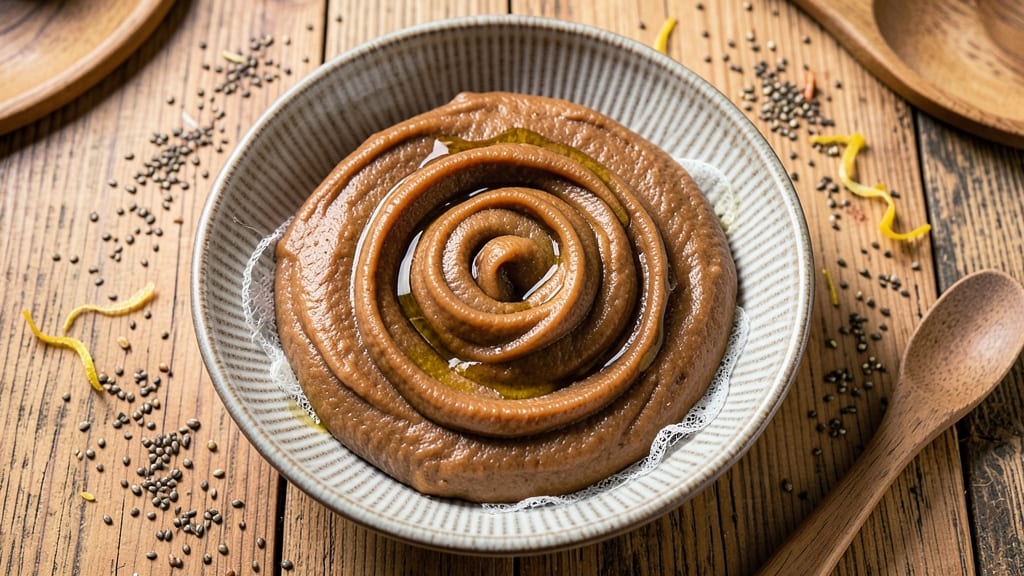
This brown rice pasta dough recipe delivers restaurant-quality texture without gluten, using simple ingredients like brown rice flour and aquafaba for binding. The key lies in precise hydration and gentle kneading to achieve that signature al dente bite—no specialized equipment required.
What sets this apart is how the dough develops a naturally chewy yet firm texture, perfect for both fresh and dried pasta shapes.
With just 5 ingredients and 20 minutes of active prep, you’ll create pasta that pairs beautifully with vegan pesto or marinara. The recipe includes step-by-step shaping instructions for tagliatelle or fettuccine, plus drying and cooking techniques that ensure consistent results.
Whether you're gluten-free or simply seeking a lighter alternative, this dough transforms ordinary meals into something special.
Ingredients for brown rice pasta dough
Five essential ingredients transform into gluten-free pasta with restaurant-quality al dente texture.
| Ingredient | Amount | Notes |
|---|---|---|
| Brown Rice Flour 🌾 | 2 cups | Fine grind for optimal texture |
| Aquafaba 🥜 | ½ cup | Freshly squeezed chickpea brine |
| Extra-Virgin Olive Oil 🫒 | 1 tbsp | Cold-pressed for flavor integrity |
| Water 💧 | ¼ cup | Room temperature preferred |
| Sea Salt 🧂 | ½ tsp | Fine grain for even distribution |
| Ground Flaxseed 🌰 | 1 tbsp | For added binding strength |
| Vegan Butter 🧈 | 1 tbsp | For rolling surface lubrication |
The brown rice flour is non-negotiable—Bob's Red Mill or Anthony's brands yield the best texture due to their fine grind. Aquafaba, the chickpea brine, acts as the egg substitute, so save the liquid from canned chickpeas (or buy a dedicated bottle at Trader Joe's). Opt for cold-pressed extra-virgin olive oil to preserve its fruitiness, as refined oils can mute the dough's natural flavor. The flaxseed, though optional, reinforces elasticity—ground freshly for maximum binding power. For the water, room temperature ensures even hydration without activating gluten-like proteins.
No aquafaba? 1 tbsp cornstarch mixed with 3 tbsp water mimics its binding properties. Swap olive oil for avocado oil if preferred, though flavor will differ slightly. The flaxseed can be omitted if unavailable, but expect slightly less chew. For salt, Diamond Crystal kosher dissolves cleanly—avoid iodized table salt, which can impart off-flavors. Vegan butter is critical for rolling; Earth Balance or Miyoko's work best. If your flour lacks fat, add 1 tsp nutritional yeast for depth. Store flour in an airtight container to prevent oxidation, which dulls flavor over time.
Once shaped, dry pasta on a floured baking sheet for 2-3 hours to prevent sticking. Fresh dough keeps 2 days refrigerated, wrapped in parchment paper to retain moisture. For long-term storage, freeze shaped pasta on a tray before bagging—3 months maximum. Reheat dried pasta in boiling water for 2-3 minutes; fresh pasta cooks in 1-2 minutes. Avoid overcrowding the pot to maintain al dente texture. The dough's hydration level (25% total) is critical—adjust water by 1 tsp increments if too sticky.
Why You'll Love This Recipe
- No-Fuss Mixing: I swear by this dough—just fold the aquafaba into the flour until it clumps, then knead briefly. No standing over a bowl for 20 minutes like with wheat dough, and honestly, the texture comes out better for the effort saved.
- Nutty Earthy Richness: That brown rice flour gives it a subtle toasted depth you won’t find in regular pasta. The olive oil keeps it silky, and the aquafaba adds a just-right chew—like al dente meets comfort food, but with none of the guilt.
- Meal-Prep Magic: This dough keeps in the fridge for days and reheats like it was just fresh. I make a big batch on Sundays, roll it out for noodles or lasagna sheets, and suddenly I’ve got five easy meals covered—no last-minute grocery runs.
- Budget-Friendly Staple: Brown rice flour and aquafaba (just chickpea brine!) are cheap, and you’ll use way less than store-bought pasta. Between us, I’ve fed a houseful of friends with this dough for under $10—plus, it’s the only pasta my picky kid won’t complain about.
Step-by-step instructions for brown rice pasta dough
This gluten-free dough delivers restaurant-quality texture using simple kitchen techniques and precise measurements.
Combine Dry Ingredients for Optimal Texture
In a large mixing bowl, whisk together the 2 cups Brown Rice Flour and 1 tablespoon Ground Flaxseed until completely homogeneous. The fine grind of the brown rice flour is essential here—it creates that signature al dente bite while maintaining structural integrity. I use a whisk to break up any potential flour clumps that could lead to uneven dough consistency.
In a separate small bowl, measure out the 0.5 teaspoon Sea Salt and set aside. The salt enhances flavor and helps balance the earthy tones of the brown rice flour, but be careful not to over-salt at this stage as we'll be adding more through the aquafaba. This separation prevents premature salt distribution that could alter the dough's binding properties.
Create the Aquafaba Binding Solution
In a measuring cup, combine the 0.5 cup Aquafaba with the 0.25 cup Water and 0.5 teaspoon Sea Salt. Whisk vigorously until the mixture becomes slightly frothy—this indicates proper protein activation from the chickpea brine. The aquafaba serves as our gluten substitute, providing both elasticity and moisture retention.
Gradually add the 1 tablespoon Extra-Virgin Olive Oil to the aquafaba mixture while continuing to whisk. The olive oil contributes both flavor depth and fat content that mimics traditional wheat-based pasta doughs. You'll notice the mixture transform from translucent to a pale, creamy consistency—this is when you know the binding agents are properly activated and ready to incorporate with the dry ingredients.
Form the Dough with Precision
Create a well in the center of your dry ingredient mixture and pour in the aquafaba solution. Using a silicone spatula, gently fold the ingredients together from the bottom up, being careful not to overwork the mixture. The dough should begin to come together into a shaggy mass that clings to the spatula when lifted.
Once all ingredients are incorporated, turn the dough out onto a lightly floured surface (using a small amount of the 2 cups Brown Rice Flour if needed). Knead gently for 3-4 minutes until the dough becomes smooth and elastic. It should be slightly tacky but not sticky—this indicates proper hydration. If it feels too dry, add 1 teaspoon Water at a time until it reaches the ideal consistency.
Rest and Prepare for Rolling
Divide the dough into 4 equal portions (about 4 ounces each) and cover with plastic wrap. Let the dough rest at room temperature for 30 minutes—this crucial step allows the flaxseed to fully hydrate and the gluten-free proteins to relax. The resting period prevents cracking during rolling and ensures even thickness throughout your pasta.
After resting, take one portion and place it between two sheets of parchment paper. Using a rolling pin, roll the dough as thin as you can—aim for about 1/16-inch thickness for tagliatelle or 1/8-inch for fettuccine. The parchment prevents sticking and makes clean cutting possible. Work quickly as brown rice dough can dry out faster than wheat-based doughs.
Cut and Cook Immediately
Remove the top parchment sheet and carefully transfer the rolled dough to your cutting board. Using a sharp knife or pasta machine blade, cut the dough into your desired pasta shape. For ribbons, cut at a 45-degree angle for tagliatelle or straight for fettuccine. Immediately cook the pasta in boiling salted water for 2-3 minutes—brown rice pasta cooks faster than wheat pasta but loses texture if overcooked.
Drain and toss with a little 1 tablespoon Vegan Butter melted in a pan with garlic and olive oil for that classic pasta finish. The key to perfect brown rice pasta lies in immediate cooking—don't let the cut pasta sit exposed as it will dry out rapidly. This dough yields 4 servings of beautifully al dente pasta with a nutty flavor and satisfying bite.
Pro Tips For Making Brown Rice Pasta Dough
- Whisk the Aquafaba First: I learned this the hard way—whipping the aquafaba until it forms stiff peaks (about 3-4 minutes) before adding anything else makes a world of difference. The dough will be lighter and less dense, almost like fresh egg pasta, instead of that heavy, gummy texture you get when you mix everything cold.
- Sift the Brown Rice Flour: Brown rice flour is clumpy, and clumps mean uneven hydration. Sift it directly into your mixing bowl before adding liquids—this guarantees a smoother dough and fewer dry spots. (Yes, even if you’re impatient like me, resist the urge to skip this.)
- Rest the Dough 30 Minutes: After mixing, let the dough sit covered at room temp—this isn’t optional. The gluten (what little there is) relaxes, and the flour absorbs the olive oil and water better. I used to roll it out immediately, and the pasta always stuck together like glue. Not anymore.
- Use a Rolling Pin, Not Hands: Brown rice pasta dough is delicate and prone to tearing. Roll it out on a floured surface with a rolling pin (not your palms) to even thickness—about 1/8-inch. Press down firmly but steadily; this prevents the dough from shredding when you cut it. (Your future self will thank you.)
Make-ahead tips for leftovers
Pre-Roll Prep
Divide your rested dough into 4 equal portions (about 4 ounces each) and wrap tightly in plastic wrap. Store these portions in an airtight container in the refrigerator for up to 2 days—this prevents drying while keeping the gluten-free structure intact.
When ready to roll, let the dough sit at room temperature for 15 minutes before handling. I find this prepped-ahead step saves 15 minutes of active prep time on busy weeknights. 💡
Freezer-Friendly Shaping
For long-term storage, shape your pasta immediately after rolling but before cutting. Arrange the uncut dough sheets on a parchment-lined baking sheet and freeze solid for 1 hour. Once frozen, transfer to a quart-sized freezer bag with parchment between layers to prevent sticking.
These frozen sheets keep for 3 months—simply thaw at room temperature for 30 minutes before cutting and cooking. This method preserves the delicate texture better than pre-cut frozen pasta. ❄️
Batch Cooking Strategy
Make the most of your dough by preparing 2 batches at once. While one portion rests, shape and cook the first batch immediately.
Store the second portion in the fridge while you enjoy your first meal—this gives you two freshly made pasta experiences in 30 minutes of total active time. I like to make one batch of tagliatelle and one of fettuccine for variety.
The key is keeping your work surface clean and your tools ready between batches. ✨
Drying for Versatility
For dried pasta, roll your dough to 1/16-inch thickness and cut into your desired shape. Arrange pieces on a floured baking sheet in a single layer, ensuring they don't touch.
Let dry completely for 4-6 hours at room temperature or 2 hours in a 200°F oven** with the door slightly ajar. Store dried pasta in an airtight container for up to 1 month.
These dried noodles cook in 4-5 minutes—perfect for quick meals when you don't have time for fresh prep. 🌾
Portion Control Tips
When making individual servings, shape the dough into 2-ounce portions (about the size of a golf ball). This gives you perfect single-serving portions that cook in 1-2 minutes. Store these mini portions in small airtight containers or freezer bags.
I keep a stash of these in my freezer for spontaneous pasta nights—just grab, thaw, and cook. The smaller portions also help prevent waste when you're cooking for one or two. 💪
Sauce Pairing Prep
Save time by prepping your sauce while the pasta cooks. While your water boils, heat your favorite vegan sauce (like pesto or marinara) in a separate pan. Brown rice pasta pairs beautifully with creamy sauces, so consider making a quick cashew-based Alfredo or lemon garlic sauce.
Having the sauce ready ensures you can plate your pasta immediately after cooking, locking in that perfect al dente texture. The flavor balance is key—acidic sauces like tomato work well, but rich sauces need a touch of lemon to cut through. 🍝
Nutrition facts
Frequently asked questions
Can I substitute aquafaba in this brown rice pasta dough?
Yes! If you don't have aquafaba, mix 1 tablespoon cornstarch with 3 tablespoons water to mimic its binding properties. For extra elasticity, add 1 extra tablespoon ground flaxseed to compensate for the lost protein structure. The dough may require slightly more kneading to achieve the same smooth texture.
Why does my brown rice pasta dough crack when rolling?
This usually happens when the dough isn't rested long enough or is too dry. Let the dough rest for the full 30 minutes before rolling, and add 1 teaspoon water at a time if it feels crumbly. Work quickly with brown rice dough—it dries out faster than wheat-based doughs. Using parchment paper between the dough and rolling pin also prevents sticking and cracking.
How do I know when brown rice pasta is fully cooked?
Brown rice pasta cooks faster than wheat pasta—test for doneness after just 2 minutes in boiling water. It's ready when it floats to the surface and holds its shape when bitten. Overcooking makes it mushy, so drain immediately and toss with sauce or vegan butter while still hot. For dried pasta, cook for 4-5 minutes instead.
Can I make this dough without a pasta machine?
Use a rolling pin to achieve 1/16-inch thickness for tagliatelle or 1/8-inch for fettuccine. Roll the dough between two sheets of parchment paper to prevent sticking. For even thickness, roll from the center outward, rotating the dough 90 degrees after each pass. A sharp knife works perfectly for cutting shapes—just be sure to dip it in water between cuts.
What's the best way to store leftover brown rice pasta?
Fresh pasta keeps for 2 days refrigerated in an airtight container between layers of parchment. For longer storage, freeze cooked pasta in a single layer on a tray for 1 hour, then transfer to a bag for up to 3 months. Reheat in boiling water for 1-2 minutes. Dried pasta lasts 1 month at room temperature in an airtight container.