
Salads
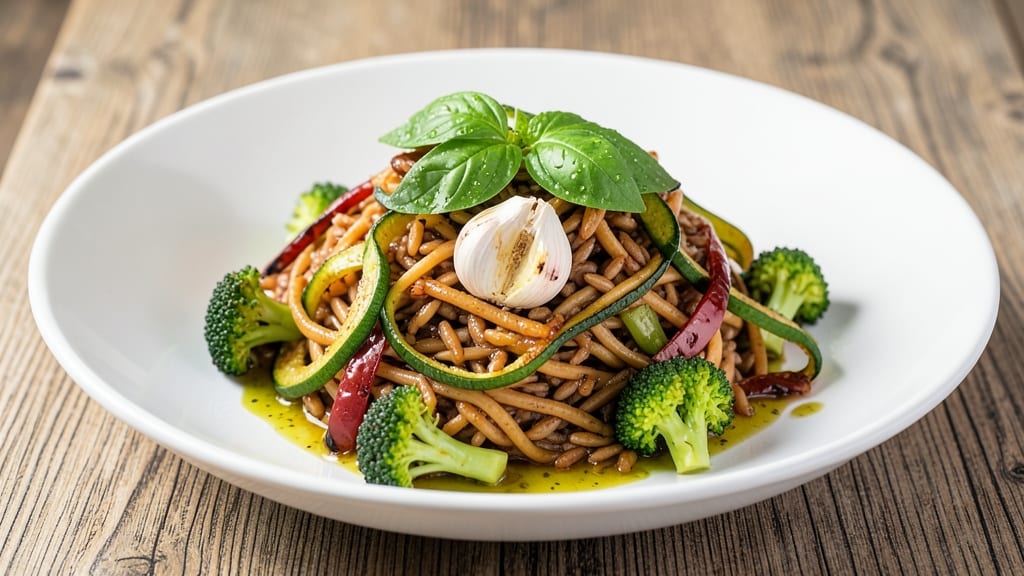
This brown rice pasta with vegetables recipe transforms whole grains and seasonal produce into a nutrient-packed one-pan meal that’s ready in just 25 minutes. The key? Al dente brown rice pasta—naturally chewy and packed with fiber—paired with crisp-tender vegetables that roast right alongside it in the same skillet.
No chopping chaos or last-minute boiling—just one pan, minimal cleanup, and a dish that’s hearty enough for dinner but light enough for lunch.
The secret to balanced flavor lies in a simple garlic-olive oil base, brightened with lemon zest and fresh herbs, which keeps the dish vibrant without overpowering the natural taste of the ingredients.
Whether you’re meal prepping for the week or whipping up dinner on a busy night, this recipe delivers restaurant-quality texture—crispy vegetable edges, perfectly cooked pasta, and a sauce that clings to every bite.
Ready to elevate your weeknight meals with a dish that’s as good for you as it is delicious?
Ingredients for brown rice pasta with vegetables
Brown rice pasta, crisp veggies, and bright herbs make this one-pan meal both nutritious and delicious.
| Ingredient | Amount | Notes |
|---|---|---|
| Brown Rice Pasta 🍝 | 10 oz | Al dente texture preferred |
| Extra-Virgin Olive Oil 🫒 | 2 tbsp | High quality, fruity |
| Garlic Cloves 🧄 | 4 cloves | Minced for base |
| Zucchini 🥒 | 1 ½ lb | Medium size, sliced lengthwise |
| Bell Peppers 🌶️ | 2 whole | Assorted colors, sliced |
| Broccoli Florets 🥦 | 1 ½ cups | Medium size, cut into bite-sized |
| Cherry Tomatoes 🍅 | 1 cup | Halved for roasting |
| Lemon Zest 🍋 | 1 tsp | Freshly grated |
| Fresh Basil 🌿 | ¼ cup | Chopped for brightness |
| Nutritional Yeast 🧀 | 2 tbsp | For cheesy flavor |
| Salt 🧂 | 1 tsp | Diamond Crystal preferred |
| Black Pepper 🌶️ | ½ tsp | Freshly ground |
| Vegetable Broth 💧 | 1 cup | Low-sodium preferred |
The brown rice pasta is the star here—look for brands like Lundberg or Annie's for that perfect chewy texture. Trader Joe's usually has a good selection too. If you're short on time, pre-chop the veggies (bell peppers, zucchini, broccoli) at the store—it saves minutes later. For the zucchini, medium-sized ones slice more evenly, and the skin adds texture. Cherry tomatoes add sweetness, but any small tomato will work. Fresh basil is a must for that bright finish, but if you're out, dried oregano at half the amount won't ruin it.
No vegetable broth? Water plus a bouillon cube works in a pinch, but the depth of flavor is worth the extra minute. The garlic can be pre-minced from a jar (no shame), but fresh has more punch. For extra richness, toss in a handful of toasted pine nuts or walnuts at the end. The lemon zest might seem like a small detail, but it cuts through the richness and keeps everything fresh-tasting. If you're meal prepping, roast the veggies ahead and store separately—they'll stay crisp longer than if tossed with the pasta right away.
This dish reheats beautifully—just add a splash of water or broth to loosen the sauce. Keeps in the fridge for 4 days and freezes for 3 months. Portion into containers with a layer of olive oil on top to keep the veggies from drying out. The pasta gets softer when reheated, so it's perfect for a quick lunch the next day. Double the batch if you're feeding a crowd—it's that good.
Why You'll Love This Recipe
- No-Chop Night: The zucchini and bell peppers go in raw—no dice, no fuss. I swear, I’ve made this on nights when I was too tired to even wash my hands properly, and it still tastes like I tried.
- Garlic Magic: That first sizzle of olive oil and garlic? It’s the secret weapon. The brown rice pasta soaks up the flavor like a sponge, but the real win is when the edges get just crispy enough to balance the tender veggies underneath.
- Lunchbox Hero: Between us, this is my go-to for meal prep. Toss it cold in containers for work lunches, and it holds up better than most takeout. My kids even ask for it—though they’ll complain about the "weird pasta" before shoveling it in.
- Pantry Staple: Uses what you’ve got. No fancy ingredients, just basics that don’t cost a fortune. Leftovers? Even better. Reheat with a splash of water, and it’s like you’re eating it fresh—no sad, gummy pasta here.
Step-by-step instructions for brown rice pasta with vegetables
Here's how to create a vibrant, protein-rich one-pan meal that's ready in under 30 minutes.
Prep and Roast the Vegetables
Preheat your oven to 425°F and line a large baking sheet with parchment paper. Halve the 1 cup cherry tomatoes and slice the 2 whole bell peppers into ½-inch strips. Cut the 1.5 lb zucchini lengthwise into ¼-inch thick slices. Arrange all vegetables in a single layer on the baking sheet, leaving space between them for even browning.
Drizzle the vegetables with 1 tablespoon of the extra-virgin olive oil and sprinkle with ½ teaspoon salt, ¼ teaspoon black pepper, and 1 teaspoon lemon zest. Toss gently to coat. Roast for 15 minutes until the edges begin to soften and the peppers develop a slight char. Here's the thing—this initial roasting builds deep flavor that infuses the entire dish.
Sauté Garlic and Cook the Pasta
While the vegetables roast, heat a large deep skillet or Dutch oven over medium heat. Add the remaining 1 tablespoon extra-virgin olive oil and the 4 minced garlic cloves. Sauté for 30 seconds until fragrant but not browned—this prevents bitterness. Add the 10 oz brown rice pasta and 1 cup vegetable broth, stirring to coat the pasta evenly.
Bring to a gentle boil, then reduce heat to medium-low and cover. Cook for 8-10 minutes, stirring occasionally, until the pasta is al dente with just a hint of bite. The pasta should absorb most of the broth but still have a bit of moisture clinging to it. This ensures it finishes cooking perfectly when combined with the vegetables.
Combine Everything and Finish Cooking
Remove the roasted vegetables from the oven and transfer them to the skillet with the pasta. Stir gently to combine, adding ¼ cup water if the mixture appears too dry. Sprinkle in the 1.5 cups broccoli florets and cook uncovered for 3-4 minutes until the broccoli brightens in color and the pasta finishes cooking.
Real talk: this is where the magic happens. The residual heat from the vegetables and the pasta's cooking process meld together perfectly. Taste and adjust seasoning with additional salt or black pepper if needed. Remove from heat and stir in the 2 tablespoons nutritional yeast and ¼ cup chopped fresh basil for that final cheesy, herby brightness.
Rest and Serve Immediately
Let the pasta sit off the heat for 2 minutes—this allows the flavors to meld and the pasta to absorb any remaining liquid. The dish should be vibrant with color and packed with texture: tender pasta, slightly charred vegetables, and fresh basil. Serve immediately while the vegetables are still warm and the pasta maintains its al dente texture.
Don't skip the resting step. I learned the hard way that serving immediately after cooking ensures each bite delivers maximum flavor and texture contrast. Pair with a simple arugula salad or crusty bread to soak up any remaining sauce. This dish keeps well in the refrigerator for 3 days, but it's best enjoyed fresh while the vegetables retain their vibrant crunch.
Pro Tips For Making Brown Rice Pasta With Vegetables
- Sear the Garlic Fast: Brown rice pasta needs time to cook, so don’t waste it on slow garlic. Smash the cloves flat before slicing—this gives you more surface area to brown in 30 seconds on high heat. I learned this the hard way after ending up with raw garlic in my sauce.
- Cut Zucchini Thin: Thick zucchini slices turn mushy. Instead, slice them into ¼-inch half-moons—they’ll stay crisp-tender and absorb flavors better. Same goes for bell peppers: dice them small so they cook through without getting rubbery.
- Toast the Pasta First: Skip the boiling water shortcut. Toss cooked brown rice pasta in a dry pan with a splash of olive oil for 2–3 minutes—it’ll develop a nutty crust and hold sauce better. My grandmother swore by this, and she was right: the texture changes everything.
- Use High Heat for Veggies: Low heat makes veggies sad. Sauté zucchini and bell peppers on medium-high until they blister slightly—this caramelizes their natural sugars and adds depth. If you’re impatient (like me), crank it up and stir aggressively.
Make-ahead tips for this dish
Prep Ahead for Faster Cooking
Chop all your vegetables the night before and store them in a sealed container in the fridge. I keep them in 1-gallon Ziploc bags with a paper towel to absorb moisture—this prevents sogginess. When ready to cook, simply toss them straight into the pan.
For the pasta, measure out the 10 oz and store it in a dry airtight container until cook time. This cuts your active prep time by 15 minutes on busy weeknights. 💡
Roast Veggies in Advance
Roast the vegetables up to 2 days ahead and store them in the fridge. Keep them separate from the pasta to maintain their crisp texture. When reheating, warm them in a skillet with a splash of water for 3-4 minutes before tossing with freshly cooked pasta.
The flavors actually deepen overnight, making the dish even more flavorful. Just add fresh basil and nutritional yeast when serving. ⏰
Cook Pasta Separately
For maximum flexibility, cook the pasta completely ahead of time and store it in the fridge. When ready to serve, reheat it in a skillet with 2 tablespoons olive oil and ¼ cup vegetable broth for 3-4 minutes.
Then toss in your pre-roasted vegetables and fresh herbs. This method works especially well for meal prep—just assemble everything when you're ready to eat. 🍽️
Freezer-Friendly Assembly
Assemble the entire dish (except fresh herbs) and freeze it in a single layer before transferring to a freezer bag. When ready to eat, thaw overnight in the fridge, then reheat in a skillet with 2 tablespoons water or broth over medium heat for 5-6 minutes.
Stir in fresh basil and nutritional yeast at the end. The texture stays surprisingly good after freezing—just don't overcook it. ❄️
Portion for Perfect Leftovers
Divide the cooked pasta and vegetables into 4 individual containers before refrigerating. Store the pasta and veggies separately to maintain texture. When reheating, combine them in a skillet with 1 tablespoon olive oil and 2 tablespoons vegetable broth for 3-4 minutes. This keeps each serving perfectly portioned and ready to grab. Perfect for lunches or quick dinners. 📦
Herb and Seasoning Boost
Keep fresh basil and nutritional yeast separate until serving. Store chopped basil in a small container with a damp paper towel to maintain freshness for up to 3 days. Sprinkle these on top just before eating to keep the dish vibrant.
The nutritional yeast adds that cheesy flavor without affecting the texture when stored. This simple trick keeps every bite tasting fresh. 🌿
Nutrition facts
Frequently asked questions
Can I use regular white pasta instead of brown rice pasta?
Technically yes, but you'll lose the fiber and nutty flavor that make brown rice pasta special. For a similar texture, try whole wheat or chickpea pasta—they hold up better to one-pan cooking than refined white pasta. If you must use white, reduce cooking time by 1-2 minutes to prevent mushiness.
What if I don't have nutritional yeast? Can I substitute?
Nutritional yeast adds that cheesy umami kick. Try ½ teaspoon miso paste (for depth) or ¼ cup grated Parmesan (if not vegan). For a plant-based alternative, 1 tablespoon white miso powder mixed with 1 teaspoon lemon juice works surprisingly well. Just adjust salt accordingly.
How do I keep the vegetables from getting soggy when reheating?
Store cooked vegetables separately from the pasta in the fridge. When reheating, cook the pasta first in a dry skillet over medium heat for 3-4 minutes, then add the veggies with 1 tablespoon olive oil and 2 tablespoons water—just until heated through (2 minutes max). This preserves their crisp texture.
Can I add protein to this dish?
Yes! Toss in ½ cup chickpeas (drained/rinsed) or ½ cup crumbled tofu during the final 3 minutes of cooking. For meat-eaters, add ½ lb shrimp (cooked separately) or ½ cup diced tempeh at the end. Just adjust cooking times—protein cooks faster than pasta!
Why does my brown rice pasta turn mushy?
Overcooking is the #1 culprit! Brown rice pasta needs less time than regular pasta—check the package for exact times, but 8-10 minutes is usually perfect. Also, avoid stirring constantly while cooking (it releases starch faster). If it's still too soft, drain it and finish cooking uncovered for 1-2 minutes on the stovetop.