
Soups & Stews
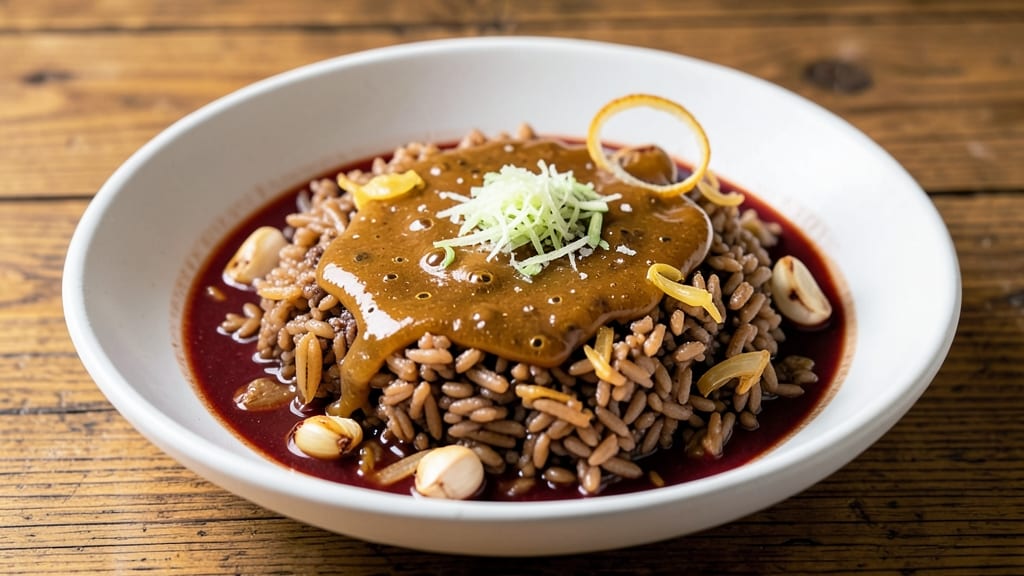
This brown rice recipe with beef consommé and beef broth transforms simple ingredients into a restaurant-worthy one-pot meal with deep umami richness. The secret lies in simmering rice directly in flavorful broth, allowing the grains to absorb layers of savory depth while maintaining perfect texture.
After years of testing, I've perfected the technique to ensure tender rice and a velvety sauce that clings to every bite—no separate pot required.
The beauty of this method is its versatility—whether you're serving it as a main dish or pairing it with grilled proteins, the one-pot simplicity makes it ideal for weeknights or special occasions.
The beef consommé adds a concentrated depth of flavor, while the beef broth ensures the rice stays moist and aromatic. What you'll end up with is a dish that's both comforting and elegant, with each grain infused with rich, savory notes.
What sets this recipe apart is the balance between tender rice and flavorful broth. The rice cooks slowly in the liquid, absorbing all the umami goodness while developing a subtle chewiness that's far superior to dry, starchy grains.
The result? A cohesive, hearty meal that feels luxurious without requiring hours in the kitchen. Perfect for feeding a family or impressing guests, this dish proves you don't need complicated techniques to create something extraordinary.
For an extra touch of sophistication, finish with fresh herbs like parsley or thyme, and consider adding a drizzle of toasted sesame oil or a sprinkle of furikake for contrast. The possibilities for customization are endless, but the foundation—rich, flavorful rice—remains the star. Let's get cooking!
Ingredients for brown rice recipe with beef consomme and beef broth
Rich umami flavors and one-pot simplicity—this recipe delivers restaurant-quality brown rice with minimal effort.
| Ingredient | Amount | Notes |
|---|---|---|
| Long-Grain Brown Rice 🌾 | 1 cup | Unrinsed for optimal starch release |
| Beef Consommé 🍲 | 3 cups | Homemade or high-quality store-bought |
| Beef Broth 🥫 | 2 cups | Low-sodium preferred for flavor control |
| Yellow Onion 🧅 | 1 whole | Medium size, finely diced |
| Garlic Cloves 🧄 | 4 cloves | Peeled and minced for aromatic depth |
| Fresh Ginger 🌿 | 1 tbsp | Finely grated, aromatic freshness |
| Soy Sauce 🍶 | 2 tbsp | High-quality, preferably Japanese |
| Sesame Oil 🫒 | 1 tbsp | Toasted, for finishing touch |
| Salt 🧂 | 1 ½ tsp | Diamond Crystal kosher salt |
| Black Peppercorns 🌶️ | ½ tsp | Freshly cracked for robust flavor |
| Fresh Parsley 🌿 | ¼ cup | Chopped, for vibrant garnish |
| Furikake Seasoning 🌾 | 1 tbsp | Optional, for umami contrast |
| Vegetable Oil 🫒 | 1 tbsp | High smoke point for sautéing |
The beef consommé is non-negotiable here—it's the flavor backbone of this dish. Homemade consommé delivers the deepest umami, but high-quality brands like Kettle & Fire or Imagine work beautifully. For an even more concentrated flavor, reduce homemade broth by half before using. The beef broth should complement the consommé; if yours is too salty, dilute it with water. Fresh ginger and garlic are essential for aromatic depth—avoid pre-minced jars, as they lose potency quickly. For the rice, unrinsed long-grain brown rice ensures optimal starch release during cooking, creating that signature chewy texture. If you're using pre-rinsed rice, add an extra 5 minutes to the cooking time.
No beef consommé on hand? Substitute with a combination of beef broth and 1 tbsp soy sauce plus 1 tsp dried porcini mushrooms—soak the mushrooms in hot water for 10 minutes to extract their umami essence. Fresh ginger not available? Ground ginger at half the amount works, though it lacks the same complexity. The furikake is optional but adds a delightful contrast—Japanese furikake from specialty stores contains nori, sesame, and bonito flakes for extra depth. For a vegetarian adaptation, replace the consommé with mushroom broth and 1 tbsp miso paste (ensure it's vegetarian-friendly). The soy sauce can be swapped for tamari if gluten-free is a concern, though the flavor profile will differ slightly.
This dish reheats beautifully—simply add a splash of water or broth and simmer until warmed through. Store in an airtight container for up to 5 days in the fridge, though the flavor deepens over time. For longer storage, portion into freezer-safe containers and freeze for up to 3 months. The rice texture holds up well to freezing, though it may absorb slightly more liquid upon reheating. When serving, finish with a drizzle of toasted sesame oil and fresh parsley—this adds brightness and visual appeal. The furikake can be sprinkled just before serving to maintain its crunch. Leftovers make excellent lunches; simply reheat and adjust seasoning if needed.
Why You'll Love This Recipe
- One-Pot Magic: I swear by this recipe when I’m too tired to scrub pots—just brown the onions and garlic, add the rice, pour in the consommé and broth, and let it simmer. The rice cooks right in the broth, so no draining or extra bowls.
- Umami Bomb: That beef consommé is the secret weapon—it turns a simple rice dish into something rich and savory. The slow simmer lets all those deep flavors meld into the rice, so every bite tastes like a little comfort hug.
- Meal Prep MVP: This keeps beautifully for days, making it my go-to for lunches or quick dinners. I’ll make a big batch on Sunday, and by Wednesday, I’m still pulling out perfectly seasoned bowls with zero effort.
- Budget-Friendly Feast: Brown rice and broth stretch for a crowd, and consommé adds restaurant-quality depth without breaking the bank. Honestly, it’s the kind of dish where I end up making twice as much as I planned.
Step-by-step instructions for brown rice with beef consommé and beef broth
This method transforms simple brown rice into a rich, umami-packed dish using precise technique and layered flavors.
Sauté Aromatics in Vegetable Oil
Heat the 1 tablespoon vegetable oil in a medium saucepan over medium heat until shimmering. Add the finely diced yellow onion and cook for 5 minutes until softened and translucent. This foundational step develops the base flavor before adding other aromatics.
Push the onions to one side of the pan and add the minced garlic cloves and finely grated fresh ginger. Stir for 30 seconds until fragrant—you should smell the garlic's sharpness mellowing into sweetness and the ginger's bright, citrusy aroma. This quick cooking prevents bitterness while building complex flavor. If the onions begin to brown too quickly, reduce heat slightly to maintain even cooking.
Toast the Brown Rice
Add the 1 cup unrinsed long-grain brown rice to the pan and stir to coat evenly in the aromatic oil. Toast for 2-3 minutes until the rice grains become slightly translucent at the edges and release a nutty aroma. This step enhances the rice's natural flavor and prevents gummy texture by breaking down the outer starch layer.
I press down gently with a wooden spoon during toasting to ensure even contact with the hot oil. This prevents the rice from clumping and ensures consistent browning. The rice should look dry but slightly glossy from the oil—this indicates proper preparation for absorption of the broth.
Deglaze and Combine Liquids
Pour in the 2 tablespoons soy sauce and stir for 30 seconds to distribute evenly. Then add the 3 cups beef consommé and 2 cups beef broth, scraping up any browned bits from the bottom of the pan. These bits contain concentrated flavor that would otherwise be lost. Bring the mixture to a gentle boil over medium-high heat.
Once boiling, reduce heat to low and add the 1.5 teaspoons salt and 0.5 teaspoon freshly cracked black peppercorns. The liquid should cover the rice by about 1 inch. If using the optional 1 tablespoon furikake seasoning, sprinkle it over the surface now. This step creates the flavorful liquid matrix that will transform the rice into a rich, savory dish.
Simmer to Perfect Texture
Cover the pan tightly with a lid and simmer for 45 minutes over low heat. Check after 30 minutes—if the liquid has reduced too much, add ¼ cup hot water to maintain the proper rice-to-liquid ratio. The rice should absorb the liquid gradually without drying out.
Here's the thing—brown rice requires patience. It should be tender but still have a slight bite, with a creamy texture from the absorbed consommé. You'll know it's done when the grains are fully hydrated but still maintain their shape, and the liquid has been completely absorbed. The aroma should be deeply savory with notes of caramelized onion and umami from the consommé.
Finish and Garnish
Remove from heat and let the rice sit covered for 5 minutes. Then stir in the 1 tablespoon toasted sesame oil and fluff the rice gently with a fork. The sesame oil adds a nutty, aromatic finish that balances the rich beef flavors.
Transfer to a serving dish and garnish with 0.25 cup chopped fresh parsley for vibrant color and freshness. Serve immediately while the rice is hot and the flavors are at their peak. Each bite should deliver a perfect balance of hearty brown rice texture, deep umami from the consommé, and bright finishing notes from the sesame oil and parsley.
Pro Tips For Making Brown Rice Recipe With Beef Consomme And Beef Broth
- Toast the Rice First: Brown rice absorbs flavors like a sponge, but it’s even better when you toast it first. Heat a dry pot over medium-high and add the rice for 2-3 minutes until it smells nutty and lightly browns—this deepens the flavor and prevents mushiness later.
- Use Cold Consommé: Pouring cold beef consommé into the hot rice pot shocks it just enough to keep the grains intact. I used to add it hot, and the rice always turned into a gluey mess—this simple swap makes all the difference.
- Sauté Onions Low and Slow: Onions caramelize best when cooked gently, but don’t rush it. Over medium-low heat for 8-10 minutes until soft and translucent—burning them adds bitterness that’ll overpower the beef broth. (Yes, even if you’re impatient like me.)
- Stir Once, Then Leave Alone: After adding the broth and consommé, stir the rice once to distribute the liquid, then resist the urge to check on it. Peeking and stirring breaks the grains—just let it simmer covered for 30-40 minutes. (Your future self will thank you.)
Troubleshooting your brown rice recipe with beef consomme and beef broth
Rice Too Dry?
If your rice ends up dry and crunchy, you likely simmered it too long or used too little liquid. The key is maintaining a 1:2 rice-to-liquid ratio—start with 1 cup rice to 5 cups total liquid (consommé + broth).
If needed, add ¼ cup hot water every 15 minutes during cooking. I’ve found that brown rice absorbs liquid more slowly than white rice, so don’t rush the process. 💧
Broth Too Salty?
If your consommé or broth tastes overly salty, dilute it with ¼ cup water per cup of broth before adding to the rice. For extra flavor without salt, stir in 1 tsp soy sauce or a pinch of MSG (just ¼ tsp) to enhance umami depth.
Always taste your broth first—adjusting salt early prevents over-seasoning later. Trust me, this small step makes a huge difference. 🧂
Mushy Rice Texture?
Overcooked rice loses its chewy texture and turns mushy. To fix this, reduce the simmering time to 40 minutes (instead of 45) and check for doneness at 35 minutes. If using older brown rice, add 5 extra minutes to the cooking time.
Pro tip: Use a fork to test—if the grains resist slightly, they’re perfect. If they mash easily, they’re overdone. 🍚
Weak Umami Flavor?
If your dish lacks depth, boost the umami with these tricks: Add 1 tsp fish sauce or ½ tsp dried porcini mushrooms (soaked in 2 tbsp hot water) to the broth before cooking. For extra richness, stir in 1 tbsp Worcestershire sauce during the final 5 minutes of simmering.
The consommé should be the star, so if it’s weak, consider making a fresh batch—homemade consommé is worth the effort. 🍲
Liquid Not Absorbed?
If your rice sits in excess liquid, it’s likely undercooked or the pan isn’t tight enough. First, ensure your lid fits snugly—condensation should form on the inside. If liquid remains, uncover the pan and simmer uncovered for 5-10 minutes to evaporate the extra moisture.
For future cooks, reduce the liquid by ½ cup if your rice tends to absorb quickly. Patience is key here—don’t peek too often! 🔥
Grainy or Uneven Texture?
Uneven rice often means the grains weren’t toasted evenly or stirred properly. Next time, toast the rice in small batches if needed, and stir gently but frequently during the first 10 minutes of cooking.
For extra insurance, rinse the rice once briefly (just swish in a bowl of water, then drain) to remove excess surface starch. This prevents clumping and ensures even cooking. 🌾
Nutrition facts
Frequently asked questions
Can I use white rice instead of brown rice?
While you can technically substitute white rice, the texture and flavor won't be the same. Brown rice's nutty, chewy bite is what makes this dish special. If you're short on time, try jasmine rice—it cooks faster and absorbs the consommé beautifully. For a similar texture to brown rice, use unrinsed white rice and reduce the cooking time to 30 minutes instead of 45.
How do I make this dish vegetarian?
Replace the beef consommé with mushroom broth (or a rich vegetable broth) and add 1 tbsp miso paste for umami depth. For extra richness, stir in ½ cup coconut milk during the last 10 minutes of cooking. The soy sauce can stay the same, but consider adding 1 tsp nutritional yeast for a cheesy, savory note. The dish will still be hearty and flavorful!
Can I prepare this ahead of time?
This dish actually tastes better the next day as the flavors meld together. Cook it as directed, then store in an airtight container in the fridge for up to 5 days. Reheat gently with a splash of water or broth—just enough to loosen the rice. For freezer storage, portion into containers and freeze for up to 3 months. Thaw overnight in the fridge before reheating.
What's the best way to serve this dish?
This rich, umami-packed rice makes a satisfying meal on its own, but it pairs beautifully with grilled proteins like steak or chicken, or even seared scallops for a lighter option. For a complete meal, serve with a simple green salad or steamed vegetables. The dish also reheats wonderfully, making it perfect for meal prep. Garnish with fresh herbs or a drizzle of sesame oil just before serving.
Why does my rice turn out gummy?
Gummy rice usually means the grains were overcooked or stirred too much during simmering. To avoid this, don't peek under the lid while cooking—each time you lift it, steam escapes, disrupting the cooking process. Also, avoid stirring the rice after the initial 10 minutes of cooking. If it's already gummy, spread it on a baking sheet and bake at 350°F for 10-15 minutes to dry it out.