
Main Courses
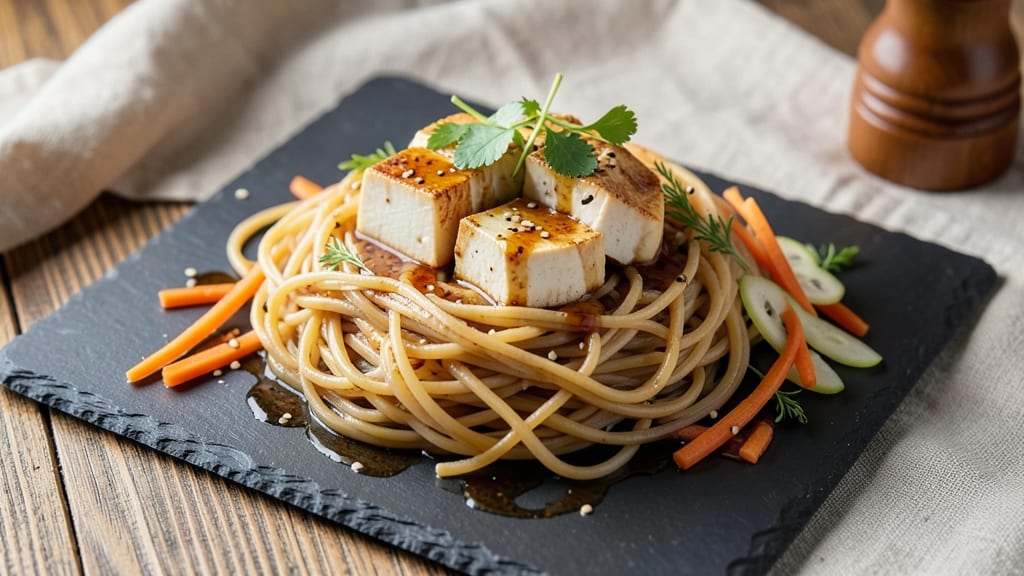
This brown rice vermicelli noodles recipe delivers restaurant-quality texture and flavor in just 20 minutes—no takeout required. The secret lies in perfectly soaking the delicate strands and wok-searing them with aromatic ingredients for a fragrant, satisfying dish that's both vegan-friendly and protein-packed.
With a simple technique that transforms store-bought noodles into a restaurant-worthy meal, you'll achieve tender yet slightly chewy strands that hold up beautifully to stir-frying.
The dish comes together with minimal prep, making it ideal for weeknight dinners or quick lunches when you crave something fresh and flavorful without the fuss.
Ingredients for brown rice vermicelli noodles
Restaurant-quality vermicelli starts with these 14 aromatic, plant-based ingredients—no shortcuts needed.
| Ingredient | Amount | Notes |
|---|---|---|
| Brown Rice Vermicelli Noodles 🍜 | 8 oz | Dry weight, uncooked |
| Extra-Firm Tofu 🧇 | 1 lb | Pressed and cubed |
| Low-Sodium Soy Sauce 🥢 | ⅓ cup | For umami depth |
| Sesame Oil 🫒 | 1 ½ tbsp | Toasted for aroma |
| Fresh Ginger 🧄 | 2 tbsp | Finely grated, aromatic |
| Carrots 🥕 | 1 whole | Julienned for texture |
| Red Bell Pepper 🌶️ | 1 whole | Thinly sliced, seeds removed |
| Garlic Cloves 🧄 | 6 cloves | Minced for punch |
| Fresh Cilantro 🌿 | ¼ cup | Chopped, for garnish |
| Lime Juice 🍋 | 2 tbsp | Freshly squeezed |
| Vegetable Oil 🫒 | 2 tbsp | High smoke point |
| Sesame Seeds 🌾 | 1 tbsp | Toasted for crunch |
| Red Chili Flakes 🌶️ | ½ tsp | Optional for heat |
| Maple Syrup 🍯 | 1 tsp | For subtle sweetness |
The brown rice vermicelli must be high-quality—brands like Three Ladies or Rice Noodle Co. deliver the delicate texture. Look for 100% brown rice with no additives. Tofu should be extra-firm and pressed for 15 minutes to remove excess water. Fresh ginger and garlic are non-negotiable here—they carry the aromatic foundation. Whole Foods or Asian markets stock the best versions, but any grocery store will have serviceable options if you check the ingredient list for purity. The carrots and bell pepper should be crisp, not rubbery, and organic if possible to avoid wax coatings.
No sesame oil? Avocado oil or neutral vegetable oil works in a pinch, but lose the toasted aroma. Substitute tofu with firm tempeh or extra-firm seitan if preferred, though texture will differ slightly. Fresh ginger can be swapped for 1 tsp ground ginger, but the flavor won't be as vibrant. For the bell pepper, yellow or orange varieties add sweetness. The maple syrup can be replaced with agave nectar or coconut sugar syrup (1 tsp sugar + 1 tsp water, heated). Pre-cut veggies save time, but whole carrots and peppers yield better texture when julienned yourself—just peel and slice thinly with a mandoline if you're ambitious.
Soak the noodles in hot water for exactly 3-4 minutes—no longer, or they'll turn mushy. Store uncooked noodles in an airtight container for up to 6 months in the pantry. Cooked noodles keep for 3 days in the fridge, but they're best used immediately for that fresh-from-the-wok texture. The tofu and veggies can be prepped ahead and stored separately for 2 days before stir-frying. Freeze cooked portions in single-serving containers for up to 3 months—just thaw and reheat with a splash of water to revive texture. The lime juice and cilantro should be added last to preserve their brightness.
Why You'll Love This Recipe
- No-Fuss Noodles: The brown rice vermicelli soak in hot water for five minutes—that’s it. No boiling, no waiting hours, just quick hydration while you prep the rest.
- Umami Bomb: That crispy tofu seared with soy sauce and a splash of sesame oil? Chef’s kiss. The ginger adds a bright kick, but it’s the caramelized edges on the tofu that make this dish impossible to stop eating.
- Lunchbox Hero: Between us, this is my go-to for packed lunches—stays fresh for three days in the fridge. Just toss cold noodles with leftover tofu and a drizzle of soy sauce; it’s restaurant-quality without the fuss.
- Budget Meal Magic: Tofu’s cheap, noodles last forever, and you’re using half the soy sauce of regular recipes. Honestly, I make this twice a month just to keep my grocery bill in check—no guilt, all flavor.
Step-by-step instructions for wok-seared fragrant brown rice noodles
Transform simple ingredients into a restaurant-quality wok-seared dish with bold flavors and perfect texture.
Prepare and Press the Extra-Firm Tofu
Begin by draining the 1 lb extra-firm tofu and wrapping it tightly in a clean kitchen towel. Place a heavy object like a cast-iron skillet on top for 15 minutes to press out excess moisture. This ensures your tofu will develop a crispy exterior instead of steaming. Cut the pressed tofu into ½-inch cubes using a sharp chef's knife. I like to work quickly here—wet hands will make the tofu slippery and harder to handle.
While the tofu presses, julienne the 1 whole carrot into thin matchsticks and slice the 1 whole red bell pepper into thin strips, removing seeds and membranes first. These vegetables will add vibrant color and satisfying texture to your dish. Keep them separate until you're ready to wok them—they'll soften quickly once cut.
Create the Flavor Base and Marinate the Tofu
In a medium bowl, combine 0.33 cup low-sodium soy sauce, 1.5 tbsp sesame oil, 1 tsp maple syrup, and 0.5 tsp red chili flakes (if using). Whisk vigorously until the mixture is smooth and aromatic. Add the cubed tofu and toss gently to coat evenly. Let it marinate for 10 minutes while you prepare the remaining ingredients. This marinade will infuse the tofu with deep umami, nutty sesame notes, and a touch of sweetness that balances the heat.
In a separate small bowl, finely grate the 2 tbsp fresh ginger and mince the 6 cloves garlic. These aromatics form the foundation of your dish's complex flavor profile. I recommend using a microplane for the ginger to maximize surface area and flavor extraction. Keep these ingredients covered until you're ready to use them—they oxidize quickly and lose potency.
Cook the Vegetables and Tofu in the Wok
Heat a wok or large skillet over high heat until it's smoking slightly. Add 2 tbsp vegetable oil and swirl to coat the surface evenly. Working quickly, add the julienned carrot and red bell pepper strips. Stir-fry for 2-3 minutes until they begin to soften but still retain a crisp texture—you want them al dente, not mushy. Remove the vegetables to a plate and set aside.
In the same wok, add the marinated tofu in a single layer, being careful not to overcrowd. Let it sear undisturbed for 2-3 minutes until golden brown on the bottom. This initial sear is crucial for developing that perfect crispy texture. Flip the tofu and cook for another 2 minutes, then add the ginger and garlic. Stir-fry for 30 seconds until fragrant—you'll smell that wonderful aromatic punch filling your kitchen.
Combine Everything and Finish with Noodles
Return the cooked vegetables to the wok along with the tofu mixture. Add 2 tbsp lime juice and toss everything together for 1 minute to combine flavors. The acidity from the lime will brighten all the components and cut through the richness of the tofu and sesame oil. Taste and adjust seasoning if needed—you might want to add a splash more soy sauce for deeper umami.
Meanwhile, bring a large pot of water to a rolling boil and cook the 8 oz brown rice vermicelli noodles for 3-4 minutes until tender but still slightly firm. Drain immediately and rinse under cold water to stop the cooking process. Toss the noodles with 1 tbsp sesame oil to prevent sticking and add them to the wok. Stir-fry for 1-2 minutes until everything is well-coated and heated through.
Garnish and Serve Immediately
Transfer the fragrant noodle mixture to serving plates and garnish each portion with 0.25 cup chopped fresh cilantro and 1 tbsp toasted sesame seeds. The cilantro adds a fresh, herbaceous note that cuts through the richness, while the sesame seeds contribute nutty crunch and visual appeal. Serve immediately while the noodles are still hot and the tofu maintains its crispy texture.
This dish comes together in 20 minutes but delivers restaurant-quality depth of flavor. The balance of textures—crispy tofu, al dente vegetables, and tender noodles—makes each bite exciting. Don't be tempted to make this ahead; the freshness of the components is essential for the best experience. Enjoy with a cold beer or iced tea to complement the bold flavors.
Pro Tips For Making Brown Rice Vermicelli Noodles
- SOAK NOODLES UNTIL JUST FLEXIBLE: I learned this the hard way—over-soaking turns them mushy, but under-soaking leaves them chewy. Fill a bowl with hot water (not boiling), add the noodles, and check after 10 minutes. They’re ready when they bend slightly but still have a tiny bite. Drain immediately and rinse with cold water to stop cooking.
- PRESS TOFU DRY BEFORE CUTTING: Extra-firm tofu still holds water, and that’s the enemy of crispy edges. Wrap the block in paper towels, place a heavy pan on top for 15 minutes, then flip and repeat. The drier the tofu, the better it sears—no soggy cubes here. Skip this, and your stir-fry will taste like a sad soup.
- STIR-FRY TOFU IN BATCHES: Crowding the pan steams the tofu instead of searing it. Cut the tofu into 1-inch cubes, then work in two batches over medium-high heat with 1 tablespoon oil each. The first batch should get golden in 3-4 minutes—if it’s not, your heat’s too low. Patience here makes the difference between bland and delicious.
- FINISH WITH GINGER AND SESAME: Toss in the julienned ginger and a splash of sesame oil after the noodles hit the pan. The heat wakes up the ginger’s flavor, and the oil adds a nutty richness that disappears if added too early. My grandmother swore by this, and she was right: the last step is where the magic happens.
Flavor customization for these flavors
Spicy Heat Boost
For an extra kick, add 1 tbsp of sambal oelek to the marinade or sprinkle 1 tsp of gochugaru (Korean chili flakes) over the finished dish. I like to mix ½ tsp of cayenne pepper into the soy sauce marinade for a slow-building heat that lingers.
If you're sensitive to spice, start with ¼ tsp and adjust to taste—this dish handles heat beautifully. 🌶️
Sweet-Tangy Twist
Swap the maple syrup for 1 tbsp of hoisin sauce or 1 tsp of coconut aminos to add a deeper, slightly sweet umami flavor. I also love adding 1 tbsp of rice vinegar to the lime juice for a bright, tangy contrast that cuts through the richness.
For a tropical twist, stir in 1 tsp of mango chutney with the lime juice—it adds a fruity depth that pairs perfectly with the sesame and ginger. 🍍
Umami Bomb Upgrade
Boost the savory depth by adding 1 tbsp of miso paste (white or red) to the marinade or stirring it into the wok with the tofu.
For an extra layer of complexity, mix 1 tsp of fish sauce (if not strictly vegan) or 1 tsp of vegan fish sauce into the soy sauce marinade.
I also recommend adding 1 tbsp of finely chopped mushrooms (shiitake or oyster) to the stir-fry—they soak up the flavors and add a meaty texture. 🍄
Herbaceous Freshness
Swap the cilantro for basil or Thai basil for a sweeter, more aromatic finish. I also love adding 1 tbsp of chopped mint or 1 tsp of chopped Thai basil to the garnish for a refreshing, almost minty brightness.
For a citrusy herb note, toss in 1 tbsp of finely chopped lemongrass (minced) with the garlic and ginger—it adds a bright, almost floral aroma that elevates the dish. 🌿
Crunchy Texture Add-Ins
For extra crunch, top your dish with 1 tbsp of crushed peanuts or 1 tbsp of fried shallots. I also like adding ½ cup of bean sprouts to the stir-fry in the last 30 seconds of cooking—they add a fresh, crisp texture that balances the soft noodles.
For a smoky crunch, sprinkle 1 tsp of smoked paprika over the tofu before searing. 🥜
Regional Flavor Twists
For a Thai-inspired version, add 1 tbsp of curry powder to the marinade and garnish with lime zest and crushed peanuts. A Japanese-style twist involves adding 1 tsp of mirin to the soy sauce marinade and topping with pickled ginger and sesame seeds.
For a Vietnamese take, stir in 1 tsp of fish sauce (or vegan alternative) and garnish with fresh mint and sliced scallions. Each regional twist keeps the core technique intact while adding a unique cultural flair. 🗺️
Nutrition facts
Frequently asked questions
How long should I soak brown rice vermicelli noodles?
Soak them in hot water for exactly 3-4 minutes—no longer, or they'll turn mushy. For best texture, use water that's just off the boil. Drain immediately and rinse with cold water to stop cooking. The noodles should be tender but still slightly firm to the bite.
Can I substitute tofu with another protein?
Try extra-firm tempeh or seitan for a meatier texture, or chickpeas for a lighter option. For seafood lovers, firm white fish like cod works beautifully. Just adjust cooking time—tempeh needs 4-5 minutes per side, while fish cooks in 2-3 minutes total.
Why does my tofu turn out soggy instead of crispy?
This happens when tofu isn't pressed properly or the wok isn't hot enough. Always press for 15 minutes with weight, then pat dry before cooking. Use a wok or skillet on high heat until smoking before adding oil. Cook in batches if needed to avoid overcrowding.
Can I make this ahead of time?
Freshness is key! The noodles and tofu are best served immediately, but you can prep components ahead. Store cooked veggies and tofu separately in the fridge for 2 days. Reheat gently in the wok with a splash of water, then add fresh noodles and lime juice at serving time.
What's the best way to store uncooked brown rice vermicelli?
Keep them in an airtight container in a cool, dry place for up to 6 months. Avoid humidity—they absorb moisture quickly. For extra freshness, transfer to the fridge after opening. If you notice they've dried out, soak in warm water for 5-7 minutes before cooking.