
Salads
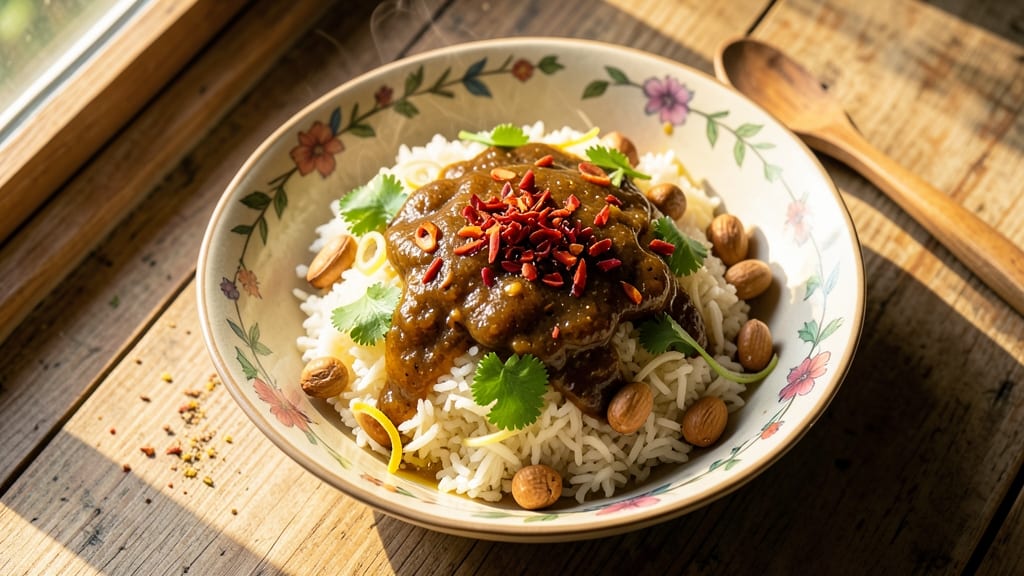
This Burmese rice salad recipe brings the vibrant flavors of Myanmar to your table with a perfect balance of tangy tamarind, cool jasmine rice, and crunchy peanuts. The dish is a staple in Burmese cuisine, often served at gatherings and celebrations, where its refreshing yet bold flavors shine.
What makes this salad special is the harmony of textures—creamy rice, crispy peanuts, and tender herbs—all tied together with a zesty tamarind dressing that’s both sweet and sour.
The secret to achieving authentic Burmese taste lies in the preparation: jasmine rice cooked just right, pickled tea leaves for a subtle earthy note, and fresh herbs like cilantro and mint that add brightness.
The tamarind dressing, made with lime juice and a touch of chili, cuts through the richness of the peanuts and rice, creating a dish that’s as satisfying as it is visually appealing.
Serve it as a light lunch or a refreshing side, and you’ll transport your guests straight to the streets of Yangon.
Ingredients for burmese rice salad
Jasmine rice, tangy tamarind, and fresh herbs make this Burmese salad pop with authentic flavors.
| Ingredient | Amount | Notes |
|---|---|---|
| Jasmine Rice 🍚 | 1 ½ cups | Uncooked, long-grain preferred |
| Peanuts 🥜 | ½ cup | Crushed, roasted for crunch |
| Tamarind Paste 🍯 | ¼ cup | Unsweetened, thick consistency |
| Lime Juice 🍋 | ⅓ cup | Freshly squeezed, seeds removed |
| Fish Sauce 🥫 | 1 tbsp | Red Boat preferred for quality |
| Red Chili Flakes 🌶️ | 1 tsp | Adjust for heat preference |
| Fresh Cilantro 🌿 | ⅓ cup | Stems removed, chopped fine |
| Fresh Mint Leaves 🌿 | ¼ cup | Stems removed, torn by hand |
| Pickled Tea Leaves ☕ | ¼ cup | Store-bought or homemade |
| Shallots 🧅 | 2 whole | Minced fine for dressing |
| Garlic Cloves 🧄 | 3 cloves | Minced for dressing |
| Sugar 🍚 | 1 tbsp | White or brown preferred |
| Vegetable Oil 🫒 | 1 tbsp | For roasting peanuts |
| Salt 🧂 | ½ tsp | Kosher or sea salt |
The jasmine rice is the heart of this salad—look for long-grain varieties at Asian markets or the international aisle at Whole Foods. If you can't find it, basmati rice works in a pinch, but the floral aroma is what makes this dish special. For the tamarind paste, store-bought unsweetened is easiest, but if you're feeling adventurous, you can make your own by soaking tamarind pods overnight. The peanuts? Crushed but not powdered—you want that satisfying crunch. Toast them in a dry pan for extra flavor, or roast them with a pinch of salt for a simple but game-changing upgrade.
No fish sauce? Soy sauce works in a pinch, but it won’t have that same umami depth. Fresh herbs are non-negotiable here—cilantro and mint should be bright and vibrant. If you can’t find pickled tea leaves, substitute with a few drops of instant coffee for that earthy note, or skip it entirely if you’re short on time. The dressing is where the magic happens: tamarind for tang, lime for brightness, and chili for heat. Balance is key—start with the amounts listed, then adjust to taste. Too sweet? Add more lime. Too sour? A pinch of sugar does the trick.
This salad keeps beautifully in the fridge for 3-4 days, though the peanuts might lose their crunch after a day or two. Store the dressing separately if you’re prepping ahead—just toss it all together right before serving. For extra authenticity, let the rice cool completely before mixing everything—warm rice turns mushy, and we’re going for that perfect cool, creamy texture. Serve it as a side or a light lunch, and don’t be surprised if it disappears faster than you can say Yangon!
Why You'll Love This Recipe
- No-Cook Crunch: I swear by this when I’m too tired to cook—just toss cold jasmine rice with the dressing, toast some peanuts, and boom. The tamarind and lime cut through the richness like a breeze, and the peanuts add texture without effort. Honestly, it’s the kind of dish that makes me feel like a star chef even when I’m in sweatpants.
- Umami Bomb: That fish sauce and tamarind combo? It’s the secret weapon. The tangy-sweet balance hits every time, and the lime keeps it bright. I’ll be real: my picky-eating partner actually finishes his bowl, and that’s saying something. It’s the kind of flavor that sticks with you long after the last bite.
- Lunchbox Hero: Between us, this is my go-to for packed lunches. The rice holds up for days, and the dressing keeps it from getting soggy. Toss in some shredded chicken or tofu for protein, and it’s a full meal that still feels special. My kids ask for it on Fridays—yes, even when they’re begging for pizza.
- Pantry Staple: I keep jasmine rice, peanuts, and fish sauce stocked just for this. It’s cheap, it’s filling, and I’ve fed a crowd with one big bowl. Leftovers? No problem—I reheat them with a splash of water or eat them cold. It’s the kind of recipe that makes me feel like I’m always winning in the kitchen.
Step-by-step instructions for Burmese rice salad
Here's how to make this refreshing, tangy salad with perfectly cooled rice and a bright tamarind dressing.
Cook the Jasmine Rice Properly
Rinse the 1.5 cups of jasmine rice thoroughly in a fine-mesh strainer until the water runs clear—this removes excess starch that can make the rice gummy. In a medium saucepan, combine the rinsed rice with 3 cups of water and bring to a boil over high heat. Once boiling, reduce heat to low, cover tightly with a lid, and simmer for 12-15 minutes without lifting it.
Here's the thing—Burmese rice salad relies on perfectly cooled rice. After cooking, let the rice steam off the heat for 5 minutes covered, then spread it on a large tray to cool completely at room temperature for at least 1 hour. This cooling step ensures the rice stays firm and absorbs the dressing beautifully. If you're short on time, spread it on a wire rack for faster cooling.
Roast the Peanuts for Crunch
While the rice cools, heat 1 tablespoon of vegetable oil in a dry skillet over medium heat. Add the 0.5 cup of peanuts and toast them for 3-4 minutes, stirring constantly, until they turn a rich golden brown and smell nutty. Remove from heat immediately—they'll continue cooking from residual heat.
Let the peanuts cool slightly, then transfer them to a cutting board and roughly chop them with a chef's knife. The peanuts should be crumbly but still retain some texture. This crunch is essential for the salad's contrast against the soft rice. If you prefer extra crunch, you can toast them a bit longer, but watch closely—they burn fast.
Prepare the Tangy Tamarind Dressing
In a small bowl, whisk together the 0.25 cup of tamarind paste, 0.33 cup of lime juice, 1 tablespoon of fish sauce, 1 tablespoon of sugar, 1 teaspoon of red chili flakes, 2 whole minced shallots, and 3 minced garlic cloves. Start with 0.25 cup of water and whisk until the tamarind paste dissolves completely—it should be smooth with no lumps.
The dressing should be thick but pourable, with a balance of sweet, sour, salty, and spicy flavors. Taste and adjust—add more lime juice for tang, sugar for sweetness, or chili flakes for heat. The dressing is the soul of this salad, so don't rush this step. Let it sit for 5 minutes while you finish the other components so the flavors meld.
Assemble the Salad with Fresh Herbs
In a large bowl, gently combine the cooled jasmine rice with 0.33 cup of chopped fresh cilantro, 0.25 cup of torn fresh mint leaves, and 0.25 cup of pickled tea leaves. The herbs should be evenly distributed but not overmixed—just enough to brighten the rice. Add the chopped peanuts and toss lightly to combine.
Here's where it gets good—pour the tamarind dressing over the rice and toss gently but thoroughly. The salad should glisten slightly from the dressing but not be soggy. If it's too dry, add 1-2 tablespoons of water to loosen it. The texture should be light and airy, with each grain of rice coated in the vibrant dressing.
Chill and Serve for Maximum Freshness
Cover the salad and refrigerate for at least 30 minutes before serving. This chilling step allows the flavors to fully meld and the rice to absorb the dressing evenly. When ready to serve, give it one final gentle toss to redistribute everything.
Serve the Burmese rice salad immediately while still chilled. The contrast of cool rice with the bright, tangy dressing is what makes this dish so refreshing. Garnish with an extra sprinkle of fresh mint leaves and cilantro for color and freshness. This salad holds up well for 1-2 days in the fridge, making it perfect for meal prep—just give it a stir before serving.
Pro Tips For Making Burmese Rice Salad
- COOL THE RICE RIGHT: Dump your freshly cooked jasmine rice into a wide bowl and fan it with a chopstick or spoon for 5 minutes—this stops the cooking and keeps the grains separate. I learned this the hard way after mushing up perfectly fluffy rice by mixing it while still hot.
- TOAST PEANUTS LOW: Spread raw peanuts on a dry skillet over medium-low heat and stir constantly for 3–4 minutes until golden, not brown. High heat burns them fast, and you’ll taste it in every bite. (Yes, even if you’re impatient like me.)
- DILUTE TAMARIND FIRST: Mix tamarind paste with equal parts warm water before adding to the salad—this prevents clumpy, bitter pockets. I used to just toss it in dry and wondered why my dressing tasted like glue.
- SALT THE RICE WATER: Add 1 teaspoon salt to the rice cooking water—it crisps the grains slightly and balances the fish sauce later. Skip this, and your salad will taste flat, even with all the other flavors. (Your future self will notice.)
Regional styles of this burmese rice salad
Shan-Style Variations
The Shan people of Myanmar’s eastern regions add a unique twist to this salad by incorporating roasted chickpeas instead of peanuts. Toast ½ cup chickpeas with 1 tsp turmeric and ½ tsp cumin until golden, then crush lightly.
This version leans into earthy, nutty flavors while keeping the dish vegetarian-friendly. For extra authenticity, garnish with fresh coriander seeds toasted in a dry pan for 1 minute—they add a subtle citrusy crunch. 🌱
Mon-Influenced Twist
The Mon ethnic group along Myanmar’s southern coast often uses fermented black rice in their salads, giving it a deep purple hue and nutty depth.
Swap jasmine rice for ½ cup cooked black rice (available at specialty stores) and reduce the tamarind to ¼ cup to balance the dish’s natural sweetness. Add 1 tbsp grated coconut to the dressing for a tropical touch, and top with thinly sliced cucumber for refreshing contrast.
This version is a staple at Mon New Year celebrations.
Yangon Street Food Style
In Yangon’s bustling markets, vendors often serve this salad with a spicy shrimp topping for extra protein. Sauté ½ lb shrimp with 1 tsp garlic, ½ tsp turmeric, and ½ tsp chili flakes until pink, then chop and fold into the salad just before serving.
For a vegetarian option, use crispy tofu cubes marinated in 1 tbsp soy sauce and 1 tsp lime juice. This street-style version is richer but still light enough for a hot day. 🍤
Northern Kachin Adaptation
The Kachin people in Myanmar’s northern mountains add dried mushrooms to their rice salads for an umami boost. Rehydrate ¼ cup dried shiitake mushrooms in warm water for 20 minutes, then finely chop and mix into the salad.
Reduce the fish sauce to ½ tbsp since mushrooms already pack a savory punch. Garnish with crushed roasted sesame seeds for nutty crunch—a nod to Kachin’s love of toasted seeds in their cuisine.
Modern Fusion Update
For a contemporary take, blend ½ cup Greek yogurt into the tamarind dressing for creaminess, then fold in ¼ cup diced mango and 2 tbsp chopped cilantro. Serve over cool basmati rice and top with toasted coconut flakes and lime zest.
This fusion version keeps the salad’s bright flavors while adding a tropical twist—perfect for summer gatherings. 🥭
Nutrition facts
Frequently asked questions
Can I use basmati rice instead of jasmine rice for this salad?
Yes, you can substitute basmati rice, but jasmine rice is preferred for its delicate floral aroma and slightly sticky texture when cooled. If using basmati, reduce the water slightly (2.5 cups instead of 3 cups) to prevent mushiness. The salad will still taste great, though the flavor profile won't be as authentically Burmese.
How do I make tamarind paste if I can't find it in stores?
You can easily make tamarind paste at home! Soak ½ cup tamarind pods in 1 cup warm water for 30 minutes, then blend until smooth. Strain out the seeds and use the pulp as a 1:1 substitute for store-bought paste. For a smoother texture, blend with a bit of water. The homemade version adds deeper tamarind flavor to your salad.
What's the best way to store leftover Burmese rice salad?
Store the salad in an airtight container in the fridge for up to 3-4 days. Keep the dressing separate if possible—this prevents the peanuts from losing their crunch. When ready to serve, give it a gentle toss and let it sit at room temperature for 5-10 minutes to restore the best texture. The flavors actually improve after chilling!
Can I make this salad gluten-free?
This recipe is naturally gluten-free as long as you use tamarind paste without additives and check your fish sauce for gluten. For extra safety, choose a certified gluten-free fish sauce brand. The peanuts and rice are also gluten-free, making this a naturally inclusive dish for most dietary needs.
Why does my rice salad turn out mushy?
Mushy rice usually happens when it's not cooled properly or mixed too aggressively with the dressing. Always spread cooked rice on a tray to cool completely before assembling, and toss gently when adding the dressing. Another common mistake is using too much liquid—stick to the 3:1 water-to-rice ratio and avoid overmixing.