
Main Courses
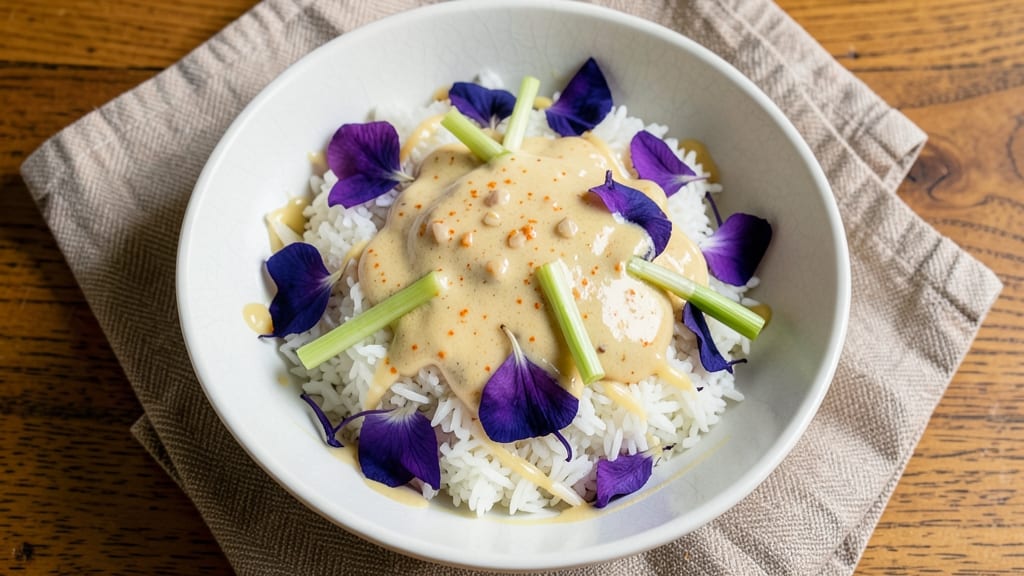
This butterfly pea flower rice recipe transforms ordinary grains into a visually stunning, plant-based masterpiece with vibrant purple swirls and herbal brightness.
The secret lies in infusing dried butterfly pea flowers into the cooking water, creating a striking color that shifts with pH—acidic ingredients turn it blue, while alkaline keeps it purple. Perfect for health-conscious eaters who crave both beauty and nutrition in their meals.
The result is fluffy, fragrant rice with delicate floral notes and a subtle earthy depth that pairs beautifully with citrus, coconut, or fresh herbs. Whether served as a standalone dish, in bowls, or even as a dessert base, this recipe proves that vibrant flavors and stunning visuals go hand-in-hand.
Ready to elevate your rice game with this foolproof technique?
Ingredients for butterfly pea flower rice
Vibrant flowers, fragrant herbs, and fluffy rice create this stunning plant-based masterpiece.
| Ingredient | Amount | Notes |
|---|---|---|
| Jasmine Rice 🍚 | 1 ½ cups | Uncooked, long-grain preferred |
| Dried Butterfly Pea Flowers 🌸 | 2 tbsp | Food-grade, vibrant purple |
| Water 💧 | 3 cups | Filtered preferred for clarity |
| Coconut Milk (Full-Fat) 🥥 | ½ cup | For creaminess and richness |
| Fresh Coconut Water 🥥 | ½ cup | For subtle sweetness and pH balance |
| Fresh Lemongrass 🌿 | 1 whole | Stalk, bruised for aroma |
| Fresh Turmeric 🧡 | 1 tbsp | Grated, for golden hue |
| Fresh Ginger 🌿 | 1 tbsp | Grated, for earthy depth |
| Fresh Basil Leaves 🌿 | ¼ cup | Packed, for herbal brightness |
| Lime Juice 🍋 | 1 tbsp | Freshly squeezed, for pH shift |
| Sea Salt 🧂 | ½ tsp | Fine grain, for seasoning |
| White Miso Paste 🍶 | 1 tbsp | For umami richness |
| Maple Syrup 🍁 | 1 tsp | For subtle sweetness |
The butterfly pea flowers are the star—source food-grade dried flowers from specialty stores like Whole Foods or Trader Joe's (they carry them in the spice section). Look for vibrant purple flowers, not faded or dull ones. Fresh lemongrass and turmeric should smell bright and earthy—avoid wilted stalks or musty roots. For the coconut milk, full-fat canned versions (like Aroy-D) work best for creaminess, while coconut water should be fresh, not shelf-stable. The miso paste? White miso adds umami without overpowering the delicate floral notes—red miso will add too much depth.
No dried butterfly pea flowers? Blue spirulina powder (1/2 tsp) creates a similar blue shift, though the floral notes will differ. Fresh ginger or turmeric missing? Powdered versions work at half the amount, but fresh is ideal. Out of coconut milk? Cashew cream (blend 1 cup soaked cashews + 1 cup water) mimics the richness. The lime juice is key for the pH shift—if you're avoiding citrus, apple cider vinegar (1/2 tsp) will still turn the rice blue, though the flavor profile changes. For extra vibrancy, add a pinch of black salt (kala namak)—it enhances the purple hue without altering taste.
Store the dried butterfly pea flowers in an airtight container away from light to preserve their color for up to 6 months. Fresh herbs like lemongrass and basil keep best in the fridge, wrapped in damp paper towels for 3-4 days. The cooked rice reheats beautifully—just add a splash of water and steam for 2-3 minutes. For long-term storage, freeze portions in ice cube trays with a bit of coconut milk to preserve moisture. The color fades over time, especially when exposed to light, so serve this dish immediately after cooking for the most dramatic effect.
Why You'll Love This Recipe
- Magic in Minutes: I swear, this rice takes five minutes of active work—just soak the dried butterfly pea flowers in hot water, toast the jasmine rice in coconut milk, and let it simmer. The flowers bloom right in the pot, turning that milky rice an ethereal blue. No fancy techniques, no stress.
- Taste Like a Secret: That first bite of creamy coconut milk rice with the faintest floral hint from the butterfly pea flowers? It’s like a tropical vacation in your mouth. The jasmine’s natural fragrance lingers, and the coconut water keeps it light—no heavy, greasy aftertaste.
- Weeknight to Party: Same recipe, totally different vibes. Serve it plain for a lazy Sunday brunch or drizzle with chili oil and lime for a dinner that feels fancy. Honestly, it’s my go-to for potlucks because it’s always a hit, even when I’m too tired to impress.
- Leftovers That Lie: I make a big batch on Sundays, and by Wednesday, it’s still the star of my lunch. The coconut milk keeps it rich but not soggy, and the rice stays separate—no mushy disasters. Plus, the flowers’ color fades to purple when reheated, so it’s like a built-in “I made this yesterday” indicator.
Step-by-step instructions for butterfly pea flower rice
Here's how to create this vibrant, aromatic rice dish with perfect texture and color.
Prepare the Aromatic Base
In a small bowl, combine the 1 whole fresh lemongrass stalk (bruised with the flat side of a knife), 1 tbsp grated fresh turmeric, and 1 tbsp grated fresh ginger. Use a mortar and pestle or rolling pin to bruise the lemongrass—this releases its essential oils and maximizes flavor. The mixture should smell intensely citrusy and earthy.
In a separate small bowl, whisk together the 0.5 cup full-fat coconut milk, 0.5 cup fresh coconut water, 1 tbsp lime juice, 1 tbsp white miso paste, 1 tsp maple syrup, and 0.5 tsp sea salt. This creates a flavorful liquid that will infuse the rice with depth. The miso adds umami, while the maple syrup balances the acidity from the lime.
Toast the Rice and Infuse the Flowers
Heat a medium saucepan over medium-high heat and add the 1.5 cups jasmine rice. Toast the rice for 2-3 minutes, stirring constantly, until it becomes fragrant and slightly translucent at the edges. This step enhances the nutty flavor of the rice and prevents mushiness.
Immediately add the 2 tbsp dried butterfly pea flowers and the aromatic base mixture (lemongrass, turmeric, and ginger). Stir well to coat the rice evenly. The flowers will begin to rehydrate and release their signature purple hue. Pour in the 3 cups water and bring to a gentle boil.
Simmer to Perfect Texture
Once boiling, reduce heat to low and cover the saucepan with a tight-fitting lid. Let the rice simmer for 15 minutes without disturbing it. This allows the rice to absorb the liquid evenly and develop its signature fluffy texture.
After 15 minutes, remove the lid and gently fold in the 0.25 cup packed fresh basil leaves using a wooden spoon. The basil adds a bright herbal note that complements the earthy flavors. Replace the lid and let the rice steam for another 5 minutes. The rice should be tender but still slightly firm to the bite.
Rest and Serve with Vibrant Swirls
Turn off the heat and let the rice sit covered for 10 minutes. This resting period allows the steam to redistribute, ensuring each grain is perfectly tender. After resting, gently fluff the rice with a fork to separate the grains and create those signature swirls.
The dish should have a vibrant purple hue from the butterfly pea flowers, with a fragrant aroma of lemongrass, ginger, and turmeric. Serve immediately while the rice is warm, garnished with additional fresh basil if desired. The coconut milk and miso create a rich, creamy finish that balances the bright herbal notes.
Pro Tips For Making Butterfly Pea Flower Rice
- SOAK THE FLOWERS FIRST: Dried butterfly pea flowers need a quick 5-minute soak in warm water before adding to the rice—this guarantees they’ll bloom fully and infuse the dish evenly. I used to toss them in dry, and half the time they’d clump or stay stubbornly closed.
- USE A 1:1.25 RATIO FOR RICE: Jasmine rice absorbs differently with coconut milk, so stick to 1 cup rice to 1.25 cups liquid (water + coconut milk combo). Too little water and it’ll dry out; too much and you’ll end up with mushy rice. Trust the math, not your eyeballs.
- STIR ONCE AFTER BOILING: Let the rice come to a full boil with the coconut milk and water, then stir just once to distribute the flowers and prevent sticking. Over-stirring breaks the grains—this isn’t risotto, and you don’t need to baby it.
- FINISH WITH COCONUT WATER: After the rice is cooked, fold in 2-3 tablespoons of fresh coconut water and let it sit covered for 5 minutes. This adds brightness and prevents the rice from turning gummy—like a little flavor reset. (Yes, even if you’re impatient like me.)
Common mistakes when making this recipe
Overcooking the Rice
One of the biggest mistakes is letting the rice simmer too long after it's fully cooked. Jasmine rice absorbs all its liquid in about 15 minutes—once it reaches this point, any extra time will turn your fluffy grains into a mushy mess.
I’ve learned the hard way that checking for doneness by taste (not just time) is key. The rice should be tender but still have a slight bite. If it feels soft and squishy, you’ve overcooked it. 🌱
Skipping the Toasting Step
Many recipes skip toasting the rice, but this crucial step develops the nutty flavor and prevents gummy texture. Heat your rice in the dry pan for 2-3 minutes until fragrant—this releases starches that would otherwise make your rice sticky.
I once made this dish without toasting and ended up with rice that tasted bland and clumped together. Trust me, this step makes all the difference!
Using Low-Quality Flowers
Not all butterfly pea flowers are created equal. Cheap or faded flowers won’t infuse the rice with vibrant color or authentic floral notes. Always use food-grade dried flowers from trusted sources like Whole Foods or Trader Joe’s.
I once bought flowers from a random online seller, and the color was dull, plus the flavor was weak. Invest in quality—your dish will thank you. 🌸
Ignoring the Resting Time
Rushing to serve the rice right after cooking is a common mistake. Letting it rest for 10 minutes allows steam to redistribute, giving you perfectly fluffy grains.
I’ve seen people dig in immediately, only to find their rice turns out dense and uneven. Patience here ensures the best texture and presentation.
Overlooking the pH Shift
The magic of butterfly pea flowers lies in their color-changing properties, but many cooks forget to balance the pH. Adding lime juice or another acidic ingredient (like vinegar) is essential for the vibrant blue transformation. Without it, the rice stays purple and lacks the dramatic visual effect.
I once served this dish without lime juice, and while it was delicious, the color was underwhelming. A little acid goes a long way!
Using the Wrong Rice
Jasmine rice is the star of this dish, but some recipes mistakenly use basmati or short-grain rice. Jasmine’s delicate, floral aroma pairs perfectly with the butterfly pea flowers, while other varieties can overpower the dish.
If you must substitute, try long-grain white rice, but expect a slightly different texture. I’ve tried this with basmati, and while it worked, it lacked the signature fragrance that makes this dish special. 🍚
Nutrition facts
Frequently asked questions
Why does the butterfly pea flower rice change color?
The vibrant color shift happens because butterfly pea flowers are pH-sensitive! When exposed to acidic ingredients like lime juice, the rice turns stunning blue. Without acid, it stays purple. This natural reaction makes the dish visually dramatic—perfect for Instagram-worthy plates or special occasions.
Can I make this recipe without coconut milk?
For a dairy-free alternative, use cashew cream (blend 1 cup soaked cashews + 1 cup water) or extra coconut water for a lighter texture. If avoiding coconut entirely, swap for vegetable broth to maintain flavor depth. The dish will still be creamy and delicious.
How long will the cooked rice keep in the fridge?
Store in an airtight container for up to 4 days. Reheat gently with a splash of water or coconut milk to restore moisture. Note: The color may fade slightly over time, especially when exposed to light. For best vibrancy, serve fresh or freeze portions in ice cube trays.
What are the best ways to serve this dish?
This rice pairs beautifully with:
- Citrusy salads (mango-avocado salsa)
- Grilled tofu or tempeh
- Crispy vegetables (roasted Brussels sprouts)
- Fresh herbs (cilantro, mint) The color-changing effect makes it perfect for vegan bowls or as a stunning side dish for plant-based main courses.
Can I use fresh butterfly pea flowers instead of dried?
Fresh flowers work, but they require 2x more quantity (about 4 tbsp) since they're less concentrated. Rinse and pat dry before using. The flavor will be more delicate, but the color effect remains dramatic. Dried flowers are more convenient for consistent results and longer shelf life.