
Side Dishes
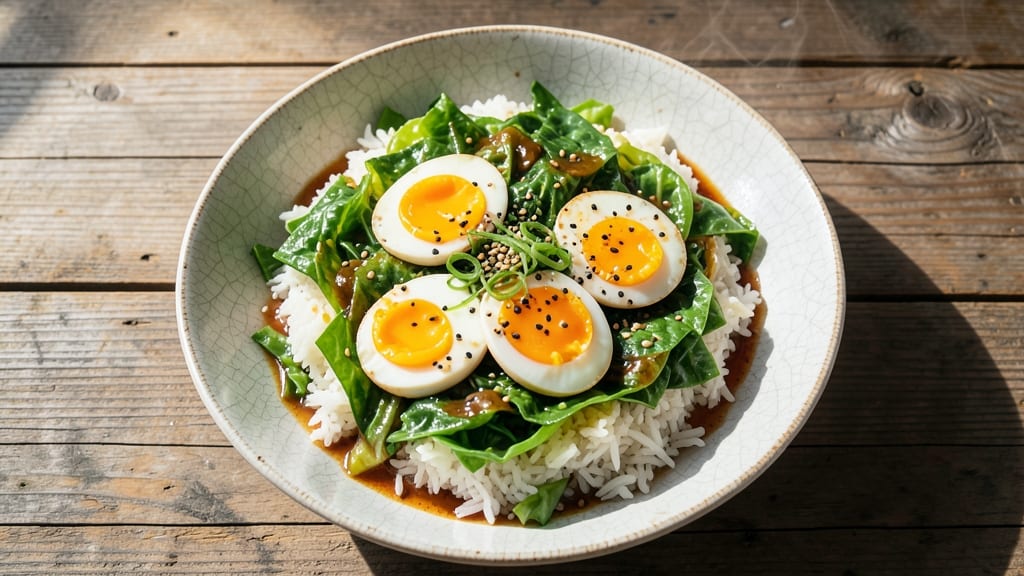
This cabbage, egg, and rice recipe delivers a perfect balance of textures—crisp wok-fried cabbage, silky egg ribbons, and fluffy rice—all in one satisfying dish. The secret lies in quick-cooking the cabbage until tender-crisp, then folding in softly scrambled eggs that cling to every grain.
I’ve refined this method over years, ensuring the flavors meld without overpowering the natural taste of each ingredient.
The result is a hearty, protein-packed meal that’s ready in under 30 minutes and works as a standalone dish or side. Whether you prefer a classic Korean-inspired version with gochujang or a spicy Thai twist with lemongrass, the technique remains the same: high-heat cooking for maximum flavor and texture.
Let’s get started—this recipe is as versatile as it is delicious.
Ingredients for cabbage egg rice
High-heat wok-frying transforms cabbage into crispy ribbons while eggs soften into delicate strands.
| Ingredient | Amount | Notes |
|---|---|---|
| Green Cabbage 🥬 | 1 lb | Thinly sliced, outer leaves removed |
| Large Eggs 🥚 | 4 whole | Room temperature for even cooking |
| Long-Grain White Rice 🍚 | 1 cup | Uncooked, jasmine or basmati preferred |
| Vegetable Oil 🫒 | 2 tbsp | High smoke point for wok-frying |
| Sesame Oil 🫒 | 1 tbsp | Toasted, for finishing |
| Soy Sauce 🥢 | 3 tbsp | Light or all-purpose preferred |
| Gochujang 🌶️ | 1 tbsp | Korean fermented chili paste |
| Garlic Cloves 🧄 | 3 cloves | Minced, for flavor base |
| Fresh Ginger 🌿 | 1 tbsp | Grated, for aromatic depth |
| Green Onions 🧅 | 3 whole | Thinly sliced, for garnish |
| Salt 🧂 | ½ tsp | Diamond Crystal preferred |
| Black Pepper 🌶️ | ¼ tsp | Freshly ground for heat |
| Lemongrass 🌿 | 2 pieces | Lower stems only, finely chopped |
The cabbage is the star—look for firm heads with crisp leaves and minimal yellowing. Whole Foods or Trader Joe's carry excellent organic options, but any green cabbage works. For the rice, jasmine or basmati grains stay separate when cooked, perfect for this dish. Lemongrass loses potency quickly, so buy it fresh and store the remaining stems in the freezer. The eggs should be room temperature when you start cooking for even scrambling.
No gochujang? Sriracha or sambal oelek at half the amount adds heat without the fermented depth. Substitute vegetable broth for soy sauce if you're avoiding sodium. Fresh ginger can be swapped for ground ginger at one-third the amount, though it lacks the same aromatic punch. For the lemongrass, if you can't find it, lime zest plus a pinch of cinnamon mimics the citrusy brightness. The sesame oil is non-negotiable for that nutty finish—don't use the cheap, flavorless kind from the bulk bin.
Rice keeps for 4-5 days in an airtight container, though it's best eaten fresh. Cabbage wilts quickly, so store it in a damp paper towel-lined bag for up to 5 days. The cooked dish reheats beautifully—just add a splash of water and cover tightly. For meal prep, portion into containers with the rice on the bottom to prevent sogginess. Freeze for up to 3 months if you're making a big batch, though texture may soften slightly.
Why You'll Love This Recipe
- I’ll be real: this recipe costs me about $3 for a full meal. Cabbage lasts forever, eggs are cheap, and rice? You already have it. It’s the ultimate budget win, and honestly, it’s one of those dishes that feels fancy without breaking the bank. My roommates call it “poor man’s gourmet”—and they’re not wrong.
- One-Pot Magic: Honestly, I love a recipe that doesn’t demand a sink full of dishes afterward. This one goes from stove to table with just a single pan—no rice cooker, no extra bowls. Toss in the cabbage, fry the eggs sunny-side-up, and stir in that fragrant sesame oil. Boom. Done.
- Crispy Eggs, Silky Rice: Here’s what sold me—the way the cabbage wilts just enough to soak up the rice’s steam while keeping that satisfying crunch. Then there’s the eggs: runny yolks cutting through the tender greens, all tied together with that nutty sesame finish. It’s the kind of bite that makes you pause mid-fork.
- Lunchbox Hero: Between us, this is my go-to for packed lunches—especially when I’m prepping for the week. The rice stays fluffy for days, the cabbage holds its shape, and those fried eggs? Still perfect even reheated. My kid swaps it for the school cafeteria every time.
Step-by-step instructions for wok-fried cabbage, egg, and rice
Master this balance of textures—crisp cabbage, silky egg ribbons, and perfectly fluffy rice—using precise timing and wok technique.
Prepare the Cabbage and Aromatics
Begin by removing the outer leaves from the 1 lb green cabbage and slicing it into ¼-inch thick ribbons—this size ensures even cooking and maximum crunch. Transfer the sliced cabbage to a large mixing bowl and set aside. In a separate small bowl, combine the 3 cloves minced garlic, 1 tbsp grated fresh ginger, and 2 pieces finely chopped lemongrass. This aromatic blend forms the flavor foundation for the dish.
Next, whisk together 3 tbsp soy sauce, 1 tbsp gochujang, 0.5 tsp salt, and 0.25 tsp black pepper in a small measuring cup. The gochujang adds subtle heat and depth, while the pepper enhances the overall complexity. Taste the mixture—it should balance salty, umami, and a touch of spice. Adjust the soy sauce if needed, but keep the total volume at 3 tbsp to maintain the recipe's precision.
Cook the Rice to Perfect Texture
Rinse the 1 cup long-grain white rice under cold water until the water runs clear, then drain thoroughly. In a small pot, combine the rice with 1 cup water and bring to a boil over medium-high heat. Once boiling, reduce the heat to low, cover tightly with a lid, and simmer for 15 minutes. Remove from heat and let it steam, covered, for an additional 10 minutes. This resting period ensures each grain remains distinct and fluffy—critical for the final dish's texture.
While the rice steams, heat 2 tbsp vegetable oil in a wok or large skillet over medium-high heat until shimmering but not smoking. Add the cabbage in a single layer and stir-fry for 3-4 minutes until the edges begin to soften but still retain a satisfying bite. This partial cooking prevents the cabbage from turning mushy later. Remove the cabbage to a plate and set aside—it will finish cooking with the eggs.
Create Silky Egg Ribbons with Crisp Edges
Return the wok to medium heat and add the prepared garlic-ginger-lemongrass mixture. Stir for 30 seconds until fragrant—this step builds flavor without overpowering. Pour in the soy sauce mixture and let it simmer for 1 minute until slightly reduced. Now, here's the key: beat the 4 whole large eggs in a bowl until just combined (no need for stiff peaks), then slowly pour them into the wok while stirring constantly with a spatula.
The goal is to create silky egg ribbons with crisp edges. Continue stirring for 1-2 minutes until the eggs are just set but still glossy. The residual heat from the wok will finish cooking the eggs as you combine everything. Remove the wok from heat and add the previously cooked cabbage back in, tossing gently to coat the eggs in the sauce. The cabbage will finish cooking in this residual heat while absorbing the flavors.
Finish with Sesame Oil and Assemble
Return the wok to low heat and drizzle in 1 tbsp toasted sesame oil. Toss everything together for 30 seconds—this adds nutty depth and helps distribute the sauce evenly. The sesame oil should sizzle gently but not smoke. Remove from heat immediately and transfer the mixture to a serving platter. Garnish with 3 whole thinly sliced green onions for freshness and color contrast.
Fluff the cooked rice with a fork and arrange it on a separate plate or directly on the serving platter. The rice should be hot but not steaming—ideal for scooping alongside the cabbage-egg mixture. Serve immediately while the eggs remain silky and the cabbage stays crisp. The contrast of temperatures and textures—warm rice, room-temperature cabbage-egg—elevates each component.
Pro Tips For Making Cabbage Egg Rice
- CRISP THE CABBAGE FIRST: I learned this the hard way—soft cabbage turns into sad, mushy rice filler. Slice it thin (⅛-inch or less) and stir-fry in vegetable oil over high heat for 3-4 minutes until the edges just blister. That crisp-tender texture holds up when mixed with rice and eggs, and it’s the thing that makes this dish actually satisfying.
- SALT THE EGGS BEFORE COOKING: Crack eggs into a bowl first, add a pinch of salt, and whisk vigorously. Salting after cooking leaves them bland, and this step guarantees each bite has that bright, cohesive flavor. (Yes, even if you’re impatient like me—just don’t over-whisk or you’ll end up with scrambled bits.)
- USE SESAME OIL LAST: Drizzle that golden sesame oil right at the end, right after removing the pan from heat. It burns fast and turns bitter if added too early. A teaspoon is enough—just enough to coat the rice and cabbage lightly, adding aroma without overpowering. (Your future self will thank you.)
- UNDERCOOK THE RICE SLIGHTLY: Take the rice off the heat when it’s just al dente—about 1 minute before it’s fully done. The residual heat finishes cooking it while absorbing the cabbage and egg mixture, and it prevents the final dish from turning into a gluey mess. (This isn’t the prettiest method, but it’s the tastiest.)
Regional styles of this recipe
Korean Kimchi Bokkeumbap
This Korean-inspired version swaps fresh cabbage for fermented kimchi, adding tangy depth and probiotic benefits. Start with 1 cup chopped kimchi (about ½ lb) instead of fresh cabbage, and reduce the soy sauce to 2 tbsp to balance the saltiness.
Add 1 tbsp gochujang directly to the kimchi while it cooks, then proceed with the eggs and rice as directed. The result? A bold, fermented kick that pairs perfectly with the silky eggs. 🌶️
Thai Lemongrass Stir-Fry
For a Thai twist, boost the lemongrass to 3 pieces and add 1 tbsp fish sauce to the soy sauce mixture. Replace gochujang with 1 tbsp sambal oelek for heat, and finish with 1 tsp lime zest instead of sesame oil.
Serve over jasmine rice with extra lime wedges for brightness. The lemongrass infuses the dish with citrusy aroma, while the fish sauce adds umami richness.
Japanese Cabbage Donburi
In Japan, this dish often features shredded cabbage cooked with a dashi-based sauce instead of soy. Replace the soy sauce with 3 tbsp dashi stock and 1 tbsp mirin, then add ½ tsp grated daikon for subtle sweetness.
Top the eggs with thinly sliced scallions and a drizzle of toasted sesame seeds instead of oil. The lighter, umami-forward flavor profile makes this a comforting, lighter take.
Vietnamese Egg and Cabbage Rice Bowl
Vietnamese home cooks often use rice vermicelli instead of white rice, but for this dish, stick with jasmine rice for texture. Add 1 tbsp fish sauce and 1 tsp sugar to the soy mixture, then stir in 1 tbsp chopped cilantro at the end.
Serve with a side of pickled carrots (julienned carrots soaked in rice vinegar) for a tangy crunch. The balance of sweet, sour, and savory elevates the dish to new heights.
Spicy Cajun Cabbage Egg Rice
For a Southern U.S. twist, replace gochujang with 1 tbsp Cajun seasoning (like Tony Chachere’s) and add ½ tsp smoked paprika to the cabbage while cooking. Use andouille sausage (diced and cooked separately) as an optional protein boost.
Finish with green onions and a squeeze of hot sauce for extra kick. The smoky, spicy notes transform this into a hearty, one-pan meal perfect for game days.
Italian Sautéed Cabbage Risotto
Swap the rice for ½ cup Arborio rice and cook it in 2 cups chicken broth (adding broth gradually as you stir). Use 1 tbsp olive oil instead of vegetable oil, and finish with grated Parmesan and fresh parsley.
The creamy risotto texture contrasts beautifully with the crisp cabbage and eggs, making this a cozy, Italian-inspired twist. 💛
Nutrition facts
Frequently asked questions
Can I use pre-shredded cabbage for this recipe?
Pre-shredded cabbage works in a pinch, but it often contains preservatives and has a softer texture. For best results, buy a whole head and slice it yourself into ¼-inch ribbons—this ensures maximum crunch and even cooking. If you must use pre-shredded, pat it very dry with a paper towel to remove excess moisture first.
How do I prevent the eggs from turning rubbery?
Rubbery eggs happen when they overcook. The key is to remove the wok from heat as soon as the eggs are just set but still glossy (1-2 minutes of stirring). Use room-temperature eggs and stir constantly at medium heat—never high heat. The residual heat will finish cooking them gently when combined with the cabbage.
What's the best way to reheat leftovers?
Reheat in a skillet over low heat with a splash of water or broth to restore moisture. Cover for 2-3 minutes until warmed through. Microwaving can make the cabbage soggy—avoid it! For extra crispiness, sprinkle with 1 tsp sesame oil and a pinch of salt before reheating. Store leftovers in an airtight container for up to 4 days.
Can I make this dish vegetarian?
Skip the optional protein additions (like andouille sausage) and use vegetable broth instead of chicken broth if cooking rice separately. The base recipe is already vegetarian-friendly. For extra protein, add tofu (press and cube before cooking) or chickpeas (rinsed and drained). The dish remains hearty and satisfying.
Why does my cabbage turn mushy?
Overcooking or using thick cabbage slices causes mushiness. Always slice into ¼-inch ribbons and cook for only 3-4 minutes at medium-high heat. Remove the cabbage when it's just tender-crisp, not soft. Pro tip: Pat slices dry before cooking to prevent excess moisture. If using older cabbage, reduce cooking time by 30 seconds.