
Side Dishes
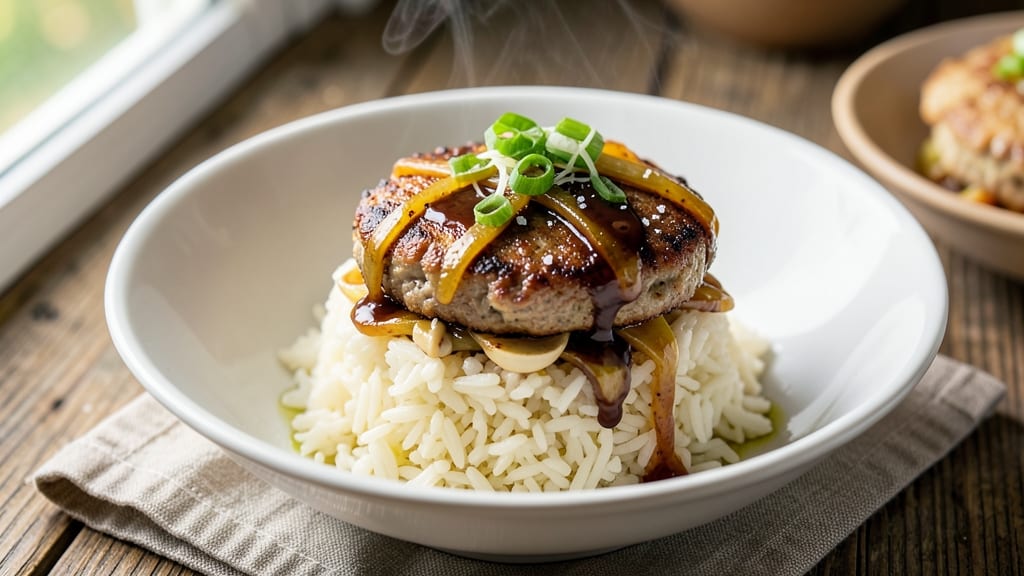
This cabbage hamburger and rice recipe transforms simple pantry staples into a hearty, umami-packed one-pan meal that’s ready in under 45 minutes. The secret lies in caramelizing the cabbage until it’s tender-crisp while the ground beef browns deeply, creating layers of savory depth that pair perfectly with fluffy rice.
No fancy techniques—just a single skillet and a few essential ingredients to deliver restaurant-quality comfort food at home.
The beauty of this dish is its adaptability: swap ground beef for plant-based crumbles for a vegan version, or add a splash of soy sauce for extra umami richness.
The cabbage softens just enough to soak up the flavors while maintaining a satisfying crunch, and the rice absorbs the savory juices, turning every bite into a harmonious blend of textures and tastes.
It’s the kind of meal that feels indulgent yet effortless, perfect for weeknights when you crave something substantial without the fuss.
Ingredients for cabbage hamburger rice
Simple pantry staples transform into a savory one-pan meal with umami depth and satisfying crunch.
| Ingredient | Amount | Notes |
|---|---|---|
| Green Cabbage 🧅 | 4 cups | Shredded, medium head |
| Ground Beef 🥩 | 1 lb | 80/20 fat ratio preferred |
| Long-Grain White Rice 🍚 | 1 cup | Uncooked, jasmine or basmati |
| Yellow Onion 🧅 | 1 whole | Diced, medium size |
| Garlic Cloves 🧄 | 4 cloves | Minced, fresh preferred |
| Soy Sauce 🍶 | 2 tbsp | Low-sodium preferred |
| Worcestershire Sauce 🍶 | 1 tbsp | Vegetarian version if needed |
| Beef Broth 💧 | 1 cup | Low-sodium preferred |
| Olive Oil 🫒 | 2 tbsp | Extra-virgin for richness |
| Salt 🧂 | 1 tsp | Diamond Crystal preferred |
| Ground Black Pepper 🌶️ | ½ tsp | Freshly ground preferred |
| Sesame Oil 🫒 | 1 tsp | Toasted, for aroma |
| Green Onions 🧅 | 2 whole | Sliced, for garnish |
The cabbage is the star here—look for firm, crisp heads with vibrant green leaves. Whole Foods or Trader Joe's often carry pre-shredded cabbage, but I prefer to chop it myself for better texture control. For the beef, 80/20 fat ratio is key—it renders enough fat to caramelize the cabbage while keeping the meat juicy. If you're using leaner ground beef, add an extra teaspoon of oil to the pan. The rice should be long-grain and uncooked—jasmine or basmati work best for their distinct aroma and texture.
No soy sauce? Coconut aminos or tamari work as substitutes, though the flavor profile will differ slightly. Worcestershire sauce can be tricky to find in vegetarian versions—Annie's or Bragg's are reliable brands. For extra umami without soy, add 1 tbsp of miso paste or a splash of fish sauce (if not vegetarian). The beef broth can be swapped for vegetable broth, though the flavor will be less rich. If you're short on time, pre-cook the rice separately—just don't overcook it, as it'll finish in the pan. The sesame oil adds depth but can be omitted if you prefer a milder flavor.
This dish reheats beautifully—store leftovers in an airtight container for up to 4 days in the fridge. For longer storage, freeze portions for up to 3 months. The cabbage tends to soften further when reheated, so I often serve it fresh with a side of pickled vegetables to balance the textures. Garnish with green onions right before serving to keep them vibrant. If you're prepping ahead, cook the rice separately and toast the cabbage and beef together in the pan—just add the rice at the very end to warm through.
Why You'll Love This Recipe
- One-Pot Magic: I swear by this recipe when I’m too tired to scrub three pans—just brown the beef with onions and garlic, toss in the shredded cabbage, and let it all steam with the rice. The cabbage softens right in the pot, so no extra chopping or prep.
- Umami Bomb: That crispy sear on the ground beef? Combined with the slight tang of raw cabbage and the sweetness of caramelized onions, it’s like a flavor explosion in every bite. Honestly, I’ve never met a rice dish that hits this hard without fancy ingredients.
- Lunchbox Hero: Between us, this is my go-to for meal prep—it reheats like a dream and keeps for days without drying out. Pack it in containers with a sprinkle of salt, and you’ve got a satisfying lunch that’s way cheaper than takeout.
- Budget Stretch: A pound of beef, a whole cabbage, and a bag of rice feed my family for weeks. I’ll be real: the cabbage makes it hearty enough that no one misses the expensive veggies, and the rice stretches the beef further than any ground-meat-only dish.
Step-by-step instructions for cabbage, hamburger, and rice recipe
This one-pan method delivers a perfect balance of textures and flavors every time.
Prepare the Base Ingredients
In a large, deep skillet with a lid, heat the 2 tablespoons olive oil over medium-high heat until shimmering. Add the 1 whole yellow onion and cook for 5 minutes until softened and translucent. This foundational step builds flavor by developing the onion's natural sweetness before adding other ingredients.
Push the onions to one side of the pan and add the 1 pound ground beef. Break it apart with a wooden spoon and cook until it loses its raw color and begins to brown—about 5-7 minutes. Drain any excess fat if needed, but leave about 1 tablespoon to keep the pan moist for cooking. The beef should be fully cooked through with no pink remaining.
Develop the Flavor Foundation
Add the 4 cloves minced garlic to the beef and stir for 30 seconds until fragrant. Immediately pour in the 2 tablespoons soy sauce and 1 tablespoon Worcestershire sauce, stirring to combine. Let this mixture simmer for 2 minutes to allow the sauces to meld with the beef and garlic.
Next, add the 4 cups shredded green cabbage and stir well to distribute evenly. Cook for 4-5 minutes until the cabbage begins to soften but still retains a slight crunch. The cabbage should wilt down noticeably while absorbing the savory flavors from the beef and sauces. This step is critical—overcooking will turn the cabbage mushy, so watch closely.
Incorporate Rice and Seasonings
Stir in the 1 cup uncooked long-grain white rice, spreading it evenly over the beef and cabbage mixture. Sprinkle the 1 teaspoon salt and 0.5 teaspoon ground black pepper evenly over the top. Pour the 1 cup beef broth into the pan, then add the 1 teaspoon sesame oil. Stir gently to combine all ingredients, ensuring the rice is fully coated with the liquid.
The sesame oil adds a subtle nutty aroma that complements the umami flavors. At this stage, the mixture should look slightly wet but not soupy. If it appears too dry, add 1-2 tablespoons water to help the rice cook evenly. Cover the pan tightly with the lid and reduce heat to medium-low.
Simmer to Perfect Texture
Let the mixture cook uncovered for 5 minutes to allow any excess moisture to evaporate. Then cover again and simmer for 18-20 minutes without lifting the lid. The rice needs this time to absorb the liquid and cook through while maintaining the cabbage's texture. You'll know it's ready when the rice is tender and the cabbage remains slightly crisp.
After 18 minutes, check the rice by pressing a grain with a fork. It should be tender but still hold its shape. If it's still firm, continue cooking for 2-3 more minutes. The cabbage should be tender-crisp, not mushy. If the mixture looks dry before the rice is fully cooked, add 2-3 tablespoons water and cover again for 3-4 minutes to steam.
Finish and Garnish
Once the rice is fully cooked, remove the pan from heat and let it rest for 5 minutes covered. This resting period allows the flavors to meld and the cabbage to finish softening slightly. Use a fork to fluff the rice gently, breaking up any large clumps while preserving the cabbage's texture.
Finally, garnish with the 2 whole green onions, sliced thinly. The bright green color and mild onion flavor provide a fresh contrast to the rich, savory main dish. Serve immediately while hot, as the cabbage will continue to soften slightly as it cools.
Pro Tips For Making Cabbage Hamburger Rice
- Sear the Beef First: After burning three batches of cabbage hamburger rice, I finally realized: don’t mix the beef with the cabbage until it’s browned. Cook the ground beef in batches over medium-high heat until deeply caramelized—about 5-6 minutes per batch—before adding the onions, garlic, or cabbage. This builds flavor that no amount of seasoning later can match. (Yes, it takes extra time, but your future self will notice.)
- Core the Cabbage: Slicing whole cabbage leaves is a pain, but removing the dense core first makes shredding a breeze. Cut the head in half, then slice out the tough, woody center with a spoon—it’s the part that never softens and ruins texture. Shred the rest into thin, even strips (about ¼-inch thick) for even cooking. (I used to fight with my knife over those stubborn cores. Don’t be me.)
- Salt the Rice Water: The rice in this dish is often an afterthought, but seasoning the cooking water (1 tsp salt per 3 cups water) guarantees flavor in every grain. Don’t skimp—underseasoned rice is the fastest way to make your whole dish taste bland. And for heaven’s sake, rinse the rice first to remove starch, or it’ll turn mushy. (I learned this when my rice clumped like glue. Twice.)
- Deglaze with Soy Sauce: After browning the beef, swap water for 2 tablespoons of soy sauce to deglaze instead of just scraping up bits with broth. The umami punch cuts through the cabbage’s bitterness and adds depth without extra effort. Just let it simmer for 2 minutes before adding the cabbage—it’s the shortcut that actually upgrades the dish. (I was skeptical until I tried it. Now I never go back.)
Wine and beer pairings for this recipe
Crisp White Wine
A dry Riesling from Germany or a Sauvignon Blanc from New Zealand cuts through the dish’s umami richness beautifully. The wine’s bright acidity and citrus notes refresh your palate between bites of savory cabbage and beef.
I love a Keller Riesling from the Mosel region—its crisp finish balances the dish’s hearty flavors without overpowering them. 🍷
Light Lager Beer
For beer lovers, a crisp pilsner like Peroni or Heineken works perfectly. The clean, effervescent quality of these lagers complements the dish’s savory depth while keeping the meal feeling light.
If you prefer something with a bit more character, a Belgian witbier like Hoegaarden adds a subtle citrus and spice note that pairs wonderfully with the sesame oil and soy sauce. 🍺
Red Wine Option
If you’re serving this dish with a red wine, opt for a light-bodied Pinot Noir from Oregon or a Chianti from Italy. These wines have enough acidity to stand up to the dish’s umami flavors without being too heavy.
I recommend a La Crema Pinot Noir—its bright cherry notes harmonize with the cabbage and beef. Avoid bold reds like Cabernet Sauvignon, as they can clash with the dish’s delicate balance. 🍇
Non-Alcoholic Pairings
For a non-alcoholic option, try a sparkling water with a splash of lime to cleanse your palate. Alternatively, a ginger beer like Feather Ginger Beer adds a spicy kick that complements the dish’s savory flavors.
If you prefer something more substantial, a cucumber-mint infused water with a pinch of salt keeps the meal feeling refreshing. 💧
Sweet Contrast
To balance the dish’s savory flavors, serve a lightly sweet dessert wine like Moscato d'Asti or a sparkling apple cider. The sweetness contrasts nicely with the umami-rich cabbage and beef, making each bite feel more well-rounded. If you’re avoiding alcohol, a sparkling peach iced tea works wonderfully too. 🍑
Nutrition facts
Frequently asked questions
Can I make this recipe with plant-based ground meat?
Swap the ground beef for 1 lb of plant-based crumbles (like Beyond Meat or Impossible Burger). Cook them according to package instructions, then proceed with the recipe as written. The texture will be slightly different, but the umami flavors from soy sauce and sesame oil will still shine.
Why does my cabbage turn mushy instead of tender-crisp?
Overcooking is the most common cause. Cabbage should cook for only 4-5 minutes after adding it to the pan—it'll continue softening while the rice cooks. Use a timer and watch closely. If it's still too firm, add 2 tbsp water and cover for 3-4 minutes to steam gently. Never skip the resting period after cooking.
Can I use instant rice instead of long-grain?
Yes, but adjust the cooking time. Use ½ cup instant rice (instead of 1 cup) and follow package instructions for cooking time. The rice will cook faster, but you'll need to add ½ cup extra broth to prevent drying. Stir in the rice at the very end and cook uncovered for 3-5 minutes to finish.
How can I make this dish spicier?
Add ½ tsp red pepper flakes when cooking the beef, or sprinkle 1 tsp gochujang (Korean chili paste) with the soy sauce. For heat lovers, stir in 1 tbsp sriracha at the end. Balance with a squeeze of lime or extra green onions to keep flavors harmonious.
What's the best way to reheat leftovers?
Use a skillet with 1 tbsp oil over medium heat. Add leftovers and stir frequently for 5-7 minutes until heated through. Cover with a lid for 2 minutes to steam and restore moisture. Avoid microwaving—it makes the cabbage soggy.