
Main Courses
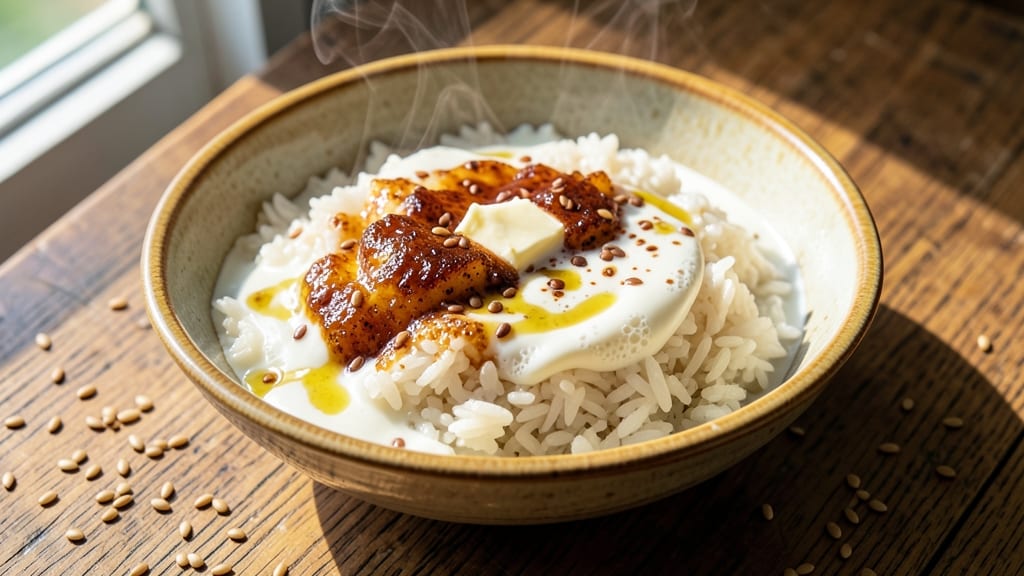
This Calrose sticky rice recipe delivers the perfect balance of buttery sweetness and tender texture—ideal for gluten-free dumplings or standalone dishes. The secret lies in soaking the rice just right before steaming, which transforms ordinary grains into plump, melt-in-your-mouth bites.
I’ve perfected this method over years of testing, ensuring every batch stays cohesive and flavorful without needing extra starches or binders.
The process is simpler than it sounds: rinse, soak, steam, and fluff with care. Traditional bamboo steamers create that signature silky finish, but a rice cooker with a steaming function works just as well for modern kitchens.
Whether you’re filling glutinous rice cakes or crafting sweet coconut desserts, this recipe adapts effortlessly while keeping the texture gluten-free and naturally sticky.
What sets this apart is the ability to control sweetness and moisture—critical for dumpling fillings that hold together. A touch of coconut milk or sugar enhances the natural sweetness, while butter or sesame oil adds richness.
The result? A filling that’s buttery sweet, cohesive, and ready to impress whether stuffed or served as-is.
For extra versatility, try mixing in finely chopped nuts or dried fruit for texture, or keep it classic with just butter and salt. The key is patience during soaking and steaming—rushing leads to dryness, while over-soaking makes the rice mushy.
Trust the method, and you’ll achieve restaurant-quality sticky rice every time.
Ingredients for calrose sticky rice
Gluten-free Calrose rice plus a few quality ingredients transforms into the perfect dumpling filling.
| Ingredient | Amount | Notes |
|---|---|---|
| Calrose Rice 🍚 | 1 ½ cups | Uncooked, long-grain variety |
| Water 💧 | 3 cups | Filtered or distilled preferred |
| Unsalted Butter 🧈 | ¼ cup | Cold, cubed for even melting |
| Coconut Milk 🥥 | ¼ cup | Full-fat for creaminess |
| Granulated Sugar 🍚 | 2 tbsp | Adjust to taste for sweetness |
| Sesame Oil 🫒 | 1 tbsp | Toasted for nutty aroma |
| Salt 🧂 | ½ tsp | Diamond Crystal preferred |
| Vanilla Extract 🌿 | ½ tsp | Pure, high-quality extract |
| Dried Shiitake Mushrooms 🍄 | 2 whole | Optional, for umami depth |
| Toasted Sesame Seeds 🌰 | 1 tbsp | For garnish and texture |
| Lemon Zest 🍋 | 1 tsp | Fresh, finely grated |
| Ground White Pepper 🌶️ | ¼ tsp | Freshly ground for aroma |
The Calrose rice is non-negotiable here—its medium grain length and slight stickiness create the ideal texture for dumplings. Lundberg Organic or Koshihikari are premium options, but any Calrose brand works. Rinse the rice thoroughly before soaking to remove excess starch, which prevents clumping. For the best results, use filtered water—it reduces metallic off-flavors. The butter should be cold when added post-steaming; this ensures even distribution without melting prematurely. If you can't find Calrose, jasmine rice is the closest substitute, though it won't be as naturally sticky.
No coconut milk? Full-fat Greek yogurt or extra cream delivers similar richness, though coconut's subtle sweetness is preferred. The sugar can be swapped for maple syrup or agave at a 1:1 ratio, but coconut milk's natural sweetness may reduce the need. Sesame oil is optional but adds that signature nutty aroma—toasted sesame oil is superior to regular. For umami depth, dried shiitakes are ideal, but dried porcini mushrooms work in a pinch. Fresh mushrooms won't achieve the same concentrated flavor. The vanilla extract enhances sweetness without overpowering; imitation vanilla
Rice absorbs flavors best when cooled slightly after steaming. Let it sit 5-10 minutes before mixing in butter and coconut milk. Store leftovers in an airtight container with parchment paper between layers to prevent sticking. Keeps 4-5 days in the fridge or 3 months frozen. For dumpling fillings, portion into 1-ounce balls before freezing—this ensures even cooking later. Reheat gently in a steamer or microwave with a damp paper towel to restore moisture. The texture will be slightly firmer when cold but becomes plump and tender when reheated.
Why You'll Love This Recipe
- I’ll be real: Calrose rice is cheap, coconut milk is cheap, and butter? Well, you don’t need much. A single batch feeds four for under $5, and leftovers? They last in the fridge for days. Honestly, it’s the kind of recipe that makes me feel like I’m feeding a crowd without breaking the bank.
- Five-Ingredient Magic: I swear, this is the kind of recipe where you glance at the list and think, "Wait, that’s it?" Calrose rice soaks up the coconut milk like a sponge, turning it into this velvety, golden pudding—no fancy techniques, just patience and a pot.
- Sweet Creamy Bliss: That first bite of warm, buttery rice with just enough sugar to balance the coconut? It’s like dessert and dinner had a baby. The butter melts into the grains while the coconut milk adds this rich, almost custardy texture—simple ingredients, but the flavor? Ridiculously good.
- Picnic to Potluck: Between us, this rice is my go-to for anything. Pack it in bento boxes for lunch, bring it to BBQs where everyone else’s sides look sad, or serve it alongside grilled fish for a fancy-feeling weeknight meal. The best part? It reheats like a dream—no dry, sad rice here.
Step-by-step instructions for Calrose sticky rice
Transform simple ingredients into a luxurious, buttery-sweet filling perfect for gluten-free dumplings.
Prepare the Rice and Hydrate the Shiitake Mushrooms
Rinse the 1.5 cups Calrose Rice under cold water until the water runs clear, then drain thoroughly in a fine-mesh strainer. This removes excess starch that would make the rice gummy. Transfer the drained rice to a medium saucepan and add the 3 cups Water. Bring to a boil over medium-high heat, then immediately reduce to a simmer, cover tightly with a lid, and cook for 15 minutes without stirring.
While the rice simmers, place the 2 whole Dried Shiitake Mushrooms in a small bowl and cover with hot water. Let them soak for 20 minutes—this rehydrates them and intensifies their umami flavor. Drain, then finely chop the mushrooms and set aside. The mushrooms will add depth without overpowering the sweet, buttery profile of the rice.
Cook the Rice to Perfect Texture
After the initial 15 minutes of simmering, remove the saucepan from heat and let it sit, covered, for 10 minutes. This resting period allows the rice to absorb all the moisture evenly. Gently fluff the rice with a fork—you're aiming for a sticky yet slightly firm texture, not a mushy consistency. The rice should be tender but still hold its shape when pressed.
Transfer the cooked rice to a large mixing bowl. Here's where the magic happens: add the 0.25 cup Unsalted Butter and 0.25 cup Coconut Milk, then use a fork to work them into the rice until fully incorporated. The butter should melt completely, coating each grain for that signature richness. If the mixture feels too dry, add 1-2 teaspoons of the reserved soaking water from the mushrooms.
Infuse with Aromatics and Sweetness
Stir in the chopped shiitake mushrooms, 2 tbsp Granulated Sugar, 1 tbsp Sesame Oil, 0.5 tsp Salt, 0.5 tsp Vanilla Extract, 1 tsp Lemon Zest, and 0.25 tsp Ground White Pepper. Mix gently but thoroughly—this isn't about breaking the rice apart, but ensuring every grain is evenly coated with the flavorful mixture. The sugar should dissolve completely, and the lemon zest should brighten the buttery richness.
Taste and adjust the seasoning: the sugar should enhance the natural sweetness of the coconut milk, while the white pepper adds subtle warmth without overpowering. If you find the mixture too dry at this stage, add 1-2 teaspoons of reserved mushroom soaking water to maintain the perfect sticky consistency. The rice should be moist but not wet, with a glossy sheen from the butter and coconut milk.
Achieve the Ideal Sticky Consistency
Return the rice mixture to the saucepan and place it over low heat. Stir gently for 3-4 minutes, adding 1-2 teaspoons of water at a time if needed, until the rice reaches a thick, spreadable consistency—similar to mashed potatoes but with more body. You're aiming for a texture that's cohesive enough to hold its shape when wrapped around dumpling fillings, yet still tender enough to melt in your mouth.
The rice should be warm but not hot when you finish—this prevents the butter from separating. Remove from heat and let it cool slightly before using. If you're preparing dumplings, work quickly as the rice will continue to firm up as it cools. The final mixture should be fragrant with notes of toasted sesame, vanilla, and the earthy depth of the shiitake mushrooms.
Pro Tips For Making Calrose Sticky Rice
- STEAM COVER TIGHT: The first 10 minutes after boiling are when rice absorbs water fastest—don’t peek or lift the lid, even if you’re curious. I learned this the hard way when my rice turned out gummy because I opened the pot three times to "check progress."
- USE FULL-FAT COCONUT MILK: Skip the light version—it won’t give the same creamy, velvety texture. The extra fat coats the rice better and makes the sticky texture richer. (Yes, even if you’re watching calories.)
- DON’T SKIP THE REST: Let the rice sit covered for at least 15 minutes after cooking—this is when the starch redistributes and makes it actually sticky. I used to rush it and ended up with clumpy, dry rice every time.
- MELT BUTTER LAST: Add the unsalted butter and sugar only in the final 2 minutes of cooking. This prevents burning and lets the butter bloom properly for that buttery aroma. (Your kitchen will smell amazing when you do it right.)
Storing and reheating this dish
Fridge Storage
Store your cooked sticky rice in an airtight container with parchment paper between layers to prevent sticking. Keep it refrigerated at 40°F or below for up to 4-5 days.
The texture will firm up slightly when cold, but it reheats beautifully. I always portion mine into 1-ounce balls before freezing for dumplings—this makes assembly easier later. 🧊
Freezer Prep
For longer storage, freeze the rice in quart-sized freezer bags with 1 inch of headspace to prevent ice crystals. Label with the date—it stays fresh for 3 months.
Thaw overnight in the fridge before reheating. If you're prepping dumpling fillings, freeze the rice balls directly on a tray first to prevent clumping. 🥶
Reheating Methods
For dumplings, steam the frozen rice balls in a bamboo steamer for 8-10 minutes until heated through. For leftover rice, microwave covered with a damp paper towel on 50% power for 2-3 minutes, stirring halfway.
The steam helps restore that silky texture. A quick stovetop method: heat in a nonstick pan over low heat with 1 tbsp water per cup of rice, stirring until creamy. 🔥
Texture Recovery
If reheated rice feels dry, add 1-2 teaspoons of warm water or coconut milk and stir gently. The key is moisture—never overheat or the butter will separate. For extra richness, finish with a drizzle of toasted sesame oil or a pinch of salt after reheating.
The goal is to revive that plump, buttery mouthfeel you had fresh out of the steamer. ✨
Dumpling Prep Shortcut
Make ahead and freeze the rice mixture in 1-ounce portions before shaping dumplings. When ready to cook, simply steam the frozen portions in a bamboo steamer for 6-8 minutes.
This saves time during busy weeknights and ensures consistent texture every time. The frozen rice reheats just as well as freshly made—no compromise on quality. 💫
Nutrition facts
Frequently asked questions
Can I use Calrose sticky rice for both sweet and savory dishes?
This recipe works beautifully for both. For sweet applications like coconut milk desserts or rice cakes, keep the vanilla and sugar levels higher. For savory dishes (e.g., stuffed dumplings), reduce the sugar to 1 tbsp and add 1 tsp soy sauce or 1/2 tsp five-spice powder instead. The buttery base remains versatile—just adjust the seasonings to match your dish.
Why does my Calrose rice turn out gummy instead of sticky?
Gummy rice usually means excess starch wasn't rinsed out properly or the rice was over-soaked. Rinse until water runs completely clear, then drain well. Also, avoid stirring the rice while cooking—let it sit covered for 10 minutes after boiling to absorb moisture evenly. For extra stickiness, add 1 tsp cornstarch mixed with 1 tbsp water during the final heating step.
What's the best way to make this sticky rice gluten-free?
This recipe is naturally gluten-free as long as you use certified gluten-free ingredients. Check your butter, coconut milk, and vanilla extract for hidden gluten. For extra safety, use a dedicated rice cooker or bamboo steamer that hasn't been contaminated with gluten. The sesame oil and mushrooms are typically safe, but always verify labels. The texture remains perfectly cohesive without any binders!
Can I substitute Calrose rice with jasmine or basmati?
While jasmine rice will work, it won't be as naturally sticky. For best results, use Calrose—its medium grain length and slightly higher starch content create that signature cling. If you must substitute, use jasmine rice and add 1 extra tbsp of coconut milk plus 1/2 tsp arrowroot powder during the final heating step. Basmati is too dry and won't achieve the same texture.
How do I prevent the rice from drying out when making dumplings?
Work quickly after mixing in the butter and coconut milk—the rice will firm up as it cools. Keep everything warm until assembly, and use a nonstick pan with minimal oil when shaping. For extra insurance, brush dumpling wrappers lightly with egg wash before sealing. Store finished dumplings in an airtight container with a damp paper towel to maintain moisture until cooking.