
Main Courses
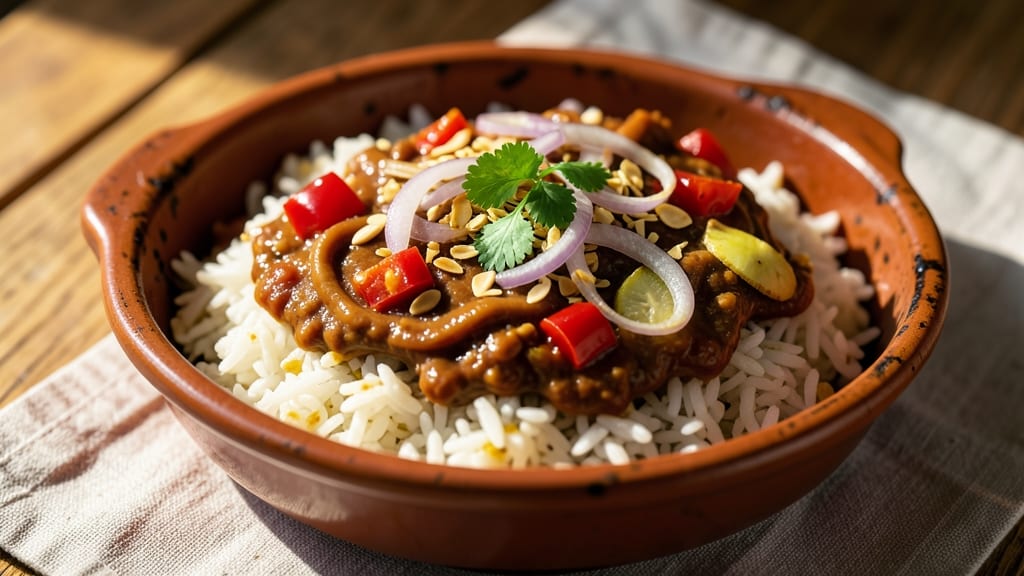
This Cameroonian jollof rice recipe delivers the rich, smoky depth of West African cuisine with every bite—where tomato paste, peanuts, and aromatic spices create a flavor profile that stands apart from its Nigerian cousin. 🌟 The secret lies in slow-cooking the rice in its own robust sauce until each grain absorbs layers of umami and earthy peanut notes, resulting in a dish that’s both hearty and deeply satisfying.
What sets this version apart is the careful balance of heat and richness—just enough chili to warm the palate without overpowering, and a peanut base that adds a nutty complexity most recipes omit.
Perfect for weeknight dinners or special occasions, this one-pot wonder transforms simple ingredients into a restaurant-quality centerpiece that pairs beautifully with grilled meats, fried plantains, or a fresh salad.
Ingredients for cameroonian jollof rice
These 15 ingredients bring West African warmth to your pot—smoky, nutty, and deeply satisfying.
| Ingredient | Amount | Notes |
|---|---|---|
| Long-Grain White Rice 🍚 | 1 ½ cups | Uncooked, jasmine or basmati preferred |
| Tomato Paste 🍅 | ½ cup | High-quality, no added sugar |
| Peanut Butter 🥜 | ¼ cup | Natural, unsweetened preferred |
| Fresh Red Bell Pepper 🧅 | 1 whole | Diced, any color works |
| Fresh Onion 🧅 | 1 whole | Medium, chopped finely |
| Fresh Ginger 🌿 | 2 tbsp | Finely grated, fresh preferred |
| Garlic Cloves 🧄 | 4 cloves | Peeled, minced finely |
| Dried Smoked Paprika 🌶️ | 1 tbsp | For smoky depth |
| Ground Cumin 🌿 | 1 tbsp | Toasted for warmth |
| Dried Thyme 🌿 | 1 tsp | Or 0.25 cup fresh |
| Ground Nutmeg 🌿 | ½ tsp | Freshly grated preferred |
| Scotch Bonnet Chili Pepper 🌶️ | 1 whole | Seeds removed for mild heat |
| Vegetable Oil 🫒 | ½ cup | For sauteing |
| Chicken or Vegetable Broth 💧 | 1 ½ cups | Low-sodium preferred |
| Salt 🧂 | 1 ½ tsp | Adjust to taste |
The peanut butter is non-negotiable here—natural, unsweetened from Trader Joe's or Whole Foods gives the best depth. Look for smoked paprika with visible flecks of smoke for that signature Cameroon flavor. Fresh ginger and garlic should smell vibrant—no musty aromas. The Scotch bonnet is key for heat, but jalapeño or habanero works in a pinch. For the rice, jasmine or basmati absorbs the sauce better than long-grain white, though it's not a dealbreaker.
No peanut butter? Peanut powder at double the amount works, but texture will differ. Short on smoked paprika? Liquid smoke at 0.5 tsp adds depth instantly. The tomato paste can be San Marzano crushed tomatoes if you're out—just reduce by half first. For extra richness, stir in 2 tbsp coconut milk at the end. The bell pepper and onion can be swapped for frozen mixed vegetables if needed, but fresh is ideal for that bright acidity.
This dish tastes even better the next day—3-4 days in the fridge, 3 months frozen. Store in an airtight container with a lid pressed tight to keep the sauce from drying. For reheating, add 1-2 tbsp broth to restore moisture. I always make a double batch—one for dinner, one for leftovers that turn into fried rice the next day.
Why You'll Love This Recipe
- Pantry-Friendly Magic: I swear by this recipe on days I forget to grocery shop. That jar of tomato paste and peanut butter? Already in my cupboard. The onions and bell peppers? I grab whatever’s left in the fridge. No last-minute runs—just stir, simmer, and boom, dinner’s saved.
- Peanut Butter’s Secret Weapon: Here’s what sold me—the peanut butter. Yes, really. It deepens the sauce into something rich and nutty, balancing the tomato’s acidity like a pro. That crispy edge on the rice? Pure satisfaction, every single bite.
- Potluck Proven: Between us, this is my go-to for gatherings. It reheats beautifully, so I can prep ahead and focus on chatting instead of cooking. Plus, the peanut butter gives it that je ne sais quoi that makes people ask, "What’s in this?" (Now they know.)
- Budget Meal Reinvented: I make this for $3 a serving—no joke. The peanut butter stretches the flavors, the rice fills everyone up, and the leftovers? Just as good the next day. My wallet and my family’s taste buds win every time.
Step-by-step instructions for Cameroon's signature jollof rice
Master this West African classic with its signature peanut-infused depth and smoky tomato base.
🍳 Step 1: Build the Flavor Base with Aromatics
Heat the 0.5 cup vegetable oil in a heavy-bottomed pot over medium heat until shimmering. Add the 1 whole chopped onion and 1 whole diced red bell pepper, cooking for 5-6 minutes until softened and golden. The onions should caramelize slightly—this builds sweetness that balances the heat.
Add the 2 tbsp finely grated fresh ginger and 4 minced garlic cloves, stirring for 1 minute until fragrant. Here's the thing—don't rush this step. The aromatics should sizzle and release their oils before moving forward. If they stick, reduce heat slightly and scrape up any browned bits from the bottom.
🍳 Step 2: Develop the Peanut-Tomato Sauce
Stir in the 0.5 cup tomato paste, spreading it evenly over the bottom of the pot to prevent burning. Cook for 3-4 minutes until it darkens slightly and releases its rich, concentrated flavor. Add the 0.25 cup peanut butter, stirring vigorously until completely melted and smooth.
Now add the 1 tbsp dried smoked paprika, 1 tbsp ground cumin, 1 tsp dried thyme, 0.5 tsp ground nutmeg, and 1.5 tsp salt. The peanut butter will give the sauce its signature creamy texture while the spices create that unmistakable West African warmth. Cook for 2 minutes to toast the spices and deepen their flavors.
🔥 Step 3: Add Heat and Liquid for Depth
Remove the seeds from the 1 whole scotch bonnet chili pepper (for mild heat) and add it to the pot. Pour in the 1.5 cups chicken or vegetable broth, scraping up any browned bits from the bottom. Bring to a gentle simmer and cook for 8-10 minutes until the sauce thickens slightly and the flavors meld together.
This is where the magic happens—the peanut butter and tomato paste blend into a cohesive sauce with layers of smoky, spicy, and nutty flavors. Taste and adjust seasoning if needed, adding more salt or a pinch of nutmeg if desired. The sauce should coat the back of a spoon but still be pourable.
🥘 Step 4: Cook the Perfect Rice
Rinse the 1.5 cups long-grain white rice under cold water until the water runs clear, then drain well. Add the rice to the pot and stir gently to coat each grain with the flavorful sauce. Bring to a boil, then immediately reduce heat to low, cover tightly with a lid, and simmer for 20 minutes.
After 20 minutes, check the rice. It should be tender but still have a slight bite. If the bottom starts to stick, gently stir and add 2-3 tablespoons of water to the pot. The key is maintaining even heat and moisture—don't peek too often or you'll disrupt the cooking process.
⏰ Step 5: Rest and Serve
Once the rice is tender and the liquid is absorbed, remove from heat and let it rest covered for 10 minutes. This resting period allows the rice to steam and develop its final texture. Fluff gently with a fork, then serve immediately with grilled chicken, fried plantains, or a simple green salad.
For the best results, serve the jollof rice straight from the pot—it's even more flavorful when hot. The peanut butter adds a rich creaminess, while the tomato and spices create that signature tangy, smoky profile that makes this dish so beloved across Cameroon and beyond.
Pro Tips For Making Cameroonian Jollof Rice
- BLISTER THE PEANUT BUTTER: Cameroonian jollof needs that nutty depth, so don’t just stir in peanut butter like it’s a sauce. Heat it in the pot with the onions until it darkens slightly—about 3-4 minutes on medium. I learned this the hard way when my first batch tasted bland; the raw peanut flavor was too strong.
- TOAST THE TOMATO PASTE: Skip the watery paste straight from the tube. Spread that tomato paste in a thin layer on your pot’s bottom and let it caramelize for 5 minutes before adding liquids. This isn’t just for color—it builds flavor. (Yes, even if you’re impatient like me.)
- USE HALF THE WATER: Most recipes overcompensate. Measure your rice first, then use just 1.5 cups of liquid per cup of rice—Cameroonian jollof relies on steam and peanut oil, not drowning. If it looks dry at the end, add a splash of broth later, not upfront.
- SAVE THE ONION SKINS: Don’t toss those papery onion skins—they’re gold for color. After chopping your onions, save the skins in a small bowl, then sprinkle them over the rice near the end. They’ll infuse the pot with that signature reddish-brown hue without extra work. (Your future self will thank you.)
Troubleshooting great cameroonian jollof rice
Sauce Too Thin?
If your sauce separates or looks too watery after simmering, reduce the heat to low and let it cook uncovered for 5-7 minutes. Stir occasionally to evaporate excess moisture.
For extra thickness, mix 1 tbsp cornstarch with 2 tbsp cold water, stir into the sauce, and simmer for 2 more minutes.
The peanut butter should naturally thicken the sauce—if it doesn't, you may need to adjust the ratio next time (try 3 tbsp peanut butter instead of ¼ cup). 🔥
Rice Too Dry?
Undercooked rice often leads to dryness. First, check your liquid-to-rice ratio—this recipe assumes 1.5 cups broth for 1.5 cups rice. If the rice sticks to the pot, add 2-3 tbsp hot broth and cover for 5 more minutes.
For future attempts, try 1 cup broth instead of 1.5 cups—Cameroonian jollof rice is typically cooked with less liquid than traditional versions. The peanut butter helps retain moisture, but don’t overcook!
Burnt Tomato Paste?
Tomato paste burns easily if not spread evenly. Always coat the bottom of the pot with oil first, then spread the paste thinly in a single layer before cooking. If it darkens too quickly, reduce heat to medium-low and stir constantly.
For a smoother sauce, blend ½ cup San Marzano crushed tomatoes with the paste before adding—this prevents clumping and burning. A splash of broth can also help mellow the flavor if it tastes bitter. 🍅
Peanut Butter Separating?
Peanut butter can split if added too quickly or over high heat. First, melt it slowly over low heat while stirring continuously. If it still separates, whisk in 1 tbsp hot broth to emulsify. For a smoother texture, use creamy peanut butter (like Smucker’s Natural) instead of chunky.
If all else fails, blend the sauce briefly with an immersion blender—just be gentle to avoid breaking the rice later.
Mild or Bland Flavor?
Cameroonian jollof rice relies on layered spices, so taste as you go! If it’s bland, boost heat with ½ tsp cayenne or extra Scotch bonnet. For depth, add 1 tsp fish sauce (common in West African cooking) or 1 tbsp palm oil (if available).
Toast your spices longer—cumin and thyme should sizzle for 30 seconds to release their oils. A pinch of black pepper at the end also brightens the dish. 🌶️
Rice Not Absorbing Sauce?
This usually means the rice wasn’t coated well or the heat was too high. Before adding rice, stir the sauce vigorously to ensure every grain gets covered. If the sauce pools at the bottom, gently fold the rice into the sauce instead of stirring.
For extra absorption, try parboiled rice (like Uncle Ben’s Converted)—it holds up better to long simmering. If all else fails, serve the rice with the sauce on the side for dipping! 🥄
Nutrition facts
Frequently asked questions
What makes Cameroon's jollof rice different from Nigerian jollof?
The peanut butter is the game-changer! Cameroon's version incorporates ground peanuts or peanut butter into the sauce, creating a nutty depth that's absent in most Nigerian recipes. It also tends to be slightly smokier thanks to more smoked paprika, and the heat level is often milder—using Scotch bonnet with seeds removed rather than whole.
Can I make this recipe without peanut butter?
Yes, but the flavor will differ. Use 3 tablespoons peanut powder (available in African markets or online) or 2 tablespoons tahini for a similar earthy note. For a completely nut-free version, replace with 1 tablespoon coconut milk powder> mixed with 1 tablespoon olive oil>, though the texture won't be identical.
How do I adjust the heat level for picky eaters?
Remove all seeds from the Scotch bonnet and reduce to ½ pepper>. For extra mildness, blend the pepper with the sauce and strain, or omit it entirely—add ¼ teaspoon cayenne> later if you want subtle heat. The peanut butter and tomato base already provide rich flavor without needing spice.
What's the best way to reheat leftovers?
Add 2-3 tablespoons broth> per cup of rice and cover tightly. Heat on low> in a pot for 5-7 minutes>, stirring once. For microwave reheating, sprinkle 1 teaspoon water> over the rice, cover with a damp paper towel, and microwave for 2 minutes> on high. This prevents drying out.
Can I use instant rice for this recipe?
Not recommended—it absorbs liquid too quickly and won't develop the signature texture. For a shortcut, use pre-cooked rice> (like Uncle Ben's Converted) and simmer with the sauce for 10-12 minutes>, adding broth as needed. The peanut butter helps maintain moisture, but the flavor won't be as authentic as with fresh rice.