
Main Courses
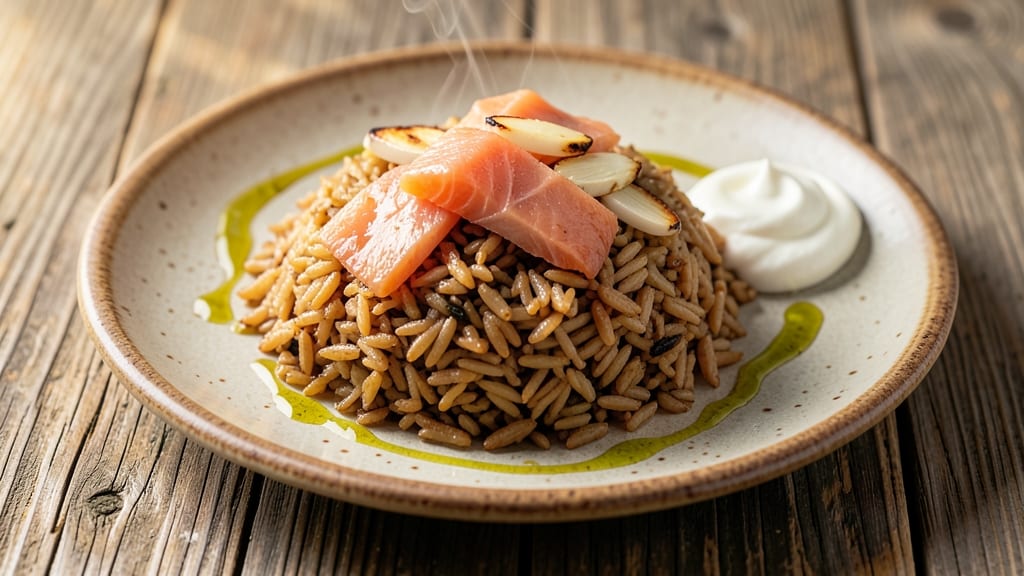
This creamy lemon garlic canned pink salmon and rice recipe transforms simple pantry staples into a restaurant-worthy meal in under 30 minutes. The secret lies in flaking the salmon perfectly and infusing the rice with bright citrus and aromatic garlic, creating a dish that’s both comforting and elegant.
I developed this recipe during a busy week when I needed a protein-packed dinner that required minimal effort but delivered maximum flavor.
The beauty of this one-pan method is its versatility—whether you're serving it for a weeknight family dinner or a quick lunch, the creamy lemon garlic sauce ties everything together beautifully. Brown rice adds a satisfying texture, while the salmon flakes effortlessly into tender, flavorful bites.
The dish is naturally pescatarian-friendly, making it perfect for those looking to incorporate more seafood into their meals without sacrificing taste or simplicity.
By the time you finish, you’ll have a dish that’s creamy, aromatic, and packed with protein—no fancy techniques required. The lemon brightens the rich salmon, while the garlic infuses the rice with depth, creating a harmonious balance of flavors.
This recipe proves that even canned salmon can be the star of the meal when prepared with care and the right seasonings.
Serve it as-is for a light yet satisfying meal, or add a sprinkle of sesame seeds and green onions for extra freshness. The leftovers reheat beautifully, making it an ideal solution for meal prep. Let’s get cooking!
Ingredients for canned pink salmon and rice
Simple pantry staples meet restaurant-worthy flavors in this one-pan salmon and rice dish.
| Ingredient | Amount | Notes |
|---|---|---|
| Canned Pink Salmon 🐟 | 2 cans | High-quality, drained and flaked |
| Long-Grain Brown Rice 🍚 | 1 cup | Uncooked, rinsed well |
| Extra-Virgin Olive Oil 🫒 | ¼ cup | For cooking and finishing |
| Garlic Cloves 🧄 | 4 cloves | Freshly minced, aromatic |
| Fresh Lemon Juice 🍋 | ⅓ cup | Freshly squeezed, bright |
| Heavy Cream 🥛 | ½ cup | Full-fat for creaminess |
| Chicken or Vegetable Broth 💧 | 1 cup | Low-sodium preferred |
| Dijon Mustard 🍯 | 1 tbsp | For depth of flavor |
| Fresh Dill 🌿 | ¼ cup | Chopped, bright flavor |
| Salt 🧂 | 1 ½ tsp | Diamond Crystal kosher |
| Black Pepper 🌶️ | ½ tsp | Freshly cracked |
| Sesame Seeds 🌰 | 1 tbsp | Toasted for garnish |
| Green Onions 🧅 | 3 whole | Sliced, for garnish |
| Lemon Zest 🍋 | 1 tsp | From 1 lemon, for brightness |
The salmon makes this dish shine, so grab high-quality canned pink salmon—brands like Wild Planet or Vital Choice are my go-tos. Look for cans with no added fillers or preservatives; they flake better and taste fresher. Fresh dill is a game-changer here, but if you're short on time, dried dill at one-third the amount works in a pinch. The brown rice? Lundberg or Uncle Ben's are reliable, but any long-grain brown rice will do. Rinse it well before cooking to remove excess starch—trust me, it makes a difference.
No heavy cream? Greek yogurt or coconut milk adds creaminess without overpowering the salmon. Fresh lemon juice is non-negotiable for brightness, but if you're out, bottled lemon juice with a pinch of sugar gets you close. The garlic should be freshly minced—jarred garlic lacks the depth. For extra richness, swap half the broth for white wine or fish stock. And if you can't find Dijon mustard, yellow mustard in a pinch, though the flavor won't be as refined. The sesame seeds and green onions are just for garnish, but they add that restaurant-worthy touch.
This dish reheats beautifully—just add a splash of water or broth to keep it moist. Keeps in the fridge for 4-5 days, though I rarely let it last that long. For meal prep, portion into containers with the sauce and rice layered separately so the salmon stays flaky. Freezes for 3 months if you want to make a big batch. The lemon zest and fresh dill are best added fresh after reheating, so save those until serving time.
Why You'll Love This Recipe
- One-Pan Magic: I love that this dish lives in one skillet—no extra pots, no cleanup chaos. Just toss the rice in oil, toast it until golden, and let it build flavor while you flake the salmon and add the broth. The only real work is mincing those garlic cloves, but honestly, that’s worth it for the aroma alone.
- Lemon-Garlic Kick: The bright lemon juice and Dijon mustard cut through the richness of the salmon and cream, making every bite balanced. That ¼ cup of fresh dill at the end? Game-changer. It’s the kind of dish where you take your first forkful and think, Why didn’t I make this sooner?
- Meal-Prep Hero: This is the kind of recipe that thrives when you double it. I’ll make two batches on Sunday, and by Wednesday, I’ve already eaten it for lunch, dinner, and even a quick workday meal. The sauce gets richer over time, so leftovers? Even better than the first serving.
- Budget-Friendly Luxe: Canned pink salmon is cheaper than fresh, and brown rice stretches it even further. Yet it tastes like a restaurant dish—creamy, herby, and just a little fancy. My secret weapon for nights when I want to feel pampered without breaking the bank.
Step-by-step instructions for creamy lemon garlic salmon rice
This one-pan method brings together rich salmon, nutty brown rice, and bright citrus for a dish that's effortless yet restaurant-worthy.
Toast the Rice and Build the Flavor Base
Heat the ¼ cup extra-virgin olive oil in a large, deep skillet over medium heat. Add the 1 cup long-grain brown rice and toast for 3-4 minutes, stirring constantly, until the grains turn a light golden color and you can smell the nutty aroma. This step develops deeper flavor in the rice.
Push the rice to one side of the pan and add the 4 minced garlic cloves. Sauté for 30 seconds until fragrant but not browned—garlic burns quickly, so watch closely. Stir the garlic into the rice, then sprinkle with 1 tsp lemon zest and ½ tsp black pepper. This citrusy, peppery foundation will infuse the entire dish.
Cook the Salmon and Combine with Rice
Drain and flake the 2 cans canned pink salmon into the skillet, breaking it into small, even pieces with your fingers. Stir gently to distribute the salmon throughout the rice. Pour in the 1 cup chicken or vegetable broth and bring to a gentle simmer. Cover and cook for 25 minutes on low heat, or until the rice has absorbed most of the liquid and is tender but still slightly firm to the bite.
Here's the thing—don't peek or stir during cooking. The rice needs to steam evenly, and disturbing it can create uneven texture. If the top looks dry before the rice is fully cooked, add 1-2 tablespoons of water and cover again. The rice should finish with a slight bite, as it'll soften further when mixed with the cream.
Create the Creamy Lemon Sauce
Once the rice is cooked, remove the skillet from heat and let it sit for 2 minutes. Stir in the ½ cup heavy cream, ⅓ cup fresh lemon juice, 1 tbsp Dijon mustard, and the remaining 1½ tsp salt. The mixture will look loose and saucy—this is normal. Return the skillet to low heat and simmer gently for 3-4 minutes, stirring constantly, until the sauce thickens slightly and coats the rice.
This is where the magic happens: the lemon brightens the rich salmon and rice, while the mustard adds depth. Taste and adjust seasoning—you might need a pinch more salt to balance the acidity. If the sauce is too thick, add 1-2 tablespoons of water to reach your desired creaminess. The final texture should be velvety with just enough body to cling to each grain of rice.
Finish with Fresh Herbs and Garnish
Remove the skillet from heat and stir in the ¼ cup chopped fresh dill. The herb's bright, slightly peppery flavor cuts through the richness of the cream and salmon. Let the dish sit for 5 minutes to allow the flavors to meld together—this resting period makes a noticeable difference in how cohesive everything tastes.
Garnish each serving with 1 tablespoon toasted sesame seeds and 3 sliced green onions. The sesame adds a nutty crunch, while the green onions provide a fresh, crisp contrast. Serve immediately while the rice is warm and the sauce is still silky. The dish holds well for 30 minutes if needed, but the texture is best straight from the pan.
Pro Tips For Making Canned Pink Salmon And Rice
- Toast Rice Until Golden: I used to rush this step and end up with bland, underdeveloped rice. Those 3-4 minutes of constant stirring over medium heat until the grains turn light golden and smell nutty? That’s where the flavor actually starts. Skip this, and you’re just eating steamed rice with salmon on top.
- Flake Salmon Evenly: Break the salmon into small, even pieces with your fingers—no giant chunks hiding in the mix. Uneven flaking means uneven texture in your dish, and nobody wants a mouthful of rubbery salmon while the rest is perfect. Take the extra 30 seconds to do it right.
- Resist the Peek: I know, I know—you’re dying to check if the rice is done. But peeking and stirring during those 25 minutes of simmering disrupts the steam and leads to uneven cooking. Trust the process: cover that pan and let it work. If it looks dry, add water, but don’t lift that lid unless you’re ready to commit.
- Toast Sesame Seeds First: Dry-toast the sesame seeds in the same skillet over low heat for 1-2 minutes before sprinkling them on top. This gives them that deep, nutty aroma instead of just a bland garnish. (Yes, it’s an extra step, but your dish will taste like it came from a restaurant.)
Troubleshooting perfect results
Rice Too Dry?
If your brown rice absorbs all the broth too quickly and comes out dry, you’ve likely stirred it too much during cooking. After adding the broth, cover the skillet tightly and resist the urge to peek or stir for the full 25 minutes.
If the top looks dry before that time, add 1-2 tablespoons of water and cover again—just don’t lift the lid until the rice is done. This ensures even steaming without overcooking. 💡
Salmon Flakes Too Large
Canned pink salmon flakes unevenly if you don’t break it up properly with your fingers. After draining, gently press the salmon against the side of the can to loosen it, then flake it into pearl-sized pieces in the skillet.
If some chunks remain, use a fork to chop them further—this ensures even cooking and a silky texture. Honestly, this step makes the biggest difference in texture!
Sauce Too Thin or Thick
The sauce consistency depends on how long you simmer it after adding the heavy cream. For a velvety finish, simmer for 3-4 minutes while stirring constantly. If it’s too thin, reduce heat slightly and let it thicken naturally.
If it’s too thick, add 1-2 tablespoons of water or broth to loosen it. Taste as you go—this is where the magic happens!
Rice Undercooked or Mushy
Brown rice needs 25 minutes of undisturbed cooking to reach the right texture—neither too firm nor mushy. If it’s undercooked, cover it again and cook for an additional 5-10 minutes on low heat.
If it’s mushy, you likely added too much liquid or stirred too much. Next time, measure the broth carefully and avoid peeking during cooking. Look, this is where patience pays off!
Salmon Tastes Bland
If your salmon lacks flavor, it’s often because the seasoning wasn’t fully infused. After adding the salmon, stir it gently into the rice and let it cook for the full 25 minutes to absorb the garlic, lemon zest, and broth flavors.
For extra brightness, add an extra ½ tsp lemon zest or a splash of fresh lemon juice at the end. This small tweak transforms the dish!
Nutrition facts
Frequently asked questions
Why does this recipe call for toasting the brown rice?
Toasting the rice in extra-virgin olive oil for 3-4 minutes unlocks its natural nutty flavor and enhances the aroma. This simple step transforms bland rice into a flavorful base that perfectly complements the creamy salmon and bright citrus. It’s a game-changer for elevating the dish!
Can I use white rice instead of brown rice?
White rice works perfectly—just reduce the cooking time to 15-20 minutes instead of 25 minutes since it cooks faster. The texture will be creamier, but the garlic and lemon flavors will still shine through beautifully.
How do I prevent the salmon from breaking apart too much?
Gently flake the salmon into pearl-sized pieces using your fingers after draining. Avoid over-stirring once it’s in the skillet—just stir it in lightly to distribute. This keeps the texture tender and prevents it from turning into a mushy mess.
What if I don’t have fresh dill?
Use dried dill at one-third the amount (e.g., 1 tablespoon instead of ¼ cup) or swap it for fresh parsley or cilantro for a different but still bright flavor. The dish will still taste delicious!
Can I make this recipe ahead of time?
Yes! The dish keeps well in the fridge for 4-5 days and freezes beautifully for 3 months. For best results, store the sauce and rice separately, then reheat gently and mix before serving. The flavors actually deepen over time!