
Main Courses
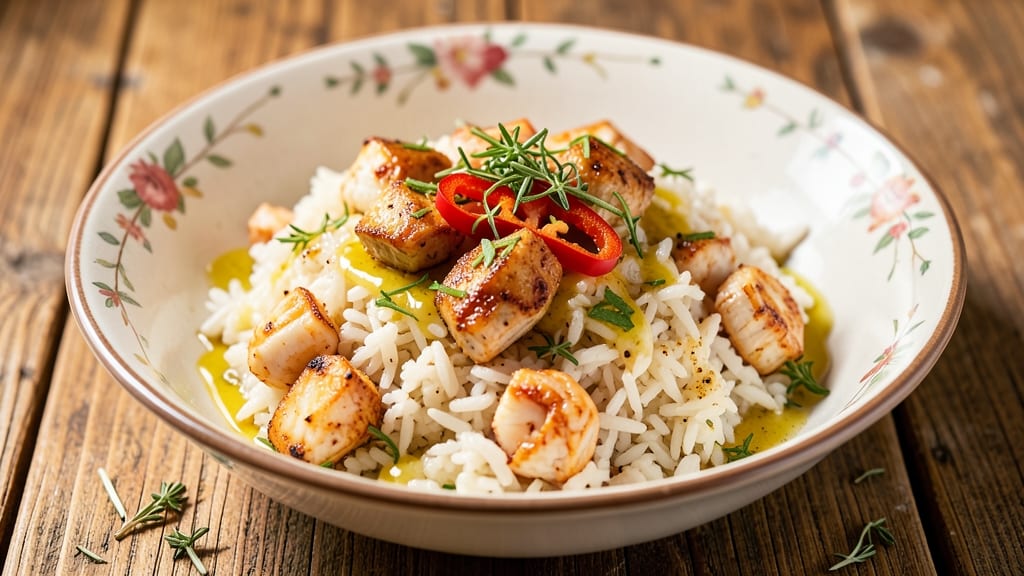
This Caribbean crab rice recipe transforms simple ingredients into a vibrant, one-pan dish bursting with lime zest, fresh herbs, and tender crab. The secret lies in balancing bright citrus with aromatic thyme and scotch bonnet, creating a flavor profile that feels both bold and refined.
Perfect for pescatarian meals, this recipe delivers restaurant-quality results without requiring advanced techniques—just a single pot and 45 minutes of hands-on time.
The magic happens when the rice absorbs the crab-infused broth, yielding fluffy grains coated in a delicate sauce that’s tangy, slightly sweet, and packed with umami. Fresh cilantro and lime add a final bright note, ensuring every bite is fresh and vibrant.
Whether served as a main course or paired with coleslaw and fried plantains, this dish brings the essence of Caribbean coastal cuisine to your table.
Ingredients for caribbean crab rice
Fresh crab, bright citrus, and aromatic herbs—just eight ingredients transform into Caribbean-inspired crab rice.
| Ingredient | Amount | Notes |
|---|---|---|
| Long-Grain White Rice 🍚 | 1 ½ cups | Uncooked, rinsed well |
| Lump Crab Meat 🦀 | 1 ½ lbs | Fresh or high-quality canned |
| Scotch Bonnet Peppers 🌶️ | 2 whole | Seeds removed for mild heat |
| Fresh Lime Juice 🍋 | ½ cup | Freshly squeezed |
| Lime Zest 🍋 | 1 tbsp | Finely grated |
| Fresh Thyme Leaves 🌿 | ¼ cup | Chopped, stems removed |
| Fresh Cilantro Leaves 🌿 | ¼ cup | Chopped, stems removed |
| Yellow Onion 🧅 | 1 whole | Diced, medium size |
| Garlic Cloves 🧄 | 4 cloves | Minced, fresh preferred |
| Vegetable Oil 🫒 | 2 tbsp | Neutral flavor, high smoke point |
| Chicken or Vegetable Stock 💧 | 2 cups | Low-sodium preferred |
| Tomato Paste 🍅 | 1 tbsp | Smooth, not chunky |
| Salt 🧂 | 1 ½ tsp | Adjust to taste |
| Black Pepper 🌶️ | ½ tsp | Freshly ground |
| Fresh Cilantro Leaves 🌿 | 0.1 cup | For garnish, extra |
The crab is the star, so prioritize quality. Fresh lump crab from a trusted seafood market—like Whole Foods or local fishmongers—has the best texture and sweetness. If using canned, opt for high-end brands like Wild Alaska or Safcol, and drain it well. The scotch bonnet peppers are non-negotiable for that signature Caribbean heat; Trader Joe's or Latin markets usually carry them. For the lime, grab organic Mexican limes if available—they're more flavorful than the standard grocery store variety. Fresh herbs are crucial too; thyme and cilantro should be bright green with no wilting.
No scotch bonnet? Habanero or serrano peppers work in a pinch, but reduce the amount by half to avoid overpowering the dish. Fresh lime juice can be swapped for key lime juice or bottled lime juice, though fresh is ideal. If you're short on time, dried thyme at one-third the amount will do, but fresh delivers that authentic aroma. For the rice, jasmine or basmati can replace long-grain white, though the texture will differ slightly. And if you can't find lump crab, claw meat or even high-quality imitation crab will work, though texture will vary.
This dish reheats beautifully—just add a splash of water or stock to keep it moist. Store leftovers in an airtight container for up to 3 days in the fridge, though it's best enjoyed fresh. For meal prep, cook the rice and broth separately, then combine just before serving to maintain texture. The crab and herbs can be prepped ahead, stored in the fridge for 2 days, and added fresh when cooking. Garnish with extra cilantro and lime zest right before serving to keep everything vibrant.
Why You'll Love This Recipe
- One-Pot Magic: I swear by this recipe when I’m too tired to wash pots—just rice, crab, and peppers in one skillet, simmered until the lime zest clings to every grain. No straining, no fuss, just flavor that sticks.
- Bright & Tangy Bite: That Scotch bonnet isn’t just heat—it’s the zesty backbone that cuts through the richness of the crab. A squeeze of fresh lime juice at the end? Pure satisfaction, like sunshine in every forkful.
- Weeknight to Weekend: Between us, this is my go-to for lazy Mondays and Sunday brunches. The rice soaks up all the juices, so leftovers taste just as good cold in a lunchbox as they do fresh off the stove.
- Crab Without the Splurge: Honestly, I use frozen lump crab here—same creamy texture, half the price. The lime zest and peppers make it feel special, so you’d never guess it’s not the priciest seafood. Budget-friendly luxury? Yes, please.
Step-by-step instructions for Caribbean crab rice
This vibrant one-pan dish delivers restaurant-quality flavors with minimal effort.
Sauté Aromatics Until Fragrant
Heat the 2 tablespoons vegetable oil in a large, heavy-bottomed skillet over medium heat. Add the diced yellow onion and cook for 4-5 minutes until softened and translucent. The onions should release their sweet aroma and begin to caramelize slightly at the edges.
Add the 4 minced garlic cloves and cook for 30 seconds until fragrant—don't let them brown, or they'll turn bitter. Stir in the 1 tablespoon tomato paste and cook for 1 minute until it darkens slightly. This base forms the flavor foundation for the entire dish, so take your time here to develop those rich, savory notes.
Build the Herb and Lime Base
Reduce heat to medium-low and add the 2 whole Scotch bonnet peppers (seeds removed) cut into strips, 0.25 cup chopped fresh thyme leaves, and 0.25 cup chopped fresh cilantro leaves. Cook for 2 minutes until the peppers soften slightly and release their bright, citrusy heat. This step infuses the oil with their vibrant flavors.
Pour in the 0.5 cup fresh lime juice and 1 tablespoon lime zest, stirring constantly. The lime will brighten the flavors and prevent the dish from becoming too heavy. Let this mixture simmer for 1 minute until the lime juice reduces slightly and the aromatics meld together. You should notice the citrus aroma intensifying—this is when the dish starts coming together.
Toast the Rice and Add Crab
Add the 1.5 cups long-grain white rice and stir to coat it evenly in the aromatic oil and lime mixture. Toast the rice for 2-3 minutes until it becomes translucent at the edges and slightly fragrant. This step is crucial—it prevents the rice from becoming mushy and adds a nutty depth to the final dish.
Push the rice to one side of the pan and add the 1.5 pounds lump crab meat to the empty space. Let it sear slightly for 1-2 minutes until it turns opaque. Then, gently stir the crab into the rice, breaking up any large lumps with a wooden spoon. The crab should be evenly distributed throughout the rice mixture.
Simmer with Stock and Season
Pour in the 2 cups chicken or vegetable stock and bring the mixture to a gentle boil. Immediately reduce heat to low and cover the skillet with a tight-fitting lid. Let it simmer for 18-20 minutes without disturbing it. This low-and-slow cooking method allows the rice to absorb the liquid evenly and develop its signature fluffy texture.
After 18 minutes, check the rice—it should be tender but still have a slight bite. If it needs more time, cover and cook for 2-3 more minutes. The dish should have a rich, fragrant aroma with hints of lime and thyme. The crab should be fully cooked and flaky, with no hint of rawness when tested with a fork.
Rest and Garnish
Remove the skillet from heat and let it rest, covered, for 5 minutes. This resting period allows the flavors to meld and the rice to finish absorbing any remaining liquid. It also prevents the crab from overcooking or becoming rubbery.
Garnish with the 0.1 cup fresh cilantro leaves and serve immediately. The dish should be vibrant and aromatic, with tender rice, flaky crab, and a bright, citrusy sauce. Each bite should deliver a perfect balance of sweet, spicy, and tangy flavors. Serve with warm crusty bread or a simple green salad to complement the rich crab rice.
Pro Tips For Making Caribbean Crab Rice
- Toast the Rice First: Heat your long-grain rice in a dry pan for 2-3 minutes until it smells nutty and the edges turn translucent. This step prevents mushy rice later—trust me, I’ve ruined batches skipping it.
- Handle Scotch Bonnets Like Fire: Wear gloves when chopping and seed those peppers, then toast the whole pepper in oil for 30 seconds before blending. Raw bonnets burn the sauce; toasting mellows the heat and deepens the flavor.
- Don’t Overmix the Crab: Stir the crab meat into the rice just before serving—gentle folds keep it tender. I used to rough it up for even distribution, but that turns it rubbery. Add it last, like a crown.
- Save the Lime Zest: Grate the zest fresh and mix it with the lime juice after cooking. The zest burns easily in hot oil, but a bright finish on top makes the dish sing—no one notices if you skip it, but they’ll taste the difference.
Make-ahead tips for this recipe
Prep Ahead Components
Chop all your aromatics—onion, garlic, thyme, and cilantro—and store them in airtight containers in the fridge for up to 2 days. The lime zest and juice can be prepped separately and kept in a small sealed container.
This saves you 15 minutes of prep time on cooking day. 🌿
For the crab, if using fresh, purchase it 1-2 days ahead and store it in the fridge in its shell until ready to use. If using canned, open the cans and drain the liquid, then store the crab in an airtight container with a paper towel to absorb excess moisture.
This keeps it fresh and ready to add straight to the pan.
Cooking in Stages
Prepare the rice and stock mixture separately if you're short on time. Cook the rice in a separate pot with stock until just tender (12-14 minutes), then drain and set aside.
Meanwhile, sauté your aromatics and crab in the same skillet. When ready to serve, combine the cooked rice with the crab mixture and reheat gently for 2-3 minutes to meld the flavors.
This method ensures your rice stays fluffy and prevents it from becoming soggy. It also allows you to adjust the heat level of the scotch bonnet peppers based on your preference—add them fresh when reheating if you want a stronger kick. ✨
Storage and Reheating
Store leftovers in an airtight container in the refrigerator for up to 3 days. When reheating, add 1-2 tablespoons of water or stock to the pan and cover with a lid.
Heat over low heat for 5-7 minutes to restore moisture and warmth. Stir gently to avoid breaking up the crab pieces.
For a quick meal prep hack, cook the rice and broth separately, then combine them just before serving. This keeps the texture perfect and allows you to customize the heat level by adding fresh scotch bonnet peppers or extra lime juice when reheating. 🔥
Freezing for Later
This dish freezes beautifully for up to 2 months. Let it cool completely, then transfer it to a freezer-safe container, leaving 1 inch of headspace for expansion. Thaw overnight in the fridge, then reheat gently on the stovetop with a splash of water or stock to restore moisture.
Freezing works best if you omit the fresh cilantro and lime zest until reheating, as these can become watery or lose their vibrancy. Instead, add them fresh when serving to keep the dish bright and flavorful. ❄️
Nutrition facts
Frequently asked questions
Can I use frozen crab instead of fresh?
Yes, but thaw it completely before using. Place frozen crab in the refrigerator overnight or use the quick thaw method in cold water (never microwave). Drain and pat dry thoroughly to prevent excess moisture from making the rice soggy. Fresh lump crab delivers the best texture, but high-quality frozen crab works well too.
What if I can't find scotch bonnet peppers?
Use habanero or serrano peppers as substitutes, but reduce the amount by half to avoid overpowering heat. For milder flavor, try a blend of red bell pepper and a pinch of cayenne powder. The key is balancing the dish's bright citrus notes with just enough spice—start with less and adjust to taste.
How do I prevent the rice from becoming mushy?
Toast the rice in the aromatic oil for 2-3 minutes before adding liquid, and use a tight-fitting lid while simmering. Avoid lifting the lid during cooking to maintain consistent heat. The rice-to-liquid ratio (1.5 cups rice to 2 cups stock) is perfect for fluffy results—never stir while cooking to prevent breaking the grains.
Can I make this dish in a rice cooker?
Sauté all aromatics and crab in a separate pan first, then transfer everything to the rice cooker. Use the same rice-to-liquid ratio (1:1) and cook as usual. The rice cooker maintains even heat, which helps prevent soggy rice. Just add fresh herbs and lime zest at the very end before serving.
What are the best sides to serve with this?
Classic pairings include crispy fried plantains, cool coleslaw, or a simple green salad with lime vinaigrette. For extra Caribbean flair, serve with warm breadfruit or a refreshing coconut milk drink. The bright acidity of the crab rice pairs beautifully with creamy sides to balance the flavors.