
Main Courses
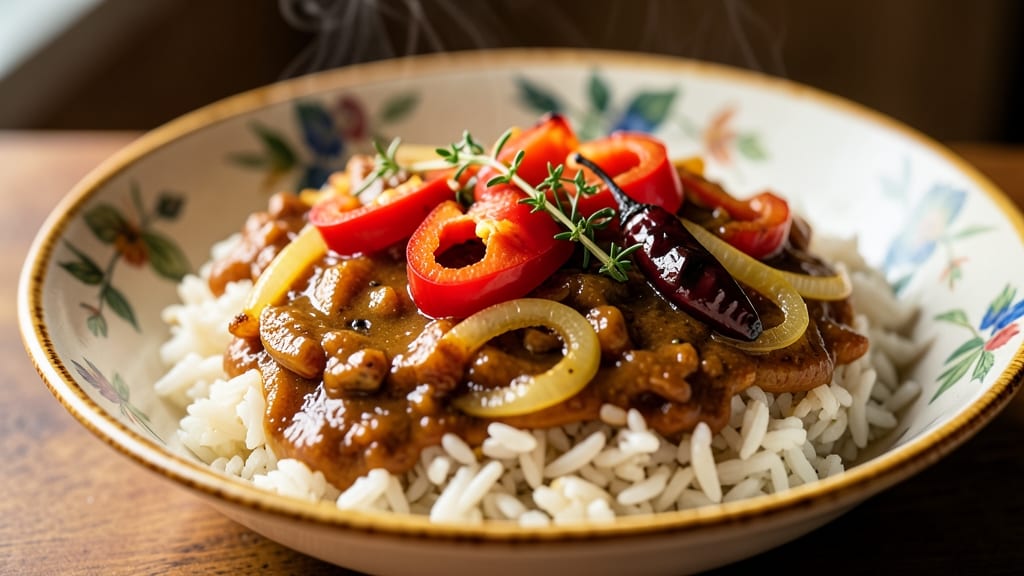
This Caribbean seasoned rice recipe transforms simple grains into a fragrant, spice-infused side that pairs perfectly with jerk chicken or grilled fish. The secret lies in sautéing garlic, thyme, and bell peppers until aromatic, then simmering the rice in a rich tomato-based broth until tender and infused with bold flavors.
Every bite delivers a balance of smoky, earthy, and slightly sweet notes that elevate any meal.
The result is fluffy yet slightly firm rice with vibrant color and layers of flavor—no bland grains here. Whether you prefer the deep red hue of tomato-based rice or the golden yellow of turmeric-infused versions, this method ensures restaurant-quality texture and depth.
Ready in under 45 minutes, it’s the perfect way to add Caribbean flair to your table without extra effort.
Ingredients for caribbean seasoned rice
Fifteen ingredients blending Caribbean warmth into simple rice for vibrant, restaurant-style flavor.
| Ingredient | Amount | Notes |
|---|---|---|
| Long-Grain White Rice 🌾 | 1 ½ cups | Uncooked, preferably jasmine or basmati |
| Tomato Paste 🍅 | ¼ cup | High-quality, no added salt |
| Yellow Onion 🧅 | 1 whole | Medium-sized, finely diced |
| Garlic Cloves 🧄 | 4 cloves | Fresh, minced for aroma |
| Fresh Thyme 🌿 | ¼ cup | Leaves only, finely chopped |
| Red Bell Pepper 🌶️ | 1 whole | Medium, diced for sweetness |
| Scotch Bonnet Pepper 🔥 | 1 whole | Seeded, finely chopped (adjust for heat) |
| Vegetable Oil 🫒 | 2 tbsp | Neutral, high smoke point |
| Chicken Broth 💧 | 2 cups | Low-sodium, homemade preferred |
| Ground Allspice 🌶️ | ½ tsp | Freshly ground for warmth |
| Ground Cinnamon 🌿 | ¼ tsp | Pure, no added fillers |
| Salt 🧂 | 1 ½ tsp | Diamond Crystal kosher salt |
| Black Pepper 🌶️ | ½ tsp | Freshly cracked for depth |
| Fresh Cilantro 🌿 | ¼ cup | Chopped, for garnish (optional) |
| Lime 🍋 | 1 whole | Juiced, for brightness |
The rice and tomato paste form the flavor foundation—jasmine or basmati holds up best to the spice blend. Whole Foods or Latin markets often carry the best tomato paste in small cans, but any quality brand works. For the peppers, Scotch bonnet delivers authentic heat (substitute habanero if unavailable), while red bell pepper adds sweetness. Fresh thyme and allspice are non-negotiable—they create that signature Caribbean depth. Penzeys bulk spices ensure maximum potency, but regular grocery store brands work if you use them within six months.
No Scotch bonnet? Habanero or cayenne at half the amount works in a pinch. Fresh thyme unavailable? Dried thyme at one-third the quantity suffices, but toast it first for better flavor. The tomato paste can be replaced with 1 cup crushed tomatoes if you prefer a looser texture. For extra richness, stir in 1 tbsp coconut milk at the end. The lime juice can be substituted with bottled lime juice (but fresh is always better). If your broth is salty, reduce the added salt—taste as you go.
Rice stays best in an airtight container for 4-5 days in the fridge, though flavor peaks within 24 hours. Freeze portions for up to 3 months—reheat gently with a splash of water to restore texture. For meal prep, cook a double batch and store components separately: rice, broth, and spices. Recombine when ready to eat for maximum freshness. The lime and cilantro should be added fresh just before serving to preserve their bright flavors.
Why You'll Love This Recipe
- One-Pot Magic: I swear by this recipe when I’m too tired to wash pots—just rice, onions, garlic, and a little tomato paste in one pan. The rice soaks up all those flavors without needing a side dish.
- Thyme for Adventure: That fresh thyme? It’s the secret weapon. The bright, earthy notes cut through the richness of the tomato paste, giving it this complex taste that’s way more interesting than plain rice.
- Meal Prep MVP: Make a big batch on Sunday, and you’ve got lunch or dinner covered all week. It reheats beautifully—just add a splash of water—and pairs with everything from grilled chicken to roasted veggies.
- Budget Bright Spot: Long-grain rice and basic pantry staples mean this won’t break the bank, but it feels like a restaurant dish. Honestly, I’d rather eat this than takeout—same cost, way better flavor.
Step-by-step instructions for Caribbean seasoned rice
Transform simple rice into a vibrant, aromatic masterpiece with this bold Caribbean-inspired method.
Sauté the Aromatic Base
Heat the 2 tablespoons vegetable oil in a medium saucepan over medium heat. Add the 1 whole yellow onion, 1 whole red bell pepper, and 1 whole Scotch bonnet pepper (seeds removed if you prefer less heat). Sauté for 5-6 minutes until the vegetables soften and the edges begin to caramelize—this builds deep flavor. Stir occasionally to prevent burning.
Next, add the 4 cloves garlic and 0.25 cup fresh thyme. Cook for another 1-2 minutes until the garlic becomes fragrant and lightly golden. This aromatic foundation is where the magic begins—don't rush this step. The thyme should release its piney notes, and the garlic should sizzle without browning.
Develop the Spice Blend
Reduce heat to medium-low and stir in the 0.25 cup tomato paste, spreading it evenly across the pan to coat the vegetables. Cook for 2-3 minutes until the tomato paste darkens slightly and sticks to the vegetables. This creates a rich, concentrated base.
Add the 0.5 teaspoon ground allspice, 0.25 teaspoon ground cinnamon, 1.5 teaspoons salt, and 0.5 teaspoon black pepper. Stir vigorously for 30 seconds to distribute the spices evenly. The allspice will add warmth, while the cinnamon adds subtle sweetness—this is the heart of the Caribbean flavor profile. Let the spices toast for 1 minute until fragrant.
Toast and Rinse the Rice
Add the 1.5 cups long-grain white rice to the pan and stir for 1 minute to coat each grain with the spiced vegetable mixture. This toasting step enhances the nutty flavor of the rice and prevents clumping. The rice should look uniformly coated and slightly translucent at the edges.
Pour in the 2 cups chicken broth and bring to a gentle boil. Once boiling, reduce heat to low, cover the pan with a tight-fitting lid, and simmer for 15 minutes. Avoid lifting the lid during this time—steam is crucial for fluffy rice. You'll hear the broth bubbling softly, which indicates even cooking.
Steam to Perfection
After 15 minutes, turn off the heat but leave the rice covered and undisturbed for another 10 minutes. This resting period allows the rice to steam fully, absorbing any remaining liquid and developing a light, fluffy texture. The grains should be tender but still slightly firm to the bite.
Once rested, fluff the rice gently with a fork, then stir in the juice of 1 whole lime and 0.25 cup fresh cilantro. The lime brightens the dish with acidity, while the cilantro adds a fresh, herbal finish. Taste and adjust seasoning if needed—this rice should be bold but balanced, with layers of sweet, spicy, and savory flavors.
Serve Immediately
Transfer the rice to a serving dish and garnish with an additional sprinkle of cilantro if desired. Serve warm alongside grilled meats, fried fish, or as a standalone side. The rice should be fragrant, with grains that are distinct yet tender, and a vibrant color from the tomato paste and bell peppers. Each bite should deliver a harmonious blend of Caribbean warmth and brightness.
Pro Tips For Making Caribbean Seasoned Rice
- Bloom the Thyme: Tear the thyme sprigs instead of chopping them—this releases more flavor into the oil. I learned this the hard way after measuring out finely chopped thyme and wondering why my rice tasted flat. Just rough it up between your fingers before adding it to the pot.
- Sweat the Onion Low: Caramelize the onions at medium-low heat until they’re soft and golden, not browned. I used to rush this, and the rice ended up tasting raw and bitter. Take the extra 5 minutes—your future self will notice the difference.
- Toast the Tomato Paste: Cook the tomato paste in the oil for 2-3 minutes until it darkens slightly. This deepens its flavor and prevents a metallic aftertaste. I skip this now and then, but the rice never tastes as rich afterward.
- Rinse the Rice Twice: Give the rice a quick rinse, then a second rinse in cold water until the water runs clear. This removes excess starch so the grains stay separate and fluffy. I used to skip this, and my rice always turned out gummy—no one wants that.
Common mistakes when making perfect results
Overcooking the Rice
One of the biggest mistakes is letting the rice simmer too long after the broth has absorbed. Once the rice reaches 15 minutes of active cooking, turn off the heat immediately and let it rest covered for 10 minutes.
Overcooking turns the rice mushy and gummy—it should be tender but still have a slight bite. I’ve ruined many batches by checking too often and lifting the lid, which releases steam and ruins the texture. 🌶️
Skipping the Aromatics
Rushing the sautéing of onions, garlic, and bell peppers is a flavor disaster. These vegetables need 5-6 minutes to caramelize and release their natural sweetness. If you skip this step or cook them too quickly, your rice will taste flat and one-dimensional.
I always set a timer to ensure I don’t rush this critical foundation.
Using Low-Quality Broth
Store-bought broth with high sodium content can overpower the delicate balance of spices in this dish. Opt for low-sodium chicken broth or homemade stock to maintain flavor control. If your broth is salty, reduce the added 1.5 teaspoons salt or dilute it with a splash of water.
Taste as you go—this rice should shine with its natural seasoning, not saltiness.
Ignoring the Resting Time
After cooking, the rice needs 10 minutes of undisturbed resting to absorb residual liquid and develop the perfect texture. Skipping this step leaves the rice undercooked or unevenly moist.
I’ve learned the hard way—patience here makes all the difference! Fluffing too soon disrupts the steaming process, leading to dry or clumpy grains.
Uneven Heat Distribution
Using a pan that’s too large for your stovetop burner can cause uneven cooking. A medium saucepan is ideal—it allows the rice to cook evenly without burning on the edges.
If your pan is too wide, the outer layers may overcook while the center stays underdone. I always use a pan that fits snugly on my burner for consistent results.
Overloading the Pan
Adding all the rice at once without proper layering can lead to uneven cooking. Instead, spread the rice evenly in the pan before adding the broth. This ensures every grain gets equal exposure to the spices and liquid.
Overcrowding also traps steam, which can make the rice soggy. I like to give the rice a gentle stir after adding it to the pan to ensure even distribution. ✨
Nutrition facts
Frequently asked questions
Can I make this recipe without Scotch bonnet pepper?
Use ½ teaspoon cayenne pepper or 1 habanero pepper (seeded and finely chopped) for similar heat. For milder flavor, reduce to ¼ teaspoon cayenne or omit entirely. The key is balancing the spice with the sweetness from the bell pepper and tomato paste.
What's the best rice for Caribbean seasoned rice?
Long-grain white rice like jasmine or basmati works perfectly—it stays separate and absorbs flavors beautifully. For a firmer texture, use brown rice (increase cooking time by 30 minutes). Avoid short-grain rice like sushi rice, as it becomes too sticky.
How do I adjust this for a vegetarian version?
Replace the chicken broth with 2 cups vegetable broth and add 1 tablespoon soy sauce or ½ teaspoon smoked paprika for depth. For extra protein, stir in ½ cup cooked black beans or ½ cup diced bell peppers during the final resting period.
Can I make this in a rice cooker?
Yes! Sauté the aromatics and spices in a separate pan first, then transfer everything to the rice cooker. Use the white rice setting and add ¼ cup extra broth if needed. The texture will be slightly firmer than stovetop, but still delicious.
Why does my rice turn out mushy?
Mushy rice usually means overcooking or insufficient resting time. Always cook for exactly 15 minutes on low heat, then let it steam covered for 10 minutes off the heat. Also ensure you're using a 1:1.5 rice-to-broth ratio—too much liquid causes sogginess.