
Side Dishes
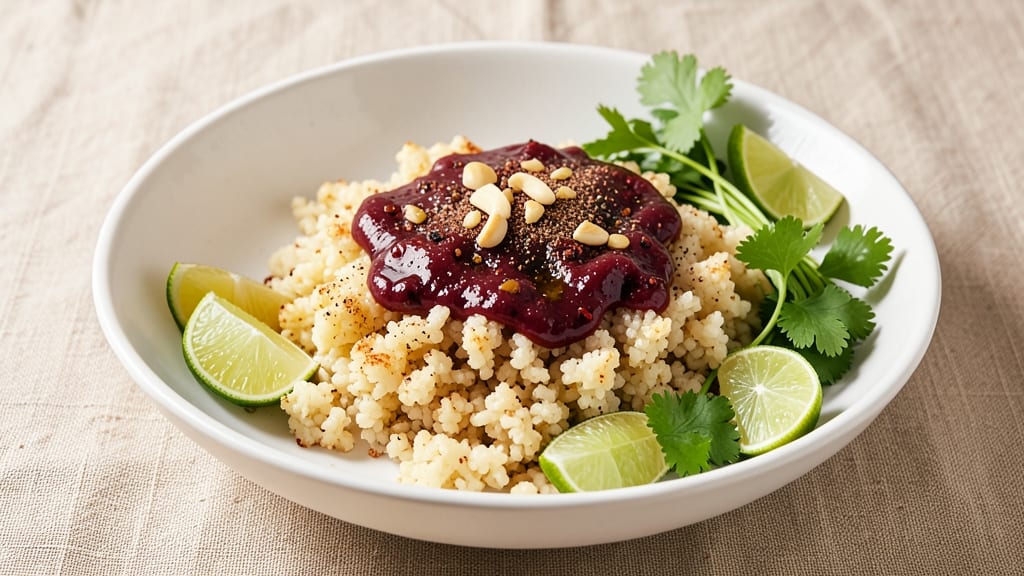
This cauliflower rice chipotle recipe transforms humble riced cauliflower into a smoky, spiced side dish that rivals traditional rice—without the carbs. The secret lies in balancing chipotle’s smoldering heat with bright lime and fresh cilantro, creating a flavor profile that’s both bold and approachable.
Perfect for vegetarians or anyone craving a lighter alternative, this dish delivers restaurant-quality crunch in just 20 minutes while packing in protein and fiber.
What makes this recipe stand out is its versatility: serve it as a standalone side, nestled in grain bowls, or paired with grilled proteins for a complete meal.
The smoky chipotle-infused oil coats each grain, ensuring every bite is flavorful, while optional toppings like avocado or black beans add texture and heartiness. Whether you're meal prepping or whipping up a quick weeknight dinner, this dish proves cauliflower rice can be just as satisfying as its starchy counterpart.
Ingredients for cauliflower rice chipotle
Transform cauliflower rice into a smoky, spiced side with these vibrant vegetarian ingredients.
| Ingredient | Amount | Notes |
|---|---|---|
| Fresh Cauliflower 🥬 | 1 lb | Riced or finely chopped |
| Chipotle Peppers in Adobo Sauce 🌶️ | 2 tbsp | Minced, plus 1 tbsp sauce |
| Extra-Virgin Olive Oil 🫒 | ¼ cup | High-quality, fruity |
| Fresh Lime Juice 🍋 | 2 tbsp | Freshly squeezed |
| Fresh Cilantro Leaves 🌿 | ¼ cup | Chopped, stems removed |
| Cumin Ground 🌿 | ½ tsp | Freshly toasted preferred |
| Smoked Paprika 🌶️ | ½ tsp | For enhanced smokiness |
| Garlic Cloves 🧄 | 2 cloves | Minced, fresh preferred |
| Salt 🧂 | ½ tsp | Diamond Crystal preferred |
| Black Pepper 🌶️ | ¼ tsp | Freshly ground |
| Avocado Slices 🥑 | ½ cup | Optional topping |
| Black Beans 🌱 | ½ cup | Optional topping, drained |
| Lime Zest 🍋 | 1 tsp | For garnish |
The cauliflower is the foundation, and freshness matters—look for heads with tight florets and vibrant green color. Pre-riced cauliflower from the produce section at Whole Foods or Trader Joe's saves time, though freshly riced yields better texture. Chipotle peppers in adobo are essential for that signature smoky heat; La Costeña or Goya brands deliver consistent quality. Fresh lime juice brightens the dish, so avoid bottled versions—they lack the zesty punch. Toast your cumin seeds briefly in a dry pan before grinding for deeper flavor, though pre-ground works in a pinch.
No fresh cilantro? Dried cilantro or parsley at one-third the amount works, though it won’t have the same freshness. Substitute chipotle powder for the peppers, but add 1 tbsp adobo sauce to replicate the sauce’s depth. For extra smokiness, swap smoked paprika for regular paprika and add a dash of liquid smoke. Avocado and black beans are optional but recommended—they add creaminess and protein. If you’re meal prepping, store toppings separately to maintain crispness.
This dish holds up beautifully for 3-4 days in the fridge, though texture softens over time. For best results, reheat in a dry skillet over medium heat with a splash of water. Freeze portions in airtight containers for up to 3 months, but add a drizzle of olive oil before freezing to preserve moisture. Garnish with lime zest just before serving—it adds a pop of color and freshness that elevates the dish every time.
Why You'll Love This Recipe
- No-Rice Nightmare Solved: I swear, this is the only cauliflower rice dish that doesn’t taste like "I’m trying too hard." The adobo sauce blends into the cauliflower so smoothly—no clumps, no weird texture—just that perfect smoky heat. Honestly, it’s the kind of meal that makes you forget you’re eating "healthy."
- Crowd-Pleaser Smoky Kick: Between us, chipotle in adobo is the secret weapon here. It’s not too spicy, not too sweet—just that deep, smoky warmth that makes everyone at the table reach for seconds. The lime and cilantro cut through it like a cool breeze after a run.
- Lunchbox Game-Changer: This keeps perfectly in the fridge for three days, which means I can prep it all on Sunday and not think about dinner until Thursday. Pack it cold for work or toss it into a burrito bowl—it’s that versatile. (Yes, even on a Tuesday night.)
- Budget-Friendly Protein Hack: One head of cauliflower stretches across three meals for my family of four. The adobo sauce is cheap, the lime and cilantro are cheap, and you’re left with a dish that feels restaurant-worthy without the price tag. My wallet thanks me every time.
Step-by-step instructions for smoky chipotle cauliflower rice
Here's how to transform fresh cauliflower into a bold, smoky side dish with restaurant-quality depth.
Prep and Sauté the Aromatics
Heat the 0.25 cup extra-virgin olive oil in a large skillet over medium heat. Add the 2 minced chipotle peppers (plus 1 tablespoon sauce) and cook for 30 seconds until fragrant. This releases their smoky depth without burning. Immediately add the 2 minced garlic cloves and cook for another 30 seconds until golden—don't let them brown or they'll turn bitter.
Stir in the 0.5 teaspoon ground cumin and 0.5 teaspoon smoked paprika, toasting for 15 seconds until the spices release their aroma. This aromatic base forms the flavor foundation for your cauliflower. Remove the skillet from heat temporarily while you prepare the cauliflower.
Cook the Cauliflower Rice
Add the 1 pound riced fresh cauliflower to the skillet and stir to coat evenly in the spiced oil. Cook over medium-high heat for 8-10 minutes, stirring occasionally, until the cauliflower is tender with slightly crisp edges. You're aiming for al dente texture—it should yield slightly when pierced with a fork but still hold its shape.
If the cauliflower appears too dry before reaching this texture, add 2 tablespoons water and continue cooking. The key is maintaining even heat while preventing sticking. Once the cauliflower reaches your desired doneness, remove it from the skillet and set aside.
Finish with Bright Citrus and Herbs
Return the skillet to medium heat and add the 2 tablespoons fresh lime juice. Stir for 30 seconds to deglaze any browned bits from the bottom of the pan. Then add the 0.25 cup chopped fresh cilantro leaves and toss to combine. This brightens the smoky flavors and adds freshness.
Season generously with 0.5 teaspoon salt and 0.25 teaspoon freshly ground black pepper, then return the cauliflower to the skillet. Toss everything together for 1 minute to distribute the citrus and herbs evenly. The dish should have a vibrant green color with visible smoky flecks from the chipotle.
Assemble and Garnish
Transfer the cauliflower mixture to a serving platter. Top with the 0.5 cup avocado slices and 0.5 cup drained black beans for added texture and protein. Finish with the 1 teaspoon lime zest and an additional sprinkle of 0.25 teaspoon black pepper for visual appeal and extra zing.
Serve immediately while the cauliflower is still warm and the avocado maintains its creamy texture. The dish should deliver a perfect balance of smoky heat from the chipotle, bright acidity from the lime, and earthy depth from the cumin and paprika. Each bite should offer satisfying texture contrast between the tender cauliflower and crisp avocado slices.
Pro Tips For Making Cauliflower Rice Chipotle
- RICE IT SMALL: Pulse your cauliflower in the food processor until it’s rice-sized—no smaller, or it’ll turn to mush when you toss it in the pan. I learned this the hard way after ending up with a sad, sticky mess that clung to the skillet like glue.
- SAUTE HIGH AND FAST: Get your pan screaming hot before adding the cauliflower rice—this is the only way to get those edges crispy without burning the whole batch. I used to walk away for "just a second," and that’s when the flavor disappears into a gray, soggy abyss.
- STRAIN THE ADOBO: Chipotle peppers in adobo sauce are packed with seeds and pulp that’ll make your dish bitter if left in. Strain it through a fine-mesh sieve first—trust me, your taste buds will notice the difference, especially if you’re using the whole can.
- SALT THE CAULIFLOWER FIRST: Toss the raw cauliflower rice with a pinch of salt before cooking—it draws out moisture and ensures even browning. Skip this, and you’ll end up with uneven, pale spots that taste like nothing but cauliflower. (Yes, even if you’re impatient like me.)
Common mistakes when making your cauliflower rice chipotle
Overcooking the Cauliflower
Cauliflower rice turns mushy when overcooked, losing its satisfying texture. I’ve learned the hard way—once I let mine sit in the pan for 12 minutes instead of 8-10, and it became a sad, watery pile.
Keep heat at medium-high and stir frequently to prevent sticking. Test doneness by piercing with a fork—it should yield slightly but still hold shape. 🥬
Skipping the Deglaze
Deglazing with lime juice isn’t just for flavor—it lifts those precious browned bits from the pan that pack serious depth. I used to skip this step, thinking it was optional, but the dish lacked that restaurant-quality richness.
Add the 2 tbsp lime juice right after removing the cauliflower and let it bubble for 30 seconds to capture all those flavorful fond bits.
Using Pre-Chopped Cauliflower
Store-bought pre-riced cauliflower often has uneven pieces that cook at different rates. I’ve found that freshly riced cauliflower (using a mandoline or food processor) yields consistent texture.
If using pre-chopped, separate any large chunks and cook them separately for 1-2 minutes longer to avoid dry spots in your final dish.
Underestimating the Heat
Chipotle peppers can vary wildly in heat—some brands are mild, others downright fiery. I once used a particularly hot batch without adjusting the lime or cilantro, and the dish became overwhelming.
Start with 1 tbsp chipotle sauce and taste as you go. Add more lime or cilantro to balance if needed. For milder heat, reduce to 1 tsp minced chipotle.
Neglecting the Resting Time
Freshly cooked cauliflower rice continues to release moisture while resting. I’ve rushed serving it immediately, only to have it turn soggy by the time it reached the table.
Let it sit off-heat for 2-3 minutes before serving—this allows flavors to meld and prevents a mushy texture when garnished with avocado or beans.
Forgetting the Acid Balance
The lime juice isn’t just for flavor—it cuts through the richness of the chipotle and oil. I’ve made this dish without lime before, and it tasted flat. Always add the 2 tbsp lime juice (and 1 tsp zest for garnish) to brighten every bite.
For extra tang, add a pinch of salt while the dish rests—it enhances the citrus notes beautifully.
Nutrition facts
Frequently asked questions
Can I make this recipe without fresh chipotle peppers?
Use 1 teaspoon chipotle powder instead, but add an extra 1 tablespoon adobo sauce from the can to replicate the smoky depth. For milder heat, reduce to ½ teaspoon powder and add ½ teaspoon smoked paprika to enhance the flavor profile. The key is balancing the smokiness with the lime and cilantro.
How do I store leftovers to keep them crispy?
Store cooked cauliflower rice in an airtight container in the fridge for up to 4 days. Reheat in a dry skillet over medium heat for 3-4 minutes with a splash of water to restore texture. For longer storage, freeze portions for up to 3 months—just add a drizzle of olive oil before freezing to prevent drying.
What are the best toppings to add for extra protein?
Try adding ½ cup cooked black beans, ¼ cup crumbled feta, or ½ cup grilled chicken for protein. For a vegetarian boost, mix in ½ cup cooked quinoa or ¼ cup toasted pumpkin seeds. Always add toppings fresh after reheating to maintain crispness and prevent sogginess.
Can I make this recipe in a slow cooker or Instant Pot?
This dish works best stovetop for texture, but you can adapt it! For an Instant Pot, sauté the aromatics, then cook the cauliflower on high pressure for 1 minute with ¼ cup water. Quick-release and finish with lime and cilantro. For a slow cooker, cook on low for 2 hours with 2 tablespoons water, stirring occasionally to prevent sticking.
Why does my cauliflower rice turn out mushy?
Overcooking or using too much water are the most common causes. Cook for 8-10 minutes on medium-high heat and stir frequently. If using pre-riced cauliflower, check for uneven pieces—separate larger chunks and cook them separately. Always test doneness with a fork before removing from heat.