
Soups & Stews
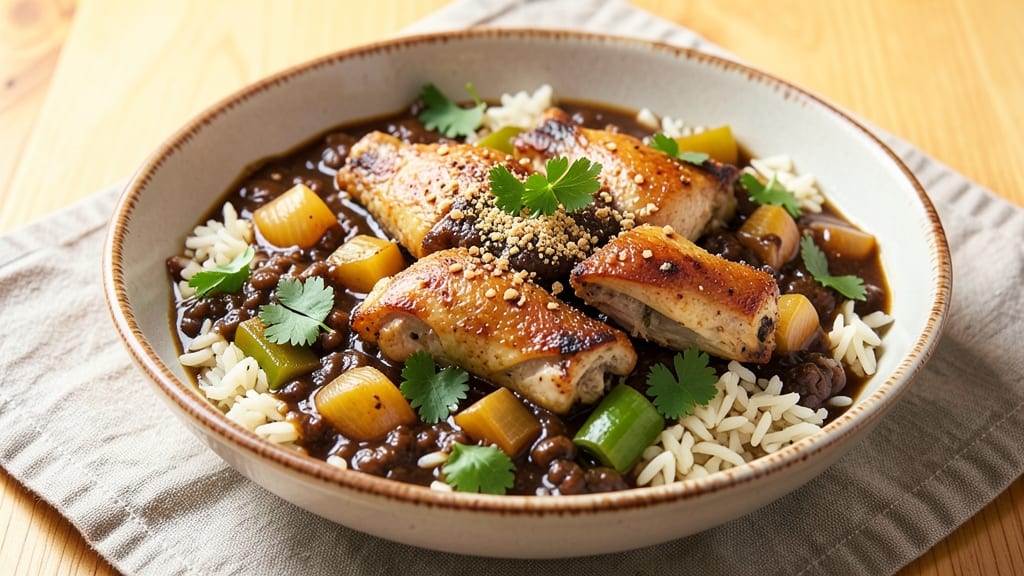
This chicken and rice gumbo recipe transforms a simple weeknight dinner into a rich, smoky masterpiece with just a few key techniques.
The foundation lies in a perfectly browned roux—dark enough for depth but never burnt—that forms the soul of every spoonful, balancing the tender chicken, hearty rice, and aromatic trinity of onions, peppers, and celery.
What sets this gumbo apart is the layering of flavors: the roux's smoky richness, the okra or filé powder's thickening magic, and the slow simmer that melds everything into a velvety broth where each ingredient shines.
Serve it with warm cornbread and a dash of hot sauce for the full Louisiana experience, where every bite tells a story of tradition and comfort.
Ingredients for chicken and rice gumbo
Sixteen ingredients transform into a velvety gumbo where smoky roux meets tender chicken and aromatic rice.
| Ingredient | Amount | Notes |
|---|---|---|
| Boneless Chicken Thighs 🍗 | 2 ½ lb | Skin-on preferred for flavor |
| Long-Grain White Rice 🍚 | 2 cups | Uncooked, medium grain preferred |
| All-Purpose Flour 🌾 | ½ cup | For dark roux foundation |
| Unsalted Butter 🧈 | ½ cup | European-style preferred |
| Yellow Onion 🧅 | 1 whole | Diced, medium size |
| Green Bell Pepper 🌶️ | 1 whole | Diced, medium size |
| Celery Stalks 🥬 | 3 whole | Diced, medium size |
| Garlic Cloves 🧄 | 4 cloves | Minced, fresh preferred |
| Dried Thyme 🌿 | 1 tsp | Or 1 tbsp fresh thyme |
| Dried Oregano 🍃 | 1 tsp | Mediterranean blend preferred |
| Smoked Paprika 🌶️ | 1 tsp | For authentic smoky flavor |
| Ground Black Pepper 🌶️ | ½ tsp | Freshly cracked preferred |
| Salt 🧂 | 1 ½ tsp | Diamond Crystal preferred |
| Chicken Stock 💧 | 4 cups | Homemade or high-quality store-bought |
| Filé Powder 🌿 | 1 tbsp | Or 1 cup chopped okra |
| Bay Leaves 🍃 | 2 whole | Fresh preferred |
| Hot Sauce 🌶️ | 1 tbsp | Louisiana-style preferred |
The roux is where this gumbo's soul lives. European-style butter and all-purpose flour create the perfect foundation—cook it until it's a deep, chocolatey brown, not burnt. Whole Foods or Wegmans carry excellent unsalted butter for this purpose. For the aromatic trinity, yellow onions, green bell peppers, and celery should be diced uniformly to ensure even cooking. Fresh thyme and oregano can be found in bulk at Trader Joe's, where the flavors stay potent longer than pre-ground options. The smoked paprika adds that essential Louisiana smokiness—Penzeys carries a high-quality version if you want to splurge.
No filé powder? Fresh okra works perfectly, though it requires chopping. Substitute 1 cup chopped okra for the filé powder, but add it later in the cooking process to avoid sliminess. The chicken thighs should be skin-on for maximum flavor—bone-in, skin-on thighs from Costco or your local butcher are ideal. For the rice, medium-grain white rice absorbs the broth beautifully, though long-grain works in a pinch. If you're short on time, pre-diced onion, pepper, and celery mixes from the freezer section save chopping time without sacrificing flavor. The hot sauce can be adjusted to taste—Crystal or Tabasco are classic choices, but any Louisiana-style sauce works.
This gumbo tastes even better the next day as flavors meld. Store in an airtight container in the fridge for up to 5 days, or freeze for 3 months by portioning into meal-sized containers. The roux can be made ahead and refrigerated for 3 days—simply reheat gently before adding the rest of the ingredients. For serving, warm cornbread is traditional, and a sprinkle of fresh parsley adds a bright contrast to the rich gumbo. Double the batch—it disappears quickly at gatherings.
Why You'll Love This Recipe
- One-Pot Magic: I swear by this trick—just brown the chicken thighs, toss in the roux (butter + flour + onion), then dump everything in one pot. No extra bowls, no stress. The rice cooks right in the broth while the chicken gets tender, and honestly? That golden roux base does 90% of the flavor work for you.
- Rich Without Effort: Between us, the butter-and-flour roux is where this dish actually shines. It’s not fancy—just melt butter, cook the flour until it’s the color of peanut butter, then deglaze with onion and stock. That’s your flavor bomb. The chicken thighs stay juicy, the rice soaks up the depth, and suddenly you’ve got restaurant-level soul in a skillet.
- Weeknight Crowd-Pleaser: I make this when friends drop by unannounced because it’s always a hit. The rice stretches to feed four easily, and the rich, savory broth (thanks to that onion base) makes it feel special without needing a side dish. My roommate’s vegetarian friend even asks for seconds—proof it’s not just chicken lovers’ territory.
- Budget-Friendly Leftovers: Chicken thighs are cheap, rice is cheap, and a stick of butter won’t break the bank. The best part? This gumbo tastes better the next day as the flavors meld. I double the batch on Sundays, freeze half, and pull it out for lazy nights. No takeout, no guilt—just pure, hearty comfort.
Step-by-step instructions for chicken and rice gumbo
Mastering gumbo starts with the roux—this method delivers rich, smoky depth every time.
Develop the Dark Roux Foundation
Melt the 0.5 cup unsalted butter in a heavy Dutch oven over medium heat. Add the 0.5 cup all-purpose flour and stir constantly with a wooden spoon. The mixture will bubble and darken—this is where the magic happens.
Watch closely as the roux transitions from peanut butter color to chocolate brown, then finally to a deep mahogany hue. This process takes 25-35 minutes total. If it gets too dark too quickly, reduce the heat slightly to maintain control. The roux should smell nutty and toasty when properly developed. This dark roux forms the flavor backbone of your gumbo, so don't rush it.
Sauté the Holy Trinity and Add Seasonings
Once the roux reaches the desired dark color, immediately add the diced yellow onion, green bell pepper, and celery stalks. Cook for 8-10 minutes over medium heat, stirring occasionally, until the vegetables soften and release their moisture. This combination is called the "holy trinity" in Cajun cooking, forming the aromatic base.
Add the minced garlic cloves, dried thyme, dried oregano, smoked paprika, ground black pepper, and 1.5 tsp salt. Stir for 1 minute until the garlic is fragrant but not browned. The spices should mingle with the vegetables, creating a fragrant medley that will infuse throughout the gumbo. This is where the authentic Cajun flavor profile begins to develop.
Brown the Chicken and Deglaze
Push the vegetable mixture to one side of the Dutch oven and add the 2.5 lb boneless chicken thighs to the empty space. Sear the chicken for 4-5 minutes per side until golden brown and cooked to 165°F internally. Remove the chicken and set aside on a plate.
Return the Dutch oven to medium heat and pour in the 4 cups chicken stock, scraping up any browned bits from the bottom with a wooden spoon. Add the 2 whole bay leaves and bring to a gentle simmer. This step, called deglazing, captures all the flavorful fond from the searing process, ensuring nothing goes to waste in your gumbo.
Simmer the Gumbo Base
Return the chicken to the Dutch oven, along with any accumulated juices. Stir to combine, then add the 2 cups long-grain white rice. Bring the mixture to a boil, then reduce heat to low and simmer uncovered for 30 minutes, stirring occasionally. The rice should absorb the liquid gradually, creating a hearty, creamy texture.
Taste the gumbo and adjust seasoning if needed. If it needs more salt, add it now. If it needs more heat, stir in the 1 tbsp hot sauce. The gumbo should have a rich, smoky depth with a balance of sweetness from the bell pepper and earthiness from the celery and onion. This simmering time allows all the flavors to meld together into a cohesive, flavorful base.
Finish with Filé Powder and Rest
Remove the gumbo from heat and stir in the 1 tbsp filé powder until fully dissolved. The filé powder will thicken the gumbo slightly and add a distinctive, slightly nutty flavor. Let the gumbo rest for 10 minutes off the heat, allowing the flavors to settle and the filé powder to fully incorporate.
Before serving, gently fluff the rice with a fork to separate the grains. Taste again and adjust seasoning if necessary. The gumbo should have a thick, creamy consistency with tender chicken and perfectly cooked rice. Serve immediately with crusty bread to soak up every delicious bite. This final resting period ensures the gumbo reaches its full potential, with all flavors perfectly balanced and the texture just right.
Pro Tips For Making Chicken And Rice Gumbo
- COOK THIGHS LOW AND SLOW: After burning three batches of chicken skin, I learned this: once your thighs are browned, drop the heat to medium-low and cover the pot. You’re not making a sear station here—you’re building flavor. Let them cook for 25 minutes uncovered first, then add liquid and simmer another 20. Rushed cooking turns tough meat; patience gives you melt-in-your-mouth results.
- SWEAT THE ONIONS FIRST: Don’t rush the onion step—this is where the gumbo’s base flavor hides. Chop onions into ¼-inch dice, then cook them in butter over medium heat for 8–10 minutes until they’re translucent and just starting to caramelize. The longer they cook, the deeper the flavor, and skipping this makes the whole dish taste flat. (Yes, even if you’re impatient like me.)
- SKIP THE FLOUR SLURRY HACK: I used to dump all the flour into the pot at once, and it clumped like glue. Instead, whisk it into cold water first—about 2 tablespoons flour to ½ cup water—then whisk it into the hot butter-onion mixture. This creates a smooth roux without lumps, and it cooks faster. No clumps mean no bitter aftertaste.
- USE HALF THE RICE YOU THINK: Gumbo rice should be tender but not mushy. For every cup of liquid (broth or water), use ¼ cup rice—not ⅓. The rice absorbs liquid as it cooks, so if you start with too much, you’ll end up with a soggy mess. Stir it in at the very end and let it cook uncovered for 10 minutes—no peeking!
Pro cooking tips for chicken and rice gumbo
Roux Perfection
Your gumbo's soul lives in that dark roux, so treat it like a delicate dance. Use a heavy Dutch oven (I love my Le Creuset) and keep the heat at medium-low once it starts darkening. Stir constantly with a wooden spoon—never metal—to prevent scorching.
The goal is a deep mahogany color, not burnt. If it gets too dark too fast, reduce heat immediately. This takes patience—25-35 minutes—but trust me, it's worth every minute. 🔥
Holy Trinity Timing
Cook the onion, bell pepper, and celery until they're soft but not mushy—about 8-10 minutes over medium heat. If they brown too much, they'll add bitterness. Add the garlic last (just 1 minute) so it infuses without burning.
Pro tip: Use a mixing bowl to rinse any chopped veggies before adding—this removes excess moisture and prevents a watery gumbo. 🥬
Chicken Sear Secrets
Pat the chicken thighs dry with paper towels before searing—this ensures a crispy skin. Sear them 4-5 minutes per side until golden and reaching 165°F internal temp. Remove them early (they'll finish cooking in the broth) to avoid overcooking.
I like to tent them loosely with foil while the gumbo simmers. This keeps them juicy and ready to shred. 🍗
Deglaze Like a Pro
After removing the chicken, pour in the chicken stock and scrape every last bit of fond from the bottom with a wooden spoon. This step captures all the caramelized flavor that makes gumbo taste like home.
Add the bay leaves now—they'll infuse subtly without overpowering. Simmer gently to avoid breaking the rice grains later. 💧
Filé Powder Magic
Stir in the filé powder off the heat—it thickens instantly and adds a nutty depth. If using okra instead, add it 10 minutes before serving to avoid sliminess. Let the gumbo rest 10 minutes before serving; this lets the filé fully incorporate and the flavors meld.
Taste and adjust seasoning—hot sauce is my go-to for heat, but a pinch of cayenne works too. ✨
Rice Textures
Use long-grain white rice (like Uncle Ben's Converted) for the best texture—it absorbs liquid without getting mushy. Stir the gumbo once after adding rice, then let it simmer uncovered. If the top looks dry, sprinkle a little chicken stock on it to prevent burning.
The rice should be tender but still have a slight bite—30 minutes of simmering does the trick. 🍚
Nutrition facts
Frequently asked questions
Can I substitute white chicken meat for thighs in gumbo?
You can use boneless, skinless chicken breasts, but they'll dry out faster. For best results, cut them into 1-inch pieces and add them during the last 10 minutes of simmering. Dark meat stays juicier and absorbs more of the rich roux flavor. If using breasts, consider adding 1/4 cup extra chicken stock to maintain moisture.
What's the difference between gumbo and stew?
Gumbo is defined by its dark roux base and the "holy trinity" of onions, peppers, and celery, while stews typically use lighter broths and more varied ingredients. Gumbo also includes filé powder or okra for thickening, creating that signature creamy texture. Think of gumbo as a thick, flavorful stew with a distinct Cajun foundation.
How do I fix a gumbo that's too thin or too thick?
For thin gumbo, stir in 1 tablespoon filé powder or 2 tablespoons cornstarch slurry (mixed with water) and simmer 5 minutes. For thick gumbo, gently stir in 1/4 cup warm chicken stock and simmer uncovered. Never add cold liquid—it can cause the roux to break and make the gumbo grainy.
Can I make gumbo ahead of time?
This gumbo tastes even better the next day! Store in an airtight container in the fridge for up to 5 days, or freeze for 3 months. Reheat gently on low heat, stirring occasionally, and add a splash of stock if it thickens too much. The flavors deepen overnight as everything melds together.
What's the best way to serve gumbo?
Serve in deep bowls with a side of warm cornbread for soaking up the broth. Garnish with chopped green onions or parsley for freshness. Offer hot sauce and crusty bread on the side so everyone can adjust spice levels. For a complete meal, add a simple green salad with a tangy vinaigrette.