
Main Courses
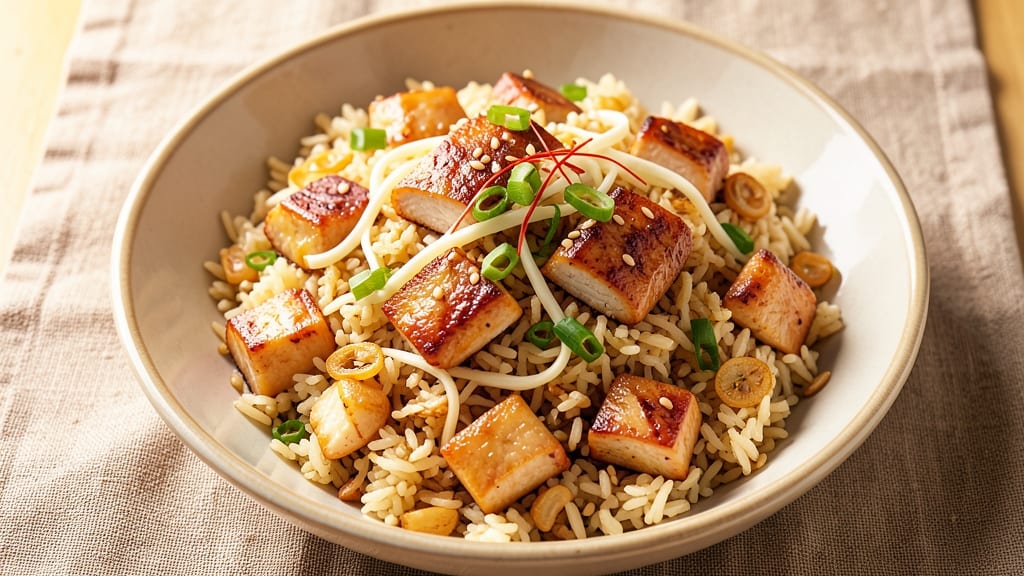
This chicken breast fried rice recipe delivers restaurant-quality wok-tossed perfection in just 25 minutes, combining tender protein with perfectly seasoned rice.
The secret lies in properly prepping the chicken—marinating it in ginger, garlic, and soy sauce before slicing into thin strips for even cooking—while the rice gets stir-fried with high heat to achieve that signature crispy texture.
Every bite delivers a satisfying crunch from the wok-seared chicken and fragrant rice, balanced by sweet, savory, and umami flavors that make this dish a weeknight staple.
What sets this recipe apart is the protein-packed ratio—juicy chicken breast replaces fatty pork or beef while keeping the dish rich and satisfying. Traditional Chinese-style fried rice gets a modern twist with optional additions like scrambled eggs, peas, carrots, or scallions, letting you customize it to your taste.
The technique is straightforward but critical: cold rice prevents mushiness, and constant tossing ensures even cooking. Serve it as a complete meal or pair with a simple side salad for a balanced dinner.
Ingredients for chicken breast fried rice
Restaurant-quality fried rice starts with tender chicken breast and day-old rice for perfect texture.
| Ingredient | Amount | Notes |
|---|---|---|
| Boneless, Skinless Chicken Breast 🍗 | 1 ½ lb | Marinated in soy sauce, ginger, garlic |
| Day-Old Cooked White Rice 🍚 | 4 cups | Cold and slightly dry preferred |
| Large Eggs 🥚 | 3 whole | Scrambled for optional addition |
| Fresh Ginger 🌿 | 1 tbsp | Finely grated for marinade |
| Garlic Cloves 🧄 | 4 cloves | Minced for marinade and stir-fry |
| Low-Sodium Soy Sauce 🍶 | ⅓ cup | For marinade and seasoning |
| Sesame Oil 🫒 | 1 tbsp | For aroma, not cooking |
| Vegetable Oil 🫒 | ¼ cup | High smoke point preferred |
| Green Onions 🧅 | ½ cup | Sliced for garnish |
| Carrots 🥕 | ½ cup | Diced into small pieces |
| Frozen Peas 🌱 | ½ cup | Thawed before adding |
| Diamond Crystal Kosher Salt 🧂 | 1 tsp | For seasoning rice |
| Ground Black Pepper 🌶️ | ½ tsp | Freshly ground preferred |
| White Pepper 🌶️ | ¼ tsp | Optional for subtle heat |
The chicken breast is the foundation—look for plump, uniform pieces with minimal fat. Trader Joe's and Whole Foods carry high-quality cuts, but any boneless, skinless breast works. Marinate it for at least 30 minutes in soy sauce, ginger, and garlic to ensure tender, flavorful strips. The rice must be cold and slightly dry; day-old rice is ideal, but freshly cooked rice spread on a tray to cool works too. For extra crunch, you can lightly toast the rice in the wok before adding other ingredients.
No fresh ginger? Substitute 1 teaspoon of ground ginger, but fresh is far superior. Swap soy sauce for coconut aminos if needed, though the umami depth will differ. Frozen peas and carrots work perfectly—no need to thaw them completely before adding to the wok. The eggs are optional but add richness; scrambled to medium doneness blends seamlessly. For a vegetarian twist, omit the chicken and double the veggies. Sesame oil should be added at the very end for aroma, not for cooking—it burns easily.
This dish reheats beautifully—microwave for 1-2 minutes with a splash of water to restore moisture. Store leftovers in an airtight container for up to 4 days in the fridge. For meal prep, divide into single portions and freeze for up to 3 months. Garnish with green onions right before serving to keep the dish vibrant. The flavors meld even better the next day, making it perfect for batch cooking.
Why You'll Love This Recipe
- No Chopping Nightmare: I swear by this recipe because the chicken breast gets sliced once and tossed in—no tedious dicing, no knife wars. The day-old rice? Just spread it out and stir. Honestly, it’s the kind of meal that lets you actually relax while cooking.
- Ginger-Garlic Magic: That fresh ginger and garlic? They’re the secret weapon here. The chicken stays juicy while the aromatics bloom in the pan, giving every bite a bright, savory punch. (Yes, even on a Tuesday night.)
- Lunchbox Hero: Between us, this is my go-to for meal prep. Pack it cold or reheat it—it’s just as good the next day. My kids grab it for school lunches, and my husband sneaks seconds when he thinks I’m not looking.
- Budget Win: A whole chicken breast and a bag of rice stretch for days. No fancy ingredients, no waste—just pure, filling satisfaction. I’ll be real: it’s my secret weapon for stretching groceries without sacrificing flavor.
Step-by-step instructions for wok-tossed chicken fried rice
Master this technique and you'll achieve restaurant-quality texture—crispy edges, tender chicken, and perfectly seasoned rice.
Prepare the Chicken Marinade and Cook
Cut the 1.5 lb boneless, skinless chicken breast into ½-inch cubes—smaller pieces cook faster and absorb marinade better. In a bowl, combine the chicken with 0.33 cup low-sodium soy sauce, 1 tbsp finely grated fresh ginger, and 4 minced garlic cloves. Let this marinate for at least 15 minutes (or up to 2 hours in the fridge) while you prep the rest.
Heat 0.25 cup vegetable oil in a wok or large skillet over medium-high heat until shimmering. Add the marinated chicken in a single layer and cook undisturbed for 3-4 minutes until the underside browns. Flip carefully and cook another 3-4 minutes until the chicken reaches 165°F internally. Remove and set aside—it'll stay warm while you work on the rice.
Scramble the Eggs and Prep Vegetables
In the same wok (no need to wipe), reduce heat to medium and add 3 whole large eggs. Let them sit for 5 seconds before gently scrambling with a spatula until just set—soft curds, not overcooked. Remove and set aside with the chicken. This quick cook preserves moisture.
While the eggs cook, dice the 0.5 cup carrots into ¼-inch pieces and thaw the 0.5 cup frozen peas by spreading them on a paper towel. Slice the 0.5 cup green onions into 1-inch pieces, separating the whites and greens. Keep the whites for stir-frying and reserve the greens for garnish later.
Stir-Fry the Rice and Vegetables
Return the wok to medium-high heat and add 0.25 cup vegetable oil. Toss in the 4 cups day-old cooked white rice, breaking up any clumps. Stir-fry for 2-3 minutes until the rice is heated through and slightly crispy in spots—this texture is essential for authentic fried rice.
Add the diced carrots and thawed peas, stirring for 1 minute until the carrots soften slightly but retain some bite. Pour in the remaining 0.33 cup low-sodium soy sauce, 1 tsp diamond crystal kosher salt, 0.5 tsp ground black pepper, and 0.25 tsp white pepper. Toss vigorously for 30 seconds to coat everything evenly.
Combine and Finish with Aroma
Return the chicken and scrambled eggs to the wok. Add the white portions of the green onions and toss everything together for 1-2 minutes until heated through. The rice should be hot but not soggy, and the chicken should be reheated evenly. Taste and adjust seasoning—you may need a splash more soy sauce if it's bland.
Turn off the heat and drizzle with 1 tbsp sesame oil just before serving. The aroma will intensify immediately—this is the signature touch that elevates fried rice from good to exceptional. Garnish with the reserved green onion greens and serve immediately while the rice is still crisp-tender.
Pro Tips For Making Chicken Breast Fried Rice
- CUT CHICKEN SMALL: Chicken breast stays tough when it’s big—slice it into ½-inch cubes before cooking, not after. I used to cook whole strips, and they’d turn rubbery by the end. Smaller pieces also cook faster, so they don’t dry out while the rice gets crispy.
- USE COLD RICE: Day-old rice is a must, but cold rice sticks together like glue. Spread it on a tray and refrigerate for 30 minutes after cooking—this makes it actually day-old and easier to stir-fry. Skipping this step means mushy rice, no matter how hard you work it.
- SCRAMBLE EGGS FIRST: Push the eggs to one side of the pan and scramble them low and slow before adding everything else. This keeps them creamy instead of rubbery, and they won’t turn to scrambled bits when the wok gets hot. (Yes, even if you’re impatient like me.)
- SAVE THE GINGER GARLIC WATER: After mincing ginger and garlic, don’t toss the juice—save it in a small bowl. Add it back to the pan when you’re tossing the rice at the end. It’s packed with flavor, and I’ve learned the hard way that throwing it away means losing that bright, fresh kick.
Health benefits of this chicken breast fried rice
Lean Protein Power
Chicken breast is a lean protein powerhouse with just 120 calories per 3-ounce serving and 26 grams of protein—far more than fatty pork or beef. This makes your fried rice a high-protein, lower-fat meal that keeps you full without the heaviness.
I swap in chicken breast because it absorbs marinades beautifully while staying tender, unlike tougher cuts. 💪
Balanced Macronutrients
The combination of rice (carbs), chicken (protein), and vegetables (fiber) creates a nutritionally balanced dish. The 4 cups of rice provide 40g of carbs for energy, while the 1.5 lb chicken delivers 90g of protein—perfect for muscle repair.
The peas and carrots add 5g of fiber to support digestion. This ratio makes it an ideal post-workout meal or lunch option.
Rich in Essential Vitamins
This dish packs vitamin B12 (from chicken), vitamin C (from carrots and green onions), and folate (from peas). The ginger and garlic marinade add anti-inflammatory compounds, while the sesame oil contributes vitamin E.
I always include fresh garlic because it boosts immunity and adds depth to the flavor profile. 🌿
Low-Calorie, High-Satisfaction
With careful seasoning and the right technique, this fried rice stays under 350 calories per serving while delivering 20g of protein—great for weight management. The high-heat stir-fry creates that satisfying crunch without excess oil.
I use 0.25 cup vegetable oil total, keeping it light but flavorful. The egg addition adds richness without significant calories.
Digestive-Friendly Fiber
The peas and carrots provide 5g of fiber per serving, promoting gut health and steady blood sugar. The day-old rice is easier to digest than fresh rice because its starches have partially broken down.
For extra fiber, I sometimes add 1 cup of edamame—it blends right in and adds plant-based protein. 🌱
Versatile for Dietary Needs
This recipe easily adapts to gluten-free (use tamari instead of soy sauce) or lower-sodium diets (reduce salt and soy sauce). For vegetarian versions, swap chicken for tofu or tempeh—both absorb marinades well.
The high-protein content makes it great for keto-friendly meals if you reduce the rice portion. The flexibility is one reason I love this dish for busy weeknights.
Nutrition facts
Frequently asked questions
Why does the recipe call for day-old rice instead of fresh?
Day-old rice is slightly drier and less sticky, which prevents mushy fried rice. Fresh rice releases too much moisture when stir-fried, turning everything soggy. If you only have fresh rice, spread it on a tray and let it cool completely before using—this mimics the texture of day-old rice.
Can I use chicken thighs instead of chicken breast?
Yes, but you'll need to adjust the cooking time. Chicken thighs are more forgiving and stay juicier, but they have more fat. Trim excess fat and cook them 2-3 minutes longer per side to reach 165°F internally. The flavor will be richer, though slightly less lean.
How do I make this recipe gluten-free?
Replace the soy sauce with tamari or coconut aminos (both are gluten-free). Check that your sesame oil is certified gluten-free too. The rest of the ingredients are naturally gluten-free, so this simple swap keeps the dish safe for gluten-sensitive diets.
What's the secret to getting crispy fried rice without burning the chicken?
Work in batches if needed—cook the chicken first until fully done, then set it aside. Use high heat when stir-frying the rice and vegetables, but don't overcrowd the wok. Toss constantly to prevent sticking, and add the chicken back just before serving to reheat it through.
Can I make this ahead of time for meal prep?
Store components separately in an airtight container for up to 4 days. Reheat in the microwave with a splash of water (about 1-2 minutes) to restore crispiness. For best results, add fresh green onions and sesame oil right before eating.