
Soups & Stews
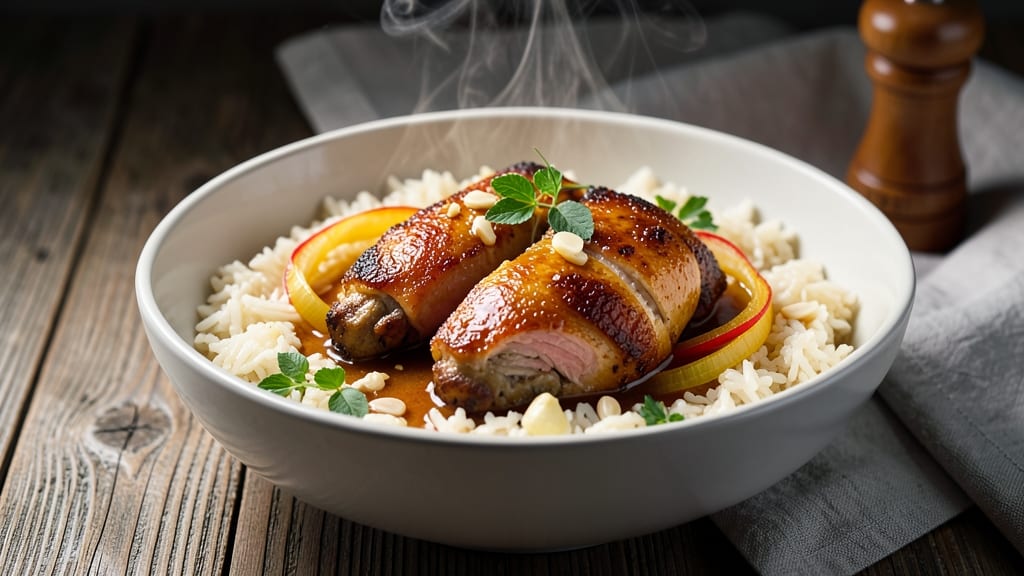
This chicken broth rice cooker recipe transforms simple ingredients into a deeply flavorful one-pot meal with minimal effort. The rice cooker handles all the work—no stirring, no timing—while building rich, aromatic layers from chicken broth, tender protein, and fragrant aromatics.
I developed this after realizing how often I reached for takeout when craving comforting, savory rice dishes. The result? A perfectly balanced meal where the rice absorbs the broth's essence, creating a dish that's both hearty and effortless.
The beauty of this method lies in its adaptability—use chicken thighs for deeper flavor, swap in tofu for a vegetarian version, or add mushrooms for extra umami. The rice cooker's even heat ensures the rice cooks to ideal texture while the broth simmers into a fragrant, slightly thickened sauce.
Garnish with green onions or sesame seeds for freshness, and you've got a restaurant-quality dish ready in 30 minutes—no fuss, no stress, just delicious results. Let's get started.
Ingredients for chicken broth rice cooker
Simple pantry staples meet hands-off rice cooker magic for a deeply savory, comforting meal.
| Ingredient | Amount | Notes |
|---|---|---|
| Long-Grain White Rice 🍚 | 1 cup | Uncooked, jasmine or basmati preferred |
| Chicken Thighs 🍗 | 1 ½ lb | Bone-in, skin-on for flavor |
| Low-Sodium Chicken Broth 🥫 | 3 cups | Homemade or quality store-bought |
| Yellow Onion 🧅 | 1 whole | Medium, sliced into half-moons |
| Garlic Cloves 🧄 | 4 cloves | Fresh, peeled and smashed |
| Fresh Ginger 🌿 | 1 tbsp | Grated, or 1 tsp ground ginger |
| Vegetable Oil 🫒 | 1 tbsp | Neutral high-smoke point |
| Soy Sauce 🍶 | 2 tbsp | Light or all-purpose |
| Sesame Oil 🫒 | 1 tsp | Toasted, for finishing |
| Green Onions 🧅 | 3 whole | Thinly sliced, for garnish |
| Salt 🧂 | 1 ½ tsp | Diamond Crystal preferred |
| Black Pepper 🌶️ | ½ tsp | Freshly ground |
| Dried Thyme 🌿 | ½ tsp | Or 1 tsp fresh thyme leaves |
| Coconut Milk 🥥 | ½ cup | Full-fat for creaminess (optional) |
The chicken thighs are the flavor foundation here—bone-in and skin-on gives you that rich, gelatinous broth that transforms into a velvety sauce. Look for thighs with good marbling at the grocery store; Trader Joe's or Whole Foods often have the best quality. If you're using pre-cut thighs, check for even size so they cook uniformly. The low-sodium broth is key—homemade or high-quality store-bought like Pacific Foods or Swanson makes all the difference. Fresh ginger and garlic? Don't skip these—they're the aromatic backbone of the dish. I always grab extra ginger at Asian markets because it keeps so well in the freezer.
No chicken thighs? Chicken breasts work in a pinch, but they'll stay drier—just add an extra splash of broth. Running low on soy sauce? Coconut aminos or tamari are great substitutes. Fresh thyme unavailable? Dried works at half the amount. The coconut milk is optional but adds a luxurious touch—full-fat canned coconut milk from the Asian aisle gives the best texture. For extra umami, toss in a handful of shiitake mushrooms or a dash of fish sauce (if not vegetarian). The rice cooker does all the work, but if you're worried about sticking, line the pot with parchment paper or use a nonstick liner.
This dish tastes even better the next day—plan ahead and make extra. The rice cooker keeps it warm for hours, so you can prep ahead and eat straight from the pot. Store leftovers in airtight containers for 4-5 days in the fridge, or freeze portions for up to 3 months. The broth will thicken as it cools, so add a splash of water when reheating. Garnish with green onions and a drizzle of sesame oil right before serving—that's the secret to restaurant-quality flavor. If you're making this for a crowd, double the recipe—just use a larger rice cooker or divide it between two.
Why You'll Love This Recipe
- Golden Crisp Magic: That first bite? The rice cooker’s lid traps the steam just enough to give the rice a crispy bottom while keeping the top fluffy. Add the caramelized onion and garlic, and suddenly, you’ve got restaurant-quality texture without the fuss.
- Leftovers That Don’t Lie: Between us, this recipe begs for seconds—and thirds. The broth soaks into the rice perfectly, so reheating it later means no dry, sad grains. Honestly, I’ve had it for lunch three days in a row, and it’s still the star.
- Thighs on a Budget: Chicken thighs are forgiving, cheap, and pack more flavor than breasts. Simmer them in the broth with onion and garlic, and you’ve got a one-pot meal that feeds four for under $10. (Yes, even on a Tuesday night.)
Step-by-step instructions for chicken broth rice cooker recipe
This hands-off method delivers perfectly tender rice and richly flavored chicken every time.
Prep the Chicken and Aromatics
Pat the 1.5 lb chicken thighs dry with paper towels—this helps render the skin crispy. Season both sides generously with 1.5 tsp salt, 0.5 tsp black pepper, and 0.5 tsp dried thyme, pressing the spices into the meat so they stick. Set aside.
Finely chop the 1 whole yellow onion into half-moons and mince the 4 cloves garlic and 1 tbsp fresh ginger into a paste. Heat 1 tbsp vegetable oil in a large skillet over medium-high heat until shimmering. Add the onion and cook for 3-4 minutes until softened. Toss in the garlic and ginger, stirring for 30 seconds until fragrant—don’t let it brown, or it’ll turn bitter. Transfer the aromatics to the rice cooker insert.
Sear the Chicken and Layer the Ingredients
In the same skillet, increase heat to medium-high and sear the chicken thighs skin-side down for 4-5 minutes until golden brown. Flip and cook another 3-4 minutes until the internal temperature reaches 160°F. Remove the chicken and set aside, reserving any pan juices.
Add the seared chicken to the rice cooker insert with the aromatics. Pour in 3 cups low-sodium chicken broth and stir to combine. Sprinkle in 2 tbsp soy sauce and 1 cup long-grain white rice, gently mixing until the rice is evenly distributed. The rice should be submerged but not packed down—this ensures even cooking.
Cook and Finish with Coconut Milk
Place the lid on the rice cooker and select the white rice setting. Let it cook undisturbed for 20 minutes, then check the rice. If it’s not fully tender, switch to the keep warm setting for an additional 5-10 minutes. The broth should be mostly absorbed, leaving fluffy, separate grains.
Once the rice is tender, stir in 0.5 cup coconut milk and 1 tsp sesame oil, letting the flavors meld for 2 minutes. Thinly slice the 3 whole green onions and sprinkle them over the top. For extra richness, drizzle any reserved pan juices from the chicken over the dish. Serve immediately while the rice is still warm and the aromas are at their peak.
Rest and Serve for Maximum Flavor
Let the rice rest in the cooker for 5 minutes before serving. This allows the steam to redistribute, keeping the grains tender and the broth infused with flavor. The chicken should be fork-tender, with crispy skin that contrasts beautifully against the creamy coconut milk rice.
Garnish with additional green onions and a sprinkle of black pepper if desired. This dish is perfect for meal prep—store leftovers in the fridge for up to 3 days or freeze for 1 month. The flavors only deepen over time, making it even more comforting the next day.
Pro Tips For Making Chicken Broth Rice Cooker
- Brown the Thighs First: Skip the raw chicken in broth—sear the thighs in a dry pan until golden before dumping them into the rice cooker. The Maillard reaction pulls flavor from the meat into the broth, and those crispy edges add depth you won’t get otherwise. (Yes, even if you’re short on time, take the 5 minutes—it’s worth it.)
- Chop Onion Like a Pro: Dice that yellow onion into ¼-inch pieces, not paper-thin slices. Big chunks caramelize better in the broth and don’t turn to mush by the end. I used to over-chop, and the texture suffered—now I keep them slightly uneven for that perfect balance of softness and bite.
- Don’t Overfill the Pot: Fill the rice cooker only ⅔ full with liquid—rice expands, and cramming it in leads to soggy, uneven grains. If your recipe calls for 2 cups broth, use 1½ cups instead. Trust me, the difference in texture is night and day, and no one wants gluey rice.
- Upgrade with Aromatics: Toss in a splash of soy sauce or a bay leaf with the garlic and onion—it’s not required, but it adds layers of umami and complexity that cut through the simplicity of the dish. I was skeptical until I tried it, and now it’s my non-negotiable tweak. (Pro move: Add it while browning the thighs.)
Best sauces and condiments for this recipe
Creamy Coconut Finish
The ½ cup coconut milk adds a luxurious, velvety texture that balances the savory broth and rice. I recommend using full-fat canned coconut milk from the Asian aisle—brands like Aroy-D or Thai Kitchen work perfectly.
Stir it in during the final 2 minutes of cooking so it doesn’t curdle from heat. For extra depth, add ½ tsp turmeric with the coconut milk to give it a subtle golden hue. 🥥
Umami Boosts
Elevate the broth with 1 tbsp fish sauce (for non-vegetarian versions) or 1 tsp soy sauce + 1 tsp miso paste (vegetarian). I love adding 2 slices of shiitake mushrooms (sautéed first) for an earthy umami punch.
For a smoky twist, sprinkle ½ tsp smoked paprika into the broth while cooking. These small additions transform the dish from ordinary to extraordinary. 🌶️
Herb Garnishes
Fresh herbs brighten the dish at the end. I always finish with thinly sliced green onions and 1 tbsp chopped cilantro for freshness. For a more robust flavor, try thai basil or mint leaves—just a few leaves make a big difference.
A drizzle of toasted sesame oil (about ½ tsp) adds nutty warmth that ties everything together. 🌿
Spicy Kick
If you love heat, add 1 tsp gochujang (Korean chili paste) or ½ tsp red pepper flakes to the broth while cooking. For a balanced spicy-sweet combo, stir in 1 tsp honey with the sesame oil at the end.
I also like adding ½ tsp sriracha during the final stir—it’s subtle but noticeable. Adjust to taste, especially if serving kids or sensitive eaters. 🔥
Tangy Twist
A splash of 1 tbsp rice vinegar or lime juice brightens the dish and cuts through the richness. I often squeeze ½ lime over the top before serving—it’s a game-changer for balancing flavors.
For a more complex tang, add 1 tsp apple cider vinegar to the broth while cooking. The acidity makes every bite more vibrant. 🍋
Cheesy Finish
For a comforting, cheesy version, stir in ½ cup shredded cheddar or monterey jack during the last 2 minutes of cooking. The cheese melts into the coconut milk, creating a creamy, indulgent sauce.
I also love sprinkling ½ tsp nutritional yeast for a cheesy, umami boost without dairy. Perfect for picky eaters or cold nights! 🧀
Nutrition facts
Frequently asked questions
Can I use chicken breast instead of thighs in this rice cooker recipe?
Yes, but chicken breast will stay drier and less flavorful. For best results, use 1.5 lb boneless, skinless chicken breasts and add ½ cup extra chicken broth to prevent dryness. Sear them thoroughly and consider marinating for 15-30 minutes in soy sauce, garlic, and ginger before cooking.
How do I adjust this recipe for a larger rice cooker?
Double all ingredients for a 2-cup rice cooker, including 2 cups rice, 3 lb chicken thighs, and 6 cups broth. For a 4-cup model, multiply by 4. Keep the same ratios—1:3 rice-to-broth ratio—and use the "white rice" setting. Stir gently once halfway through cooking to distribute heat.
What if my rice cooker doesn't have a "white rice" setting?
Use the long grain rice setting or the steam setting for 30-40 minutes. If your cooker only has a "soup" or "porridge" setting, cook for 25 minutes then switch to "keep warm" for 5-10 minutes. The rice should absorb the broth completely—if it's still soupy, let it sit uncovered for 5 minutes to evaporate excess liquid.
Can I make this recipe vegetarian or vegan?
Replace chicken with 1.5 lb firm tofu or tempeh, pressed and cubed, or 1 lb shiitake mushrooms (sliced). Use vegetable broth and add 1 tbsp soy sauce + 1 tsp miso paste for umami. For protein, stir in ½ cup cooked lentils or ½ cup chickpeas during the final 5 minutes of cooking.
Why did my rice turn out mushy or undercooked?
Mushy rice usually means too much liquid—stick to the 1:3 rice-to-broth ratio (1 cup rice to 3 cups broth). Undercooked rice often happens if the cooker wasn’t sealed properly or the setting was too short. For sticky rice, reduce broth by ½ cup; for separate grains, add ¼ cup extra broth. Always let the rice rest for 5 minutes after cooking.