
Main Courses
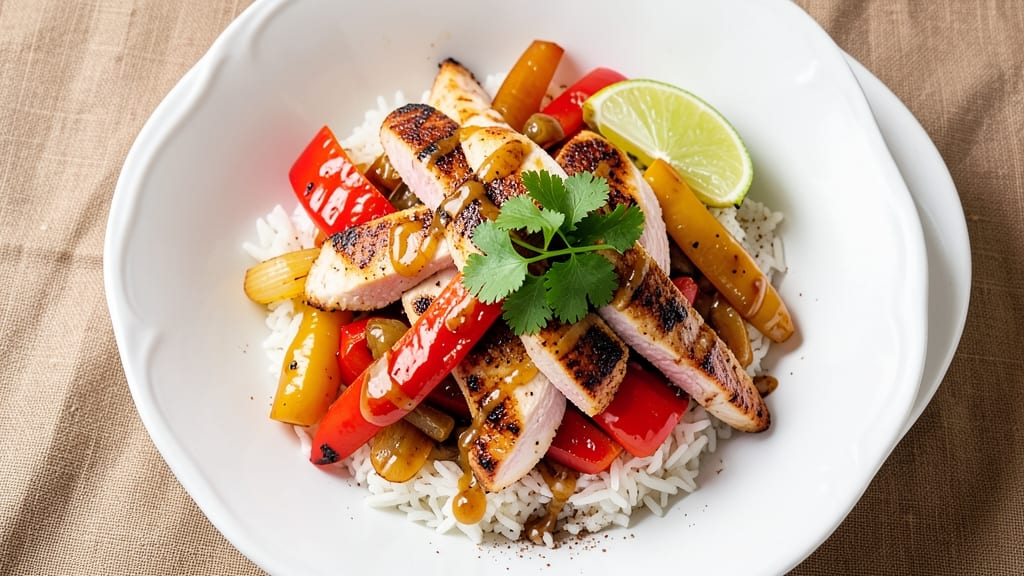
This chicken fajita over rice recipe delivers bold flavors in 30 minutes—sizzling peppers, tender chicken, and zesty lime all coming together in one pan. I developed this method during a busy week when I needed a restaurant-quality meal without the fuss.
The secret lies in a quick marinade that tenderizes the chicken while building layers of flavor, and a simple one-pan technique that keeps everything cohesive.
What sets this recipe apart is the balance of textures and flavors: crisp-tender chicken, charred peppers and onions, and perfectly seasoned rice all working together.
The lime zest and fresh cilantro add that bright, fresh finish that makes fajitas feel special, while the garlic and cumin in the marinade give the chicken deep, smoky notes.
This is the kind of dish that feels indulgent but comes together with minimal effort—ideal for weeknight dinners or meal prep.
By the time you're done, you'll have a plate that looks and tastes like it came from a Mexican restaurant, but with the flexibility to customize it your way.
The chicken stays juicy, the peppers and onions develop that perfect char, and the rice absorbs just enough of the fajita flavors to tie everything together. Garnish with sour cream, avocado, or extra lime if you like, but even on its own, this dish is packed with flavor.
The best part? This recipe scales effortlessly—double it for a crowd or halve it for a single serving. Whether you're feeding your family or treating yourself to a flavor-packed dinner, this fajita over rice delivers every time. Let's get cooking!
Ingredients for chicken fajita over rice
Bold flavors in one pan—juicy chicken, charred peppers, and zesty lime over perfectly seasoned rice.
| Ingredient | Amount | Notes |
|---|---|---|
| Boneless Chicken Breast 🍗 | 1 ½ lb | Cut into thin strips |
| Bell Peppers 🌶️ | 2 whole | Any color, sliced into strips |
| Yellow Onion 🧅 | 1 whole | Sliced into half-moons |
| Lime 🍋 | 1 whole | Zest and juice only |
| Fresh Cilantro 🌿 | ¼ cup | Chopped, for garnish |
| Ground Cumin 🌿 | 1 tbsp | Toasted for deeper flavor |
| Garlic Cloves 🧄 | 4 cloves | Minced for marinade |
| Olive Oil 🫒 | 2 tbsp | Extra-virgin preferred |
| Long-Grain White Rice 🌾 | 1 cup | Uncooked, jasmine works too |
| Chicken Broth 💧 | 1 ½ cups | Low-sodium preferred |
| Salt 🧂 | 1 tsp | Kosher or sea salt |
| Black Pepper 🌶️ | ½ tsp | Freshly ground preferred |
| Vegetable Oil 🫒 | 1 tbsp | For cooking chicken |
| Cumin Seeds 🌿 | ½ tsp | Optional for extra texture |
The chicken here needs to stay juicy, so boneless, skinless breasts are your best bet—cut them into thin strips for even cooking. I grab mine from the butcher section at Whole Foods because they're pre-cut and consistent, but any grocery store will have them. Bell peppers can be any color—red, green, or yellow—but make sure they're firm and vibrant. If you're short on time, pre-sliced peppers from the salad bar work in a pinch, though fresh is always better. The lime should smell bright and citrusy—if it's dry or shriveled, grab a new one. Fresh cilantro is ideal, but if you're not a fan, parsley works too.
No cumin seeds? Ground cumin alone works perfectly—just skip the extra texture. Running low on chicken broth? Vegetable broth or even water with a bouillon cube gets the job done. The rice can be any long-grain variety, but jasmine rice adds a fragrant touch. For the marinade, I always toast the cumin seeds in a dry pan for 30 seconds—it deepens the flavor. If you're using pre-minced garlic, measure it out carefully since jarred garlic can be watery. The lime zest is non-negotiable though—it's what gives this dish that bright, restaurant-quality finish.
This dish reheats beautifully—just add a splash of water or broth to the pan and warm it through. Keeps in the fridge for 3-4 days, though it's best enjoyed fresh. For meal prep, I portion the chicken and veggies separately and assemble with rice when ready to eat. The flavors actually improve overnight, so make extra if you can. Store the rice and fajita mix in separate containers to keep everything crisp. Freezes for up to 3 months if you want to prep ahead for busy weeks.
Why You'll Love This Recipe
- One-Pan Magic: I swear by this recipe when I’m too tired to scrub three bowls—just toss everything on one skillet with a splash of oil, and let the peppers and onions caramelize while the chicken cooks. The rice gets a quick steam in the same pot afterward, so cleanup is just a wipe-down and a deep breath.
- Zesty Kick: That lime juice at the end? It’s the secret weapon—brightens up the smoky char from the peppers and balances the chicken so it’s never dry. Honestly, the first time I skipped it, I regretted it instantly. Now I squeeze it in while the pan’s still hot, and the cilantro gets a little wilted but so much better.
- Lunchbox Hero: Between us, this is my go-to for meal prep—double the rice, portion the fajita mix into containers, and you’ve got three days of easy lunches. My kids actually eat their veggies this way (the peppers get hidden in the rice, but whatever works). Even my picky coworker took seconds at the office potluck.
- Budget Win: Boneless chicken breasts stretch further than you’d think when sliced thin, and bell peppers last forever in the fridge. I’ll often buy them frozen—same flavor, half the cost—and still end up with leftovers that taste just as good reheated. Not the prettiest, but the taste makes up for it every time.
Step-by-step instructions for chicken fajita over rice
Here's how to make this vibrant one-pan meal with perfectly charred fajita veggies and tender chicken.
Prep the Chicken and Aromatics
Start by cutting the 1.5 lb boneless chicken breast into thin strips about ¼-inch thick. This ensures even cooking and juicy results. In a small bowl, mix together the 4 minced garlic cloves, 1 tbsp ground cumin, 1 tsp salt, and 0.5 tsp black pepper. Rub this mixture all over the chicken strips, coating them evenly. The cumin will give that authentic fajita flavor, while the salt and pepper help tenderize the meat.
Next, slice the 2 whole bell peppers into ½-inch strips and the 1 whole yellow onion into ½-inch half-moons. You can use any color bell peppers—red, green, or yellow all work beautifully. Set these aside in separate piles. The key here is even sizing so everything cooks at the same rate. If you're using the optional 0.5 tsp cumin seeds, lightly toast them in a dry skillet over medium heat for 1 minute until fragrant, then grind them lightly with a mortar and pestle or in a spice grinder for extra texture.
Cook the Chicken and Veggies
Heat a large skillet or cast-iron pan over medium-high heat. Add 1 tbsp vegetable oil and let it get hot for 1 minute. Add the chicken strips in a single layer, making sure they don't overlap too much. Cook undisturbed for 3-4 minutes until the chicken is golden brown on the bottom. Flip the strips and cook for another 3-4 minutes until fully cooked through. You'll know it's done when the chicken reaches an internal temperature of 165°F and the edges are slightly crispy.
Remove the chicken from the pan and set it aside. In the same skillet, add 1 tbsp olive oil and let it heat up for 30 seconds. Add the sliced bell peppers and onions, spreading them out evenly. Cook for 5-6 minutes, stirring occasionally, until the vegetables begin to soften and develop a slight char. The peppers should be tender but still hold their shape—overcooking will make them mushy. If the pan gets too dry, add a splash of water to deglaze and keep the veggies from sticking.
Cook the Rice
While the chicken and veggies cook, rinse the 1 cup long-grain white rice under cold water until the water runs clear. This removes excess starch and prevents the rice from becoming gummy. In the same skillet (no need to clean it—those flavorful bits are gold), add the rice and stir to coat it in the remaining oil and any browned bits from the chicken and veggies. Cook for 1 minute to lightly toast the rice, which gives it a nutty flavor.
Pour in the 1.5 cups chicken broth and bring to a boil. Reduce the heat to low, cover the skillet with a tight-fitting lid, and let it simmer for 15 minutes. Don't peek! Every time you lift the lid, you lose steam, which can make the rice uneven. After 15 minutes, turn off the heat and let the rice sit covered for another 5 minutes. The residual heat will finish cooking the rice perfectly. Fluff the rice with a fork before serving.
Combine and Finish
Return the chicken and veggies to the skillet with the rice. Stir everything together gently to combine. Squeeze the juice from the 1 whole lime (about 2 tablespoons juice) and add it to the skillet. Zest the lime over the top for a bright, aromatic finish. Taste and adjust the seasoning with more salt or pepper if needed. The lime juice will brighten up all the flavors and cut through the richness of the chicken and veggies.
Garnish with the 0.25 cup chopped fresh cilantro just before serving. The cilantro adds a fresh, herbal note that ties everything together. Serve the fajita rice immediately while it's hot, with extra lime wedges and any additional toppings you like, such as avocado, sour cream, or hot sauce. This one-pan meal is packed with flavor and ready in under 30 minutes—perfect for a weeknight dinner!
Pro Tips For Making Chicken Fajita Over Rice
- Slice Chicken Thin: Chicken breast is stubborn—pound it to ¼-inch thickness before seasoning, or you’ll end up with dry strips. I learned this the hard way after serving chewy fajita chicken that fell apart when wrapped. A meat mallet or rolling pin works; just don’t skip it.
- Char the Peppers: Cut bell peppers into ½-inch strips, then sear them directly on the stove’s hottest flame for 30 seconds per side. The blackened edges pack smoky depth that raw peppers can’t match—this is the thing that matters most when people ask why your fajitas taste "restaurant-level."
- Salt the Chicken Twice: Season the chicken with half the salt before cooking, then finish with the rest after resting. The first layer penetrates while the second locks in flavor. I was skeptical until I tried it—now I never cook fajita chicken any other way.
- Use Two Limes: One lime for the marinade (juice + zest) and another for finishing the dish. The first brightens the chicken, but the second—squeezed over everything at the end—adds that zesty punch that turns a good meal into a memorable one. (Yes, even if you’re impatient like me, wait until serving.)
Dietary considerations for this dish
Gluten-Free Adaptations
This recipe is naturally gluten-free, but I always double-check my ingredients to ensure no cross-contamination. The key is using certified gluten-free chicken broth—look for brands like Annie's Homegrown or Imagine Foods. For the rice, I recommend jasmine rice or basmati rice, both of which are gluten-free varieties.
If you're worried about the cumin, most ground cumin is gluten-free, but Penzeys Spices offers a certified gluten-free line. 🌾
Dairy-Free Options
Skip the sour cream garnish or substitute with coconut yogurt or cashew cream for a dairy-free option. The recipe itself doesn't contain dairy, but if you're using pre-made fajita seasoning mixes, check labels—some include milk powder.
I like to keep it simple with fresh lime and cilantro, which naturally enhance the flavors without dairy. The chicken and veggies shine on their own, so no dairy is needed for a delicious dish. 💛
Lower-Carb Swaps
For a lower-carb version, replace the rice with cauliflower rice—just use a 1:1 ratio and cook it for 5-6 minutes in the same skillet after removing the chicken. I love the texture contrast it adds, and it absorbs the fajita flavors beautifully.
You can also serve the fajita mix over a bed of zucchini noodles for an even lighter option. The chicken and peppers will still be the star, but with fewer carbs. 🥦
Protein Customization
If you're watching protein intake or need a vegetarian option, swap the chicken for extra-firm tofu or portobello mushrooms. For tofu, press it first to remove excess water, then marinate in the same cumin-garlic mixture for 15 minutes before cooking.
Portobello mushrooms work well too—just slice them into strips and cook for 5-6 minutes per side. The flavor profile stays vibrant, and the texture holds up perfectly. 🍄
Allergen-Friendly Tips
For nut allergies, avoid garnishes like pistachios or peanut sauce, and stick to lime, cilantro, and avocado. If you're allergic to cilantro, try parsley or basil for a similar fresh finish.
Always check your spices for potential allergens—some cumin blends may contain traces of soy or other allergens. I keep my spices in airtight containers to maintain freshness and prevent cross-contamination. 🌿
Nutrition facts
Frequently asked questions
Can I use chicken thighs instead of breasts for this recipe?
Chicken thighs work wonderfully—they stay juicier and add richer flavor. Use 1.5 lb boneless, skinless thighs instead, and cut them into ½-inch thick strips. Cook them for 4-5 minutes per side until golden and reach 165°F internally. The extra fat keeps them moist even when reheated.
How do I make this recipe spicier?
Add a pinch of cayenne pepper or chili powder to the marinade, or sprinkle diced jalapeños into the pan with the veggies. For heat lovers, serve with hot sauce or sliced serrano peppers. Start with ¼ tsp cayenne and adjust to taste—spices build up as they cook!
Can I make this ahead of time?
Yes! Cook the chicken and veggies, then store them separately in the fridge for 3-4 days. Reheat in a skillet with 1 tbsp oil over medium heat for 3-4 minutes. Cook fresh rice when ready to serve, or use day-old rice (sauté it with a splash of water to revive). The flavors actually deepen overnight!
What if my rice turns out mushy?
Mushy rice usually means too much liquid or peeking while cooking. Next time, use 1.5 cups broth for 1 cup rice and avoid lifting the lid. If it's already mushy, spread it on a baking sheet and bake at 350°F for 10 minutes to dry it out. For future attempts, try jasmine rice—it handles one-pan cooking better.
Can I use frozen chicken for this?
Frozen chicken works, but thaw it first in the fridge overnight. If short on time, use the cold water thaw method (sealed in a bag for 30 minutes max), then pat completely dry before cooking. Frozen chicken releases moisture, which can make the rice soggy—drying it thoroughly is key!