
Main Courses
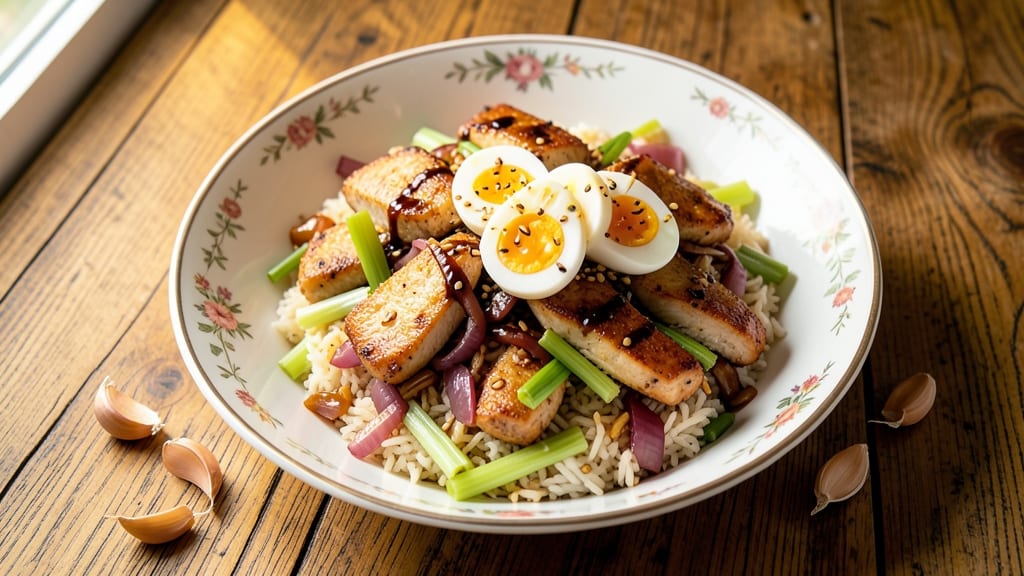
This chicken fried rice recipe no peas delivers restaurant-quality flavor with just 10 minutes of active prep—no peas, no fuss, and all the savory goodness. I developed it after years of perfecting my grandmother's one-pan technique, which keeps everything hot and crispy without overcooking.
The secret lies in high-heat stir-frying and a perfect balance of soy sauce, garlic, and ginger that transforms simple ingredients into a satisfying meal.
The recipe starts with day-old rice (never fresh!) tossed with scrambled eggs, shredded chicken, and crisp celery for texture. I use boneless chicken thighs because they stay juicy while browning beautifully—no dry, rubbery bites here.
The wok or large skillet is key: cast iron retains heat perfectly, giving you that signature smoky aroma and caramelized edges that make fried rice irresistible.
What you'll end up with is a golden-brown dish packed with tender chicken, creamy eggs, and crisp-tender celery, all coated in a glossy soy-ginger sauce. The rice absorbs just enough flavor without turning mushy, and the celery adds a satisfying crunch that keeps every bite exciting.
This version skips peas entirely, focusing instead on the classic egg-and-chicken combination that makes fried rice universally loved.
Perfect for weeknight dinners, meal prep, or impressing guests with minimal effort. The recipe scales easily too—double or triple it for larger crowds without extra work. Let's get cooking!
Ingredients for chicken fried rice recipe no peas
Day-old rice and tender chicken thighs transform into restaurant-style fried rice with celery crunch.
| Ingredient | Amount | Notes |
|---|---|---|
| Day-Old Cooked White Rice 🍚 | 3 cups | Cold or room temperature preferred |
| Boneless Chicken Thighs 🍗 | 1 ½ lb | Skinless, cut into 1-inch strips |
| Large Eggs 🥚 | 3 whole | Freshly beaten for scrambling |
| Yellow Onion 🧅 | 1 whole | Medium size, thinly sliced |
| Celery Stalks 🥬 | 3 whole | Trimmed, cut into 1/2-inch pieces |
| Garlic Cloves 🧄 | 4 cloves | Mince finely for aromatic base |
| Fresh Ginger 🌿 | 1 tbsp | Grated, for zesty kick |
| Soy Sauce 🥢 | 0.3 cup | Light or all-purpose preferred |
| Sesame Oil 🫒 | 1 tbsp | Toasted for nutty aroma |
| Vegetable Oil 🫒 | 2 tbsp | High smoke point for stir-frying |
| Salt 🧂 | 1 tsp | Kosher or sea salt |
| Ground Black Pepper 🌶️ | ½ tsp | Freshly ground for heat |
| Green Onions 🧅 | 3 whole | Thinly sliced, for garnish |
The chicken thighs are non-negotiable here—they stay juicy and flavorful while browning beautifully. Look for bone-in, skin-on thighs at your local butcher if available, as they render more fat for self-basting. For the rice, day-old is critical—it absorbs flavors better than fresh rice. I always use jasmine or basmati for its distinct aroma, but long-grain white works too. The celery should be crisp—cut it just before cooking to maintain texture. If you're short on time, baby carrots or bell peppers can replace celery, though they won't give the same satisfying crunch.
No fresh ginger? Substitute with 1/2 teaspoon ground ginger, though fresh is preferred for its bright flavor. Running low on soy sauce? Coconut aminos work in a pinch, though they have a slightly different profile. The sesame oil can be swapped for toasted peanut oil if needed, but it won't have the same nutty aroma. For extra protein, add 1 cup cooked shrimp or diced tofu—just cook them separately and fold in at the end. The green onions are purely for garnish, but if you're feeling bold, a sprinkle of crushed peanuts or sesame seeds adds texture and visual appeal.
Prep the chicken and vegetables ahead of time to streamline cooking—this dish comes together in minutes. Store cooked fried rice in airtight containers for up to 3 days, though it reheats best when kept in the fridge overnight. For meal prep, double the recipe and freeze portions in single-serving containers. When reheating, add a splash of water or soy sauce to restore crispiness. The flavors actually improve after the first night as the ingredients meld together.
Why You'll Love This Recipe
- No Chopping Chaos: I swear by day-old rice—it’s the secret to that perfect, separate-grain texture. And honestly? The celery and onion only need rough chopping—no knife skills required.
- Crispy-Creamy Magic: That first bite of chicken with the runny egg yolk pooling around it? Chef’s kiss. The thighs stay juicy while the edges get just crispy enough to hold every bite.
- Lunchbox Hero: Pack it cold or reheat it—this rice keeps its structure like a champ. Between us, my kids actually eat their veggies when they’re hidden in here (even if they complain).
- Budget Win: Chicken thighs stretch further than breasts, and rice? You can’t beat the price. I make this for four for under $10, and somehow there’s always leftovers for the next day’s lunch.
Step-by-step instructions for chicken fried rice no peas
Here's how to transform simple ingredients into a restaurant-worthy dish with perfect texture and bold flavors.
Prepare the Chicken and Aromatics
Cut the 1.5 lb boneless chicken thighs into 1-inch strips and set aside. In a large mixing bowl, combine the 3 whole large eggs, 1 tsp salt, and 0.5 tsp ground black pepper, then whisk until fully incorporated. This seasoned egg mixture will create tender, flavorful curds that bind the fried rice together.
While the eggs rest, thinly slice the 1 whole yellow onion and cut the 3 whole celery stalks into ½-inch pieces. Mince the 4 cloves garlic cloves and grate the 1 tbsp fresh ginger. These aromatics form the flavor foundation, so take your time to achieve an even, fine texture that will cook quickly in the hot oil.
Scramble the Eggs and Set Aside
Heat 2 tbsp vegetable oil in a 14-inch nonstick skillet or wok over medium-high heat until shimmering. Pour in the seasoned egg mixture and let it sit undisturbed for 5-10 seconds until the edges begin to set. Using a spatula, gently push the eggs from one side of the pan to the other, creating soft, ½-inch curds that remain moist and tender. Remove the eggs and set aside on a plate.
If you notice the eggs sticking or browning too quickly, reduce the heat slightly. The goal is creamy, slightly underdone curds that will finish cooking when combined with the rice. Overcooked eggs will make the fried rice dry and rubbery.
Stir-Fry Chicken and Aromatics
In the same skillet, add the 1-inch chicken strips in a single layer and cook over medium-high heat for 3-4 minutes until no longer pink in the center. Remove the chicken and set aside with the eggs. Add the thinly sliced yellow onion, ½-inch celery pieces, minced garlic, and grated ginger to the skillet, stirring constantly for 2-3 minutes until the vegetables soften and the garlic becomes fragrant.
Here's where the flavor builds: the garlic should smell intensely aromatic without burning. If it darkens too quickly, reduce the heat to medium and continue cooking until the vegetables are tender-crisp. This step ensures every bite packs layers of savory, herbal, and slightly sweet notes.
Combine Rice and Seasonings
Return the chicken and eggs to the skillet, then add the 3 cups day-old cooked white rice, breaking up any clumps with your spatula. Drizzle in the 0.3 cup soy sauce and 1 tbsp sesame oil, then stir-fry over medium-high heat for 3-4 minutes until the rice is evenly coated and heated through. The rice should be hot but not crispy—it should remain tender with a slight bite.
This is the moment to taste and adjust seasoning. If the dish tastes flat, add a splash of water (1-2 tablespoons) and let it simmer for 30 seconds to allow the soy sauce to mellow. The rice should be savory, slightly salty, and aromatic, with the chicken and eggs fully heated through.
Finish and Garnish
Remove the skillet from heat and let the fried rice rest for 1 minute to allow the flavors to meld. Garnish with the thinly sliced 3 whole green onions, tossing gently to distribute them evenly. Serve immediately while the rice is steaming hot and the chicken remains juicy.
For the best texture, eat within 5-10 minutes—the rice will continue to dry out as it cools. The dish should have a crunchy celery bite, tender chicken, creamy egg curds, and a nutty, umami-rich sauce from the soy and sesame oil. Adjust the heat or salt to taste, but resist the urge to overmix after removing from heat—this keeps the rice distinct and flavorful in every bite.
Pro Tips For Making Chicken Fried Rice Recipe No Peas
- CRISP THE CHICKEN FIRST: Cut those boneless thighs into ½-inch chunks, then sear them in a dry skillet over medium-high heat for 4-5 minutes before adding anything else. The crust locks in flavor and keeps them from turning rubbery when you toss them into the rice later—trust me, cold chicken in fried rice is a crime.
- BREAK EGGS IN HOT OIL: Swirl the eggs into the pan after the chicken’s done, but wait until the oil is smoking hot. The eggs scramble instantly into fluffy, crisp-edged ribbons instead of turning into a sad, greasy mess. (Yes, even if you’re impatient like me.)
- DICE ONIONS SMALLER THAN YOU THINK: I used to cut them into ¼-inch chunks, but the texture was all wrong—too chunky, too sharp. Go for ⅛-inch dice or even finer; they soften into the rice and blend better. The celery can stay a little larger (¼-inch), but onions need to disappear.
- USE DAY-OLD RICE—BUT DRY IT: Spread that day-old rice on a baking sheet and let it sit uncovered for 10 minutes before stirring it into the pan. The extra dryness means it’ll crisp up instead of turning into gluey rice balls. (I know, I know—it looks weird, but it works.)
Serving suggestions for this chicken fried rice recipe no peas
Classic Side Pairings
Serve your chicken fried rice with a simple steamed egg roll for a crisp contrast—just brush with a little soy sauce and bake at 375°F for 10 minutes. I love using store-bought egg rolls from the Asian market section, sliced open and warmed through.
For a fresh touch, add a side of cucumber salad with ¼ cup rice vinegar, 1 tsp sugar, and a pinch of salt—it cuts through the richness beautifully. 🥒
Sauce Dippers
Keep a small bowl of sweet chili sauce or plum sauce on the table for dipping—both add a tangy contrast to the savory fried rice. I like Lee Kum Kee sweet chili sauce for its perfect balance of heat and sweetness.
For something lighter, mix 1 tbsp soy sauce, 1 tbsp rice vinegar, and a dash of honey for a quick homemade dipping sauce. This is especially great if you have picky eaters at the table.
Soup Pairings
A warm bowl of egg drop soup or wonton soup makes this fried rice feel like a full meal. I often make a quick version with 4 cups chicken broth, 2 beaten eggs, and 1 tbsp soy sauce, simmered until the eggs form delicate ribbons.
The broth helps cleanse the palate between bites of fried rice. For extra comfort, add a few wonton wrappers fried until crispy—just dip them in the soup for a fun twist.
Garnish Upgrades
Take your fried rice to the next level with a few simple garnishes. Sprinkle toasted sesame seeds or crushed peanuts on top for crunch and nutty depth. I also love adding thinly sliced jalapeños for a subtle kick—just toss them in at the very end.
For a pop of color, scatter edible flowers like nasturtiums or pansies over the top. These small touches make the dish feel restaurant-worthy without extra effort.
Meal Prep Add-Ons
If you're prepping for the week, keep fried rice in an airtight container and pair it with steamed veggies or pickled ginger for freshness.
I like to make a big batch of quick-pickled radishes—just slice 1 cup radishes, toss with ¼ cup rice vinegar, 1 tsp sugar, and a pinch of salt, then let sit for 30 minutes. The bright acidity balances the fried rice perfectly when reheated.
Store both in separate containers to keep textures intact. ❄️
Kids-Friendly Serving
For picky eaters, serve the fried rice in mini waffle cones or pita pockets—it makes the meal feel like a fun treat. I also let kids customize their own bowls with toppings like shredded carrots, mandarin orange segments, or crushed potato chips for crunch.
Keeping the components separate lets everyone build their perfect bite without overwhelming flavors. This trick works wonders for family dinners where everyone has different tastes.
Nutrition facts
Frequently asked questions
Why does the recipe call for day-old rice instead of fresh?
Fresh rice is too moist and absorbs flavors unevenly, making fried rice mushy. Day-old rice has dried out slightly, creating the perfect texture—it absorbs the soy-ginger sauce beautifully while maintaining a slight bite. If you only have fresh rice, spread it on a tray and refrigerate for 1-2 hours before using.
Can I use chicken breast instead of thighs?
You can, but thighs stay juicier and more flavorful when cooked quickly. If using breast, cut it into ½-inch pieces and cook over medium heat for 4-5 minutes to prevent drying out. For extra moisture, marinate the chicken in 1 tbsp soy sauce and 1 tsp honey for 15 minutes before cooking.
What if I don't have sesame oil?
No problem! Swap it for 1 tbsp neutral oil plus ½ tsp toasted sesame seeds sprinkled at the end for aroma. For a different flavor, try 1 tbsp peanut oil—it adds a subtle nuttiness. Just avoid strong-flavored oils like olive oil, which can overpower the dish.
How do I fix fried rice that's too dry?
Add 1-2 tablespoons water or chicken broth and stir-fry for 30 seconds to restore moisture. If it's still dry, mix in ½ cup cooked rice (fresh or day-old) to bulk it up. The key is high heat—keep the pan hot to prevent sogginess while reviving the texture.
Can I make this vegetarian?
Replace chicken with 1 cup firm tofu (pressed and cubed) or 1½ cups cooked mushrooms. For extra protein, add ½ cup chickpeas or 1 cup shredded rotisserie chicken (if you still want meat). Adjust soy sauce to taste—vegetarian versions often need 1 extra tablespoon for depth.