
Main Courses
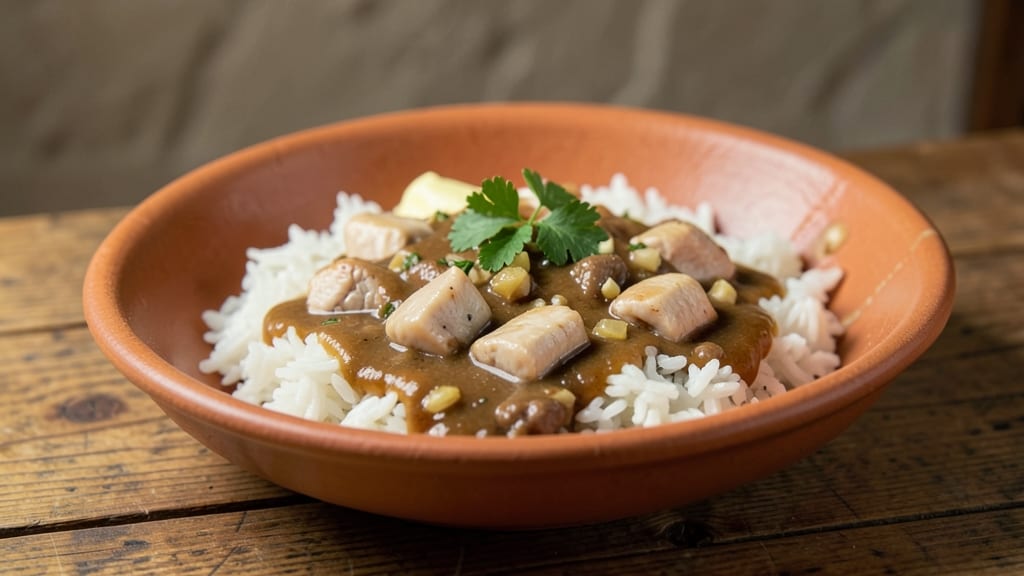
This chicken giblets and rice recipe transforms humble ingredients into a rich, hearty meal with deep, savory flavors. The secret lies in slow simmering the giblets—neck, heart, and liver—until they yield tender meat and flavorful broth, which then infuses the rice with natural richness.
Perfect for resourceful cooks who appreciate maximizing every part of the chicken, this one-pot method delivers restaurant-quality depth with minimal effort.
By carefully degreasing the broth and balancing it with aromatic herbs, you’ll create a velvety gravy that clings to each grain of rice, turning a simple dish into something extraordinary. The result?
A comforting, protein-packed meal that’s as satisfying as it is practical—ideal for weeknights or when you want to make the most of your ingredients without sacrificing flavor. Let’s get started.
Ingredients for chicken giblets and rice
Transform humble giblets into restaurant-worthy rice with these carefully chosen ingredients.
| Ingredient | Amount | Notes |
|---|---|---|
| Chicken Giblets (neck, heart, liver) 🍗 | 1 ½ lb | Freshly cleaned, trimmed of excess fat |
| Long-Grain White Rice 🍚 | 1 ½ cups | Uncooked, medium grain preferred |
| Chicken Broth 💧 | 4 cups | Homemade or low-sodium store-bought |
| Yellow Onion 🧅 | 1 whole | Medium size, finely chopped |
| Garlic Cloves 🧄 | 4 cloves | Fresh, minced for aromatic depth |
| Fresh Thyme Sprigs 🌿 | 2 sprigs | Or 1 tsp dried thyme if fresh unavailable |
| Fresh Parsley 🌿 | ¼ cup | Chopped, for finishing garnish |
| Bay Leaves 🍃 | 2 whole | Dried, removed before serving |
| Salt 🧂 | 1 ½ tsp | Diamond Crystal kosher preferred |
| Black Peppercorns 🌶️ | ½ tsp | Freshly cracked for optimal flavor |
| Unsalted Butter 🧈 | 2 tbsp | Cold, for gravy finishing |
| All-Purpose Flour 🌾 | 1 tbsp | For gravy thickening |
| Lemon Juice 🍋 | 1 tbsp | Freshly squeezed, balances richness |
The giblets are the heart of this dish—neck, heart, and liver—so source them fresh from your butcher or grocery store meat counter. Look for bright red, well-marbled neck meat and firm, unblemished livers with no greenish tint. Most grocery stores sell giblet bags in the poultry section, but if you're feeling adventurous, ask your butcher to separate them. Freshness is critical here: use giblets within 24 hours of purchase for optimal flavor extraction. For the rice, medium-grain varieties like Carolina Gold or Jasmine hold up best to the long cooking process without becoming mushy. Store your rice in an airtight container in a cool, dark place—it'll keep for up to 6 months if unopened.
No fresh thyme? Dried works at one-third the amount, but fresh delivers that bright, herbal note that's essential. The lemon juice might seem like an afterthought, but it's what brightens the rich, meaty flavors—don't skip it. For the broth, homemade is ideal, but if you're using store-bought, opt for low-sodium to control seasoning. The butter should be unsalted so you can season the gravy precisely. If you're concerned about the liver's strong flavor, degrease the broth thoroughly after simmering—this removes excess fat and mellows the taste while preserving the umami. For those watching their fat intake, you can reduce the butter to 1 tbsp without sacrificing much flavor.
This dish tastes even better the next day as flavors meld—portion into airtight containers for easy reheating. The giblet broth can be made ahead and refrigerated for up to 3 days or frozen for 3 months, making this a perfect make-ahead meal. Store cooked rice in the fridge for 4-5 days or freeze for up to 3 months. When reheating, add a splash of water or broth to prevent drying. The gravy thickens as it cools, so thin with warm broth if needed before serving. For best results, reheat gently on low heat to maintain the velvety texture.
Why You'll Love This Recipe
- Pantry-to-Table Speed: I swear by this when I forget to thaw anything—just toss giblets in boiling broth with onion and garlic, simmer until tender, then stir in rice. Twenty minutes later, dinner’s ready without a single grocery run.
- Umami Bomb: That liver? It’s the secret weapon—deep, rich flavor that turns plain rice into something soulful. The neck and heart add meaty texture, while the garlic makes every bite sing. (Yes, even my picky husband agrees.)
- Budget Magic: Giblets cost pennies compared to whole chicken, but they pack just as much flavor. A single bag stretches to three meals—perfect for stretching paychecks or feeding a crowd without breaking the bank.
- Leftovers That Beg for More: This rice reheats like a dream, so I make double batches. Cold leftovers taste just as good in wraps the next day, or I toss them into fried rice for an easy lunch. Honestly, I’ve never met a better way to use up scraps.
Step-by-step instructions for chicken giblets and rice
Aromatic, deeply flavorful rice emerges from this one-pot method where giblets transform into rich gravy.
Prepare and Parboil the Chicken Giblets
Begin by rinsing the 1.5 lb chicken giblets under cold water and patting them thoroughly dry with paper towels. This ensures maximum flavor extraction during cooking. Place them in a large pot and cover with 4 cups chicken broth, bringing to a gentle simmer over medium heat. Let the giblets cook uncovered for 20-25 minutes until they are fork-tender and the broth has reduced slightly.
Here's the thing—don't skip this parboiling step. It removes any bitterness from the liver while extracting deep umami flavors into the broth. You'll notice the broth darkens and develops a rich, meaty aroma as it simmers. Once the giblets are tender, remove them from the broth using tongs and set them aside. Strain the broth through a fine-mesh sieve to remove any impurities, reserving it for later use.
Sauté Aromatics and Toast the Rice
In the same pot, heat 2 tbsp unsalted butter over medium heat until foaming. Add the finely chopped 1 whole yellow onion and cook for 5 minutes until softened and translucent. Stir in the 4 minced garlic cloves and cook for an additional 30 seconds until fragrant—this prevents the garlic from burning, which would make the dish bitter.
Add the 1.5 cups long-grain white rice to the pot and stir to coat the grains evenly with the butter and aromatics. Toast the rice for 2 minutes, stirring constantly, until it becomes translucent at the edges. This step, called "toasting," enhances the nutty flavor of the rice and prevents it from becoming mushy. Add the 2 sprigs fresh thyme, 2 whole bay leaves, 1.5 tsp salt, and 0.5 tsp freshly cracked black peppercorns, stirring to combine.
Simmer the Rice in Giblet Broth
Pour the reserved 4 cups strained giblet broth over the rice, ensuring all grains are submerged. Bring the mixture to a gentle boil over medium-high heat, then immediately reduce the heat to low. Cover the pot with a tight-fitting lid and let the rice simmer for 20 minutes without disturbing it. This undisturbed cooking allows the rice to absorb the broth evenly and develop a tender, fluffy texture.
After 20 minutes, check the rice for doneness. It should be tender but still slightly firm to the bite. If the rice appears undercooked, continue simmering for an additional 5 minutes. If it's overcooked, you'll need to adjust the cooking time in future batches—this dish requires precise timing to achieve perfect texture. The giblets can now be removed from their parboiling broth, shredded, and mixed into the rice at the end.
Thicken the Gravy and Finish the Dish
Once the rice is tender, remove the pot from heat and let it sit covered for 5 minutes. This resting period allows the rice to absorb any remaining liquid and develop a more cohesive texture. In a small bowl, whisk together 1 tbsp all-purpose flour and 1 tbsp lemon juice to create a slurry. Slowly stir this mixture into the rice, along with the shredded giblets, until fully incorporated.
Return the pot to low heat and simmer for an additional 5 minutes, stirring occasionally, until the gravy thickens to a velvety consistency. The lemon juice brightens the rich flavors of the giblets and balances the dish. Taste and adjust the seasoning if needed—you may need a pinch more salt or pepper to enhance the flavors. Remove the thyme sprigs and bay leaves before serving.
Garnish and Serve
Transfer the rice to a serving dish and garnish with 0.25 cup chopped fresh parsley for a pop of color and freshness. The parsley not only adds visual appeal but also introduces a bright, herbal note that complements the deep, savory flavors of the dish. Serve the rice immediately, ensuring each portion includes both the fluffy rice and the shredded giblets mixed throughout.
This one-pot method yields a deeply flavorful, aromatic rice dish where every bite delivers the richness of the giblets and the comforting texture of perfectly cooked rice. The gravy clings to each grain, creating a harmonious balance of flavors that makes this a standout recipe for any occasion.
Pro Tips For Making Chicken Giblets And Rice
- SEPARATE THE LIVER: Giblets cook faster than necks and hearts—especially the liver, which turns to mush if left in the pot. Strain it out after 10 minutes, chop finely, and stir it back in at the very end. That way, it stays tender and rich instead of rubbery.
- BROWN THE NECKS FIRST: Skip the urge to toss everything in at once. Sear the necks and hearts in a hot pot for 3-4 minutes until deeply browned—this builds flavor that broth alone can’t match. I used to rush this, and the dish always tasted flat.
- USE COLD RICE FOR STIR-FRY: Chill the cooked rice for 30 minutes before mixing it with the giblets. Cold rice absorbs the broth better and stays separate instead of turning to glue. (Yes, even if you’re impatient like me.)
- SALT THE BROTH LATE: Wait until the giblets are almost done to add salt—otherwise, the necks and hearts will release too much moisture and turn out watery. A pinch at the end makes all the difference, especially if your broth is homemade.
Perfect pairings for chicken giblets and rice
Classic Side Pairings
A simple steamed green bean salad with lemon zest and toasted almonds adds a refreshing contrast to the rich giblet rice. Toss 1 lb green beans with 1 tbsp olive oil, zest of 1 lemon, and 2 tbsp chopped almonds for crunch.
The acidity cuts through the dish’s depth beautifully. 🥗
Crusty Bread Companion
Serve with sourdough or crusty French bread for dipping in the velvety giblet gravy. Toast slices until golden and rub with a garlic clove for extra flavor. I like Brioche for its buttery richness or whole-grain sourdough for texture contrast.
Bright Vegetable Contrast
Roasted asparagus with lemon and herbs balances the dish’s richness. Toss 1 bunch asparagus with 1 tbsp olive oil, ½ tsp salt, and 1 tbsp lemon juice, then roast at 400°F for 12 minutes. The crisp-tender texture and citrusy tang make it a perfect match.
Simple Garnishes
Finish with quick-pickled red onions for a tangy crunch. Thinly slice 1 small red onion, soak in ½ cup vinegar and 1 tsp sugar for 15 minutes. Drain and sprinkle over the rice for brightness. 💛
Dessert Pairings
End with a light citrus sorbet or vanilla bean ice cream to cleanse the palate. The cool, sweet contrast refreshes after the savory meal. For a non-dairy option, try mango sorbet—its tropical sweetness pairs surprisingly well with the dish’s umami depth.
Beverage Matchups
Pair with a dry white wine like Sauvignon Blanc or Chardonnay to complement the dish’s herbal notes. For beer lovers, a crisp lager or wheat beer with citrusy hops works perfectly. Sparkling water with lemon is a refreshing non-alcoholic option. 🍷
Nutrition facts
Frequently asked questions
Can I use frozen giblets instead of fresh?
Yes, but thaw them completely first in the refrigerator for 24 hours or use the quick thaw method in cold water. Never microwave, as it can cook the giblets unevenly. Frozen giblets work fine, but fresh ones yield more tender meat and richer broth. If using frozen, pat them extra dry before cooking to prevent excess moisture in the broth.
How do I remove the bitter taste from chicken livers?
Soak the livers in cold water for 30 minutes to remove blood, then rinse thoroughly. After parboiling, skim off any foam or fat that rises to the surface before straining the broth. This degreasing step is crucial—it mellows the liver's strong flavor while preserving the umami. Don't skip it!
What can I do if my rice turns out mushy?
Mushy rice usually means too much liquid or insufficient toasting. Next time, toast the rice 3-4 minutes longer before adding broth, and use 1/4 cup less liquid than called for. If it's already cooked, spread it on a baking sheet and bake at 350°F for 10 minutes to dry it out slightly. For extra flavor, stir in 1 tbsp butter while warm.
Is this recipe suitable for meal prep?
Cook the rice completely, then refrigerate in an airtight container for 4-5 days. Reheat portions with 2 tbsp broth per cup of rice, covered on low heat until warmed through. The flavors actually improve overnight as the giblet broth infuses deeper. For freezing, portion into individual servings and freeze for up to 3 months—thaw overnight in the fridge.
Can I substitute regular chicken broth with water?
While possible, it won't deliver the same rich flavor. For a budget-friendly option, use a mix of 3 cups water + 1 cup low-sodium chicken broth. The broth adds essential depth that water alone can't provide. If you must use all water, add 1 tsp chicken bouillon powder and a pinch of MSG (if available) to enhance umami. The dish will still be good, just less complex.