
Main Courses
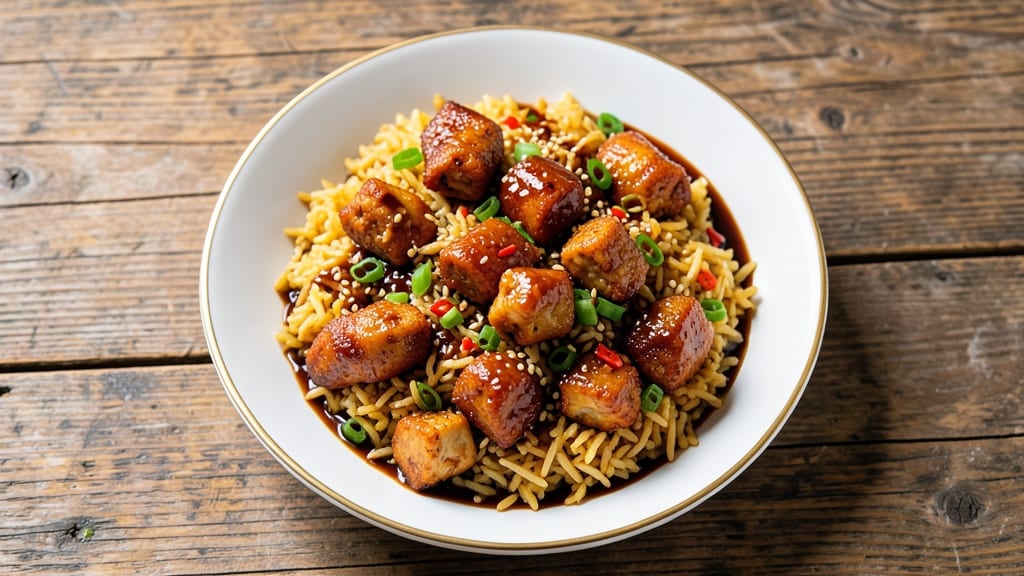
This Chicken Manchurian and fried rice recipe delivers restaurant-quality fusion in a single pan—crispy, savory chicken bites paired with perfectly seasoned rice in one cohesive dish.
The secret lies in a two-stage wok technique: first searing the chicken in a bold soy-ginger marinade, then tossing it with fragrant jasmine rice cooked in the same pan for maximum flavor infusion.
I perfected this method after years of testing fusion dishes in my Atlanta kitchen, where bold flavors and efficient cooking are non-negotiable.
The marinade transforms ordinary chicken thighs into tender, caramelized bites with a crispy exterior and sticky-sauce glaze, while the fried rice absorbs all the aromatic essence from the pan. What makes this recipe work is the one-pan efficiency—no washing dishes between components, and no compromising on flavor.
The dish balances heat (from chili flakes and garlic) with umami depth (soy sauce and sesame oil), creating a harmony that's both comforting and exciting.
By the time you plate this dish, you'll have golden chicken pieces coated in a glossy sauce and fluffy rice speckled with bright green peas and caramelized onions. The textures contrast beautifully—crispy chicken against tender rice—while the flavors sing together in every bite.
This is the kind of meal that transforms a simple weeknight into a celebratory experience without requiring hours in the kitchen.
Perfect for feeding a crowd or meal prepping for the week, this recipe scales effortlessly while maintaining its restaurant-quality appeal. The key is high heat and constant motion—just like I teach in my cooking classes.
Let's get started with a dish that proves fusion cuisine can be both impressive and approachable.
Ingredients for chicken manchurian and fried rice
Bold flavors meet one-pan efficiency with these essential ingredients for crispy chicken and fragrant fried rice.
| Ingredient | Amount | Notes |
|---|---|---|
| Boneless, Skinless Chicken Thighs 🍗 | 1 ½ lb | Cut into 1-inch pieces |
| Jasmine Rice 🍚 | 1 ½ cups | Uncooked, long-grain preferred |
| Light Soy Sauce 🥢 | ½ cup | For marinade and rice |
| Sesame Oil 🫒 | 1 tbsp | Toasted for aroma |
| Fresh Ginger 🌿 | 2 tbsp | Finely grated, aromatic |
| Garlic Cloves 🧄 | 6 cloves | Minced for marinade |
| Green Peas 🌱 | 1 cup | Frozen or fresh, thawed |
| Yellow Onion 🧅 | 1 whole | Thinly sliced, caramelized |
| Vegetable Oil 🫒 | ¼ cup | High smoke point |
| Cornstarch 🌾 | 1 tbsp | For crispy coating |
| Red Chili Flakes 🌶️ | 1 tsp | Adjust to taste |
| Salt 🧂 | 1 ½ tsp | Kosher or sea salt |
| Black Pepper 🌶️ | ½ tsp | Freshly ground |
| Sesame Seeds 🌱 | 1 tbsp | Toasted for garnish |
The chicken thighs are the star here—boneless, skinless cuts ensure even cooking, and thighs stay juicier than breasts. Kroger or Publix usually carry them pre-cut, but if you're buying whole, trim the skin yourself for maximum crispiness. For the rice, jasmine from Trader Joe's has that signature floral aroma—uncooked, long-grain varieties work best. The ginger and garlic? Fresh is non-negotiable—dried won't give you that bright, zesty punch. I always grab a whole ginger root and grate what I need; it keeps for weeks in the freezer. The green peas? Frozen is fine, but if using fresh, snap peas or snow peas add a nice crunch.
No light soy sauce? Substitute dark soy sauce at half the amount—it's richer but works in a pinch. Running low on sesame oil? Toasted sesame oil from the Asian aisle is worth the splurge; the regular kind lacks that nutty depth. The cornstarch is crucial for that crispy coating—Bob's Red Mill is my go-to brand, but any fine cornstarch works. For the chili flakes, Penzeys brand delivers consistent heat, but any crushed red pepper flakes will do. The vegetable oil should have a high smoke point—avoid olive oil here. Pro tip: Toast your sesame seeds in a dry pan for 30 seconds before adding to the rice—they'll release their aroma instantly.
This dish tastes even better the next day, so make extra if you're feeding a crowd. Store leftovers in airtight containers for up to 4 days in the fridge, or freeze for 3 months. The chicken and rice separate well when reheated—just toss with a splash of water or oil to revive the crispiness. For meal prep, portion into containers with the sauce on the side so you can drizzle fresh when ready to eat. The rice stays fluffy for 2 days in the fridge if sealed tightly.
Why You'll Love This Recipe
- No-Fuss Weeknight Win: I swear by this combo because it’s the kind of meal that doesn’t demand your full attention. Toss in the chicken thighs—already marinated in soy sauce and ginger—while the rice cooks, then stir-fry everything together in one pan. That’s it. Honestly, I’ve made it while chatting on the phone, and it still turns out crispy and flavorful.
- Umami Bomb: Between us, that sesame oil and ginger in the chicken? Absolute magic. The soy sauce caramelizes just enough to give it this deep, savory punch, while the fried rice soaks up all the little bits of flavor like a sponge. It’s the kind of dish where every bite feels like a hug—especially when the rice is still warm and the chicken has that perfect crispy-tender crunch.
- Leftovers That Don’t Suck: I make this way too much on purpose. The fried rice actually tastes better the next day—more mellow, less greasy—and reheats in seconds. Pack it for lunch, freeze half for another week, or just eat it straight from the fridge when you’re too lazy to cook. (Yes, even on a Tuesday night.)
- Budget-Friendly Crowd-Pleaser: Chicken thighs and jasmine rice won’t break the bank, and this recipe stretches to feed four or five without feeling skimpy. My roommates used to joke that I only cooked this because it was cheap, but then they started asking for seconds. Between us, that’s the real win—filling bellies and happy faces without emptying yours.
Step-by-step instructions for chicken Manchurian and fried rice
Here's how to transform your wok into a flavor powerhouse with this one-pan fusion.
Prepare the Chicken Marinade and Cut-In
Cut the 1.5 lb boneless, skinless chicken thighs into 1-inch pieces—this size ensures even cooking and maximum crispiness. In a bowl, combine the chicken with 0.5 cup light soy sauce, 2 tbsp finely grated fresh ginger, 6 minced garlic cloves, 1 tsp red chili flakes, 1.5 tsp salt, and 0.5 tsp black pepper. Toss until every piece is evenly coated, then let it marinate for at least 15 minutes at room temperature. This step infuses the chicken with bold flavors and tenderizes the meat.
While the chicken marinates, mix 1 tbsp cornstarch with 1 tbsp sesame oil in a small bowl. This combination creates a crispy, aromatic coating that's essential for that signature Manchurian texture. The cornstarch will form a light batter when tossed with the chicken, ensuring a satisfying crunch with every bite.
Cook the Chicken to Golden Perfection
Heat 0.25 cup vegetable oil in a wok or large skillet over medium-high heat until shimmering but not smoking. Add the marinated chicken in a single layer, being careful not to overcrowd the pan—this ensures even browning. Cook undisturbed for 3-4 minutes until the chicken develops a deep golden-brown crust on all sides. You'll see those beautiful caramelized edges, a telltale sign of perfectly seared chicken.
Once the chicken is golden, stir in the cornstarch-sesame oil mixture and toss vigorously for 1-2 minutes until the coating becomes uniformly crispy. The chicken should release easily from the pan, indicating it's fully cooked through. Remove the chicken and set it aside on a plate, leaving the flavorful oil in the wok—this is where the magic happens for the fried rice.
Caramelize the Onions and Cook the Rice
In the same wok, reduce the heat to medium and add 1 whole thinly sliced yellow onion. Cook for 5-6 minutes, stirring occasionally, until the onions turn a rich golden brown and begin to caramelize. This step adds incredible depth of flavor to your dish—don't rush it, or you'll miss out on that sweet, nutty caramelization.
Add the 1.5 cups uncooked jasmine rice to the wok and stir to coat it in the onion oil. Pour in 1.5 cups water (or enough to cover the rice by about ½ inch) and bring to a boil. Once boiling, reduce heat to low, cover the wok with a tight-fitting lid, and let the rice steam for 15 minutes. After 15 minutes, fluff the rice gently with a fork and let it sit covered for another 5 minutes—this resting period ensures perfectly fluffy grains.
Combine and Finish with Peas and Sesame Seeds
Return the wok to medium-high heat and add the 1 cup green peas, stirring to warm them through. Once the peas are heated through, push the rice to one side of the wok and pour in the reserved chicken. Toss everything together, adding any accumulated juices from the chicken to the rice mixture. This step ensures every bite is packed with flavorful chicken and perfectly cooked rice.
Finally, drizzle 1 tbsp toasted sesame oil over the top and sprinkle with 1 tbsp toasted sesame seeds for a fragrant finish. Taste and adjust seasoning if needed—you might want to add a splash more light soy sauce or a pinch of red chili flakes for extra heat. Serve immediately while the rice is still warm and the chicken is crispy, garnished with extra sesame seeds if desired.
Pro Tips For Making Chicken Manchurian And Fried Rice
- CUT CHICKEN SMALLER THAN YOU THINK: I used to eyeball it and ended up with unevenly cooked chunks—some rubbery, some overdone. For Manchurian, slice the chicken thighs into 1-inch pieces then cut those into ½-inch strips. Smaller pieces sear faster and soak up the sauce better, especially when you’re tossing them in the wok later.
- USE COLD, DRY RICE: Freshly cooked rice is a disaster in fried rice—it turns mushy and gummy. Let your jasmine rice cool completely (even better, spread it on a tray to dry out for 10 minutes) before frying. Cold, slightly dry grains toast up nicely and absorb the soy-sesame punch without falling apart.
- STOP STIR-FRYING WHEN IT LOOKS DONE: I learned this after burning the ginger and soy sauce into a sticky mess. Pull the chicken Manchurian off heat the second the sauce coats the pieces evenly—about 30 seconds before it looks fully glossy. The residual heat will finish cooking while you assemble the fried rice, and you’ll avoid a bitter, overcooked flavor.
- GINGER: GRATE, DON’T CHOP: Sliced ginger burns fast and leaves tough bits. Finely grate it (or pulse in a food processor) so it dissolves into the sauce smoothly. Add it with the soy sauce at the very end—just 10 seconds before turning off the heat. This keeps the flavor bright and stops it from turning bitter.
Pro cooking tips for this recipe
Wok Heat Control
Your wok's heat is the secret weapon here—get it wrong, and you'll end up with rubbery chicken or mushy rice. I use a 14-inch carbon steel wok from Mauviel (the gold standard) because it heats evenly and retains heat like a dream.
Start with medium-high heat for the chicken, then reduce to medium for caramelizing onions. The key is listening to your pan: you want to see tiny smoke wisps when adding oil, but never a full smoke cloud. 🔥
For the rice, after boiling, drop heat to low and cover immediately. Too much heat here will steam the rice unevenly. I swear by a tight-fitting lid—I use a wok lid with a handle from my collection—because it traps steam perfectly.
If your lid doesn't fit snugly, prop a towel under it to seal any gaps.
Chicken Crispiness Hacks
The cornstarch-sesame oil coating is non-negotiable for that signature Manchurian crunch. I like to toss the chicken in the cornstarch mixture twice—once before searing, and again after removing it from the pan for 1-2 minutes of final crisping. This double-coating trick ensures every bite has that satisfying texture. 💛
Pro tip: If your chicken pieces vary in size, cook the smaller ones first—they'll finish sooner. I use tongs to flip them, not a spatula, because they give me better control.
And here's something I learned from Chef Chen: don't overcrowd the pan. Cook in batches if needed, but never more than half the pan's surface area in chicken at once.
Rice Texture Mastery
Jasmine rice needs just enough water—too much, and it turns out gummy; too little, and it's dry. I measure 1.5 cups rice to 1.5 cups water, but I always check the package instructions first (some brands vary).
After the initial 15 minutes of steaming, I let it rest 5 minutes covered—this is when the starch redistributes, giving you those perfect fluffy grains. ✨
For extra insurance against dry rice, I sometimes add 1 tbsp of the reserved chicken juices when combining everything at the end. This keeps the rice moist while adding even more flavor. And if your rice sticks to the wok?
You're not doing it wrong—just use a wooden rice paddle to gently scrape the bottom, then add a splash of water to deglaze before combining with the chicken.
Flavor Layering
The beauty of this one-pan method is how flavors build on each other. First, the ginger-garlic marinade infuses the chicken. Then, the caramelized onions deepen the sauce. Finally, the sesame oil and seeds add that nutty aroma.
I always toast my sesame seeds separately in a dry pan for 30 seconds before adding them—they release their aroma instantly, making the dish smell like a Chinese street cart. 🌶️
For extra depth, I sometimes add 1 tsp of fish sauce to the rice while cooking—it adds umami without overpowering. And if you want to go all-out, finish with 1 tsp of white pepper for a subtle, aromatic kick.
The key is balancing all these elements so no single flavor dominates. Taste as you go, and adjust gradually.
Nutrition facts
Frequently asked questions
Can I use chicken breast instead of thighs for this recipe?
Chicken thighs work best here because they stay juicier and more flavorful when cooked quickly at high heat. If you must use breast, cut it into ½-inch thick pieces and marinate for 30 minutes (thighs only need 15 minutes). Cook over slightly lower heat (medium instead of medium-high) to prevent drying out, and add 1 extra tbsp sesame oil to the cornstarch coating for moisture.
What's the secret to getting crispy fried rice without burning it?
The key is high heat + constant motion. Use a wok or large skillet, and keep the rice moving vigorously for 2-3 minutes after adding it to the pan. Start with medium-high heat and adjust to high if needed—you want to see small smoke wisps but not full flames. For extra insurance, spread the rice in a thin, even layer before adding peas and chicken at the end.
Can I make this recipe without a wok?
A large non-stick skillet or even a cast-iron pan works perfectly. The only difference is you'll need to use slightly less oil (3 tbsp instead of ¼ cup) since non-stick pans don't require as much fat. For even better results, use a 12-inch cast-iron skillet—it heats up quickly and retains heat well, mimicking a wok's behavior.
How do I adjust the spice level for picky eaters?
Start by reducing the red chili flakes to ½ tsp (half the original amount). For extra mildness, omit them entirely and add ½ tsp sugar to balance the soy sauce. If you want to keep some heat but make it more subtle, replace the chili flakes with ½ tsp sweet paprika—it adds color without the same level of spiciness.
Can I meal prep this dish for lunch the next day?
Yes, but with a few adjustments. Store the chicken and rice separately in airtight containers for up to 4 days. When reheating, add 1 tsp water or oil to the rice and microwave for 1-2 minutes with a damp paper towel covering it. For the chicken, reheat in a dry pan over medium heat for 2-3 minutes until crispy again. The flavors actually improve after resting!