
Sauces & Condiments
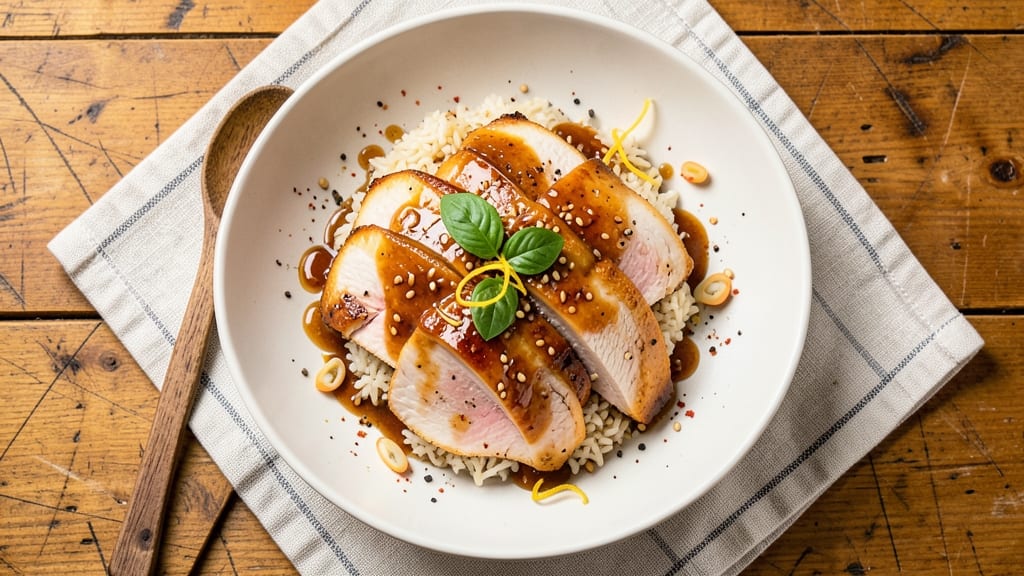
This chicken over rice sauce recipe transforms simple ingredients into a velvety, umami-rich glaze that elevates every bite. The secret lies in balancing soy sauce, ginger, and garlic with a touch of sweetness, creating a sauce that clings perfectly to rice and chicken.
It’s the kind of glaze that turns a weeknight dinner into something restaurant-worthy—without the fuss.
The result is a silky, aromatic sauce with just the right amount of depth, ready to drizzle over steamed rice or toss with stir-fried chicken. It keeps well in the fridge for up to five days or freezes beautifully for quick meals later.
Whether you're prepping for meal prep or craving a flavor boost, this sauce delivers every time.
Ingredients for chicken over rice sauce
Nine simple ingredients create this restaurant-quality wok glaze with silky egg ribbons.
| Ingredient | Amount | Notes |
|---|---|---|
| Soy Sauce 🥫 | ½ cup | Low-sodium preferred for balance |
| Sesame Oil 🫒 | 1 tbsp | Toasted for nutty aroma |
| Fresh Ginger 🌿 | 2 tbsp | Grated, not powdered |
| Garlic Cloves 🧄 | 4 cloves | Minced, not pre-minced jarred |
| Honey 🍯 | 2 tbsp | Or maple syrup for vegan option |
| Rice Vinegar 🍶 | 1 tbsp | White or seasoned variety |
| Cornstarch 🌾 | 1 tsp | For thickening consistency |
| Large Eggs 🥚 | 2 whole | Silky ribbons for texture |
| Green Onion 🧅 | 2 whole | Thinly sliced for garnish |
| Vegetable Oil 🫒 | 1 tbsp | For egg ribbon cooking |
The soy sauce is the foundation—Kikkoman or Pearl River Bridge are my go-tos for that perfect balance of saltiness and depth. Fresh ginger and garlic? Never powdered or jarred—the flavor difference is night and day. I grab mine from the produce section, peel it myself. For sesame oil, look for toasted varieties at Asian markets—they’ve got that rich, nutty aroma that makes this sauce sing. Honey adds the touch of sweetness, but maple syrup works beautifully if you're avoiding refined sugar.
No cornstarch? Arrowroot powder at the same amount does the trick. Running short on eggs? Silken tofu blended smooth mimics the silky texture, though the ribbons won't form. The rice vinegar might seem minor, but it brightens everything—skip the apple cider vinegar here. For the egg ribbons, low and slow heat is key—don't rush it. And if you're prepping ahead, make the sauce first and store it separately until you're ready to cook the eggs.
This sauce keeps for 5 days in the fridge—it actually tastes better after flavors meld. For longer storage, freeze in ice cube trays and pop out what you need. The egg ribbons are best fresh, but you can make them ahead and reheat gently. Double the batch—it disappears fast. I always keep a jar in my fridge for quick stir-fries or rice bowls.
Why You'll Love This Recipe
- No-Chop Nightmare: I swear, this sauce only needs ginger and garlic—both of which I can hack with a spoon if I’m lazy. The honey and soy sauce do the heavy lifting while I pretend I’m a chef.
- Umami Bomb: That first spoonful of sesame oil hitting the pan? Instant flavor explosion. The ginger and garlic caramelize just enough to make the sauce sticky-sweet with a deep, savory punch—no fancy techniques required.
- Leftovers That Lie: I make a double batch on Sundays and pretend it’s "planned." The sauce clings to chicken like glue, so reheating is a breeze—just toss it in a pan or microwave until it’s warm, not sad.
- Budget-Friendly Flex: Soy sauce, honey, and garlic? My wallet thanks me. This recipe stretches a few bucks into multiple meals, and the leftovers taste just as good cold in wraps or over rice the next day.
Step-by-step instructions for chicken over rice sauce
Here's how to create a rich, balanced sauce that transforms simple rice into a flavorful base.
Build the Umami-Packed Sauce Base
In a small saucepan, combine the 0.5 cup soy sauce, 2 tbsp honey, and 1 tbsp rice vinegar. Bring to a gentle simmer over medium heat and reduce by half—this takes about 5 minutes. You'll notice the sauce thicken slightly and develop deeper color.
While the sauce reduces, mince the 4 cloves garlic cloves and grate the 2 tbsp fresh ginger using a fine grater. Add these to the saucepan along with the 1 tbsp sesame oil. Stir constantly for 2 minutes until the garlic becomes fragrant and the ginger softens. This aromatic blend forms the flavor foundation of your sauce.
Thicken and Finish the Sauce
In a small bowl, whisk together 1 tsp cornstarch with 1 tablespoon cold water to create a slurry. Once your sauce has reduced, remove it from heat and stir in the cornstarch mixture. Return to low heat and simmer for 1-2 minutes until the sauce reaches your desired consistency—it should coat the back of a spoon smoothly.
Taste and adjust seasoning if needed. The sauce should balance sweet, salty, and tangy flavors. If too thick, add 1 teaspoon water at a time until it reaches a glossy, pourable consistency. Let the sauce cool slightly while you prepare the egg ribbons.
Create Silky Egg Ribbons
In a separate bowl, whisk the 2 whole large eggs until frothy. Heat 1 tbsp vegetable oil in a nonstick skillet over medium-low heat. Pour the egg mixture into the skillet and let it cook undisturbed for 1-2 minutes until the bottom just sets and the edges begin to lift.
Using a spatula, gently tilt the pan and roll the egg into thin ribbons. Cook for another 30 seconds until the ribbons are just set but still tender. Remove from heat and transfer to a plate. Keep warm while you prepare the chicken and rice.
Assemble the Dish
Cook your chicken and rice according to your preferred method—whether pan-seared chicken over steamed rice or stir-fried chicken with leftover rice. Once ready, spoon the warm sauce evenly over the rice, gently tossing to coat. Distribute the egg ribbons artfully on top.
Garnish with thinly sliced 2 whole green onions for freshness and color. Serve immediately while the sauce remains glossy and the egg ribbons stay tender. The combination of sweet-savory sauce, tender chicken, and delicate egg ribbons creates a harmonious balance of textures and flavors.
Pro Tips For Making Chicken Over Rice Sauce
- STIR CONSTANTLY AT FIRST: The sauce in this dish burns faster than you’d think—especially when you mix soy sauce, honey, and garlic. Keep your spoon moving for the first 30 seconds after adding the sauce to the pan, or you’ll end up with a bitter, charred flavor instead of that glossy, balanced glaze.
- GRILL THE GARLIC: Peeling garlic cloves is annoying, but mincing them is worse. Instead, slice each clove in half lengthwise, then smash them flat with the side of your knife. Toss them in the hot pan for 30 seconds before adding anything else—they’ll caramelize into sweet, nutty bits that make the whole dish sing.
- DON’T DROWN THE CHICKEN: This isn’t a braise. If you add too much sauce too soon, the chicken will steam instead of sear, and the rice underneath will turn soggy. Cook the chicken first in a dry pan until golden, then pour just enough sauce to coat the bottom—about ¼ cup for 2 servings—before adding the rest.
- SALT THE GINGER: Fresh ginger is pungent, but raw slices can taste sharp and medicinal. Before grating or slicing, dip the ginger in salt for 5 minutes, then rinse and pat dry. This mellows the heat and makes it release flavor more smoothly when cooked—no more biting into a mouthful of spice.
Regional styles of this recipe
Chinese Wok Sauce
This version leans into the classic Chinese wok sauce style, where the sauce is slightly thicker and packed with more garlic and ginger. Use 3 tbsp minced garlic and 3 tbsp grated ginger instead of the original amounts.
Add 1 tbsp dark soy sauce for deeper color and 1 tsp chili paste for subtle heat. Simmer the sauce with ½ cup chicken broth to create a richer base. 🌶️
Japanese Teriyaki Twist
For a Japanese-inspired teriyaki glaze, replace the soy sauce with ½ cup mirin and ½ cup Japanese-style soy sauce (like Kikkoman Teriyaki). Add 1 tbsp grated daikon radish for a subtle sweetness and 1 tsp grated lemon zest for brightness.
Reduce the honey to 1 tbsp and finish with ½ tsp furikake for a nutty, toasted flavor. This version works beautifully with grilled chicken.
Thai-Inspired Curry Glaze
Transform this sauce into a Thai-inspired curry glaze by adding 1 tbsp red curry paste (like Maesri) and ½ cup coconut milk to the base.
Replace the honey with 1 tbsp palm sugar and add 1 stalk lemongrass, bruised and finely chopped, along with 1 tsp fish sauce for depth. Simmer until the coconut milk thickens into a glossy, aromatic sauce. Garnish with cilantro and crushed peanuts for texture. 🌿
Korean Gochujang Fusion
For a Korean-inspired fusion, blend 2 tbsp gochujang (Korean chili paste) into the sauce along with 1 tbsp sesame paste and 1 tbsp rice vinegar. Reduce the honey to 1 tbsp and add ½ tsp toasted sesame seeds for crunch.
This version has a bold, spicy-sweet profile that pairs perfectly with crispy fried chicken over rice. Top with quick-pickled radish for tangy contrast.
Filipino Garlic Sauce
In the Philippines, this sauce often includes more garlic and a touch of calamansi for brightness. Use 6 cloves minced garlic and replace the rice vinegar with 1 tbsp calamansi juice (or sub with lime juice).
Add 1 tbsp toasted garlic oil for extra richness and finish with ½ tsp black pepper. This version is lighter but packed with garlicky depth, perfect for adobo-style chicken over rice.
Vietnamese Nuoc Cham Style
For a Vietnamese-inspired twist, replace the honey with 1 tbsp fish sauce and add 1 tbsp lime juice and 1 tsp sugar. Simmer the sauce with ½ cup shrimp stock instead of water, and finish with 1 tsp minced shallots.
This version is tangy, salty, and bright—ideal for drizzling over rice with grilled chicken and fresh herbs like Thai basil and mint. 🍋
Nutrition facts
Frequently asked questions
Can I make this sauce without cornstarch?
Yes! For a gluten-free option, use 1 teaspoon arrowroot powder instead—it thickens just as well. If you're avoiding thickeners entirely, reduce the sauce longer until it naturally coats the back of a spoon. The texture will be slightly thinner but still flavorful.
How do I adjust the heat level in this sauce?
For mild heat, add ½ teaspoon chili flakes or ¼ teaspoon red pepper flakes while simmering. For bold heat, stir in 1 teaspoon gochujang (Korean chili paste) or ½ teaspoon sriracha at the end. Always taste first—you can reduce heat with extra honey or vinegar if needed.
Can I use this sauce for other proteins besides chicken?
This sauce works beautifully with shrimp, tofu, or even beef. For shrimp, reduce the cooking time slightly to avoid overpowering the delicate flavor. For tofu, marinate cubes in the sauce for 15 minutes before cooking. The sweet-savory balance enhances all proteins equally.
Why did my egg ribbons turn out rubbery?
Rubbery ribbons usually mean the heat was too high. Keep the pan on medium-low and let the eggs cook slowly. Also, ensure your eggs are at room temperature before cooking. If they curdle, whisk them vigorously first. For extra tenderness, add ½ teaspoon sugar to the egg mixture before cooking.
How can I use leftover sauce?
Leftover sauce is perfect for stir-fries, noodles, or even as a dipping sauce. Reheat gently in a pan over low heat with 1 teaspoon water to restore its glossy texture. For extra depth, add a splash of broth or a pinch of sugar. Store in an airtight container for up to 5 days in the fridge.