
Main Courses
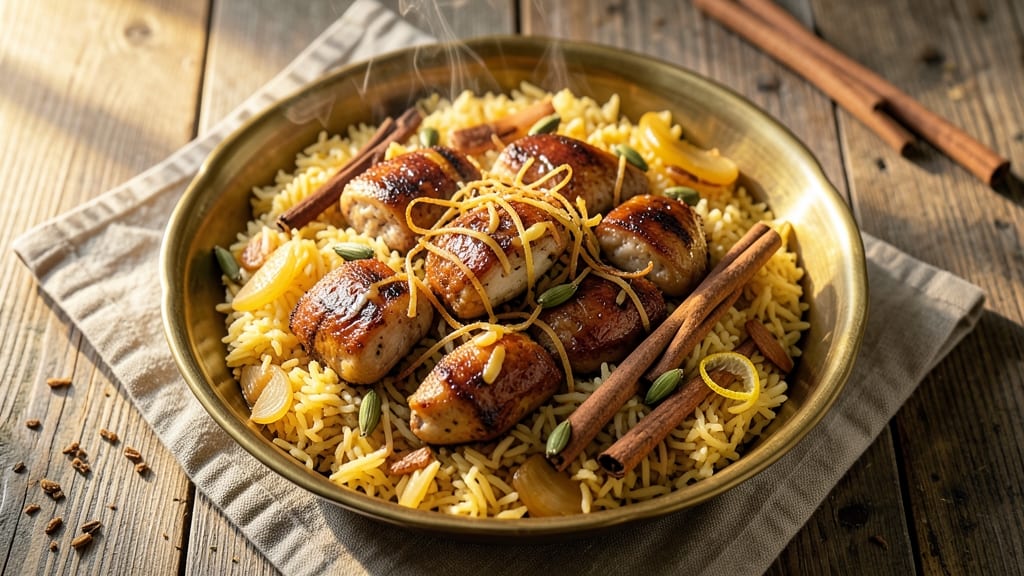
This chicken pilau rice recipe transforms weeknight dinners into a fragrant, restaurant-worthy feast with minimal effort. The secret lies in a five-spice marinade—cinnamon, cardamom, and cloves—that infuses the chicken with warm, aromatic depth while the basmati rice absorbs the flavors through a gentle dum cooking method.
I developed this version after years of testing, ensuring the chicken stays tender and the rice achieves that signature fluffy, separate-grain texture.
What sets this dish apart is the balance of technique and simplicity. You'll start with a quick marinade for the chicken, followed by a fragrant whole-spice tempering that layers flavor without overpowering.
The rice cooks in its own broth, absorbing the spices as it steams, resulting in grains that are light yet packed with aroma. This method preserves the integrity of each ingredient while creating a cohesive, harmonious dish that feels both comforting and sophisticated.
By the time you serve this pilau, your kitchen will smell like a bustling South Asian restaurant, and every bite will deliver tender chicken threaded with spiced rice. The dish is complete as-is, but pairing it with a cooling cucumber raita or a simple green salad adds contrast and balance.
It's the kind of meal that feels special without requiring hours in the kitchen—perfect for family dinners, meal prep, or impressing guests.
The beauty of this recipe is its adaptability. Use bone-in thighs for extra richness or lean breast for a lighter option. For those short on time, the marinade can be prepped ahead, and the rice can be cooked in a rice cooker with minor adjustments.
Let's get started on a dish that brings warmth, flavor, and authenticity to your table.
Ingredients for chicken pilau rice
Fifteen ingredients, five spices, and one aromatic dish that smells like home.
| Ingredient | Amount | Notes |
|---|---|---|
| Chicken Thighs 🍗 | 1 ½ lb | Bone-in, skin-on preferred |
| Basmati Rice 🌾 | 1 ½ cups | Uncooked, long-grain preferred |
| Ground Cumin 🌿 | 1 tbsp | Toasted for deeper flavor |
| Ground Coriander 🍃 | 1 tbsp | Freshly ground preferred |
| Cinnamon Sticks 🌿 | 2 whole | For tempering, not for eating |
| Green Cardamom Pods 🌿 | 8 whole | Lightly crushed |
| Cloves 🌿 | 4 whole | Whole, not ground |
| Fresh Ginger 🧄 | 1 ½ tbsp | Finely grated, fresh preferred |
| Yellow Onions 🧅 | 1 whole | Medium size, finely chopped |
| Garlic Cloves 🧄 | 6 cloves | Peeled, minced |
| Chicken Broth 💧 | 2 cups | Low-sodium preferred |
| Fresh Cilantro 🌿 | ¼ cup | Chopped, for garnish |
| Ghee 🫒 | 2 tbsp | For tempering, clarifies flavor |
| Salt 🧂 | 1 ½ tsp | Adjust to taste |
| Black Peppercorns 🌶️ | ½ tsp | Crushed, for tempering |
The chicken thighs are key here—bone-in and skin-on give the most flavor, but boneless works in a pinch. Costco or local butcher counters often have pre-cut thighs at a better price than the grocery store. If you can't find bone-in, just add 5 extra minutes to the cooking time. For the basmati rice, Indian or Pakistani brands like India Gate or Tilda are ideal—they're long-grain and stay separate. If you only have short-grain, rinse it thoroughly to avoid mushiness. The spices? Whole spices are non-negotiable—they release flavor differently than ground. Toast them lightly in a dry pan before using to wake up their aroma.
No ghee? Butter or neutral oil works, though ghee gives that signature nutty depth. Short on cardamom? Substitute with 1 tsp ground cardamom, but it won't have the same floral note. The ginger and garlic can be swapped for 1 tbsp ginger-garlic paste if you're in a hurry, but fresh is always better. For the broth, low-sodium is crucial—pilau is all about balance, and you don't want to over-salt. The onions? Yellow or red both work, but yellow has a sweeter base flavor. If you're using a rice cooker, just add the broth and spices at the same time—no need to pre-temper.
This dish reheats beautifully—just add a splash of water or broth and cover. Keeps for 4 days in the fridge and freezes well for 3 months. For meal prep, cook the rice and chicken separately, then combine when reheating to keep the grains from getting soggy. The flavors actually deepen overnight, so leftovers often taste better the second day. Store the ghee in a cool, dark place—it lasts 6-12 months unopened. Fresh cilantro? Wrap it in damp paper towels and store in a sealed bag for 5-7 days.
Why You'll Love This Recipe
- One-Pot Magic: I swear by this recipe because it’s actually one-pot—no rice cooker juggling, no separate pans. Just brown the chicken thighs with whole spices (cinnamon sticks!), add the rice and broth, and let it simmer. The spices infuse everything, and cleanup is just a quick rinse of one pot. Honestly, I make this when I’m too tired to think.
- Spice Bomb Fusion: That first bite? It’s where warm cumin, bright coriander, and a whisper of cinnamon collide with juicy chicken. The basmati rice soaks up all the flavor, and the thighs stay tender with just a hint of crisp. I’ll be real: my kids fight over the last piece, and I haven’t even added raisins or nuts yet.
- Lunchbox Hero: This dish is my go-to for meal prep because it reheats like a dream—no soggy rice, no dry chicken. Pack it in containers for work or school lunches, and it’s still flavor-packed hours later. Between us, I’ve sent my husband to meetings with this, and he’s come back begging for the recipe.
- Budget Win: Chicken thighs are cheaper than breasts, and a handful of spices stretch this recipe to feed four for under $15. The leftovers? Even better the next day—if there are any. I’ve fed a houseful with this, and it’s always the dish people ask for seconds on. Solid, reliable, and my secret weapon for stretching groceries.
Step-by-step instructions for chicken pilau rice
Transform simple ingredients into aromatic, restaurant-quality pilau with this precise technique.
Prepare the Chicken and Aromatics
Pat the 1.5 lb chicken thighs dry with paper towels and season generously with 1.5 tsp salt and 0.5 tsp crushed black peppercorns. Set aside. In a medium bowl, combine 1.5 tbsp finely grated fresh ginger, 1 whole yellow onion (finely chopped), 6 cloves minced garlic, 1 tbsp ground cumin, and 1 tbsp ground coriander. This aromatic blend forms the flavor foundation for your pilau.
Heat 2 tbsp ghee in a large, heavy-bottomed pot over medium-high heat. Add the seasoned chicken thighs skin-side down and cook for 5-6 minutes, pressing gently with a spatula to render the fat. The skin should turn golden brown and crispy—this ensures maximum flavor infusion. Flip the chicken and cook for another 3-4 minutes until the meat is no longer pink on the surface. Remove the chicken and set aside temporarily.
Temper the Spices and Cook the Rice
In the same pot, reduce heat to medium and add 2 whole cinnamon sticks, 8 lightly crushed green cardamom pods, and 4 whole cloves. Let them sizzle for 30 seconds until fragrant—this releases their essential oils, creating the signature pilau aroma. Immediately add the prepared onion-ginger-garlic mixture and cook for 4-5 minutes until the onions soften and turn translucent.
Stir in the 1.5 cups basmati rice, coating each grain evenly with the spiced oil. Toast the rice for 2 minutes until it turns slightly translucent at the edges. This step prevents mushy rice and enhances the nutty flavor of the basmati. Pour in the 2 cups chicken broth and bring to a gentle boil. Once boiling, reduce heat to low, cover the pot tightly with a lid, and simmer for 15 minutes without disturbing. The rice should absorb the broth and cook evenly.
Finish and Rest the Pilau
After 15 minutes, turn off the heat and let the rice sit covered for 10 minutes. This resting period allows the steam to redistribute, resulting in perfectly fluffy grains. Gently fluff the rice with a fork, then return the chicken thighs to the pot. Spoon the accumulated juices and any remaining broth over the chicken, ensuring it's fully coated in the fragrant rice mixture.
Cover again and let it rest for another 5 minutes. This final step ensures the chicken absorbs the aromatic rice and remains tender. Garnish with 0.25 cup chopped fresh cilantro before serving. The pilau should have a delicate balance of spices, tender chicken, and fluffy rice with a subtle golden hue from the ghee tempering.
Pro Tips For Making Chicken Pilau Rice
- Parboil the Rice First: Skip the direct pot method—parboil your basmati rice for 5 minutes before adding it to the chicken and spices. This guarantees even cooking later and prevents the rice from turning mushy when absorbing the pilau’s liquid. (Yes, even if you’re impatient like me, this step actually works.)
- Toast the Whole Spices: Don’t just dump ground cumin and coriander into the pan—lightly toast your cinnamon sticks and whole spices (if using) in the oil until fragrant (about 30 seconds). The aroma locks in better, and the spices won’t taste bitter. I learned this the hard way after burning three batches of bland pilau.
- Don’t Crowd the Chicken: Cut your chicken thighs into even-sized pieces and arrange them in a single layer in the pot. Overcrowding steams the meat instead of searing it, which means you’ll end up with dry, rubbery chicken. Start with a hot pan and let them brown properly—this isn’t the time to rush.
- Use a 1:1.5 Rice-to-Liquid Ratio: For pilau, the rice-to-liquid ratio isn’t 1:2 like regular rice—use 1 part rice to 1.5 parts liquid (chicken stock + any released juices). Too much water = soggy rice; too little = dry. If your pot’s tight, start with 1:1.2 and adjust as you go. (Your future self will thank you.)
Troubleshooting this dish
Mushy Rice Fix
If your rice turns out mushy, it’s usually from overcooking or using the wrong rice. First, rinse your basmati rice thoroughly before cooking to remove excess starch—this prevents clumping. For the recipe, stick to a 1:1 rice-to-broth ratio (1.5 cups rice to 2 cups broth) and never peek while cooking.
If it’s already mushy, try toasting the rice longer next time (up to 3 minutes) before adding liquid. For an instant fix, spread the rice on a baking sheet and bake at 350°F for 10-15 minutes to dry it out. 🌾
Underseasoned Pilau
Pilau should be aromatic but balanced—if it tastes bland, the spices likely didn’t infuse properly. Toast your whole spices (cinnamon, cardamom, cloves) in a dry pan for 30 seconds before adding them to the pot to wake up their flavors.
For extra depth, bloom the spices in ghee for 1 full minute before adding onions. If the dish still lacks punch, stir in ½ tsp more ground cumin or coriander at the end. Taste as you go—pilau should sing with warmth, not overpower. 🌶️
Dry or Tough Chicken
Overcooking chicken is the #1 culprit for dry meat. Remove chicken at 160°F internal temp (it’ll rise to 165°F while resting). For extra tenderness, marinate the thighs for at least 30 minutes (overnight is best) in the spice blend.
If using boneless skinless breasts, brine them for 20 minutes in ¼ cup salt per 4 cups water before cooking. And here’s a pro tip: Rest the chicken for 10 minutes after removing it from the pot—this keeps juices locked in. 🍗
Broth Too Weak
Store-bought broth can be watery, diluting your pilau’s depth. Boost flavor by adding 1 tbsp tomato paste or ½ cup crushed tomatoes to the broth while cooking.
For a richer base, deglaze the pot after removing the chicken with ½ cup white wine or apple cider vinegar, then simmer for 2 minutes before adding rice. If using homemade broth, skim off excess fat before using—just 1 tbsp reserved fat adds incredible richness. 💧
Spice Burnt or Bitter
Burnt spices ruin the dish’s delicate balance. Keep heat at medium when tempering whole spices—never high. If they darken too quickly, reduce heat immediately and stir constantly. For a smoother flavor, lightly crush cardamom pods (don’t grind) and break cinnamon sticks into small pieces.
To fix bitterness, add 1 tbsp honey or 1 tsp sugar at the end—it rounds out harsh notes beautifully. 🌿
Uneven Cooking
Pilau should be evenly cooked with tender chicken and fluffy rice. If your rice is undercooked, simmer for 5 more minutes covered. For overcooked rice, fluff it gently with a fork and stir in 1 tbsp cold butter or ghee to refresh texture.
If chicken cooks unevenly, use thighs with skin on—the fat renders slowly, keeping meat moist. For large batches, use two pots or a heavy-bottomed Dutch oven to distribute heat evenly. ⚡
Nutrition facts
Frequently asked questions
Can I use chicken breast instead of thighs for this pilau?
Yes, but with adjustments! Chicken breast is leaner, so it dries out faster. For best results, use 1.5 lb boneless, skinless breasts and brine them for 20 minutes in ¼ cup salt per 4 cups water before cooking. Also reduce cooking time to 4-5 minutes per side—remove when internal temp hits 160°F. The breasts will stay tender if rested 10 minutes before serving.
What's the secret to getting fluffy basmati rice in pilau?
The key is the dum cooking method—toasting the rice briefly in spiced oil before adding broth, then sealing it tightly. Use a 1:1 rice-to-broth ratio (1.5 cups rice to 2 cups broth) and never peek while cooking! After simmering 15 minutes, let it rest 10 minutes covered. This steam redistribution creates those signature separate grains.
How can I make this pilau less spicy for kids?
Reduce the ground spices by half (0.5 tbsp cumin and coriander) and omit the whole spices during tempering. Use 1 tsp mild paprika instead of toasted spices for color. For extra mildness, serve the rice and chicken separately with a side of plain yogurt or cucumber raita to balance any residual warmth. Taste as you go—pilau should be aromatic but gentle!
Can I cook this in a rice cooker?
Follow the same steps until the rice toasting stage. Add the 2 cups broth and whole spices to the rice cooker, then cook on white rice setting. For extra flavor, bloom the spices in ghee for 1 minute before adding rice. The chicken can cook separately or finish in the rice cooker during the last 5 minutes of cooking.
What's the best way to reheat leftover pilau?
Spread the pilau on a baking sheet and reheat at 350°F for 10-15 minutes to refresh the texture. For stovetop reheating, add 2 tbsp water or broth per cup of pilau and simmer 3-5 minutes covered. Never microwave—it makes the rice gummy. Leftovers actually taste better the next day as flavors meld!