
Main Courses
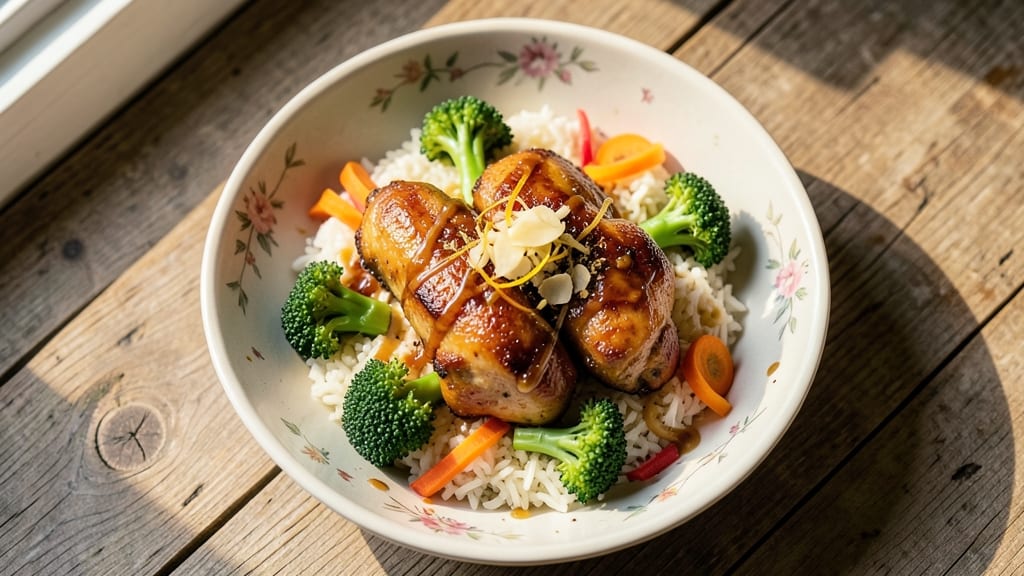
This chicken rice broccoli carrots recipe delivers a complete, balanced meal where every component shines—tender chicken, fluffy rice, and crispy vegetables all cooked to perfection in one pan. The secret lies in a simple technique that transforms simple ingredients into a restaurant-worthy dish without the fuss.
I developed this recipe during a busy week when I needed dinner on the table quickly but still wanted flavor and nutrition.
The magic happens with a two-step cooking process: first, searing the chicken and vegetables until they develop a golden crust, then simmering everything together with rice and broth.
This method ensures the chicken stays juicy, the rice absorbs all the flavors, and the broccoli and carrots achieve that satisfying crisp-tender texture. The result is a dish that's hearty enough for a family dinner but simple enough for a weeknight.
What you'll end up with is a harmonious plate where each ingredient plays its part—juicy chicken pieces, perfectly cooked rice, and vibrant vegetables with just the right bite. The aromas of garlic, ginger, and soy sauce infuse every bite, creating a balance of savory, slightly sweet, and umami flavors.
This is the kind of meal that feels special but requires minimal effort.
Best served fresh from the pan, this recipe also reheats beautifully for leftovers. The flavors deepen as the ingredients meld together, making it even more satisfying the next day. Ready to transform simple ingredients into a complete meal? Let's get started.
Ingredients for chicken rice broccoli carrots
Four core ingredients meet one-pan magic for a restaurant-style meal in minutes.
| Ingredient | Amount | Notes |
|---|---|---|
| Boneless, Skinless Chicken Thighs 🍗 | 1 ½ lb | Cut into 1-inch pieces |
| Long-Grain White Rice 🍚 | 1 cup | Uncooked, jasmine or basmati preferred |
| Fresh Broccoli Florets 🥦 | 4 cups | Medium-sized florets, stems trimmed |
| Carrots 🥕 | 1 ½ lb | Baby or whole, cut into 1-inch chunks |
| Garlic Cloves 🧄 | 4 cloves | Minced for depth of flavor |
| Fresh Ginger 🌿 | 1 tbsp | Grated, for aromatic punch |
| Low-Sodium Soy Sauce 🍶 | ⅓ cup | For umami richness |
| Chicken Broth 💧 | 1 ½ cups | Low-sodium preferred |
| Sesame Oil 🫒 | 1 tbsp | For nutty aroma, toasted |
| Vegetable Oil 🫒 | 2 tbsp | High smoke point for searing |
| Salt 🧂 | 1 ½ tsp | Kosher or sea salt |
| Ground Black Pepper 🌶️ | ½ tsp | Freshly cracked |
| Green Onions 🧅 | 2 whole | Sliced, for garnish |
| Toasted Sesame Seeds 🌾 | 1 tsp | Optional garnish |
The chicken thighs are non-negotiable here—bone-in, skin-on stays juicier than breasts, but boneless works too. Look for organic or pasture-raised at Whole Foods or your local butcher if you want premium quality. For the rice, jasmine or basmati holds up best to the long cooking process—day-old rice from the fridge even works for extra texture. Broccoli and carrots should be fresh and crisp; if they're rubbery, skip them. The garlic and ginger? Freshly grated or minced makes all the difference—jarred won't cut it for this dish.
No soy sauce? Coconut aminos or tamari work in a pinch, though the flavor will differ slightly. Running low on chicken broth? Vegetable broth plus 1 tsp fish sauce (if vegetarian, use soy sauce) gets you close. For the sesame oil, toast it in a dry pan for 30 seconds first to deepen the aroma—don't skip this step. The carrots can be swapped for snap peas or bell peppers if you prefer, but they won't achieve the same crisp-tender texture. And if your green onions are wimpy, substitute scallions or skip entirely—this dish shines without them.
This dish reheats beautifully—cover with a damp paper towel and microwave for 2-3 minutes to revive crispness. Store leftovers in an airtight container for up to 4 days; the flavors actually deepen overnight. For meal prep, double the recipe and freeze portions in single-serving containers. The rice will dry out faster than the chicken and veggies, so reheat with a splash of water or broth. Garnish with sesame seeds right before serving—they add crunch and visual appeal that disappears when reheated.
Why You'll Love This Recipe
- One-Pan Magic: I swear by this—just toss everything on one sheet pan, and the garlic and chicken juices baste the rice and veggies as they cook. No pots, no pans, no stress. (Yes, even on a Tuesday night.)
- Garlic Bomb Flavor: That minced garlic? It’s the MVP—sizzling in the pan until fragrant, then clinging to the chicken like it’s never letting go. The rice soaks up every bit of that savory punch, and the carrots? They caramelize just enough to make you want to eat them first.
- Meal Prep MVP: Make a double batch on Sunday, and you’ve got lunch for the week—no sad desk lunches here. The rice stays fluffy, the chicken stays juicy, and the veggies hold up perfectly. (Between us, this is how I survive busy mornings.)
- Budget-Friendly Powerhouse: Chicken thighs are cheaper than breasts, rice fills you up, and carrots/broccoli stretch a meal without breaking the bank. Honestly, I feed my family four nights a week with this—minimal cost, maximum satisfaction. Not the prettiest, but the taste makes up for it.
Step-by-step instructions for chicken, rice, broccoli, and carrots
Here's how to create a perfectly balanced one-pan meal with tender chicken and crisp-tender vegetables.
Prepare the Chicken and Aromatics
Cut the 1.5 lb boneless, skinless chicken thighs into 1-inch pieces using a sharp knife. In a large bowl, combine the chicken with the 1 tbsp grated fresh ginger, 1.5 tsp salt, and 0.5 tsp ground black pepper. Toss until the chicken is evenly coated. This step ensures the chicken absorbs all the flavors before cooking.
In a separate small bowl, mince the 4 cloves garlic cloves and slice the 2 whole green onions. Set these aside for later use. The garlic will add depth of flavor, while the green onions will provide a fresh finish. Keep these aromatics separate until they're needed to preserve their freshness.
Sear the Chicken and Vegetables
Heat a large, deep skillet or Dutch oven over medium-high heat. Add 2 tbsp vegetable oil and swirl to coat the bottom evenly. Once the oil shimmers, add the seasoned chicken pieces in a single layer. Cook undisturbed for 3-4 minutes until the chicken develops a golden-brown crust on one side.
Flip the chicken and cook for another 3-4 minutes until golden on the second side. Remove the chicken and set it aside on a plate. In the same skillet, add the 1.5 lb carrots cut into 1-inch chunks and the 4 cups fresh broccoli florets. Cook for 5-6 minutes, stirring occasionally, until the carrots begin to soften and the broccoli turns bright green.
Toast the Rice and Build the Flavor Base
Add the 1 cup long-grain white rice to the skillet with the vegetables. Stir to coat the rice in the rendered chicken fat and vegetable oil. Cook for 2-3 minutes, stirring constantly, until the rice grains become slightly translucent at the edges. This step, called "toasting," enhances the nutty flavor of the rice and prevents it from becoming mushy.
Add the minced 4 cloves garlic cloves and cook for 30 seconds until fragrant. Immediately pour in the 1.5 cups chicken broth and the 0.33 cup low-sodium soy sauce. Stir well to combine, ensuring the rice and vegetables are evenly coated with the liquid. Bring the mixture to a gentle simmer.
Simmer the One-Pan Meal
Return the chicken to the skillet, spooning any accumulated juices from the plate over the top. Cover the skillet with a tight-fitting lid and reduce the heat to low. Let the mixture simmer for 18-20 minutes, or until the rice is tender and the liquid has been absorbed. Avoid lifting the lid during this time to maintain consistent heat and prevent the rice from drying out.
After 18 minutes, check the rice for doneness by pressing a grain between your fingers—it should be tender but still have a slight bite. If the rice is not yet tender, continue cooking for another 2-3 minutes. The vegetables should be crisp-tender, with the carrots slightly softened but still holding their shape and the broccoli bright green and slightly crisp.
Finish and Garnish
Once the rice and vegetables are perfectly cooked, remove the skillet from the heat. Stir in the 1 tbsp sesame oil and gently toss to coat everything evenly. This step adds a nutty aroma and enhances the overall flavor profile of the dish. Taste and adjust the seasoning with additional salt or soy sauce if needed.
Transfer the one-pan meal to a serving dish and garnish with the sliced 2 whole green onions and sprinkle with 1 tsp toasted sesame seeds. Serve immediately while the chicken is still juicy and the vegetables retain their crisp-tender texture. This dish delivers a harmonious balance of flavors and textures, making it a satisfying and nutritious meal for any occasion.
Pro Tips For Making Chicken Rice Broccoli Carrots
- Trim Chicken Properly: Cut chicken thighs into even 1-inch chunks—thicker pieces stay tough, thinner ones dry out. Use kitchen shears for speed (yes, even if you’re impatient like me), and pat them very dry with paper towels before seasoning. Moisture is the enemy of crispy edges in this dish.
- Parboil Carrots First: Toss sliced carrots in boiling water for 2 minutes before adding to the pan. They’ll soften faster and hold their shape instead of turning to mush—especially important if you’re skipping the stovetop and using a rice cooker. (I learned this the hard way when my carrots dissolved into the broth.)
- Don’t Crowd the Pan: Cook chicken in a single layer over medium-high heat, or you’ll steam it instead of sear it. If your pan’s too small, work in batches—golden-brown crust is non-negotiable here. Overcrowding also means garlic burns before the chicken’s done, and that’s a flavor disaster.
- Toast the Garlic: Smash those garlic cloves flat with the side of your knife before adding them to the pan. They’ll brown in 30 seconds instead of lingering unnoticed, giving the whole dish that nutty depth. Skip this, and you’re just flavoring with raw garlic paste—no offense, but it’s not the same.
Essential equipment for chicken rice broccoli carrots
One-Pan Skillet
This 12-inch cast iron skillet (like the Lodge Pre-Seasoned) is my go-to for this recipe—it retains heat beautifully and creates that perfect crust on chicken and veggies. If you don’t have cast iron, a heavy-bottomed stainless steel skillet (such as All-Clad) works just as well.
The deep sides help prevent spills when tossing everything together. 🔥
Dutch Oven
A 5-6 quart Dutch oven (I love Le Creuset) is ideal if you're feeding a crowd or want extra room for tossing. It distributes heat evenly, which is crucial for keeping the rice from sticking or burning.
Dutch ovens also double as great serving dishes—just transfer straight to the table. The lid helps trap steam for perfectly tender rice.
Measuring Tools
Precision matters here! Use a stainless steel measuring cup (like OXO Good Grips) for rice and broth, and a small kitchen scale (such as Escali Primo) for accurate chicken and vegetable portions.
A microplane for garlic and ginger ensures fine, even mincing—no clumps! For sesame oil, a small squeeze bottle makes drizzling effortless. 💡
Tongs and Spoon
Invest in a long-handled tong (I use Meridian) for flipping chicken without crowding the pan, and a heat-resistant silicone spatula (like OXO Good Grips) for scraping up stuck bits.
A wooden spoon works too, but silicone won’t melt if it slips. These tools make stirring, flipping, and tossing the final dish a breeze—no burnt fingers here!
Lid for Steaming
A tight-fitting lid (the one that came with your skillet or Dutch oven) is non-negotiable for the simmering step. It traps steam, ensuring the rice cooks evenly without drying out. If yours doesn’t fit perfectly, a parchment paper circle (cut to size) under the lid helps seal gaps.
Pro tip: Rest the lid slightly ajar for the last 2 minutes to let excess moisture escape—this keeps veggies crisp-tender. ✨
Optional Extras
For garnishing, a small bowl for sesame seeds and a sharp knife (like Wüsthof) for slicing green onions make presentation easy. A fine-mesh strainer (for rinsing rice if needed) and a small bowl for mixing soy sauce and sesame oil keep your workspace organized.
These extras turn a good dish into a visually stunning one with minimal effort.
Nutrition facts
Frequently asked questions
Can I use chicken breasts instead of thighs?
Chicken breasts work, but they're leaner and more likely to dry out. If using breasts, cut them into ½-inch thick pieces and cook for 2-3 minutes less per side. For extra moisture, add 1 tbsp honey or brown sugar to the soy sauce mixture. Thighs stay juicier because of their higher fat content.
How do I get the broccoli and carrots extra crispy?
For maximum crisp-tenderness, blanch the veggies first: Boil water, add broccoli for 1 minute and carrots for 2 minutes, then transfer to ice water. Pat dry thoroughly before searing. Another trick is to add ½ tsp baking soda to the cooking water—it helps maintain bright green color and crunch.
What if my rice turns out mushy?
Mushy rice usually means too much liquid or insufficient toasting. Next time, toast the rice for 4-5 minutes until completely opaque before adding broth. If using day-old rice, reduce broth by ¼ cup and simmer uncovered for 5 extra minutes to evaporate excess moisture. A splash of sesame oil at the end helps restore texture.
Can I make this gluten-free?
Yes! Swap the soy sauce for tamari or coconut aminos (both gluten-free). Use gluten-free chicken broth and check that your rice is certified gluten-free. The recipe's core technique remains the same—just watch for any hidden gluten in seasonings. For extra flavor, add 1 tsp gluten-free fish sauce with the soy sauce.
How do I reheat leftovers without drying out the chicken?
Cover the dish with a damp paper towel and microwave for 1-2 minutes on medium power. For stovetop reheating, add 2 tbsp water or broth to the pan and cover for 3-4 minutes on low heat. The steam helps restore moisture. Add fresh green onions and sesame seeds after reheating for maximum freshness.