
Main Courses
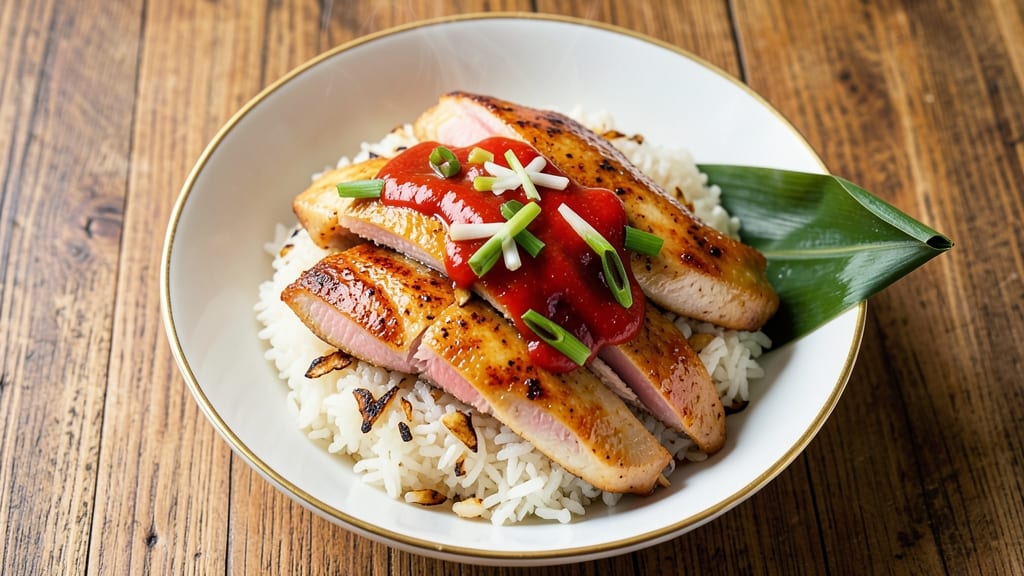
This Chinese-style chicken and rice recipe brings the comforting aromas of Singaporean hawker stalls to your kitchen. The secret lies in the delicate balance of five-spice powder and ginger that infuses both the tender poached chicken and fragrant jasmine rice.
I've perfected this dish over years of testing, ensuring every bite delivers that perfect harmony of savory, aromatic flavors.
The dish starts with poaching chicken in a light ginger-scallion broth, which keeps the meat incredibly tender while absorbing subtle flavors. Meanwhile, the jasmine rice is cooked with pandan leaves and a touch of salt, creating that signature fragrant aroma that's so characteristic of Chinese-style rice dishes.
This method transforms simple ingredients into something truly special.
What makes this recipe stand out is how the flavors develop during cooking—the chicken remains juicy and flavorful, while the rice stays light yet fragrant. The result is a complete meal where every component complements the other, creating a satisfying balance of textures and tastes that's both comforting and impressive.
Serve with classic sides like cucumber salad or soy-ginger sauce for that authentic hawker experience. This recipe delivers restaurant-quality results at home, with minimal effort but maximum flavor impact. Let's create this dish together.
Ingredients for chicken rice chinese style
Authentic Chinese flavors start with these carefully selected ingredients for fragrant, restaurant-style chicken and rice.
| Ingredient | Amount | Notes |
|---|---|---|
| Boneless, Skinless Chicken Thighs 🍗 | 1 ½ lb | Cut into 1-inch pieces for even cooking |
| Jasmine Rice 🍚 | 1 ½ cups | Uncooked, long-grain preferred |
| Fresh Ginger Root 🧄 | 2 tbsp | Finely minced (about 1 oz total) |
| Green Onions 🧅 | ½ cup | Sliced diagonally, white and green parts separated |
| Five-Spice Powder 🌶️ | 1 ½ tsp | Authentic Chinese blend preferred |
| Pandan Leaves 🍃 | 2 whole | Fresh or dried, tied in cheesecloth |
| Low-Sodium Soy Sauce 🥢 | ¼ cup | Kikkoman preferred for authentic flavor |
| Sesame Oil 🫒 | 1 tbsp | Toasted, for finishing |
| Vegetable Oil 🫒 | 2 tbsp | High smoke point for wok cooking |
| Garlic Cloves 🧄 | 4 cloves | Minced for aromatic base |
| Salt 🧂 | 1 ½ tsp | Diamond Crystal preferred for balance |
| White Peppercorns 🌶️ | ½ tsp | Freshly ground for subtle heat |
| Water 💧 | 2 ½ cups | Filtered preferred for rice |
| Lemon Wedges 🍋 | 2 whole | For serving, optional garnish |
The five-spice powder is non-negotiable here—Penzeys or local Asian markets carry the best blends. Look for jars labeled 'authentic Chinese' to avoid generic supermarket versions. Fresh ginger and pandan leaves elevate this beyond basic rice dishes; Asian grocery stores often sell pre-packaged bundles. For the chicken, thighs stay juicier than breasts during poaching. If using breasts, pound them to even thickness for consistent cooking. The jasmine rice should be Thai or Vietnamese brands—avoid basmati or long-grain white rice, which lack the fragrant aroma.
No pandan leaves? Substitute 1 tsp pandan extract or 1 tbsp toasted coconut milk powder for a milder effect. Short on five-spice powder? Combine 1 tsp each ground cinnamon, fennel seeds, star anise, cloves, and black pepper for a homemade version. The soy sauce can be reduced if you prefer less saltiness—low-sodium versions work perfectly. For the green onions, the white parts add more flavor to the broth, while the green tops provide color. If you can't find fresh pandan, dried leaves steeped in hot water work in a pinch, though fresh is ideal for that signature aroma.
Store cooked chicken and rice separately in airtight containers for up to 3 days in the fridge. The flavors actually deepen overnight, making leftovers even more delicious. For longer storage, freeze portions for up to 2 months. Reheat gently in a steamer basket over simmering water to maintain moisture. The ginger-scallion broth can be made ahead and reheated separately—simply add it back to the chicken just before serving. Garnish with fresh green onions and a drizzle of sesame oil for that final hawker-style touch.
Why You'll Love This Recipe
- One-Pot Magic: I swear by this trick—just brown the chicken thighs, toss in the rice with the ginger and five-spice, then let it simmer. No chopping, no fussing, and one pot to wash. The chicken stays juicy while the rice soaks up all that aromatic broth.
- Five-Spice Secret Weapon: That little jar of five-spice powder transforms everything. It’s like a warm hug of cinnamon, star anise, and clove that clings to the chicken and rice. Honestly, I’ve tried other recipes, but this one? It’s the only one where I actually measure the spice carefully.
- Lunchbox Hero: Between us, this is my go-to for meal prep. The rice stays fluffy for days, and the chicken reheats like it’s fresh off the stove. Pack it cold for work or microwave it for a lazy evening—it’s that dependable.
- Budget-Friendly Feast: Chicken thighs are forgiving and cheap, and jasmine rice stretches further than white rice. I make this for four people, and we still have leftovers for lunch. Plus, ginger and green onions are pantry staples that add luxury without cost.
Step-by-step instructions for Chinese-style chicken and rice
Master this aromatic wok technique for restaurant-quality Chinese chicken and rice.
Prepare the Chicken and Seasoning Base
Cut the 1.5 lb boneless, skinless chicken thighs into 1-inch pieces for even cooking. In a small bowl, combine the 1.5 tsp five-spice powder, 1.5 tsp salt, and 0.5 tsp freshly ground white peppercorns. Toss the chicken pieces with this spice blend until fully coated and set aside.
Tie the 2 whole pandan leaves in cheesecloth to create a fragrant sachet. This subtle aromatic will infuse the rice with its signature floral note. Mince the 4 cloves garlic and 2 tbsp fresh ginger root finely—these aromatics form the flavor foundation of the dish.
Cook the Chicken in the Wok
Heat a wok or large skillet over medium-high heat until hot. Add 2 tbsp vegetable oil and swirl to coat. Working in batches if needed, add the chicken pieces and cook for 4-5 minutes until golden brown on all sides. The chicken should develop a slight char while remaining juicy inside.
Remove the chicken and set aside. In the same wok, add the minced garlic and ginger, cooking for 30 seconds until fragrant. Pour in the 0.25 cup low-sodium soy sauce and scrape up any browned bits from the bottom—this deglazing captures all the chicken flavor. Return the chicken to the wok and toss to coat in the sauce.
Prepare the Jasmine Rice
Rinse the 1.5 cups jasmine rice thoroughly under cold water until the water runs clear. This removes excess starch and prevents gummy rice. Combine the rice with 2.5 cups water in a pot and bring to a boil over high heat. Once boiling, reduce heat to low, cover tightly, and simmer for 15 minutes. Remove from heat and let it steam, covered, for another 10 minutes. The rice should be tender with a slight bite.
While the rice steams, slice the 0.5 cup green onions diagonally into white and green parts separately. The whites will cook into the rice while the greens will serve as a fresh garnish. Stir the pandan sachet gently in the rice pot once before removing it—this infuses the rice with its subtle aroma without overpowering it.
Combine Chicken and Rice
Gently fold the cooked chicken into the steamed rice using a spatula, being careful not to break the grains. Drizzle 1 tbsp toasted sesame oil over the top and toss lightly to distribute. The sesame oil adds a nutty depth that complements the five-spice blend.
Taste and adjust seasoning if needed—you may need a touch more soy sauce or salt to balance the flavors. The dish should be savory, aromatic, and slightly sweet from the caramelized chicken. Transfer to a serving platter and garnish with the sliced green onion greens and 2 whole lemon wedges for a bright contrast.
Pro Tips For Making Chicken Rice Chinese Style
- CHAR THE GINGER: Use a microplane or fine grater for ginger—no need to peel it first. The skin adds subtle depth, and you’ll get an even, fine texture that dissolves into the broth without clumping. (Yes, even if you’re impatient like me, resist the urge to chop it coarsely.)
- SALT THE CHICKEN FIRST: Pat the thighs dry, then sprinkle them with 1 teaspoon of salt and let them sit for 10 minutes before cooking. This guarantees juicier meat and better seasoning penetration—no more dry, flavorless chicken after all that work.
- DON’T RUSH THE RICE: Once the rice is cooked, spread it out on a tray and let it sit uncovered for 5 minutes. This dries the surface slightly so it won’t turn mushy when you mix in the chicken broth later. (I learned this the hard way—sticky rice is a crime.)
- STIR-FRY THE ONIONS FAST: Slice green onions into 1-inch chunks and stir-fry them in the wok after the chicken but before adding broth. High heat for 30 seconds—just until they blister slightly. This locks in their freshness and adds a smoky crunch that raw onions can’t match.
Regional styles of this dish
Singaporean Hawker Style
This version stays true to the hawker stalls of Singapore, where chicken rice is a national obsession. The key difference is using poached chicken instead of wok-tossed—it's cooked gently in a light ginger-scallion broth with a touch of white peppercorns for subtle heat.
The rice is steamed with pandan leaves for that signature floral aroma, and served with cucumber salad and chili sauce on the side. I remember my first time eating this at a Singaporean stall—it was love at first bite. 🌶️
Malaysian Five-Spice Twist
In Malaysia, they take the five-spice blend even more seriously, often adding star anise and cinnamon to deepen the aroma. The chicken is marinated in tamarind paste for a tangy kick before poaching, and the rice gets a splash of coconut milk for richness.
Serve with fried shallots and sambal for that fiery Malaysian heat. I first tried this version in Kuala Lumpur, and it completely changed how I think about chicken rice. 🌺
Hong Kong-Style Char Siu Chicken
For a more dramatic presentation, use char siu chicken—marinated in hoisin sauce, honey, and five-spice powder—instead of plain poached chicken. The rice remains the same fragrant jasmine base, but the chicken has that signature sticky, caramelized glaze.
Garnish with Chinese broccoli and pickled ginger for contrast. This version is perfect when you want to impress guests with restaurant-quality flavors. 🍯
Modern Fusion Approach
Want to put your own spin on it? Try swapping the jasmine rice for forbidden black rice and adding crispy shallots for texture. For the chicken, use a miso-ginger marinade instead of five-spice, then finish with a drizzle of yuzu kosho for brightness.
This fusion keeps the aromatic core while adding unexpected depth. I've been experimenting with this version lately—it's become a family favorite. 💡
Vegetarian Adaptation
For a plant-based version, replace the chicken with mushroom "chicken"—a mix of shiitake, oyster, and king oyster mushrooms sliced to mimic texture. Use the same ginger-scallion broth and five-spice marinade, but add soy sauce and a splash of coconut aminos for umami.
The rice stays the same, but garnish with toasted cashews and scallion oil for that savory crunch. It's surprisingly satisfying! 🌱
Regional Rice Variations
While jasmine rice is traditional, don't be afraid to experiment. In Southern China, they sometimes use glutinous rice for a stickier texture, while in Northern regions, short-grain rice is preferred for its creaminess.
For extra fragrance, add a bay leaf to the rice water or a pinch of cardamom. Each variation changes the dish's character while keeping that essential aromatic profile. 🍚
Nutrition facts
Frequently asked questions about Chinese-style chicken rice
Can I use chicken breast instead of thighs?
Chicken thighs stay juicier during poaching, but you can use breasts if preferred. Pound them to ½-inch thickness and reduce cooking time to 3-4 minutes per side to prevent drying. For extra moisture, add 1 tbsp cornstarch to the marinade or poach in a slightly richer broth with 1 cup chicken stock instead of water.
What if I can't find pandan leaves?
No problem! Use 1 tsp pandan extract or 1 tbsp toasted coconut milk powder for a milder floral note. For a different aroma, try ½ tsp cardamom pods (crushed) or 1 bay leaf tied in cheesecloth. The key is balancing the fragrance—start with half the amount and adjust to taste.
How do I make this dish less salty?
Reduce the soy sauce to 2 tbsp and omit the extra 1.5 tsp salt in the chicken marinade. For extra flavor without salt, add 1 tbsp fish sauce (if using) or ½ tsp MSG to the rice water. Taste the rice before mixing with chicken—it should be subtly seasoned but not briny.
Can I make this in an Instant Pot?
Yes! Cook the chicken first in the Instant Pot on Sauté mode for 4-5 minutes until browned. Then add 1 cup water, garlic, ginger, and soy sauce, sealing the lid and cooking on High Pressure for 8 minutes. For the rice, use the Rice setting with 2 cups water and the pandan sachet. The pressure method keeps the chicken incredibly tender.
What sides pair best with this dish?
Classic choices include cucumber salad (thinly sliced cucumbers with lime, chili, and salt), steamed Chinese broccoli, or pickled ginger. For a complete meal, add soy-ginger sauce (mix 2 tbsp soy sauce, 1 tbsp rice vinegar, 1 tsp sesame oil, and ½ tsp sugar) on the side. The acidity cuts through the richness beautifully.