
Main Courses
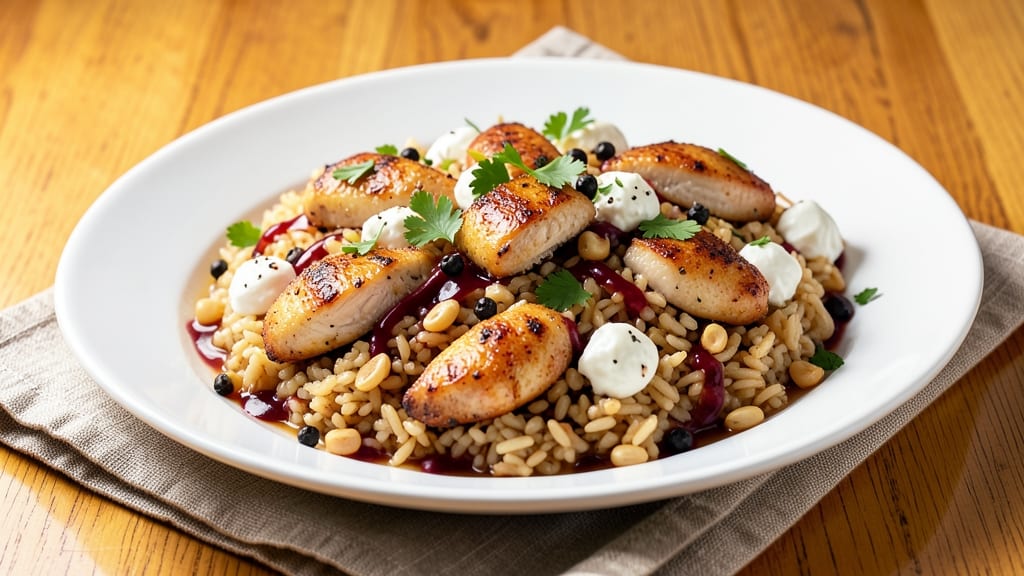
This chicken ricotta rice recipe delivers the perfect balance of creamy, herby comfort and elegant simplicity—ideal for weeknight dinners that feel restaurant-worthy. The secret lies in infusing the rice with ricotta cheese during cooking, creating a velvety texture that pairs beautifully with pan-seared chicken and fresh herbs.
I developed this technique after years of perfecting Italian-inspired one-pan dishes that minimize cleanup while maximizing flavor.
The recipe begins with tender chicken thighs seared to golden perfection, then finished in the oven with garlic and white wine for depth.
Meanwhile, the rice cooks in a rich broth infused with ricotta, creating a naturally creamy base that requires no heavy cream. Herbs like thyme and parsley brighten the dish, while a touch of lemon zest at the end adds freshness that cuts through the richness.
What you'll end up with is a dish that's restaurant-quality yet approachable—creamy but not heavy, herby but not overpowering. The chicken stays juicy, the rice develops a subtle crust, and the entire meal comes together in one pan for effortless cleanup.
This is the kind of recipe that transforms a simple dinner into an experience worth savoring.
Serve with a simple arugula salad or roasted asparagus for a complete meal that's both comforting and sophisticated. The leftovers reheat beautifully, making it perfect for meal prep or feeding a crowd. Let's get cooking!
Ingredients for chicken ricotta rice
Fourteen ingredients transform into a restaurant-worthy chicken ricotta rice masterpiece.
| Ingredient | Amount | Notes |
|---|---|---|
| Boneless, Skinless Chicken Thighs 🍗 | 1 ½ lb | Cut into even 1-inch pieces |
| Arborio Rice 🍚 | 1 cup | Unrinsed for creamy texture |
| Whole Milk Ricotta Cheese 🧀 | 1 cup | Full-fat for creaminess |
| Chicken Broth 💧 | 2 cups | Low-sodium preferred |
| Dry White Wine 🍷 | ½ cup | Substitute with extra broth |
| Garlic Cloves 🧄 | 4 cloves | Minced, not powdered |
| Fresh Thyme Sprigs 🌿 | 2 sprigs | Leaves only, stems removed |
| Fresh Parsley 🌿 | ¼ cup | Chopped, for finishing |
| Lemon Zest 🍋 | 1 tbsp | Bright yellow lemon |
| Extra-Virgin Olive Oil 🫒 | ¼ cup | For searing chicken |
| Unsalted Butter 🧈 | 2 tbsp | Cold, for rice |
| Diamond Crystal Kosher Salt 🧂 | 1 ½ tsp | Divided for seasoning |
| Freshly Ground Black Pepper 🌶️ | ½ tsp | Cracked peppercorns |
| Parmesan Cheese 🧀 | ¼ cup | Freshly grated, for serving |
The ricotta is the heart of this dish—whole milk, full-fat delivers the creamiest texture without heaviness. Whole Foods or specialty cheese counters carry the best quality, but any store's ricotta works if it's fresh (no watery separation). For chicken, bone-in thighs stay juicier, but boneless works too—just don't overcook. The Arborio rice is non-negotiable; its high starch content creates that coveted creamy crust. If you can't find it, Carnaroli is the next best thing. Prep ahead: measure everything before starting—this dish comes together fast once you begin.
No white wine? Dry vermouth or extra chicken broth works perfectly—just don't use sweet wine. Fresh herbs are ideal, but dried thyme at one-third the amount gets you close in a pinch. The lemon zest can be substituted with 1 tsp lemon juice plus 1 tsp sugar if you're out, though fresh zest adds brightness. For the olive oil, avoid light or refined varieties—you want peppery, fruity notes. The butter should be cold when added to the rice; if it's melted, chill it 10 minutes first. And that Parmesan? Only freshly grated will do—pre-grated cheese lacks the right texture.
This dish reheats beautifully—cover with foil and warm in the oven at 350°F for 10-15 minutes. For meal prep, portion into containers with the chicken on top to keep it moist. Keeps 4 days refrigerated or 3 months frozen. The ricotta rice freezes especially well, so make a double batch. For serving, I always add extra lemon zest and parsley to each portion—it's the little details that elevate this from weeknight dinner to special occasion. Store any unused fresh herbs in damp paper towels in a sealed container for up to 5 days.
Why You'll Love This Recipe
- One-Pan Magic: I swear by this recipe when I’m too tired to scrub pots—just brown the chicken, toast the rice, and let the broth and wine do the work. The ricotta melts right into the grains, so no extra stirring or fussing.
- Creamy Without Overdoing It: That whole milk ricotta is the star—it’s rich but not heavy, and the Arborio rice soaks it up perfectly. The wine cuts through the richness, leaving you with something that’s indulgent but still light enough for lunch.
- Weeknight to Weekend: Between us, this dish works for everything. Toss it in a thermos for work lunches, serve it at dinner parties (no one will guess it’s weeknight-friendly), or bring it to potlucks—it’s always a crowd-pleaser.
- Budget-Friendly Luxury: Chicken thighs and Arborio rice stretch further than you’d think, and ricotta is cheaper than you’d expect in bulk. Honestly, it’s the kind of meal that makes grocery day feel like a win.
Step-by-step instructions for chicken ricotta rice
This one-pan technique delivers a creamy, herby crust without sacrificing texture or flavor.
Sear the Chicken for Maximum Flavor
Heat a large, oven-safe skillet over medium-high heat until shimmering. Add the 0.25 cup extra-virgin olive oil and swirl to coat. Working in batches, add the 1.5 lb boneless, skinless chicken thighs cut into even 1-inch pieces, being careful not to overcrowd the pan.
Sear the chicken for 4-5 minutes per side until golden brown and the internal temperature reaches 165°F. The key here is patience—don't rush the searing or the crust will turn tough. Once cooked, transfer the chicken to a plate and set aside, leaving any rendered juices in the pan. These juices will later infuse the rice with deep, savory flavor.
Toast the Arborio Rice for Nutty Depth
Reduce the heat to medium and add the 1 cup unrinsed Arborio rice to the same skillet. Stir the rice for 2 minutes, allowing it to toast gently and release its nutty aroma. This step is crucial for developing the rice's natural flavors before cooking.
Next, add the 4 cloves minced garlic and 2 sprigs fresh thyme leaves, stirring for 30 seconds until fragrant. The garlic should sizzle lightly but not burn—watch closely. This aromatic base will form the flavor foundation for the entire dish.
Deglaze and Build the Creamy Base
Pour in the 0.5 cup dry white wine and scrape up any browned bits from the bottom of the pan. Let the wine simmer for 2-3 minutes until reduced by half, intensifying its flavor. This deglazing step captures all the caramelized chicken juices and creates a rich, velvety sauce.
Add the 2 cups chicken broth and bring to a gentle simmer. Stir in the 1 cup whole milk ricotta cheese, breaking it up into small pieces as it melts into the broth. The ricotta will create a luxurious creaminess that sets this dish apart from traditional risotto.
Cook the Rice to Al Dente Perfection
Add the 1.5 tsp kosher salt (divided evenly) and 0.5 tsp freshly ground black pepper. Stir once to distribute the seasoning, then let the rice cook undisturbed for 15 minutes. The rice should absorb the liquid gradually, forming a creamy, slightly sticky texture.
After 15 minutes, gently stir the rice again, adding 1-2 tablespoons of broth if it appears dry at the edges. The rice should be al dente—firm to the bite with a slight resistance. At this stage, the dish should resemble a thick, creamy porridge rather than dry grains.
Finish with Herbs and Crispy Topping
Return the seared chicken to the skillet and gently fold it into the rice. Sprinkle the 1 tbsp lemon zest and 0.25 cup chopped fresh parsley over the top, stirring lightly to distribute. The lemon zest adds a bright, citrusy contrast to the rich flavors, while the parsley provides a fresh, herbal finish.
Dot the surface with the 2 tbsp cold unsalted butter, cut into small pieces. Cover the skillet with a tight-fitting lid and transfer it to a preheated 375°F oven for 10 minutes. This final step creates a golden, crispy crust on top while keeping the rice creamy underneath—a hallmark of perfect risotto.
Rest and Serve with Parmesan
Remove the skillet from the oven and let the rice rest for 5 minutes, covered. This resting period allows the flavors to meld and the rice to set slightly, making it easier to serve. The dish should be creamy yet firm, with a crispy top layer that contrasts beautifully with the tender chicken.
Divide the chicken and rice among 4 plates, garnishing each serving with 0.25 cup freshly grated Parmesan cheese. The Parmesan adds a salty, umami depth that ties all the flavors together. Serve immediately with a simple green salad or roasted vegetables to balance the richness of the dish.
Pro Tips For Making Chicken Ricotta Rice
- Sear the Chicken First: Don’t skip browning those thighs—cast iron or heavy skillet, 4-5 minutes per side until golden. The crust locks in flavor and keeps the ricotta rice from tasting like plain broth. I used to poach them instead, and the dish never had the same depth.
- Toast the Arborio: Dry the rice in the pot for 2 minutes over medium heat before adding liquid—just until you smell that nutty aroma. This prevents gummy rice and helps absorb the wine and broth better. (Yes, even if you’re impatient like me.)
- Strain the Ricotta: Press whole milk ricotta through a fine-mesh sieve to remove excess water before folding it into the rice. Wet ricotta turns the dish soggy, and nobody wants mushy risotto. Do this 10 minutes before serving so it stays creamy.
- Deglaze with Wine: After searing the chicken, splash in that white wine immediately—don’t let the browned bits sit. Scrape the fond off the pan while it’s hot, or you’ll regret it later. The acidity cuts through the richness of the ricotta and balances the dish.
Essential equipment for perfect results
One-Pan Essentials
This recipe thrives in a 12-inch cast iron skillet—my trusty Lodge Pre-Seasoned handles the searing and oven finish flawlessly. The deep sides prevent splattering during deglazing, while the heavy base maintains even heat.
If you don’t own cast iron, a stainless steel sauté pan with an oven-safe handle works too. Just avoid nonstick—it can’t withstand the oven’s high heat and won’t develop that coveted crust. 🔥
Precision Tools
A meat thermometer is non-negotiable for perfect chicken—aim for 165°F internal temperature to avoid dryness. I swear by the ThermoWorks Smoke for its instant-read accuracy. For measuring, a stainless steel kitchen scale ensures consistent rice-to-liquid ratios, but a dry measuring cup works in a pinch.
The Microplane for lemon zest and garlic press save time without sacrificing texture.
Cheese Handling
Ricotta’s texture changes dramatically with temperature, so use a small mixing bowl to soften it slightly at room temp before adding to the rice. A spatula with a flexible edge helps fold the cheese gently into the broth without breaking it into lumps.
For Parmesan, a fine grater (like OXO Good Grips) delivers the perfect powdery consistency—pre-grated cheese lacks the umami punch. Keep a small bowl nearby to catch excess zest and herbs for easy garnishing.
Oven Safety
Always use oven mitts when transferring the hot skillet—cast iron retains heat for hours. A wire cooling rack helps dissipate heat if you need to rest the dish before serving.
For the oven finish, preheat your oven to 375°F and place a baking sheet on the rack below to catch any drips. If your skillet isn’t oven-safe, transfer the rice to a ceramic baking dish lined with parchment paper for even browning.
Herb Storage
Fresh thyme and parsley wilt quickly, so store them in damp paper towels wrapped in plastic wrap. A small glass jar with a loose lid keeps them fresh for up to 5 days in the fridge.
For lemon zest, use a zester or peeler—avoid grating the whole fruit, which adds bitter pith. Keep a cutting board nearby for prepping garlic and herbs efficiently. A sharp chef’s knife (like Wüsthof) makes mincing garlic in 30 seconds a breeze.
Cleanup Shortcuts
Line your counter with parchment paper before prepping to catch stray zest or herbs. A large bowl for soaking the skillet in hot, soapy water prevents stuck-on rice. For stubborn residue, sprinkle baking soda on the pan while warm, then scrub with a non-abrasive sponge.
I keep a small spray bottle of white vinegar nearby to neutralize any lingering odors. The one-pan method means one dish to wash—minimal effort for maximum reward. ✨
Nutrition facts
Frequently asked questions
Can I substitute ricotta with another cheese?
Yes, but the texture will change. For a similar creamy result, try mascarpone or creme fraiche—both melt beautifully. If you prefer a firmer texture, feta or goat cheese work in a pinch, though they add tanginess. Avoid pre-shredded cheeses—they contain anti-caking agents that prevent proper melting. For a dairy-free option, blend 1 cup silken tofu with 1 tbsp lemon juice and 1 tsp nutritional yeast for a neutral substitute.
Why does my rice turn out dry?
This usually happens from overcooking or insufficient liquid. The ricotta absorbs moisture, so you may need to add 1-2 extra tablespoons of broth during cooking if the rice looks dry. Always use unrinsed Arborio rice—washing removes the starch that creates creaminess. If your rice is still dry after adding liquid, cover the pan and let it steam for 2-3 minutes off the heat to redistribute moisture. The oven finish also helps create that perfect creamy crust.
Can I make this ahead of time?
This dish reheats beautifully. Assemble everything except the final oven finish, then refrigerate for up to 2 days. When ready to serve, cover with foil and reheat in a 350°F oven for 15-20 minutes or until heated through. For freezing, portion into airtight containers and freeze for up to 3 months. Thaw overnight in the fridge, then finish with the oven step. The ricotta rice freezes especially well, so consider making a double batch for leftovers.
What’s the best white wine to use?
A dry, crisp white wine like Sauvignon Blanc or Pinot Grigio works perfectly. Avoid sweet wines—they’ll make the dish taste cloying. If you don’t have wine, use dry vermouth or extra chicken broth (plus 1 tsp lemon juice for brightness). The wine’s job is to deglaze and add depth, so even a modest bottle will work. Just ensure it’s dry and not overly oaked—you don’t want to overpower the delicate flavors of the ricotta and herbs.
How do I make this vegetarian?
Swap the chicken for mushrooms or tofu—both absorb flavors well. For mushrooms, use 8 oz cremini or shiitake, sliced and sautéed until golden. For tofu, press and cube 1 block firm tofu, then pan-fry until crispy. Add 1 tsp smoked paprika to the tofu for extra depth. The ricotta rice remains the star, so focus on enhancing the vegetable component with bold seasonings like garlic, thyme, and a splash of soy sauce for umami.