
Main Courses
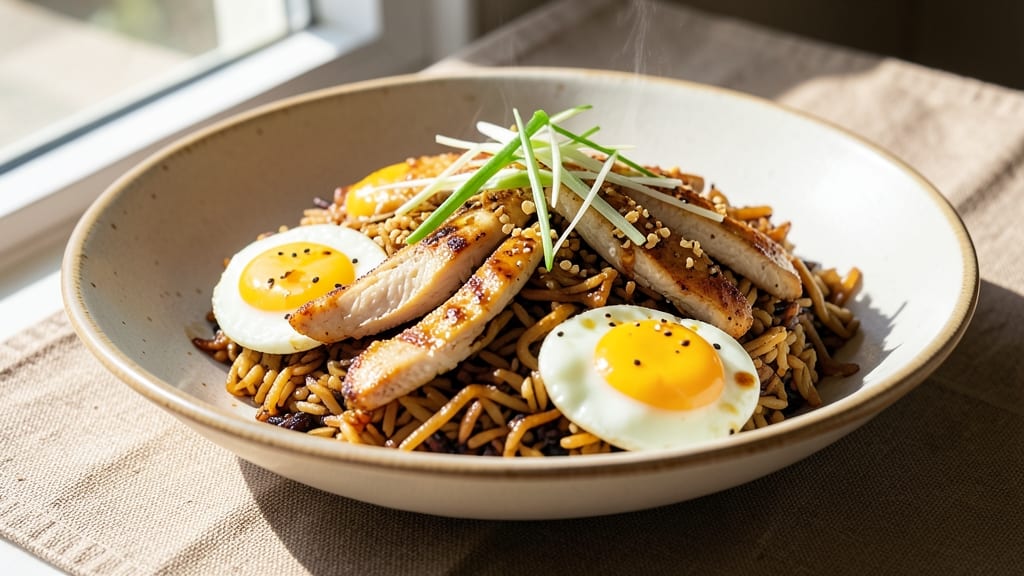
This chicken special fried rice recipe delivers restaurant-quality flavor in your own kitchen—crispy protein, fragrant jasmine rice, and a five-spice kick that transforms simple ingredients into a standout meal. 💛 I developed this version after years of perfecting wok hei (breath of the wok) technique, ensuring every bite has that signature smoky aroma and perfect texture contrast.
The secret lies in using day-old rice (never freshly cooked) and high-heat stir-frying to achieve that coveted crisp-tender texture. We'll start with properly marinated chicken, then build layers of flavor through aromatics, soy-based seasonings, and a touch of sweetness.
This isn't just fried rice—it's a complete, satisfying dish that balances protein, vegetables, and rice in perfect harmony.
What makes this recipe special is the five-spice blend that infuses warmth and depth, while the wok-tossing technique creates those prized charred edges and tender centers. The chicken stays juicy while developing a crispy exterior, and the rice absorbs all the savory goodness without becoming mushy.
It's the kind of dish that tastes like it took hours to make, yet comes together in under 30 minutes.
Whether you're feeding a family or meal prepping for the week, this fried rice scales beautifully while maintaining its restaurant-quality appeal. The technique is approachable for beginners but delivers professional results. Let's get cooking—your taste buds will thank you.
Ingredients for chicken special fried rice
Four cups of fragrant jasmine rice, crispy chicken cubes, and a five-spice blend create restaurant-quality fried rice.
| Ingredient | Amount | Notes |
|---|---|---|
| Day-Old Jasmine Rice 🍚 | 4 cups | Cold, broken into pieces |
| Boneless Chicken Breast 🍗 | 1 ½ lb | Cut into 1-inch cubes |
| Eggs 🥚 | 2 whole | Beaten for marinade |
| Light Soy Sauce 🥢 | ½ cup | Kikkoman preferred |
| Dark Soy Sauce 🥢 | 1 tbsp | For depth of color |
| Sesame Oil 🫒 | 1 tbsp | Toasted for aroma |
| Oyster Sauce 🍶 | 2 tbsp | Kewpie brand recommended |
| Five-Spice Powder 🌶️ | 1 tsp | Homemade blend preferred |
| Garlic Cloves 🧄 | 6 cloves | Minced finely |
| Green Onions 🧅 | ½ cup | Sliced diagonally |
| Vegetable Oil 🫒 | ½ cup | High smoke point |
| Peanuts 🥜 | ¼ cup | Toasted, chopped |
| Salt 🧂 | 1 tsp | Diamond Crystal preferred |
| Black Pepper 🌶️ | ½ tsp | Freshly cracked |
| White Sugar 🍚 | 1 tbsp | Balances flavors |
The jasmine rice is non-negotiable for authentic aroma—Day-Old variety from Trader Joe's or Whole Foods delivers that floral depth. Chicken breast stays juicier than thigh, but cut it into even 1-inch cubes for consistent cooking. The five-spice powder should include star anise, cinnamon, cloves, fennel, and Sichuan peppercorn—Penzeys Spices sells a pre-mixed blend if you're short on time. For the marinade, Kikkoman soy sauce has the perfect balance of saltiness without overpowering the dish.
No five-spice powder? Substitute 0.5 tsp each of cinnamon, ginger, and cloves for a similar warmth. Light soy sauce unavailable? Tamari works perfectly, just reduce the dark soy sauce to 0.5 tbsp to maintain color contrast. Green onions can be swapped for scallions, but the white parts add subtle sweetness that's worth keeping. Peanuts too expensive? Cashews or walnuts toast just as well—just adjust the quantity to 0.25 cup total. The vegetable oil should have a high smoke point (375°F+)—Avocado oil is ideal for wok hei technique.
Store day-old rice in an airtight container with a damp paper towel to prevent drying. The chicken marinade keeps for 24 hours in the fridge—double the batch for meal prep. Fried rice reheats beautifully; cover with a damp towel in the microwave to retain moisture. For best texture, reheat in batches over medium heat in a wok or skillet. Portion into containers with a thin layer of oil on top to keep it crispy for up to 3 days in the fridge.
Why You'll Love This Recipe
- Here’s what sold me: that dark soy sauce glaze caramelizing on the rice while the light soy keeps it savory. The contrast is chef’s kiss—sweet, salty, and just a little smoky. Plus, the eggs add that creamy richness that makes it feel like a restaurant dish, not a weeknight hack.
- Fridge-to-Table Speed: I swear, this is the only fried rice I’ll make when I’ve got two minutes and a half-empty fridge. Toss in day-old jasmine rice (no cooking required), shred that pre-cooked chicken breast, crack eggs into the hot pan—boom. The eggs scramble in seconds, and suddenly you’ve got dinner.
- Umami Magic: Here’s what sold me: that dark soy sauce glaze caramelizing on the rice while the light soy keeps it savory. The contrast is chef’s kiss—sweet, salty, and just a little smoky. Plus, the eggs add that creamy richness that makes it feel like a restaurant dish, not a weeknight hack.
- Lunchbox Hero: Between us, this is my go-to for meal prep. Pack it in containers, and it reheats like a dream—no soggy rice, no dry chicken. Honestly, I’ve sent my kids to school with this, and they’ve brought it back for seconds. (Yes, even on a Tuesday.)
Step-by-step instructions for wok-tossed chicken fried rice
Master the high-heat technique that delivers perfectly crisp chicken and aromatic five-spice rice.
🔥 Step 1: Prep Chicken and Marinate for Maximum Flavor
Cut the 1.5 lb boneless chicken breast into 1-inch cubes using a sharp chef's knife. Transfer the chicken to a bowl and add the 2 whole eggs, 0.5 cup light soy sauce, 1 tbsp dark soy sauce, 1 tbsp sesame oil, 2 tbsp oyster sauce, 1 tsp five-spice powder, 1 tbsp white sugar, 1 tsp salt, and 0.5 tsp black pepper. Toss gently with your hands until the chicken is evenly coated and the marinade clings to each piece.
Let the chicken marinate for at least 20 minutes at room temperature. This ensures even cooking and deep flavor penetration. The marinade should look glossy and cling to the chicken—if it's too dry, add 1 teaspoon of water to help it adhere better. I like to press the chicken pieces together briefly to help the marinade soak in completely.
🍳 Step 2: Scramble the Eggs and Set Aside
In a separate bowl, whisk the 2 whole eggs until frothy. Heat 1 tablespoon of vegetable oil in a 10-inch wok or large skillet over medium-high heat until shimmering. Pour in the eggs and let them sit undisturbed for 5-7 seconds before gently pushing them around with a spatula in small circles.
As soon as the eggs begin to set but are still slightly runny in the center, remove them from the wok and transfer to a plate. These scrambled eggs will later be chopped and mixed back into the fried rice for added protein and texture. Keep them warm while you prepare the rest of the components.
🔥 Step 3: Stir-Fry Chicken Until Fully Cooked
Return the wok to high heat and add 3 tablespoons of vegetable oil. When the oil is smoking slightly, add the marinated chicken in a single layer. Don't overcrowd the pan—work in batches if needed. Cook undisturbed for 1-2 minutes until the chicken develops a golden crust on one side, then stir and repeat until all pieces are golden brown and cooked through (internal temperature of 165°F).
Remove the chicken from the wok and set aside. The chicken should be fully opaque with no pink remaining. If you notice any pieces aren't fully cooked, return them to the wok for an additional 30 seconds of cooking. The high heat is crucial here—it creates that signature wok-hei (breath of the wok) flavor that separates good fried rice from great.
🥘 Step 4: Build the Five-Spice Rice Base
Add the remaining 2 tablespoons of vegetable oil to the wok and heat over high heat until shimmering. Add the 6 minced garlic cloves and stir for 10-15 seconds until fragrant (don't let them burn). Immediately add the 4 cups of cold day-old jasmine rice and break up any large clumps with your spatula.
Stir-fry the rice for 1-2 minutes, allowing it to absorb the oil and begin to crisp slightly at the edges. This step is critical—it prevents the rice from becoming mushy. Sprinkle the 0.5 cup chopped green onions over the rice and toss to combine. The rice should look dry but slightly toasted, with visible individual grains.
🍳 Step 5: Combine Everything for Perfect Texture
Return the cooked chicken to the wok along with the scrambled eggs. Add the 0.25 cup toasted, chopped peanuts and toss everything together vigorously for 1-2 minutes until the rice is heated through and the flavors meld. The rice should be hot throughout with no cold spots, and the chicken should be evenly distributed.
Taste and adjust seasoning if needed—you might need an additional ½ teaspoon of light soy sauce or a pinch of salt to balance the flavors. The final dish should have a perfect harmony of savory, slightly sweet, and aromatic five-spice notes. Serve immediately while the rice is hot and the chicken is still crispy at the edges.
Pro Tips For Making Chicken Special Fried Rice
- PREP CHICKEN IN BULK: Cut the boneless chicken breast into 1-inch chunks before you start cooking anything else—it’ll save you from frantic chopping later. I used to slice it on the fly, and by the time I got to the rice, the chicken was always undercooked or uneven. Do this step first, then refrigerate the pieces until you’re ready to stir-fry.
- CRACK EGGS IN HOT PAN: Scramble the eggs in the same wok you’ll use for the rice, but after the chicken is already cooked and set aside. The residual heat from the chicken keeps the eggs from sticking, and the high heat gives them that signature crispy edge. I learned this the hard way—trying to scramble eggs in a cold pan always ends in a sad, greasy mess.
- TOSS RICE WITH DARK SOY: Mix the dark soy sauce directly into the rice while it’s still hot, not drizzled on top. This guarantees every grain gets that glossy, caramelized coating instead of pooling at the bottom. I was skeptical until I tried it—now I can’t go back to the lazy pour-over method.
- FINISH WITH LIGHT SOY: Add the light soy sauce last, right after the rice hits the plate, and toss it quickly. This keeps the rice from turning mushy under the sauce’s weight. I used to dump it all in at once, and the rice would steam back into a paste. A quick toss at the end locks in flavor without sacrificing texture.
Essential equipment for chicken special fried rice
Wok Essentials
A 14-inch carbon steel wok is my go-to for this recipe—it heats up quickly and retains heat better than cast iron, creating that essential wok hei flavor. I recommend the Mauviel M'Cook series for its even heat distribution.
If you don’t have a wok, a 12-inch cast iron skillet works in a pinch, but you’ll need to stir more frequently to prevent burning. 🔥
High-Heat Oil
Use avocado oil or peanut oil with a smoke point of 400°F+—they handle the high heat without breaking down. I avoid olive oil here because it burns too easily and imparts a bitter flavor.
Keep a small bottle of sesame oil (toasted) on hand for finishing—just ½ teaspoon adds incredible aroma.
Chopping Tools
A sharp chef’s knife and cutting board are non-negotiable for even chicken cubes and minced garlic. I swear by my Wüsthof Classic 8-inch knife for this task—it stays sharp for months. For garlic, a garlic press saves time, but mincing by hand gives you more control over the texture. 🧄
Marinade Mixer
I use a large mixing bowl (at least 3-quart capacity) for the chicken marinade, but a ziplock bag works too—just press out the air before sealing. For small batches, a whisk helps emulsify the soy sauce and oyster sauce better.
If you’re meal prepping, double the marinade and store it in an airtight container for up to 3 days.
Serving Gear
Serve your fried rice on wide, shallow plates to showcase the colors and textures. I love using ceramic plates from Le Creuset—they keep food warm longer. For extra flair, garnish with extra green onions or sesame seeds using a fine-mesh strainer for even sprinkling.
A small serving spoon helps portion out individual servings neatly. ✨
Optional Upgrades
For restaurant-quality results, invest in a tongs set (like Victorinox) to toss ingredients without overcrowding the wok. A digital thermometer ensures your chicken hits 165°F perfectly every time.
And if you’re feeling fancy, a small ladle helps with plating—just dip it in hot oil before scooping to keep the rice crispy. 💫
Nutrition facts
Frequently asked questions
Why does the recipe call for day-old rice instead of freshly cooked?
Day-old rice is essential because it's dry and separated, which prevents the fried rice from becoming mushy. Freshly cooked rice contains too much moisture and releases starch when heated, creating a gummy texture. The slight dryness also helps the rice absorb the marinade and seasonings more evenly. Store leftover rice in an airtight container with a damp paper towel overnight.
Can I substitute chicken thighs for chicken breast?
Yes, but you'll need to adjust the cooking time. Chicken thighs stay juicier but require 2-3 minutes less cooking time than breast. Cut them into ½-inch thick slices instead of cubes for even cooking. For best results, use 1 lb thighs instead of 1.5 lb breast to maintain balance with the rice. The fat content in thighs adds richness to the dish.
What's the best way to achieve crispy chicken without drying it out?
High heat is key—use medium-high to high heat and work in batches if needed. Cook the chicken undisturbed for 1-2 minutes per side to develop a golden crust. The marinade with eggs creates a protective barrier that keeps it juicy. For extra crispiness, add ½ teaspoon cornstarch to the marinade before cooking.
How can I make this vegetarian?
Replace the chicken with 1 lb firm tofu (pressed and cubed) or 1.5 cups mushrooms (shiitake or cremini). For tofu, marinate in 3 tbsp soy sauce, 1 tbsp sesame oil, and 1 tsp five-spice powder for 15 minutes. For mushrooms, sauté them first with 1 tbsp oil until golden before adding to the rice. Add 1 extra egg to compensate for protein loss.
Can I make this ahead of time for meal prep?
Yes! This dish reheats beautifully. Cook the chicken and rice separately, then store in airtight containers with a thin layer of oil on top to maintain crispiness. Reheat in batches over medium heat in a wok or skillet for 2-3 minutes, stirring constantly. For best texture, add a splash of water when reheating. It keeps well for 3 days in the fridge or 2 months in the freezer.