
Main Courses
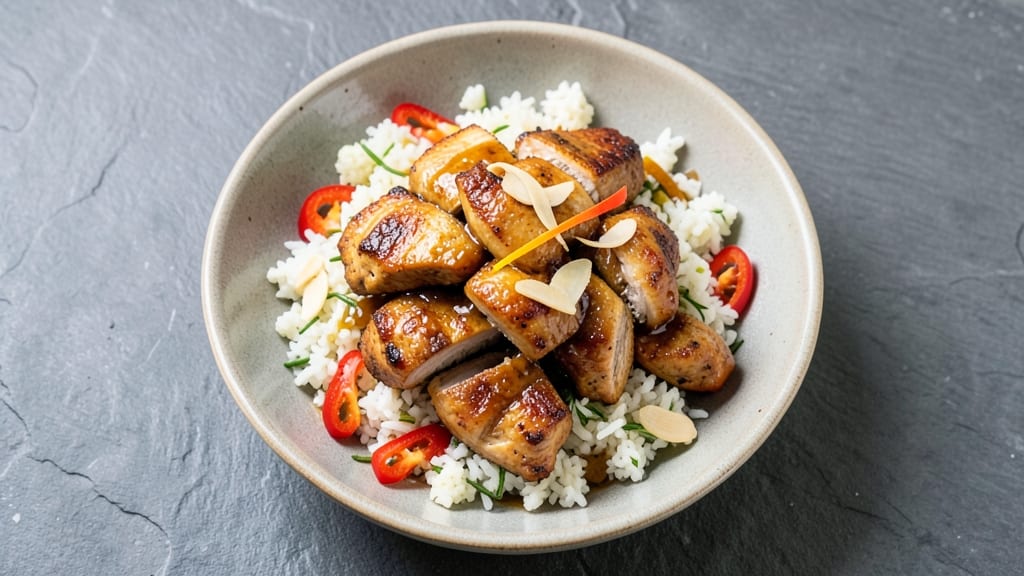
This chicken stir fry with cauliflower rice delivers crispy-tender bites in just 20 minutes—a perfect balance of protein and low-carb satisfaction. I developed this recipe during a busy week when I needed a quick, nutrient-packed dinner that still felt restaurant-worthy.
The secret lies in high-heat searing for the chicken and a simple marinade that keeps it juicy while achieving that coveted crispy edge.
The cauliflower rice transforms into a satisfying, slightly charred side that absorbs the stir-fry flavors beautifully. No special equipment is needed—just a sharp knife and a hot skillet. The chicken marinates in just 10 minutes, while the cauliflower rice cooks in the same pan, minimizing cleanup and maximizing flavor.
This method ensures every bite is packed with texture and taste without the fuss.
What you’ll end up with is a dish that’s crispy on the outside, tender on the inside, and perfectly balanced with a savory-sweet sauce.
The cauliflower rice adds a satisfying crunch and absorbs the flavors like a sponge, making it a side that feels substantial enough to stand alongside the protein. It’s the kind of meal that’s quick to make but feels like a special occasion.
Serve this stir-fry over a bed of fresh cilantro or sesame seeds for extra flair, or pair it with steamed greens for a complete, well-rounded plate. The best part? Leftovers reheat beautifully, making it ideal for meal prep. Let’s get cooking!
Ingredients for chicken stir fry with cauliflower rice
Quick marinade, crispy chicken, and charred cauliflower rice—this stir-fry delivers restaurant flavor in record time.
| Ingredient | Amount | Notes |
|---|---|---|
| Boneless, Skinless Chicken Thighs 🍗 | 1 ½ lb | Cut into 1-inch strips |
| Fresh Cauliflower 🥬 | 1 head | Riced with a knife or food processor |
| Low-Sodium Soy Sauce 🍶 | ⅓ cup | For marinade and sauce |
| Sesame Oil 🫒 | 1 tbsp | For aroma, not cooking |
| Fresh Ginger 🧄 | 2 tbsp | Grated, fresh preferred |
| Garlic Cloves 🧄 | 4 cloves | Minced, fresh preferred |
| Honey 🍯 | 1 tbsp | For sweet-savory balance |
| Avocado Oil 🫒 | ¼ cup | High smoke point for searing |
| Red Bell Pepper 🌶️ | 1 whole | Sliced into thin strips |
| Green Onion 🧅 | 1 whole | Sliced, white and green parts |
| Lime Juice 🍋 | 1 tbsp | Freshly squeezed |
| Sesame Seeds 🌾 | 1 tsp | Toasted for garnish |
| Fresh Cilantro 🌿 | ¼ cup | Chopped, for garnish |
| Diamond Crystal Kosher Salt 🧂 | 1 ½ tsp | Divided for seasoning |
| Ground Black Pepper 🌶️ | ½ tsp | Freshly ground |
The chicken thighs are your secret weapon—bone-in, skin-on would be ideal, but boneless works fine. Grab thighs over breasts for juiciness, and cut them into even 1-inch strips so they cook uniformly. The cauliflower? Fresh is best, but pre-riced frozen works in a pinch—just thaw and pat dry. For the marinade, low-sodium soy sauce keeps the dish from tasting too salty, and the honey balances the acidity. I always grab avocado oil at Trader Joe's—it handles high heat without burning, and the neutral taste lets the flavors shine.
No sesame oil? Toasted peanut oil works in a pinch, but the aroma is key here. Fresh ginger and garlic are non-negotiable—they make or break the flavor, but if you're in a rush, jarred minced ginger (drained well) and pre-minced garlic will do. The bell pepper can be swapped for snap peas or broccoli florets, but keep the slices thin for quick cooking. For the sauce, if you don’t have lime juice, lemon juice at half the amount works, but the citrus brightness is worth tracking down. And trust me on the sesame seeds—toast them in a dry pan for 30 seconds before sprinkling for extra crunch.
This stir-fry reheats like a dream—just toss with a splash of water and microwave for 1-2 minutes. Store leftovers in airtight containers for 4 days in the fridge, or freeze for 3 months. I always double the batch because it’s that good. The cauliflower rice stays crispy if you spread it in a single layer on a baking sheet before freezing. Garnish with cilantro and sesame seeds right before serving—they add that fresh, restaurant-worthy finish.
Why You'll Love This Recipe
- One-Pan Magic: The chicken thighs and cauliflower rice all go in the same skillet—no chopping boards, no extra bowls. I swear by this: toss the chicken in soy sauce and ginger first, let it sit while I slice the cauliflower, then boom—everything cooks together in 15 minutes flat.
- Umami Bomb: That low-sodium soy sauce and sesame oil combo? It’s the secret weapon. The ginger adds a zing that cuts through the richness, and the chicken thighs stay juicy while the cauliflower gets that perfect crisp-tender bite. Honestly, it’s the kind of flavor that makes you want to eat it straight from the pan.
- Lunchbox Hero: Between us, this is my go-to for meal prep. Double the batch, pack it in containers, and you’ve got a protein-packed lunch that lasts all week. The cauliflower rice keeps its texture even after reheating—no sad, mushy rice here.
- Budget Win: Chicken thighs are cheaper than breasts, and cauliflower rice stretches the meal further than regular rice. I’ll be real: I make this when I’m pinching pennies, and no one ever complains. Plus, the leftovers taste just as good the next day—sometimes better.
Step-by-step instructions for chicken stir fry with cauliflower rice
Here's how to balance crispy chicken and tender cauliflower rice in record time.
Prep the Chicken for Maximum Crisp-Tender Perfection
Cut the 1.5 lb boneless, skinless chicken thighs into 1-inch strips—this size ensures they cook quickly and evenly. In a bowl, combine the chicken with 0.33 cup low-sodium soy sauce, 1 tbsp honey, 1 tsp of the 1.5 tsp diamond crystal kosher salt, and 0.25 tsp of the 0.5 tsp ground black pepper. Mix gently to coat evenly, then let it marinate for 10 minutes while you prep the rest. This short marinade infuses flavor without making the chicken mushy.
Here's the thing—chicken thighs stay juicier than breasts when cooked this way. The honey in the marinade helps create a subtle caramelization on the outside while keeping the inside tender. Don't skip the salt in the marinade; it helps draw out moisture for better browning later.
Sear the Chicken Until Golden and Remove
Heat 0.25 cup avocado oil in a large skillet over medium-high heat until shimmering. Add the marinated chicken in a single layer—don't crowd the pan—and cook undisturbed for 3-4 minutes until the edges turn golden brown and crispy. This is where the magic happens: the high heat creates a flavorful crust while keeping the inside juicy.
Flip the chicken and cook another 2-3 minutes until the internal temperature reaches 165°F and the juices run clear. Transfer the cooked chicken to a plate and tent loosely with foil to keep warm. The residual heat will finish cooking it slightly while you work on the vegetables, but don't let it sit too long or it'll dry out.
Stir-Fry the Vegetables with Aromatics
In the same skillet (no need to clean it—the browned bits add flavor), add 2 tbsp grated fresh ginger and 4 minced garlic cloves. Sauté for 30 seconds until fragrant—you should smell that pungent, fresh aroma. Add the 1 whole red bell pepper sliced into thin strips and 1 whole green onion sliced, then stir-fry for 3-4 minutes until the peppers soften slightly but still retain their color.
Here's where it gets good: add the 1 head riced fresh cauliflower (use a food processor or knife to rice it finely) and stir-fry for 4-5 minutes until the cauliflower is tender but still holds its shape. You want it to be al dente—it'll continue cooking when combined with the chicken. Season with the remaining 0.5 tsp diamond crystal kosher salt and 0.25 tsp ground black pepper at this stage.
Combine Everything and Finish with Flavor
Return the chicken to the skillet and stir everything together for 1-2 minutes until heated through. Add 1 tbsp lime juice, 1 tbsp sesame oil, and 1 tbsp honey to the pan, tossing gently to coat everything in the sauce. The lime brightens the dish, while the sesame oil adds depth. Cook for another 30 seconds—just enough to let the flavors meld without overcooking the cauliflower.
Taste and adjust seasoning if needed. The cauliflower rice should be tender but still have a slight bite, and the chicken should be crispy on the outside with juicy meat inside. If the sauce is too thin, let it cook uncovered for another 30 seconds to reduce slightly. The goal is a balance of crispy, tender, and saucy—no soggy cauliflower here.
Garnish and Serve Immediately
Transfer the stir-fry to serving plates and garnish with 0.25 cup chopped fresh cilantro and 1 tsp toasted sesame seeds. The cilantro adds freshness, while the sesame seeds contribute a nutty crunch. Serve immediately while everything is hot—this dish doesn't wait. The textures and flavors are at their peak right out of the pan.
Each bite should deliver crispy chicken, tender cauliflower, and a perfect balance of sweet, savory, and umami flavors. The cauliflower rice soaks up the sauce without getting mushy, and the chicken stays juicy thanks to the thighs. This is the kind of stir-fry that's quick but feels like a restaurant-quality meal.
Pro Tips For Making Chicken Stir Fry With Cauliflower Rice
- Slice Chicken Thin: Fresh chicken thighs cook faster and more evenly when cut against the grain into ¼-inch strips—no need to overcrowd the pan. I used to fight uneven doneness until I realized thinner slices mean less time on high heat, and that crispy edge happens in seconds, not minutes.
- Rice It Rough: Skip the food processor for cauliflower rice—hand-chopping into uneven chunks (about ½-inch) gives it better texture and prevents mush. The edges will brown faster, and you’ll avoid that sad, soggy rice look that ruins the whole dish.
- Salt the Soy Sauce: Mix your low-sodium soy sauce with 1 teaspoon of sugar and a pinch of salt before adding to the pan—it balances the flavors better than plain sauce. I learned this after tasting bland stir-fries where the sauce just didn’t cut through the ginger’s sharpness.
- Ginger First, Fast: Mince the ginger very finely (almost like a paste) and toss it into the hot wok before the chicken—it cooks instantly and infuses the oil without burning. I used to add it later and always ended up with bitter, overcooked ginger bits. Now it’s undetectably smooth.
Regional styles of this chicken stir fry with cauliflower rice
Asian-Inspired Fusion
This stir-fry draws from classic Chinese techniques but with a modern twist using cauliflower rice. In China, stir-fries rely on wok hei—breath of the wok—for smoky flavor, but I achieve that same intensity in a home skillet by keeping heat high and using avocado oil with a high smoke point.
The sesame oil and ginger are pure Chinese pantry staples, while the honey adds a Japanese-inspired sweetness that balances the soy's saltiness. 🌶️
Thai-Inspired Heat
For a spicier kick, add 1 tbsp Thai red curry paste to the stir-fry sauce and 1 tsp chili flakes to the chicken marinade. The curry paste brings layers of lemongrass and galangal that complement the lime juice beautifully.
Serve with sliced Thai basil on top instead of cilantro for an authentic touch. I first tried this version at a Bangkok street stall and knew it would work here—just dial up the heat to taste.
Korean-Inspired Gochujang
Swap the soy sauce for 2 tbsp gochujang (Korean chili paste) in the marinade and sauce, then add 1 tbsp rice vinegar for brightness. The gochujang adds fermented depth and natural sweetness, while the vinegar cuts through the richness.
Garnish with toasted sesame seeds and thinly sliced green onions for that classic Korean BBQ vibe. This version feels like a quick takeout meal but with restaurant-quality texture.
Japanese Teriyaki Twist
Replace the soy sauce with ¼ cup teriyaki sauce (store-bought or homemade) and add 1 tbsp mirin to the stir-fry sauce. The teriyaki's sweetness pairs perfectly with the cauliflower rice, creating a dish that feels both familiar and exciting.
Top with thinly sliced scallions and a sprinkle of furikake (Japanese seasoning) for that extra umami punch. I love making this version when I crave something comforting yet light.
Southwest Spiced
For a completely different flavor profile, swap the ginger for 1 tbsp adobo sauce and add ½ tsp ground cumin to the chicken marinade. Use lime juice instead of soy sauce and finish with chopped cilantro and crumbled cotija cheese.
The adobo brings smoky depth while the cumin adds warmth—perfect for a quick Tex-Mex-inspired meal. This version feels like a fiesta in a skillet! 🌟
Nutrition facts
Frequently asked questions
Can I use chicken breast instead of thighs?
You can, but thighs are ideal for this recipe! Chicken breast cooks faster and can dry out when stir-fried. If using breast, cut into ½-inch thick strips, marinate for only 5 minutes, and cook at medium heat for 2-3 minutes per side. Keep an eye on it—it's done at 165°F!
How do I make the cauliflower rice extra crispy?
Pat the riced cauliflower completely dry with a towel first—moisture is the enemy of crispiness! After stir-frying, transfer it to a baking sheet and broil for 2-3 minutes until golden. For even more crunch, toss with ½ tsp cornstarch before cooking.
What if I don't have sesame oil?
No problem! Use 1 tsp neutral oil (like avocado or vegetable) plus ½ tsp toasted sesame seeds** for aroma. The seeds add nutty flavor without the strong taste of sesame oil. Just add them at the very end as garnish.
Can I make this ahead of time?
Yes, but with one key trick: don't combine everything until serving. Store cooked chicken and cauliflower rice separately in airtight containers for 4 days. Reheat chicken in a dry skillet for 2 minutes, then toss with cauliflower rice and fresh sauce. The textures stay perfect!
Is this gluten-free?
Only if you use gluten-free soy sauce! Regular soy sauce contains wheat. For a fully gluten-free version, swap with tamari or coconut aminos. Also check your sesame oil and sesame seeds for cross-contamination warnings if needed.