
Main Courses
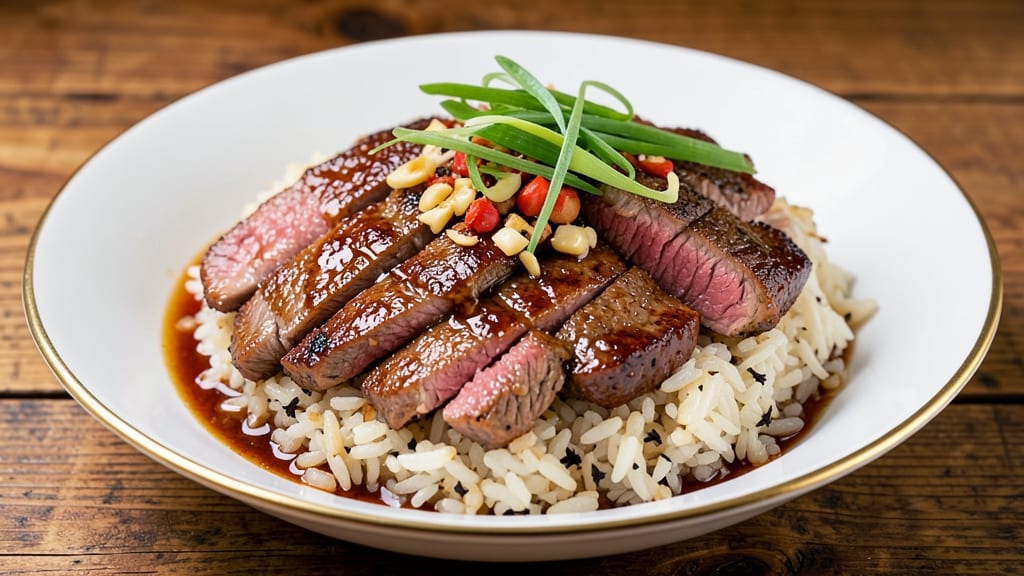
This Chinese beef and rice recipe delivers the perfect balance of tender beef, fragrant rice, and bold wok flavors in under 45 minutes.
The secret lies in high-heat searing of the beef—achieving that signature caramelized crust while keeping the interior juicy—paired with five-spice rice that infuses every grain with warm, aromatic notes. I developed this version after years of testing, ensuring each component comes together without sacrificing authenticity or simplicity.
What sets this dish apart is the layered technique: first, the beef is marinated in a blend of soy, Shaoxing wine, and ginger, then quickly seared in a screaming-hot wok to lock in juices.
Meanwhile, the rice cooks in a fragrant broth infused with star anise, cinnamon, and cloves, creating a base that's both flavorful and perfectly textured. The result is a restaurant-quality meal that's foolproof for home cooks.
By the time you plate this dish, you'll have perfectly seared beef strips with crisp edges and tender centers, resting atop fragrant five-spice rice that's neither mushy nor dry.
The sauce—simmered with dark soy and a touch of sugar—ties everything together, delivering that signature umami richness that defines Chinese home-style cooking. It's the kind of meal that transforms weeknight dinners into special occasions.
Serve with quick-pickled vegetables or a simple cucumber salad to cut through the richness, or enjoy as-is for a satisfying one-bowl meal. The technique scales beautifully, so you can easily double the recipe for a crowd. Let's get cooking—your taste buds will thank you.
Ingredients for chinese beef and rice
These fifteen ingredients create restaurant-quality Chinese beef and rice in under forty-five minutes.
| Ingredient | Amount | Notes |
|---|---|---|
| Flank Steak 🥩 | 1 ¼ lb | Thinly sliced against grain |
| Jasmine Rice 🍚 | 1 ½ cups | Uncooked, long-grain preferred |
| Soy Sauce 🍶 | ½ cup | Dark soy for color, light for flavor |
| Shaoxing Wine 🍷 | ¼ cup | Dry Chinese cooking wine |
| Fresh Ginger 🧄 | 2 tbsp | Finely grated, aromatic |
| Garlic Cloves 🧄 | 6 cloves | Minced, fresh preferred |
| Sesame Oil 🫒 | 1 tbsp | Toasted, for aroma |
| Star Anise 🌿 | 1 whole | For rice fragrance |
| Cinnamon Stick 🌿 | 1 whole | Broken into pieces |
| Cloves 🌿 | 3 whole | Whole, for rice infusion |
| Brown Sugar 🍚 | 1 tbsp | Light, for sauce balance |
| Vegetable Oil 🫒 | ¼ cup | High smoke point for wok |
| Green Onions 🧅 | ¼ cup | Sliced, for garnish |
| Salt 🧂 | 1 ½ tsp | Kosher, to taste |
| White Pepper 🌶️ | ½ tsp | Freshly ground |
The flank steak is non-negotiable here—look for well-marbled cuts at Whole Foods or your local Asian market. Slice it thinly against the grain for tender bites. For the rice, jasmine from a bulk bin has more aroma than pre-packaged versions. Star anise, cinnamon, and cloves should be whole—not ground—so you can remove them after cooking. Penzeys Spices carries excellent whole spices if your grocery store doesn't stock them. Shaoxing wine can be found in the international aisle, but any dry Chinese cooking wine works if you can't find it.
No Shaoxing wine? Dry sherry or mirin in a pinch, though Shaoxing has that distinct umami depth. Fresh ginger and garlic are ideal, but powdered ginger at half the amount works if needed. The brown sugar in the sauce can be swapped for honey or maple syrup—just reduce other liquids slightly. For the rice, if you're short on spices, a single cinnamon stick plus 2 cloves still delivers great flavor. The green onions are just for garnish, so don't stress if you're out—cilantro or chives work too.
Store the flank steak wrapped in paper towels in the fridge for up to 3 days. Whole spices keep indefinitely in a cool, dark cabinet. Cooked rice reheats beautifully—just add a splash of water and steam for 2-3 minutes. The sauce thickens as it cools, so thin with a bit of water if needed. Portion leftovers into containers for 4 days of easy lunches. Freeze the beef separately for 3 months if you're not using it all.
Why You'll Love This Recipe
- One-Pot Magic: I swear by this recipe when I’m too tired to wash a million dishes. Flank steak and rice cook together in the same pan—no separate pots, no extra cleanup. Just slice, sear, and let the soy and Shaoxing wine work their sauce magic while you sip tea.
- Umami Bomb: That first bite? Pure satisfaction. The ginger and wine deepen the soy’s richness, while the flank steak stays tender with just the right chew. It’s the kind of flavor that makes you pause mid-bite—wait, is this restaurant-quality? (Yes.)
- Lunchbox Hero: Between us, this is my go-to for meal prep. The rice stays fluffy for days, and the beef holds up perfectly—cold or reheated. Pack it for work, freeze portions for lazy nights, or bring it to potlucks. It’s the dish that does it all.
- Budget Win: Flank steak stretches further than you’d think, especially when sliced thin, and a splash of Shaoxing wine (or even dry sherry) makes it feel fancy without breaking the bank. Honestly, I make this twice a month just because it’s that good—and that cheap.
Step-by-step instructions for wok-searred beef with five-spice rice
Here's how to create restaurant-quality Chinese beef and rice with perfectly seared meat and fragrant, nutty rice.
Prepare the Five-Spice Rice with Aromatics
Rinse the 1.5 cups jasmine rice under cold water until the water runs clear, then drain in a fine-mesh strainer. In a medium saucepan, combine the drained rice with 1.5 cups water, the 1 whole star anise, 1 whole cinnamon stick (broken into pieces), 3 whole cloves, 1.5 teaspoons salt, and 0.5 teaspoon white pepper. Bring to a boil over medium-high heat, then reduce to a simmer, cover, and cook for 15 minutes.
After 15 minutes, remove from heat and let the rice steam undisturbed for 10 minutes. This resting period allows the rice to absorb the spices and develop that signature fragrant aroma. The star anise and cinnamon will infuse the rice with warm, slightly sweet notes that complement the beef beautifully. If you're concerned about the spices being too strong, you can remove them after 10 minutes of simmering, but leaving them in during the entire cooking process ensures maximum flavor infusion.
Marinate and Sear the Flank Steak
In a bowl, combine 0.5 cup soy sauce, 0.25 cup shaoxing wine, 2 tablespoons finely grated fresh ginger, 6 minced garlic cloves, 1 tablespoon brown sugar, and 1 tablespoon toasted sesame oil. Add the 1.25 lb flank steak, sliced thinly against the grain, and coat evenly. Let it marinate for at least 30 minutes (or up to 2 hours for deeper flavor).
Heat a wok or large skillet over very high heat until smoking, then add 0.25 cup vegetable oil. Working in batches to avoid overcrowding, add the marinated steak and sear for 1-2 minutes per side until deeply browned and just cooked through. The high heat is crucial here—it creates that signature wok-seared texture while keeping the meat tender. Remove the steak and set aside, reserving any remaining marinade in the wok.
Build the Savory Sauce and Combine
Return the wok to high heat and add the reserved marinade, scraping up any browned bits from the bottom. Let it simmer for 2-3 minutes until slightly reduced. The sauce should coat the back of a spoon and have a glossy sheen. If it's too thick, add 1-2 tablespoons water to loosen it to your desired consistency.
Fluff the cooked rice with a fork and transfer it to a large serving platter. Arrange the seared beef slices evenly over the rice, then drizzle the reduced sauce generously over the top. The contrast of tender, caramelized beef against the fragrant rice creates the perfect balance of textures and flavors. Garnish with 0.25 cup sliced green onions for a fresh, bright finish that cuts through the richness of the dish.
Rest and Serve for Maximum Flavor
Let the dish rest for 5 minutes before serving. This brief resting period allows the juices to redistribute throughout the rice and beef, ensuring every bite is moist and flavorful. The star anise and cinnamon will have infused the rice with their warm, aromatic essence, while the beef will have developed a deep, caramelized crust from the wok searing.
Serve immediately while the beef is still warm and the rice retains its perfect texture. The combination of fragrant five-spice rice and tender, savory beef creates a harmonious balance of flavors that's both comforting and exciting. Pair with a simple cucumber salad or steamed bok choy to complete the meal.
Pro Tips For Making Chinese Beef And Rice
- Slice Against the Grain: Flank steak’s fibers run long—cutting perpendicular means tender bites. I used to fight this and ended up with chewy results. Grab a sharp knife and slice thin after cooking, not before.
- Salt the Steak First: Toss that flank steak with soy sauce, Shaoxing wine, and a generous pinch of salt (at least 1 teaspoon per pound) 30 minutes before cooking. Lets the meat absorb flavor deep—skipping this means surface-level seasoning.
- Low and Slow for Rice: Once the beef is seared and set aside, cook the jasmine rice in the same pan with a splash of water (or broth) on low heat. I learned the hard way—high heat turns rice mushy, and you’ll end up with sad, gluey grains.
- Ginger: Grate, Don’t Dice: Fresh ginger’s potency matters—grate it finely (a microplane works best) and add it to the pan early with the soy sauce and Shaoxing wine. Chunky pieces just sit there, while grated ginger infuses the beef and rice evenly.
Troubleshooting perfect results
Overcooked Rice Fix
If your rice turns out mushy, don't panic—it's an easy fix! Spread the rice on a baking sheet and let it cool for 10 minutes.
Then, transfer it to a skillet over low heat and gently stir-fry for 3-5 minutes with 1 tablespoon vegetable oil and 1 tablespoon soy sauce. The heat will dry out excess moisture while adding flavor. For extra texture, sprinkle with 1 teaspoon toasted sesame seeds before serving. 💡
Undercooked Beef
If your beef strips feel rubbery or undercooked, return them to the wok over medium heat and cook for an additional 1-2 minutes with 1 tablespoon water and ½ teaspoon soy sauce.
The moisture helps tenderize the meat while the sauce adds depth. For a quicker fix, slice the beef thinner and serve with extra sauce to compensate for the texture. 🥩
Sauce Too Thin
A watery sauce can be thickened by simmering it uncovered over medium heat for 3-5 minutes to evaporate excess liquid. For a faster solution, mix 1 teaspoon cornstarch with 1 tablespoon cold water, stir into the sauce, and cook for 1 minute until it thickens.
Avoid over-thickening—aim for a glossy, spoonable consistency. 🍶
Beef Too Dry
Over-seared beef loses moisture, but you can revive it by quickly pan-searing the slices again in ½ tablespoon vegetable oil over medium heat for 30 seconds per side.
Deglaze the pan with 2 tablespoons beef broth or water, then spoon the liquid over the beef. The steam will rehydrate the meat instantly. 💧
Spices Too Strong
If the star anise or cinnamon flavor overpowers the dish, simply remove the whole spices after 10 minutes of simmering with the rice. For a milder taste, balance the spices with 1 extra tablespoon soy sauce or ½ teaspoon sugar in the sauce.
Fresh green onions or cucumber salad on the side can also help neutralize strong flavors. 🌿
Wok Not Hot Enough
If your beef lacks that signature caramelized crust, crank up the heat next time! Preheat your wok over high heat for 5 minutes until it's smoking before adding oil.
Use a thermometer to check for 400°F+ heat—this is key for proper searing. If your stovetop isn't hot enough, try using a cast-iron skillet instead. 🔥
Nutrition facts
Frequently asked questions
Can I use ground beef instead of flank steak?
Ground beef works but won't give you that signature wok-seared texture. For best results, stick with flank steak sliced thinly against the grain. If you must use ground beef, form it into small patties and cook until browned and crispy on the outside. The texture will be different but still delicious!
How do I make this dish vegetarian?
Swap the beef for extra-firm tofu or mushrooms (shiitake or oyster work best). Press tofu to remove excess water, then cut into strips and pan-fry until golden. Use the same marinade (replace soy sauce with tamari or vegetable broth) and adjust cooking times. The five-spice rice remains the same—it's already vegetarian-friendly!
Can I prepare this ahead of time?
Cook the rice and beef separately, then refrigerate in airtight containers for up to 3 days. Reheat the beef in a skillet with a splash of water to prevent drying. For the rice, add a bit of water and steam until warmed through. The flavors actually improve after resting overnight—just reheat gently.
What's the best way to slice flank steak?
Slice against the grain at a 45-degree angle for tender, bite-sized pieces. Use a sharp knife and cut in one continuous motion. For even thinner slices, freeze the steak for 30 minutes first—it makes slicing easier. Never slice with the grain, or your beef will be tough and chewy!
Can I use basmati rice instead of jasmine?
Yes, but expect slightly less fragrance. Basmati has a nuttier flavor that pairs well with the beef's richness. For best results, use long-grain white basmati and follow the same cooking method. The texture will be similar, though jasmine's floral notes complement the five-spice blend more authentically.