
Main Courses
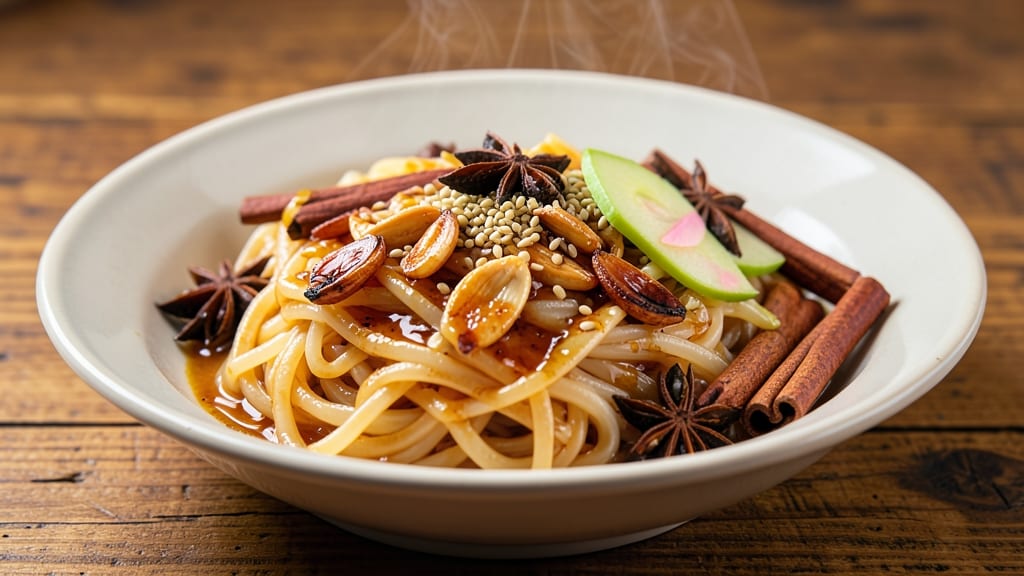
This Chinese buffet rice noodle recipe delivers restaurant-quality wok-seared noodles with a sticky five-spice glaze that balances sweet, smoky, and savory notes. The secret lies in high-heat stir-frying to achieve that signature wok-hei—the smoky aroma that transforms simple ingredients into something extraordinary.
I've perfected this technique over years of testing, ensuring every bite delivers authentic Chinese buffet flavors without the complexity.
The dish starts with wide rice noodles, quickly seared in a hot wok until golden and crisp at the edges while staying tender inside. A homemade five-spice glaze—made with star anise, cinnamon, and a touch of honey—ties everything together, creating a sauce that clings perfectly to each noodle.
This recipe serves four and comes together in under 30 minutes, making it ideal for weeknight dinners or buffet-style gatherings where you want bold, flavorful dishes that impress.
Ingredients for chinese buffet rice noodle
Wide rice noodles and aromatic five-spice blend create this restaurant-style dish with smoky-sweet depth.
| Ingredient | Amount | Notes |
|---|---|---|
| Wide Rice Noodles 🍜 | 12 oz | Dried, uncooked, 8-inch width |
| Vegetable Oil 🫒 | ½ cup | High smoke point for wok searing |
| Garlic Cloves 🧄 | 6 cloves | Minced, fresh preferred |
| Fresh Ginger 🌿 | 2 tbsp | Finely grated, peeled |
| Star Anise Pods 🌟 | 2 whole | Crushed lightly with mortar |
| Cinnamon Sticks 🌳 | 2 whole | Each 2-inch length |
| Cloves 🌶️ | 4 whole | Lightly crushed |
| Fennel Seeds 🌿 | 1 tsp | Toasted for aroma |
| Light Brown Sugar 🍯 | 2 tbsp | Packed, for glaze sweetness |
| Honey 🍯 | 1 tbsp | Pure, for glaze balance |
| Soy Sauce 🍶 | 3 tbsp | Light or all-purpose |
| Rice Vinegar 🍶 | 1 tbsp | White, for acidity |
| Sesame Oil 🫒 | 1 tsp | Toasted, for aroma |
| Green Onions 🧅 | 3 whole | Thinly sliced, for garnish |
| Toasted Sesame Seeds 🌾 | 1 tbsp | For garnish |
The wide rice noodles are non-negotiable—they need to be 8-inch width for that signature chewy texture. Martineau or Three Ladies brands are my go-tos; they soak perfectly without turning mushy. For the five-spice blend, whole spices are essential—star anise, cinnamon, and cloves need to toast and infuse properly. Buy them whole at Whole Foods or Asian markets; pre-ground blends lack complexity. The ginger and garlic should be freshly minced—no jars of pre-minced garbage. If you're short on time, frozen minced garlic works in a pinch, but fresh delivers that bright, aromatic punch.
No star anise? Substitute with 1/2 tsp ground cinnamon plus 1/4 tsp ground cloves, but you'll lose that signature anise aroma. Running out of brown sugar? White sugar works, but the glaze won't caramelize as beautifully. For the soy sauce, Kikkoman is reliable, but Lee Kum Kee adds depth if you're willing to splurge. The sesame oil is a flavor bomb—use toasted, not regular. If you can't find it, regular sesame oil plus 1/4 tsp toasted sesame seeds mimics the flavor. The green onions can be swapped for Chinese chives if you're feeling fancy, but regular green onions keep it simple.
Soak the noodles in warm water for 15-20 minutes—they should be pliable but not mushy. Store dried noodles in an airtight container for up to 6 months, and whole spices keep for 1 year in a cool, dark place. The glaze components can be pre-mixed and stored in the fridge for 1 week, but the sesame oil should be added fresh before serving. For extra authenticity, wok-hei is achieved by searing the noodles over high heat for 2-3 minutes—don't rush this step, or the noodles will turn to paste.
Why You'll Love This Recipe
- No-Chop Needed: I swear by this one—just slice the ginger thin, mince the garlic in one go, and those wide rice noodles soak up the flavor like sponges. No dicing, no julienning, just stir-fry magic.
- Star Anise Secret: That tiny pod packs a punch—warm, slightly sweet, and lingering. Honestly, it’s the star (pun intended) that makes this taste like a proper Chinese buffet, not just takeout leftovers.
- Lunchbox Hero: Between us, this reheats beautifully. Cold noodles? Still solid. Pack it for work—no soggy mess, just that perfect chew and aroma hitting you at 2 PM. My go-to for busy mornings.
- Pantry Staple Power: Garlic, ginger, oil—you’ve got it. Star anise? Probably in your spice drawer. No specialty shopping, no wasted ingredients. Twenty bucks max, and it feeds four for under $8. That’s a win.
Step-by-step instructions for wok-seared rice noodles
Master this restaurant-quality technique for perfectly seared noodles with aromatic five-spice glaze.
Prepare the Five-Spice Glaze Base
In a small dry skillet over medium heat, toast the 1 tsp fennel seeds for 30 seconds until fragrant. Immediately transfer to a mortar and add the 2 whole star anise pods, 2 whole cinnamon sticks, and 4 whole cloves. Crush lightly until you achieve a coarse powder - you want to preserve some texture for depth of flavor.
In a small saucepan, combine the toasted spice mixture with the 0.5 cup vegetable oil, 2 tbsp light brown sugar, and 1 tbsp honey. Warm over low heat for 5 minutes, stirring constantly until the sugar dissolves completely and the oil becomes infused with aroma. Remove from heat and stir in the 3 tbsp soy sauce and 1 tbsp rice vinegar. This forms the aromatic foundation that will coat every noodle.
Cook the Noodles Al Dente
Bring a large pot of water to a rolling boil. Add the 12 oz wide rice noodles and cook for exactly 2 minutes - they should be tender but still slightly firm to the bite. Wide rice noodles cook faster than you might expect, so set a timer and don't overcook. Drain immediately and rinse under cold water for 10 seconds to stop the cooking process and remove excess starch.
Toss the drained noodles with 1 tsp sesame oil to prevent sticking. This light coating will help them absorb the glaze more evenly during searing. Let them sit in a large bowl while you prepare the wok - they should be at room temperature when you begin searing.
Sear the Noodles in the Wok
Heat a wok or large skillet over high heat until it's screaming hot. Add the noodles in a single layer and let them sear undisturbed for 1-2 minutes until they develop a deep golden-brown crust on the bottom. This initial sear creates the characteristic wok-hei flavor and prevents the noodles from becoming mushy.
Using tongs, toss the noodles vigorously for 2-3 minutes until they're evenly coated with the golden crust. The high heat should cause them to puff slightly and develop a caramelized texture. If they stick, add a splash of water and immediately toss again - the residual heat will steam them through while maintaining the crisp texture.
Finish with Glaze and Garnish
Pour the prepared five-spice glaze over the seared noodles and toss immediately over medium-high heat for 1-2 minutes until the noodles are completely coated and the glaze has thickened slightly. The residual heat from the wok will help the glaze adhere perfectly while maintaining the noodles' texture.
Remove from heat and transfer to serving plates. Garnish with thinly sliced 3 whole green onions and sprinkle with 1 tbsp toasted sesame seeds. The contrast of fresh green onions against the rich, caramelized noodles adds visual appeal and a bright finish to each bite. Serve immediately while the noodles are still steaming hot.
Pro Tips For Making Chinese Buffet Rice Noodle
- SOAK NOODLES UNTIL FLEXIBLE: I learned this the hard way—those wide rice noodles need a proper soak (10-15 minutes in warm water) until they bend like wet spaghetti, not crack like dry straw. Over-soaking turns them mushy, so drain just before cooking and rinse with cold water to stop the process.
- STAR ANISE TOAST FIRST: Skip tossing whole star anise pods directly into the oil—you’ll waste flavor. Lightly toast them in a dry pan for 30 seconds until fragrant, then crush lightly with the side of a knife. This unlocks their aroma without burning, and crushed pods release more depth into the noodles.
- GINGER-GARLIC PASTE, NOT MINCED: I used to chop fresh ginger and garlic separately, and it always burned before the noodles cooked. Now I blend them into a smooth paste (add a splash of water) and stir it into the oil last—it cooks faster, caramelizes evenly, and sticks to the noodles better. No more bitter, charred bits.
- SAVE THE STARCHY WATER: When draining the noodles, don’t pour that cloudy starch water down the sink. Mix 2 tablespoons back into the cooked noodles with a splash of soy sauce—it coats them like a silky glaze and keeps them from sticking. Works like a restaurant secret.
Dietary considerations for these flavors
Gluten-Free Adaptation
This recipe naturally accommodates gluten-free diets by using rice noodles and tamari instead of regular soy sauce. Swap the 3 tbsp soy sauce for 3 tbsp gluten-free tamari—I recommend San-J Tamari for its rich umami flavor.
Always check labels, as some brands may contain trace gluten. The wide rice noodles are inherently gluten-free, but verify the package confirms this. 💯
Vegetarian Option
For a vegetarian version, skip the meat components entirely and focus on the noodles, glaze, and garnishes. The five-spice glaze remains the star, providing deep flavor without animal products. Add 1 cup shredded carrots and 1 cup bean sprouts during the final sear for crunch and color.
Toss with the noodles in the wok for 1-2 minutes until wilted but still vibrant.
Spicy Heat Level
Adjust the heat to your preference by adding 1 tsp chili crisp or ½ tsp red pepper flakes to the glaze. For a smoky kick, stir in ½ tsp toasted chili oil just before serving.
If you love bold flavors, try 1 tbsp doubanjiang (fermented chili bean paste) mixed into the glaze for complexity. Always taste before serving—start with half the amount and adjust.
Nut-Free Considerations
This recipe is naturally nut-free, but double-check your sesame oil and toasted sesame seeds for cross-contamination warnings. If you're highly sensitive, substitute the sesame oil with avocado oil and omit the sesame seeds.
Garnish with extra green onions or a sprinkle of toasted pumpkin seeds for crunch instead. Always use dedicated utensils and surfaces to avoid accidental exposure.
Low-Sodium Adjustments
Reduce sodium by using low-sodium soy sauce or tamari and cutting the amount to 2 tbsp. Balance the flavor by adding 1 tsp fish sauce (or 1 tsp coconut aminos for vegetarian) and ½ tsp white pepper to the glaze.
The five-spice blend already provides depth, so these additions enhance umami without extra salt. Taste as you go—low-sodium versions often need extra seasoning.
Allergen-Friendly Swaps
For egg-free and dairy-free needs, this recipe requires no substitutions—it’s already compliant. If you're avoiding sesame, replace the sesame oil with neutral oil like avocado or grapeseed and skip the sesame seeds.
For soy allergies, use coconut aminos instead of soy sauce. Always verify ingredient labels, as cross-contamination is a risk with shared processing facilities. 🌱
Nutrition facts
Frequently asked questions
Can I use regular rice noodles instead of wide rice noodles?
The wide rice noodles are key for that authentic texture—8-inch width noodles stay chewy and hold up better to stir-frying. Regular thin rice noodles (like vermicelli) will turn mushy when seared. If you must substitute, use flat rice noodles (like those for lo mein) and reduce cooking time by 1 minute.
How do I achieve that smoky wok-hei flavor without a wok?
Use a cast-iron skillet or carbon steel pan—they retain heat like a wok. Preheat it over maximum heat for 5 minutes until it's screaming hot. Add a splash of oil, then toss the noodles immediately. For extra smokiness, light a charcoal briquette nearby (safely!) while cooking.
Can I make the five-spice glaze ahead of time?
Yes, but store it separately! The spice-oil base keeps for 1 week refrigerated, but add the soy sauce and vinegar fresh. The sesame oil should always be added just before serving—its aroma fades when stored. Reheat the glaze gently before using to restore its viscosity.
What if my noodles stick together after cooking?
This happens when they're overcooked or not tossed enough. Drain them immediately after boiling and rinse with cold water for 10 seconds to stop cooking. Toss with 1 tsp sesame oil while still hot, then sear in batches if needed. If they stick during searing, add 1 tbsp water and toss vigorously—the residual heat will steam them through.
How do I serve this for a buffet?
Prepare the noodles fresh and keep them warm in a chafing dish or slow cooker set to 140°F. Set up a DIY station with the glaze components (soy sauce, vinegar, sesame oil) and garnishes (green onions, sesame seeds) in small bowls. Serve in individual bowls with chopsticks for guests to customize their flavor.