
Main Courses
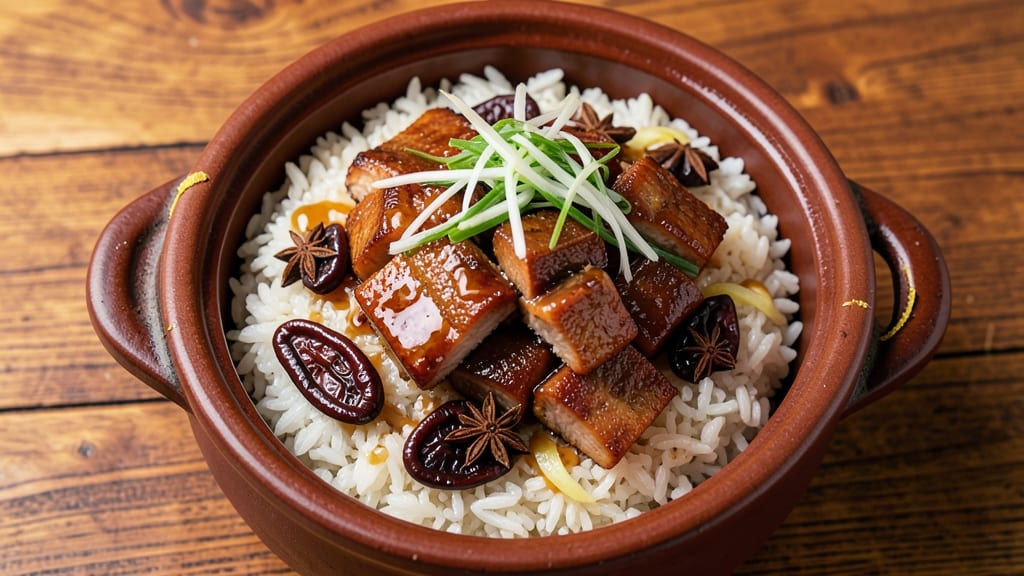
This Chinese clay pot rice transforms simple ingredients into a fragrant, one-pot meal where aromatic steam infuses every grain. The ceramic pot locks in moisture and flavors—ginger, star anise, and pork—creating a tender, savory dish that’s as comforting as it is impressive.
Unlike stir-fries or steamed rice, this method builds layers of depth through slow, even cooking.
The secret lies in balancing heat and liquid: rice cooks in its own broth while the protein (pork, chicken, or shrimp) simmers just enough to stay juicy, not dry. No separate pots, no overcooked edges—just a single dish that delivers restaurant-quality results with minimal effort.
Perfect for weeknight dinners or special occasions, this recipe proves that traditional techniques still reign supreme in modern kitchens.
Ingredients for chinese clay pot rice
Jasmine rice, aromatic spices, and tender pork create this fragrant ceramic pot masterpiece.
| Ingredient | Amount | Notes |
|---|---|---|
| Jasmine Rice 🍚 | 1 ½ cups | Uncooked, long-grain preferred |
| Boneless Pork Shoulder 🐖 | 1 lb | Cut into 1-inch cubes |
| Fresh Ginger 🧄 | 2 tbsp | Finely grated, aromatic |
| Star Anise Pods 🌿 | 2 whole | Lightly crushed for aroma |
| Dried Shiitake Mushrooms 🍄 | 4 whole | Rehydrated in hot water |
| Green Onions 🧅 | 4 whole | White and green parts separated |
| Light Soy Sauce 🍶 | ¼ cup | Kikkoman preferred |
| Shaoxing Wine 🍷 | ¼ cup | Substitute dry sherry if unavailable |
| Sesame Oil 🫒 | 1 tbsp | Toasted, for finishing |
| Vegetable Oil 🫒 | 2 tbsp | High smoke point |
| Garlic Cloves 🧄 | 6 cloves | Minced, aromatic |
| Dried Red Chili Peppers 🌶️ | 2 pieces | Optional, for heat |
| Salt 🧂 | 1 ½ tsp | Diamond Crystal preferred |
| Water 💧 | 2 ½ cups | Filtered preferred |
The clay pot is non-negotiable for authentic texture—Le Creuset or Xingguan brand deliver consistent results. For the pork, boneless shoulder ensures tender, even cooking; avoid lean cuts that dry out. Star anise and ginger should be fresh and aromatic—test by smelling before buying. Dried shiitake mushrooms from Asian markets have deeper umami than supermarket varieties. The green onions add brightness, so use the white parts for cooking and reserve the greens for garnish. Shaoxing wine elevates the dish—substitute with dry sherry if unavailable, but reduce to 2 tbsp to avoid bitterness.
No Shaoxing wine? Dry white wine or rice vinegar works, though flavor will differ slightly. Fresh ginger is ideal, but powdered ginger at half the amount suffices in a pinch. Dried chili peppers can be omitted entirely or replaced with red pepper flakes for milder heat. Vegetable oil should have a high smoke point—avocado or peanut oil are excellent substitutes. For soy sauce, Kikkoman is standard, but light-colored soy sauce from Asian markets enhances authenticity. Sesame oil should be toasted—lightly heat it before adding to avoid overpowering the dish.
Rice and pork can be prepped 1 day ahead—store separately in the fridge. Rehydrate mushrooms in hot water for 20 minutes before adding to the pot. Clay pots should be preheated to distribute heat evenly. Leftovers keep 3-4 days in the fridge or 3 months frozen. Reheat gently on low heat with a splash of water to restore moisture. Portion into individual containers for easy reheating—each serving retains its signature aroma.
Why You'll Love This Recipe
- One-Pot Magic: That clay pot does all the work—rice, pork, and mushrooms simmer together until the pork falls apart tender. No stirring, no stress, just hands-off perfection.
- Umami Bomb: Dried shiitake mushrooms and star anise pack a flavor punch that lingers. The ginger adds a bright kick, while the pork shoulder melts into rich, savory goodness—every bite’s a little celebration.
- Weeknight Hero: This feeds four but scales easily for two or six. Leftovers reheat like a dream, and the rice stays fluffy even after days. Honestly, I’ve made it for dinner, packed it for lunch, and served it at potlucks—no one questions why.
- Budget-Friendly Luxury: Pork shoulder stretches for miles, and dried mushrooms add depth without costing much. The spices? A few pods of star anise and a knob of ginger—simple, but it tastes like a restaurant dish. My wallet and taste buds both win.
Step-by-step instructions for Chinese clay pot rice
Master the art of clay pot rice with this method—where aromatic layers build through careful layering and precise steaming.
Prepare the Pork and Aromatics
Cut the 1 lb boneless pork shoulder into 1-inch cubes and set aside. In a small bowl, combine the 2 tbsp finely grated fresh ginger, 6 cloves minced garlic, 2 lightly crushed star anise pods, and 2 pieces dried red chili peppers (if using). This aromatic blend forms the flavor foundation for the dish.
Heat 2 tbsp vegetable oil in a large skillet over medium-high heat. Add the pork cubes and sear for 4-5 minutes, turning occasionally, until they develop a light golden crust. Remove the pork and set aside. In the same skillet, add the ginger-garlic-aromatic mixture and stir for 30 seconds until fragrant—this releases their essential oils into the oil, which will later infuse the rice.
Rehydrate and Sauté the Shiitake Mushrooms
Place the 4 whole dried shiitake mushrooms in a bowl and cover with 2 cups hot water. Let them soak for 20 minutes until softened. Drain, reserving the soaking liquid, and finely chop the mushrooms. Heat 1 tbsp vegetable oil in a clean skillet over medium heat and sauté the mushrooms for 3-4 minutes until their moisture evaporates and they turn a deep golden brown.
This step is critical—dried shiitake mushrooms absorb water like sponges, so removing excess moisture ensures they contribute umami depth rather than steaming the rice. Set the sautéed mushrooms aside with the pork.
Build the Clay Pot Layering
Rinse the 1.5 cups jasmine rice under cold water until the water runs clear, then drain well. In your clay pot (or heavy-bottomed pot if substituting), combine the rice, pork cubes, sautéed mushrooms, 4 whole green onions (white parts only, chopped), 0.25 cup light soy sauce, 0.25 cup Shaoxing wine, 1.5 tsp salt, and the reserved 2 cups shiitake soaking liquid. Stir gently to distribute everything evenly.
The clay pot’s unique property is its ability to trap steam and distribute heat evenly, creating a fragrant, cohesive dish. The green onion whites add subtle sweetness and prevent the rice from becoming too dense. Avoid overmixing—just enough to combine the ingredients so each grain gets infused with flavor.
Steam to Perfection
Pour the remaining 0.5 cups water (from the 2.5 cups total) over the rice mixture, ensuring it’s evenly distributed. Cover the pot tightly with a lid and place it over medium heat. Bring to a boil, then immediately reduce heat to low and steam for 12 minutes without lifting the lid. This initial phase allows the rice to absorb moisture and begin gelatinizing.
After 12 minutes, uncover the pot and let it sit for 2 minutes to release excess steam. This resting period is crucial—it prevents the rice from becoming mushy. Then, re-cover and steam for another 8-10 minutes until the rice is tender and the liquid is fully absorbed. The clay pot’s ceramic material ensures even heat distribution, so no part of the rice will be undercooked.
Finish with Sesame Oil and Garnish
Once the rice is fully cooked and the bottom of the pot is lightly crisped (a hallmark of clay pot rice), turn off the heat and let the pot sit, covered, for 5 minutes. This final rest allows the rice to plump and the flavors to meld. Drizzle 1 tbsp toasted sesame oil evenly over the surface and gently fold it in with a spatula.
Garnish with the remaining 4 whole green onions (green parts only, cut into 1-inch pieces) and serve immediately. The sesame oil adds a nutty aroma and ties all the flavors together, while the fresh green onions provide a bright contrast to the rich, savory rice. The clay pot’s residual heat keeps the dish warm and fragrant for serving.
Pro Tips For Making Chinese Clay Pot Rice
- PARBOIL PORK FIRST: I learned this the hard way—skipping the parboil means your pork shoulder stays tough and chewy. Simmer it in water with a pinch of salt for 15 minutes before adding to the clay pot. The collagen breaks down just enough to make the final texture tender without falling apart.
- SOAK SHIITAKES 20 MINUTES: Dried shiitakes absorb flavor like sponges, but they need time. Toss them in hot water for 20 minutes before slicing—this guarantees they stay plump and release their umami depth into the broth. (Yes, even if you’re impatient like me.)
- STIR RICE AFTER STEAMING: The clay pot’s magic happens when the rice meets the pork broth, but don’t just dump it in. After the pork simmers, spread the raw jasmine rice evenly over the hot surface—let it sit 2 minutes, then stir gently. This locks in steam and prevents a dry, uneven texture.
- USE STAR ANISE LAST: Star anise adds aroma, but it’s bitter if overcooked. Drop it in with the pork for the first 10 minutes, then fish it out before the rice absorbs the broth. (Pro move: crush it slightly first—more surface area, more flavor.)
Dietary considerations for this chinese clay pot rice
Gluten-Free Adaptations
This dish is naturally gluten-free if you use gluten-free soy sauce like Kikkoman Gluten-Free Tamari instead of regular soy sauce. Swap Shaoxing wine for gluten-free dry sherry or a gluten-free cooking wine to maintain authenticity. Always check labels—some brands process soy sauce in gluten-containing facilities. 🌱
Low-Sodium Options
Reduce the 1.5 tsp salt to ½ tsp and boost flavor with extra 1 tbsp grated ginger and 1 extra star anise pod. Use low-sodium soy sauce (like San-J Tamari) to cut sodium by 50%.
For extra umami, add 1 tbsp fish sauce or 1 extra rehydrated shiitake mushroom—both deepen flavor without salt.
Vegetarian Swaps
Replace the pork with 1 lb firm tofu (pressed and cubed) or 1 lb king oyster mushrooms (sliced into thick rounds). Sauté the tofu or mushrooms in 1 tbsp oil until golden before layering.
Add 1 tbsp vegetarian oyster sauce (like Lee Kum Kee) for depth. For protein, include 1 cup edamame or 1 cup chickpeas in the final mix.
Allergen-Friendly Tips
For sesame-free dishes, skip the sesame oil and use 1 tsp neutral oil (like avocado) instead. If avoiding mushrooms, replace shiitake with ½ cup finely chopped bell peppers or ½ cup corn kernels for texture.
For nut-free needs, ensure your soy sauce and sesame oil are processed in nut-free facilities—brands like San-J offer certified nut-free options.
Dairy-Free & Egg-Free
This recipe is already dairy-free and egg-free, but verify all ingredients: soy sauce (check for fish-based additives), Shaoxing wine (some brands use egg whites as a fining agent—opt for E&J Organic if concerned). The dish’s richness comes from pork, mushrooms, and aromatics, so no dairy substitutes are needed.
Nutrition facts
Frequently asked questions
Can I use a regular pot instead of a clay pot?
A heavy-bottomed stainless steel or ceramic pot works in a pinch, but the clay pot's unique properties—even heat distribution and steam retention—create the signature aromatic rice. For best results, use a pot with a tight-fitting lid and preheat it before cooking. The texture won't be identical, but the flavors will still develop beautifully.
How do I know when the rice is fully cooked?
The rice is done when all liquid is absorbed and the bottom develops a light golden crust. Test by inserting a fork—grains should be tender with a slight bite. If it's still firm after 20 minutes total cooking time, add 2 tbsp hot water, cover, and steam 5 more minutes. Overcooking turns rice mushy, so monitor closely.
What if I don't have Shaoxing wine?
Use dry sherry as the closest substitute, or white wine vinegar for acidity. Reduce to 2 tbsp if using vinegar to avoid overpowering. For a neutral option, rice vinegar works but lacks depth—pair with extra 1 tsp soy sauce to compensate. The dish will still be delicious, just with slightly different flavor notes.
Why does my clay pot rice smell amazing but taste bland?
This usually means the aromatics (ginger, star anise, garlic) weren't properly toasted or the pork wasn't seared. For next time, sauté the aromatics until fragrant (30 seconds) and sear pork until golden—this releases flavors that infuse the rice. Also check your soy sauce: dark soy sauce adds color but can taste bitter; stick to light soy sauce for balance.
Can I make this with chicken instead of pork?
Use 1 lb boneless chicken thighs (darker meat stays juicier) and cut them into 1-inch pieces. Sear them until 165°F internal temp, then proceed with the recipe. Chicken cooks faster than pork, so reduce the initial steaming time to 10 minutes before checking doneness. Add a pinch of salt if you prefer milder flavor.