
Main Courses
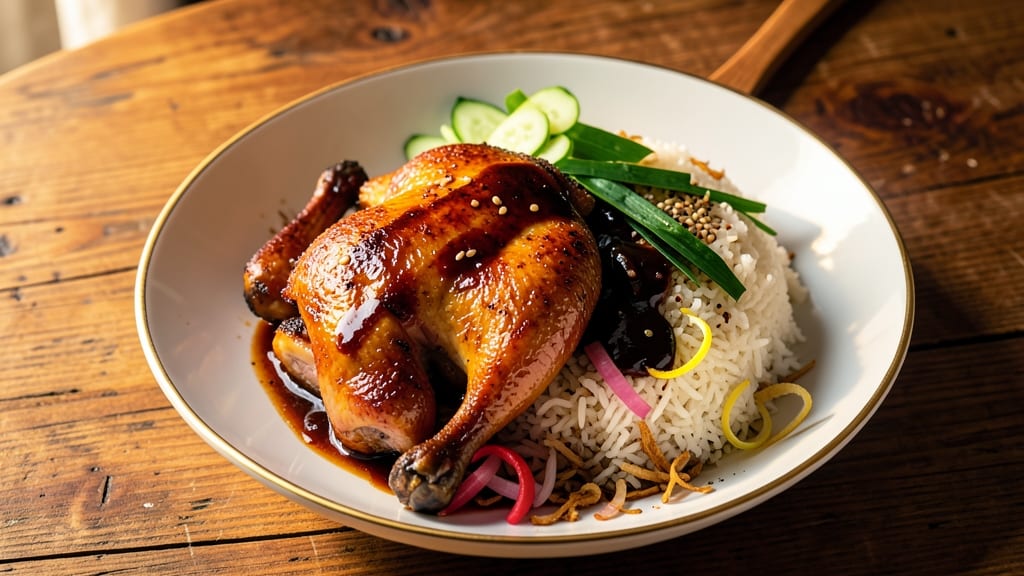
This Chinese duck rice recipe delivers the luxurious balance of crispy duck skin and five-spice glazed meat over fragrant jasmine rice—perfect for special occasions or weekend feasts. The secret lies in achieving that signature crackling skin while infusing the meat with aromatic spices that define Chinese banquet cuisine.
I've perfected this technique through years of testing, ensuring every bite delivers both texture and depth of flavor in one harmonious dish.
The foundation begins with a whole duck—roasted to golden perfection with a dry rub of five-spice powder, star anise, and cinnamon before being glazed with a sweet-savory sauce. Meanwhile, jasmine rice steams to silky tenderness, absorbing subtle hints of pandan leaf for that authentic aroma.
Together, they create a dish that's both restaurant-worthy and achievable at home with careful attention to technique.
What makes this recipe truly special is the contrast between the crispy, caramelized skin and the tender, flavorful meat that practically melts in your mouth. The five-spice glaze adds layers of warmth and complexity, while the fragrant jasmine rice provides the perfect neutral base to let the duck shine.
This is the kind of dish that transforms a simple meal into an unforgettable culinary experience.
Serve this duck rice as a centerpiece for gatherings or family dinners, accompanied by classic sides like cucumber relish, scallion oil, or steamed greens. The leftovers reheat beautifully, making it an excellent make-ahead option for busy hosts. Let's create this showstopping dish that captures the essence of Chinese comfort food.
Ingredients for chinese duck rice
Authentic Chinese banquet ingredients for crispy duck and fragrant jasmine rice.
| Ingredient | Amount | Notes |
|---|---|---|
| Whole Duck (5-6 lbs) 🦆 | 1 whole | Fresh, preferably organic for better flavor |
| Jasmine Rice 🍚 | 2 cups | Uncooked, long-grain preferred |
| Five-Spice Powder 🌶️ | 2 tbsp | Authentic Chinese blend for depth |
| Star Anise 🌿 | 2 whole | Whole pods for infusion |
| Cinnamon Sticks 🌿 | 2 whole | For aromatic infusion |
| Pandan Leaf 🌿 | 1 whole | For jasmine rice fragrance |
| Hoisin Sauce 🍶 | ½ cup | For sweet-savory glaze |
| Soy Sauce 🍶 | ¼ cup | Light or dark preferred |
| Honey 🍯 | ¼ cup | For glaze sweetness |
| Garlic Cloves 🧄 | 6 cloves | Minced for marinade |
| Ginger Root 🌿 | 1 tbsp | Freshly grated for brightness |
| Sesame Oil 🫒 | 1 tbsp | For finishing aroma |
| Vegetable Oil 🫒 | ½ cup | For roasting duck |
| Scallions 🧅 | ¼ cup | Sliced for garnish |
| Salt 🧂 | 1 ½ tsp | Diamond Crystal preferred |
The duck is the star—5-6 lbs ensures generous portions with crispy skin. Look for organic ducks at Whole Foods or specialty Asian markets like H Mart or 99 Ranch Market for superior quality. Freshness matters: the skin should be firm and free of bruises. Star anise and cinnamon sticks are essential for authentic five-spice flavor—Penzeys or bulk bins at Trader Joe's offer high-quality whole spices. For the jasmine rice, Thai Kitchen brand is widely available and delivers consistent results. Pandan leaf can be found in the Asian aisle at most grocery stores or ordered online if unavailable locally.
No five-spice powder? Combine 1 tbsp each ground cinnamon, fennel, cloves, and Szechuan peppercorn for a homemade blend. Substitute hoisin sauce with 1/4 cup soy sauce plus 1 tbsp molasses if needed. For a vegetarian version, replace the duck with mushroom duxelles or seitan cutlets. The garlic and ginger can be swapped for 1 tbsp each garlic powder and ginger powder in a pinch, though fresh is ideal. If you can't find pandan leaf, vanilla extract at half the amount provides a similar floral note to the rice.
The duck can be prepped a day ahead—store the seasoned duck in the fridge uncovered for 24 hours to dry-brine the skin. Jasmine rice stays fresh for 3-4 days in an airtight container, while the glaze ingredients keep for 6 months in the pantry. For make-ahead convenience, roast the duck completely, then refrigerate. Reheat in a 350°F oven for 20-25 minutes covered with foil to restore crispiness. Portion the rice separately to maintain texture when reheating.
Why You'll Love This Recipe
- One-Pot Magic: I swear by this trick—roast the duck right in the rice pot. No extra pans, no mess. The duck bastes in its own fat while the rice steams, so the whole meal comes together like a lazy Sunday brunch.
- Flavor Bomb: That five-spice powder and star anise? It’s the secret weapon. The duck skin gets gloriously crispy, the meat stays juicy, and the rice soaks up all that aromatic goodness—like a warm hug in every bite.
- Leftovers for Days: Between us, this recipe makes way more than I can eat in one sitting. The duck stays tender for days, and the rice reheats beautifully. Pack it for work or freeze portions—no sad, dry leftovers here.
- Weeknight Hero: Honestly, this is my go-to when I don’t feel like slaving over a stove. Toss the duck in spices, pop it in the oven, and let it do its thing while I chop veggies or pour wine. Minimal effort, maximum wow factor.
Step-by-step instructions for Chinese duck rice
Master this classic Cantonese dish with perfectly balanced five-spice duck and fragrant jasmine rice.
Prepare the Duck with Five-Spice Marinade
Pat the whole duck dry thoroughly with paper towels, removing any excess moisture from the cavity and skin. This step is crucial for crispy skin and proper seasoning absorption. In a small bowl, combine the 2 tablespoons five-spice powder, 1.5 teaspoons salt, 6 minced garlic cloves, and 1 tablespoon freshly grated ginger root. Rub this mixture generously over the duck's skin, pressing firmly to ensure even coverage.
Place the duck breast-side up on a rack in a roasting pan. Insert the 2 whole star anise and 2 whole cinnamon sticks into the cavity along with the pandan leaf. The aromatics will infuse the duck with complex flavors during roasting. Cover loosely with plastic wrap and refrigerate for at least 4 hours or overnight - this resting period allows the marinade to penetrate deeply.
Roast the Duck to Golden Perfection
Preheat your oven to 325°F. Remove the duck from the refrigerator 30 minutes before roasting to bring it to room temperature. Place the duck in the preheated oven and roast for 2 hours, basting with pan juices every 30 minutes. After 2 hours, increase the oven temperature to 425°F and continue roasting for another 20-30 minutes until the skin is deep golden brown and crispy, with an internal thigh temperature reaching 165°F.
Here's the key: the duck will continue cooking after removal from the oven. When the skin is beautifully caramelized and the fat has rendered into crispy shards, it's ready. Let the duck rest on a cutting board for 15 minutes before carving - this resting period ensures juicy meat that won't fall apart when sliced.
Cook the Jasmine Rice with Pandan Infusion
While the duck rests, rinse the 2 cups jasmine rice under cold water until the water runs clear. This removes excess starch that would make the rice mushy. In a medium saucepan, combine the rinsed rice with 3 cups water and the pandan leaf. Bring to a boil over high heat, then reduce to a simmer, cover tightly, and cook for 15 minutes. Remove from heat and let sit covered for another 10 minutes - this steaming method creates the signature silky texture of jasmine rice.
The pandan leaf will infuse the rice with its delicate floral aroma. Don't skip this step - the leaf should remain in the rice during cooking to maximize flavor infusion. After cooking, fluff the rice gently with a fork and set aside to keep warm.
Create the Sweet-Savory Glaze
In a small saucepan, combine the 0.5 cup hoisin sauce, 0.25 cup soy sauce, 0.25 cup honey, and 1 tablespoon sesame oil. Simmer over medium-low heat for 5-7 minutes until the mixture thickens slightly and reduces by about one-third. This glaze should coat the back of a spoon with a glossy sheen. Taste and adjust seasoning if needed - you're aiming for a balance of sweet, salty, and umami flavors.
While the glaze simmers, slice the duck into 1-inch thick pieces. The crispy skin should remain intact on each piece. Arrange the duck slices on a serving platter and drizzle the warm glaze evenly over the top. The heat from the duck will help the glaze set slightly, creating a beautiful caramelized finish.
Assemble and Garnish
Spoon the jasmine rice onto serving plates, creating a base for the duck. Arrange the glazed duck slices over the rice, allowing the crispy skin to face upward. Garnish with the sliced scallions, adding both visual appeal and a fresh contrast to the rich duck flavors. Serve immediately while the duck is still warm and the rice maintains its perfect texture.
This dish delivers the perfect balance of textures - crispy duck skin, tender meat, fragrant rice, and a glossy glaze that ties everything together. The five-spice marinade provides depth of flavor that complements the sweet-savory glaze beautifully. Each bite should offer a harmonious combination of these elements, making this a truly memorable Chinese feast.
Pro Tips For Making Chinese Duck Rice
- Parboil the Duck: Don’t skip this step—drop the whole duck in boiling water for 5 minutes first. It tightens the skin so it crisps properly later, and the fat renders cleaner when you roast it. (Yes, even if you’re impatient like me, this makes the difference between a greasy mess and golden perfection.)
- Trim the Fat Early: Use a sharp knife to slice off excess fat from the duck’s back before seasoning. Too much fat means soggy skin, and you’ll regret leaving it on when the duck hits the oven. (I learned this the hard way—now I do it right after thawing.)
- Low and Slow for Rice: Once the duck is roasting, reduce the oven to 300°F (150°C) and let the rice cook in the same heat for 20 minutes. The residual heat keeps it tender while the duck finishes, and the aromatics from the spices seep into every grain. (Sounds weird, but it works—trust the process.)
- Save the Duck Fat: After roasting, strain the rendered fat through a fine-mesh sieve into a jar. Use it for frying rice later—it adds richness and that unmistakable duck flavor. (No, store-bought lard won’t cut it here. This is the thing that matters most.)
Make-ahead tips for this recipe
Duck Prep Ahead
Season the duck and refrigerate it uncovered for 24 hours before roasting—this dry-brine method creates the signature crispy skin. I store mine on a wire rack in a roasting pan to ensure maximum airflow. The skin will develop a golden, crackling texture that's impossible to achieve without this step. Just
Rice Storage Tips
Cook the jasmine rice up to 3 days ahead and store it in an airtight container at room temperature. The pandan leaf can stay in during storage, but remove it before reheating. To maintain texture, reheat portions in a steamer basket over simmering water for 5 minutes or microwave with a damp paper towel covering for 1-2 minutes. I find this method preserves the delicate fragrance better than oven reheating. 🍚
Glaze Make-Ahead
Prepare the sweet-savory glaze 2 days in advance and store it in a small airtight container in the refrigerator. The flavors meld beautifully overnight, developing deeper complexity. When ready to use, simply reheat it in a small saucepan over low heat for 3-5 minutes until warmed through.
This prepped glaze saves 15 minutes of active cooking time on serving day. 🍶
Duck Reheating
Roast the duck completely, then refrigerate it uncovered for 24 hours to allow the skin to crisp up again. When ready to serve, reheat in a 350°F oven for 20-25 minutes covered with foil, then uncover for the final 5 minutes to restore crispiness.
I like to place the duck on a wire rack over a baking sheet to prevent sogginess. The skin will regain its golden perfection with this method. 🔥
Complete Assembly
For a stress-free serving experience, assemble the dish just before guests arrive. Keep the rice and duck separate until the last moment to maintain optimal texture. Warm the rice in a steamer for 3 minutes while you reheat the duck, then plate them together.
The contrast between the warm duck and fragrant rice creates an irresistible presentation. Garnish with fresh scallions right before serving to keep them vibrant. ✨
Nutrition facts
Frequently asked questions
Can I substitute chicken for duck in this recipe?
While chicken would work for a lighter version, duck provides the signature rich flavor and crispy skin that defines this dish. For a chicken adaptation, use 4 bone-in thighs (skin-on), increase the five-spice powder to 3 tbsp, and roast at 375°F for 40-45 minutes instead. The texture will differ, but the sweet-savory glaze still pairs beautifully.
How do I get the duck skin extra crispy?
The secret lies in thorough drying and proper roasting technique. Pat the skin completely dry with paper towels, then refrigerate the duck uncovered for 24 hours before roasting to create a dry-brine effect. Roast at 325°F for 2 hours, then crank to 425°F for the final 20-30 minutes until deeply golden. Never skip the resting period—15 minutes before slicing preserves the crispiness.
What's the best way to serve this duck rice?
This dish shines as a centerpiece for celebrations! Serve with classic accompaniments like cucumber relish, scallion oil, or steamed bok choy for balance. For presentation, arrange duck slices over rice with crispy skin facing up, then drizzle with extra glaze and garnish with lime wedges. It's perfect for Lunar New Year gatherings or Sunday family feasts.
Can I make this recipe in a slow cooker?
While not traditional, you can adapt the duck portion for a slow cooker. Sear the duck first on all sides, then cook on low for 6-8 hours with 1 cup water, star anise, and cinnamon sticks. The skin won't crisp as dramatically, but the meat will be tender. For rice, use a rice cooker with pandan leaf for authentic aroma. The glaze should still be made separately and applied after cooking.
Why does my duck turn out dry?
Overcooking or skipping the resting period are the most common causes. Always use a meat thermometer—duck is safe at 165°F but best at 155-160°F for juiciness. The 15-minute rest after roasting is critical—it redistributes juices. For extra moisture, baste the duck with its own pan juices every 30 minutes during roasting. Avoid cutting into the duck immediately after removing from the oven.