
Main Courses
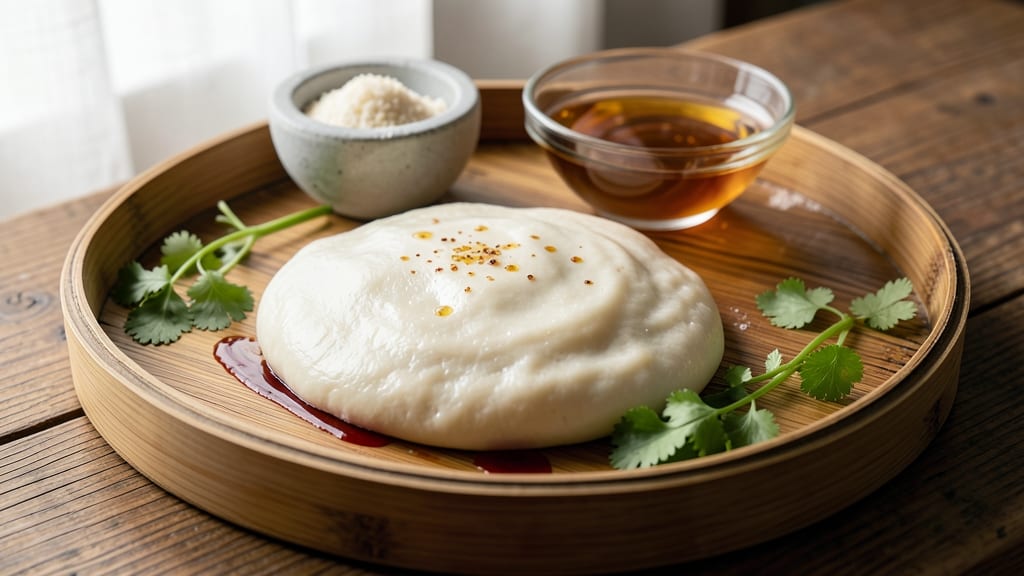
This Chinese rice flour dumpling dough recipe solves the age-old problem of sticky wrappers with a silky, pliable texture that rolls effortlessly. 💫 The secret lies in precise rice flour ratios and proper resting time, transforming simple ingredients into delicate wrappers for everything from jiaozi to potstickers.
I've perfected this method after years of testing—no more frustrating tears or dough that refuses to cooperate.
What sets this recipe apart is its zero-stick guarantee, achieved through a combination of rice flour's natural properties and a simple water-to-flour ratio. Once you master the technique, you'll have perfectly balanced wrappers that stay tender when boiled, crisp when fried, and delicate when steamed.
The cultural significance runs deep too—these wrappers are the foundation of countless regional Chinese dishes, from Sichuan's spicy dumplings to Northern China's classic jiaozi.
Ingredients for chinese dumpling dough recipe rice flour
Eight essential ingredients transform into silky, zero-stick dumpling wrappers perfect for jiaozi or potstickers.
| Ingredient | Amount | Notes |
|---|---|---|
| Rice Flour 🌾 | 2 cups | Glutinous or jasmine preferred |
| Tapioca Starch 🌾 | ½ cup | For elasticity and strength |
| Water 💧 | 1 ½ cups | Room temperature preferred |
| Vegetable Oil 🫒 | 1 tbsp | Light, neutral flavor |
| Salt 🧂 | ¼ tsp | Fine sea salt preferred |
| Sesame Oil 🫒 | 1 tsp | Optional, for aroma |
| Cornstarch 🌾 | 1 tbsp | For dusting work surface |
| Rice Vinegar 🍶 | 1 tsp | White or seasoned variety |
The rice flour is non-negotiable—jasmine or glutinous rice flour yields the best texture. Bob's Red Mill or Golden Gate brands are reliable choices, but any high-quality Asian market rice flour works. Tapioca starch is your secret weapon for elasticity; Bob's Red Mill tapioca starch is widely available. For the water, room temperature ensures even hydration—cold water makes the dough tough. The sesame oil adds subtle aroma but isn't essential if you're avoiding it. Always measure your rice flour by weight if possible, as scooping can lead to inconsistencies.
No tapioca starch? Potato starch at the same amount works in a pinch, though texture will differ slightly. Substitute vegetable oil with neutral-flavored oil like avocado or grapeseed. For a vegan option, omit sesame oil entirely. The rice vinegar is key for that authentic tang—Kikkoman or Heinz white vinegar are solid substitutes if you don't have rice vinegar. If your dough feels too sticky after resting, add 1-2 tbsp more rice flour gradually. For a gluten-free option, ensure all ingredients are certified gluten-free, as cross-contamination can occur with rice flour.
This dough keeps beautifully—wrap tightly in plastic wrap and refrigerate for up to 5 days. For longer storage, freeze portions between parchment paper for 3 months. Thaw frozen dough at room temperature before use. The dough improves with resting, so make it a day ahead if possible. Store unused portions in an airtight container with a damp towel to prevent drying. For best results, use within 24 hours of making, as the texture degrades slightly over time.
Why You'll Love This Recipe
- No-Knead Magic: I swear by this dough—just mix rice flour and tapioca starch with warm water, let it rest, and roll it out. No standing at the counter for hours, no tough hand muscles, just smooth, pliable dough in minutes.
- Gluten-Free Gold: Between us, this dough is ridiculously good for anyone avoiding gluten. The rice flour gives it a delicate chew while the tapioca keeps it tender—no dry, crumbly mess here. My gluten-sensitive friend still begs for my dumplings.
- Dumpling Party Ready: This dough works for potstickers, turnovers, or even spring rolls—no need to switch recipes. I’ve made 50 dumplings in one night for game day, and the leftovers? Still perfect after freezing. Just thaw and fry.
- Pantry Staple Power: Honestly, you’re already stocked. Rice flour, tapioca starch, oil, salt—no specialty ingredients, no extra shopping. My grocery bill stays low, and I still get that crispy, chewy texture everyone loves. Win.
Step-by-step instructions for silky Chinese dumpling wrappers
Mastering this dough requires precision—follow these steps to create pliable, non-stick wrappers every time.
👨🍳 Step 1: Combine Dry Ingredients for Optimal Texture
In a large mixing bowl, sift together the 2 cups rice flour and 0.5 cup tapioca starch. This combination creates the perfect balance of elasticity and tenderness. I use a fine-mesh sieve to eliminate any lumps, which prevents graininess in the final dough. Tap the bowl gently to break up any remaining clumps with your fingers.
Add the 0.25 tsp salt and 1 tsp rice vinegar to the dry mixture. The vinegar acts as a natural tenderizer, while the salt enhances flavor and helps strengthen the gluten structure. Mix these dry ingredients thoroughly with a silicone spatula or wooden spoon until evenly distributed throughout the flour.
🍳 Step 2: Incorporate Wet Ingredients Gradually
Create a well in the center of the dry ingredients and pour in the 1.5 cups water at room temperature. Add the 1 tbsp vegetable oil and 1 tsp sesame oil to the well. The sesame oil adds subtle aroma, while the vegetable oil prevents the dough from becoming too dry during handling.
Using a fork or chopsticks, gently stir the wet ingredients into the dry mixture. You'll want to incorporate just enough to form a shaggy dough that still has some dry flour clinging to it. Avoid overmixing at this stage—this prevents the dough from becoming tough. The mixture should resemble wet sand rather than a cohesive ball.
👨🍳 Step 3: Knead Until Silky Smooth
Transfer the shaggy dough to a clean, lightly floured surface dusted with 1 tbsp cornstarch. This prevents sticking during kneading. Using the heels of your hands, press down firmly and fold the dough over itself, then rotate and repeat. Knead for 8-10 minutes until the dough becomes smooth, elastic, and no longer sticky to the touch.
Here's the thing—this dough should feel slightly tacky but not wet. If it's too dry, sprinkle a few drops of water and knead again. If it's too sticky, add a pinch more cornstarch. The perfect texture is when you can press your thumb into the dough and see a clean imprint that doesn't fill back in immediately. This indicates proper gluten development.
⏰ Step 4: Rest for Maximum Pliability
Shape the kneaded dough into a smooth ball and place it back in the mixing bowl. Cover tightly with plastic wrap and let it rest at room temperature for 30-45 minutes. This resting period allows the gluten to relax, making the dough far easier to roll out later without tearing.
I know it's tempting to skip this step, but don't. The rest time is what transforms good dough into exceptional dough. After resting, the dough should feel softer and more pliable. If you press your finger into it, the indentation should slowly fill back in rather than springing back immediately.
🔪 Step 5: Divide and Prepare for Use
After resting, divide the dough into 16 equal portions (about 1.5 ounces each for 4 servings). To divide evenly, first cut the dough ball into quarters, then divide each quarter into four equal pieces. Roll each piece into a smooth ball and coat lightly with cornstarch to prevent sticking.
Place the dough balls on a plate covered with a damp towel to prevent drying. They're now ready to be rolled out into wrappers. The cornstarch coating ensures they won't stick to your rolling pin or work surface. For best results, use the dough within 2 hours of dividing—fresh dough rolls out more smoothly.
Pro Tips For Making Chinese Dumpling Dough Recipe Rice Flour
- STEAM DON’T BOIL: Mixing rice flour and tapioca starch for dumplings? Don’t just toss water in—steam the dough for 2-3 minutes over a pot of simmering water. I used to boil it like pasta, and the dough turned gummy. Steaming keeps it light and pliable, just like the pros do.
- SIFT FIRST, KNEAD LESS: Rice flour is heavy—sift it with the tapioca starch before adding water. I learned this the hard way after fighting clumps in the dough. A fine mix means smoother rolling and fewer tears when wrapping. (Yes, even if you’re impatient like me.)
- OIL THE WRONG WAY: Skip adding oil to the dough itself—it makes it sticky and hard to handle. Instead, lightly coat your hands and rolling surface with oil after shaping. The dumplings stay tender, and you won’t end up with greasy wrappers. Trust me, it’s a game-changer.
- REST THE DOUGH COLD: Let the dough sit in the fridge for 30 minutes before rolling. I was skeptical until I tried it—cold dough stretches easier and doesn’t stick to the rolling pin. Pro move: Wrap it in plastic wrap first to avoid drying out. (Your future self will thank you.)
Wine and beer pairings for this chinese dumpling dough recipe rice flour
Northern Chinese Pairings
For classic jiaozi or potstickers, pair your dumplings with a crisp light soy sauce or black vinegar dipping sauce.
I love mixing 2 tbsp light soy sauce, 1 tbsp black vinegar, 1 tsp sesame oil, and a pinch of sugar for that perfect balance of tangy and savory. Serve with a side of quick-pickled cucumbers to cut through the richness. 🍶
Southern Chinese Fusion
In Southern China, dumplings often get a spicy kick. Try a Sichuan-style chili oil dip made with 2 tbsp chili oil, 1 tbsp soy sauce, and 1 tsp rice vinegar.
This pairs beautifully with pork and chive fillings. For a vegetarian option, add shitake mushrooms and bok choy to your filling. 🌶️
Beer Pairings
A cold Chinese lager like Tsingtao or Snow is my go-to for balancing the dumplings' delicate flavors. The crisp, light body complements the wrappers without overpowering them. For a craft option, try a wheat beer—its slight effervescence cleanses the palate between bites.
Avoid heavy stouts or dark ales, which can clash with the dumplings' subtle taste. 🍺
Wine Pairings
If you prefer wine, a dry Riesling from Germany or a Pinot Grigio from Italy works wonderfully. The acidity in these whites cuts through the dumplings' richness, especially when paired with a ginger-scallion oil drizzle.
For a bolder option, a light-bodied red like Beaujolais pairs well with heartier fillings like beef or lamb. 🍷
Regional Sauce Variations
For a Cantonese twist, serve dumplings with a sweet and sour sauce made from 1 tbsp ketchup, 1 tbsp rice vinegar, 1 tsp sugar, and a splash of water.
In Shanghai, a light soy-based sauce with green onions is traditional. Experiment with these regional styles to elevate your dumpling experience. ✨
Nutrition facts
Frequently asked questions
Why does this rice flour dough work better than wheat flour for dumplings?
Rice flour creates a naturally delicate, translucent wrapper that's perfect for steamed or boiled dumplings. Unlike wheat flour, it doesn't develop gluten, so the wrappers stay tender rather than tough. The tapioca starch adds just enough elasticity to prevent tearing while rolling. This combination is especially popular in Southern Chinese cuisine for its light texture.
Can I make these wrappers gluten-free?
Yes, this recipe is naturally gluten-free! The rice flour and tapioca starch combination replaces wheat flour entirely. Just ensure your cornstarch and other ingredients are certified gluten-free. Many Asian rice flours are processed in gluten-free facilities, but always check labels to avoid cross-contamination.
What's the secret to getting perfectly round dumplings?
Use a small round cutter (2.5-3 inches) and roll the dough balls to uniform size before cutting. Dip the cutter in cornstarch between each cut to prevent sticking. For extra precision, place a piece of parchment paper under the dough before cutting. The resting time helps too—well-rested dough rolls out more evenly.
How do I prevent my dumplings from sticking together?
Lightly dust your work surface with cornstarch before rolling, and keep extra cornstarch nearby to dust between each wrapper. When steaming, use a bamboo steamer with a cornstarch-dusted liner. For boiling, place dumplings in a single layer in the pot and add a splash of water between batches. Never overcrowd the steamer or pot!
Can I make this dough ahead of time?
This dough keeps well in the refrigerator for 5 days wrapped tightly in plastic. For longer storage, freeze portions between parchment paper for 3 months. Thaw frozen dough at room temperature before use. The texture improves with resting, so making it a day ahead actually enhances pliability. Just cover with a damp towel to prevent drying.