
Main Courses
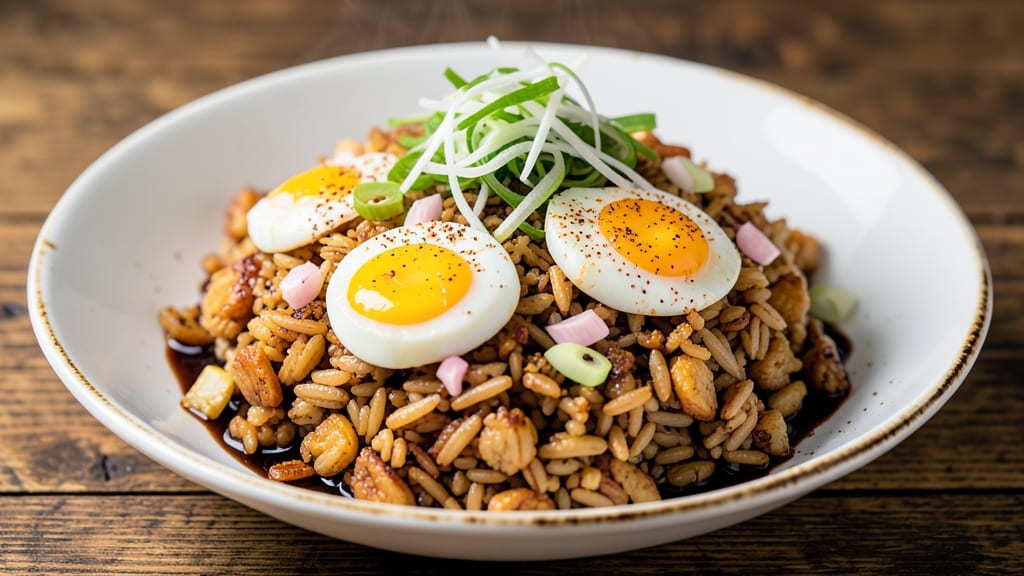
This Chinese fried brown rice recipe delivers the perfect balance of crunchy texture and five-spice depth, transforming leftover rice into a restaurant-worthy dish.
The secret lies in high-heat wok tossing with garlic, ginger, and a fusion of scrambled eggs infused with Chinese five-spice powder—creating a dish that's both comforting and complex.
I developed this method after years of experimenting with leftover rice, ensuring every bite has that signature crispy exterior while staying tender inside.
What makes this recipe stand out is the five-spice egg fusion—a technique that adds aromatic warmth without overpowering the dish. The eggs not only bind the rice but also introduce layers of flavor that complement the savory wok hei (breath of the wok) from the stir-fry.
Ready in just 15 minutes, this dish is perfect for weeknight dinners or repurposing leftover rice. The result? A crispy, flavorful one-pan meal that's impossible to resist.
Ingredients for chinese fried brown rice
Transform leftover brown rice into a restaurant-style wok dish with these twelve essential ingredients.
| Ingredient | Amount | Notes |
|---|---|---|
| Day-Old Cooked Brown Rice 🍚 | 4 cups | Cold or room temperature preferred |
| Large Eggs 🥚 | 3 whole | Room temperature for even cooking |
| Chinese Five-Spice Powder 🌶️ | 1 tsp | Authentic blend for aromatic depth |
| Fresh Garlic Cloves 🧄 | 4 cloves | Minced for bold flavor infusion |
| Fresh Ginger Root 🌿 | 1 tbsp | Finely grated, aromatic base |
| Neutral High-Smoke-Point Oil 🫒 | 3 tbsp | Avocado or peanut oil preferred |
| Low-Sodium Soy Sauce 🥢 | 2 tbsp | For umami depth without excess salt |
| Sesame Oil 🌰 | 1 tsp | Toasted for nutty aroma |
| Green Onions 🧅 | 3 whole | Thinly sliced for fresh finish |
| Diamond Crystal Kosher Salt 🧂 | ½ tsp | Adjust to taste at the end |
| Black Pepper 🌶️ | ¼ tsp | Freshly cracked for heat |
| Vegetable Oil Spray 🫒 | 1 tbsp | For non-stick wok coating |
The Chinese five-spice powder is non-negotiable here—authentic blends from Penzeys Spices or Whole Foods deliver the perfect balance of star anise, cinnamon, clove, fennel, and Sichuan peppercorn. For the rice, day-old brown rice is ideal as it's drier and crisps beautifully. If using white rice, toast it first in the wok for extra crunch. The garlic and ginger should be freshly minced—pre-minced jars lack the aromatic punch needed for wok hei. Store-bought five-spice blends work, but homemade versions (toasted whole spices ground fresh) elevate the dish significantly. Look for organic garlic and ginger at specialty markets for superior flavor intensity.
No five-spice powder? Create your own blend using equal parts ground star anise, cinnamon, clove, fennel seed, and Sichuan peppercorn—roast the whole spices briefly before grinding for deeper flavor. Substitute soy sauce with coconut aminos for a gluten-free option, though the umami depth will differ slightly. Fresh sesame oil is crucial—avoid the flavored varieties from the international aisle, as they often contain artificial additives. For the eggs, room temperature ensures even scrambling, preventing a rubbery texture. If you're short on time, microwave the eggs for 30 seconds to bring them to room temperature. The green onions should be both white and green parts used—discard any wilted sections.
Store leftover rice in an airtight container in the refrigerator for up to 5 days, but use it within 2 days for optimal texture. The five-spice powder retains potency for 6 months in a cool, dark place, while fresh ginger and garlic keep for 2 weeks in the fridge. Prep the garlic and ginger ahead—they can be stored in a sealed container with a paper towel to absorb moisture. This dish reheats beautifully, though the texture will be slightly softer. For meal prep, portion into individual containers and reheat in a dry skillet over medium heat for 2-3 minutes to restore crispiness. The sesame oil should be refrigerated after opening and used within 3 months.
Why You'll Love This Recipe
- I swear by this trick: use day-old brown rice straight from the fridge—no soaking, no stress. Toss in a handful of pre-minced garlic and ginger (or just grate a thumb-sized piece), crack in eggs, and let the wok do the work. Five minutes of stirring, and dinner’s done.
- No-Chop Night Saver: I swear by this trick: use day-old brown rice straight from the fridge—no soaking, no stress. Toss in a handful of pre-minced garlic and ginger (or just grate a thumb-sized piece), crack in eggs, and let the wok do the work. Five minutes of stirring, and dinner’s done.
- Five-Spice Magic: That little jar of Chinese five-spice powder is the secret weapon here. It’s not just cinnamon and cloves—it’s warm, earthy, and just a pinch makes the fried rice smell like a takeout dream. Honestly, I’ve tried this without it, and I’ll never again.
- Lunchbox Hero: This keeps perfectly for days, so I make a big batch on Sundays. Pack it cold in containers for work lunches, or reheat it for a fast weeknight dinner. My kids actually eat their veggies when I sneak them into the mix—no complaints, just clean plates.
Step-by-step instructions for Chinese fried brown rice
Master this wok technique for perfectly crispy edges and aromatic five-spice fusion every time.
Prepare the Wok and Break Up the Rice
Heat a wok over high heat until it's smoking hot. Lightly spray with the 1 tablespoon vegetable oil spray, then immediately tilt the wok to coat the entire surface - you want just enough oil to prevent sticking without pooling. Add the 4 cups day-old cooked brown rice and use a spatula to break it into 1-inch clusters, working quickly to distribute the rice evenly.
This initial high-heat searing creates the signature crispy exterior. Don't rush this step - the rice needs to develop color and texture immediately. If you notice any large clumps forming, break them apart with the back of your spatula. The rice should sizzle audibly as it hits the hot surface, indicating proper heat transfer.
Add Aromatics and Five-Spice Seasoning
Push the rice to one side of the wok and add 3 tablespoons neutral high-smoke-point oil to the empty space. Once the oil shimmers, add the 4 cloves minced fresh garlic cloves and 1 tablespoon finely grated fresh ginger root, stirring constantly for 30 seconds until fragrant but not browned. Sprinkle the 1 teaspoon Chinese five-spice powder evenly over the rice and toss vigorously to coat.
The five-spice powder should bloom immediately, filling your kitchen with warm, aromatic notes. This is where the dish develops its signature complexity - the star anise, cinnamon, and clove in the blend infuse the rice with depth. Keep the heat at high throughout this process to maintain the wok's searing power.
Cook the Eggs and Combine Everything
Crack the 3 whole large eggs into a small bowl and whisk vigorously until the whites and yolks are fully combined. Pour the eggs directly over the rice in the wok, then immediately use a spatula to gently fold and toss everything together. Work quickly but thoroughly to distribute the raw egg evenly throughout the rice clusters.
As the eggs begin to set, continue tossing for 1-2 minutes until the eggs are just set but still slightly moist in the center. This creates the perfect five-spice egg fusion - the eggs should be softly scrambled throughout rather than forming distinct curds. The residual heat from the wok will continue cooking the eggs as you work.
Finish with Soy Sauce and Sesame Oil
Pour the 2 tablespoons low-sodium soy sauce over the rice mixture and toss vigorously for 30 seconds to distribute evenly. Remove the wok from heat and drizzle with the 1 teaspoon sesame oil, then immediately toss one final time to combine. The sesame oil should release its nutty aroma instantly.
Taste and adjust seasoning with the 0.5 teaspoon Diamond Crystal kosher salt and 0.25 teaspoon black pepper as needed. The dish should be savory with a subtle sweetness from the five-spice, not overly salty. Garnish with the 3 whole green onions, thinly sliced, for fresh contrast.
Rest and Serve Immediately
Transfer the fried rice to a serving platter and let it rest for 1-2 minutes before serving. This brief rest allows the flavors to meld while maintaining the crispy texture you've worked so hard to achieve. The rice should be hot throughout with slightly crispy edges on each cluster, and the eggs should be softly scrambled with visible flecks of five-spice throughout.
Serve immediately while still sizzling. The texture contrast between the crispy rice edges and tender centers, combined with the aromatic five-spice egg fusion, creates a dish that's both comforting and sophisticated. For best results, serve with steamed bok choy or a simple cucumber salad to balance the richness.
Pro Tips For Making Chinese Fried Brown Rice
- STIR-FRY IN BATCHES: Freshly fried brown rice sticks together like glue when you try to cook it all at once. Split the rice into 2-3 portions and work in waves—this keeps the texture crispy and separate, not a sad, clumpy mess.
- USE COLD RICE: I learned this the hard way—warm rice turns into a gummy disaster when fried. Stick to day-old rice (or chill freshly cooked rice for 2 hours) so it absorbs oil properly and gets that perfect crunch.
- GINGER AND GARLIC FIRST: Sauté the garlic and ginger until fragrant but not browned—this stops them from turning bitter and overpowering the dish. A quick 30-second cook at medium heat is all you need before adding the eggs.
- SAVE THE EGGS: Whisk the eggs with a splash of water (1 tablespoon per egg) to make them fluffier when fried. Scramble them just until set—overcooking turns them rubbery, and you want them tender enough to mix into the rice.
Troubleshooting perfect results
Rice Too Wet?
If your brown rice is too moist, spread it on a baking sheet and dry it in a 200°F oven for 10-15 minutes while stirring occasionally. Alternatively, spread it on a clean kitchen towel and let it air-dry for 30 minutes.
Overly wet rice will steam instead of crisp up during stir-frying, ruining that essential wok hei texture. 🌡️
Eggs Overcooked?
For perfectly soft scrambled eggs in the rice, work quickly over high heat and remove the wok from heat as soon as the eggs are just set (about 1-2 minutes total).
Overcooked eggs will turn rubbery and dry out the rice. The eggs should still have slight moisture when you serve it—they'll finish cooking from residual heat.
Lacking Crispiness?
To achieve maximum crispiness, use day-old brown rice (never fresh) and ensure your wok is properly preheated until smoking. If your rice stays soft, increase the oil slightly (½ tbsp more) and toss more vigorously.
A carbon steel wok heats faster and retains heat better than stainless steel—ideal for this technique.
Five-Spice Too Strong?
Balance overpowering five-spice by adding ½ tsp sugar or 1 tsp honey when tossing with soy sauce. The natural sweetness in the spice blend (especially cinnamon) will mellow out.
Alternatively, reduce the five-spice to ½ tsp next time. Remember, the eggs help distribute the spice throughout the dish, so don't overcorrect.
Sticky After Cooking?
Sticky rice usually means insufficient heat or too much moisture. Next time, increase your wok heat to high and reduce the soy sauce by ½ tbsp. After cooking, spread the rice on a wire rack for 2-3 minutes to let excess steam escape.
A lightly oiled spatula helps prevent sticking during tossing—keep one handy for scraping stubborn bits.
Eggs Separating?
Whisk your eggs thoroughly until completely homogeneous before adding to the rice. If separation occurs mid-cook, immediately remove from heat and gently fold with a spatula. The high heat should resolve it quickly.
For extra insurance, whisk in 1 tsp water per egg to create a more stable emulsion. Cold eggs also separate more easily—ensure they're room temperature before cooking. 🥚
Nutrition facts
Frequently asked questions about Chinese fried brown rice
Can I use white rice instead of brown rice?
Yes, but with one key adjustment: toast the white rice first in the wok for 1-2 minutes before adding other ingredients. This step mimics brown rice's natural dryness and creates the signature crispy texture. For extra crunch, use day-old white rice that's been spread on a tray to dry slightly.
What's the best way to store leftover fried brown rice?
Store in an airtight container in the refrigerator for up to 3 days. To revive texture, reheat in a dry skillet over medium-high heat for 2-3 minutes, tossing constantly. For microwave reheating, cover with a damp paper towel and heat for 45 seconds—this adds moisture without making it soggy. The crispiness won't be as perfect as fresh, but the flavors remain delicious.
Can I make this recipe without a wok?
Use a large, heavy skillet with high sides (like cast iron) and work in batches if needed. The key is maintaining high heat and tossing vigorously. For even better results, preheat your skillet until smoking hot before adding oil. A carbon steel skillet works best, but stainless steel will also work if you keep the heat high and toss constantly.
How do I adjust the spice level?
For milder flavor, reduce the five-spice powder to ½ teaspoon and add ½ teaspoon sugar when tossing with soy sauce. For extra heat, add ¼ teaspoon ground Sichuan peppercorn (found in five-spice blends) or a pinch of chili flakes. Remember, the eggs help distribute the spice evenly throughout the dish.
What are good protein pairings for this dish?
This fried rice pairs beautifully with grilled shrimp, pan-seared chicken thighs, or crispy tofu. For vegetarian options, try adding ½ cup chopped mushrooms or ¼ cup shredded chicken-free nuggets during the final toss. The five-spice flavor complements all these proteins while keeping the dish balanced. For a complete meal, serve with steamed bok choy or a simple cucumber salad.