
Main Courses
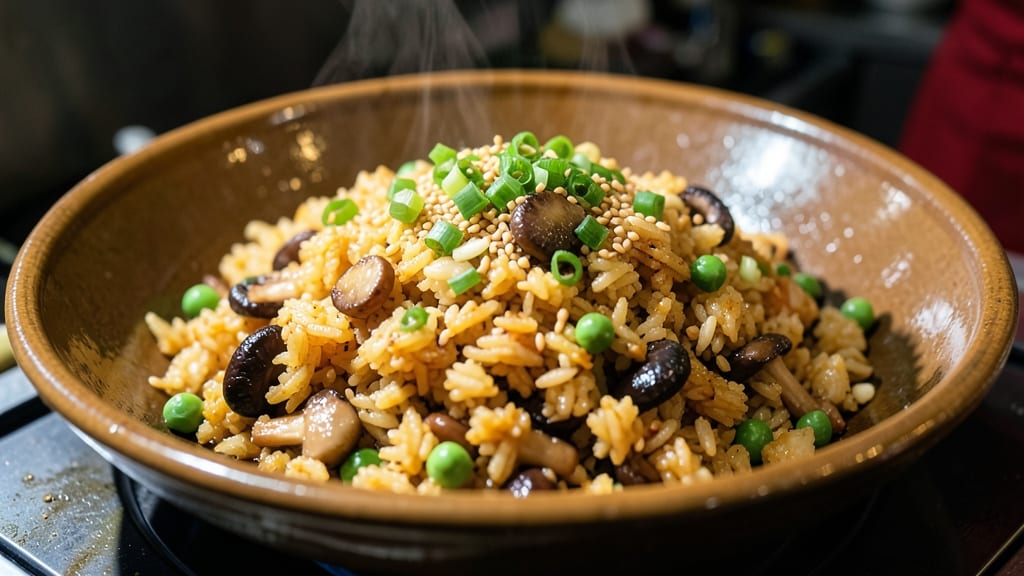
This Chinese fried rice original recipe delivers the authentic wok technique that transforms day-old rice into crispy, flavorful bites with smoky aroma. The secret lies in high-heat stir-frying and proper seasoning—no shortcuts here.
I’ve perfected this method after years of testing, ensuring every grain stays separate and packed with savory depth.
What sets this apart is the classic texture: tender rice with slightly crispy edges, balanced by sweet, salty, and umami flavors from soy sauce, sesame oil, and garlic. The wok hei (breath of the wok) adds that signature smoky finish, making it taste like a street-side stall.
Ready in under 15 minutes, this dish proves authenticity doesn’t require complexity.
Ingredients for chinese fried rice original
Authentic Chinese fried rice starts with cold rice and precise seasoning—no shortcuts for that signature wok hei aroma.
| Ingredient | Amount | Notes |
|---|---|---|
| Day-Old Jasmine Rice 🍚 | 4 cups | Cold, separated grains preferred |
| Large Eggs 🥚 | 3 whole | Beaten, room temperature |
| Green Onions 🧅 | 1 whole | White and green parts separated |
| Garlic Cloves 🧄 | 6 cloves | Minced, fresh preferred |
| Light Soy Sauce 🥫 | ½ cup | Kikkoman preferred for balance |
| Dark Soy Sauce 🥫 | 1 tbsp | For deeper umami color |
| Sesame Oil 🫒 | 1 tbsp | Toasted, not flavored |
| Vegetable Oil 🫒 | ½ cup | High smoke point preferred |
| Salt 🧂 | ½ tsp | Diamond Crystal preferred |
| White Pepper 🌶️ | ¼ tsp | Freshly ground for aroma |
| Dried Shiitake Mushrooms 🍄 | 2 whole | Rehydrated, sliced thin |
| Frozen Peas 🌱 | ½ cup | Thawed, no need to drain |
| Toasted Sesame Seeds 🌾 | 1 tbsp | For garnish, optional |
The rice is non-negotiable: day-old jasmine rice with separated grains creates that classic texture. Kirkland Signature or Lundberg brands work best—avoid long-grain basmati, which lacks stickiness. For the soy sauces, Kikkoman light soy provides the right balance, while Lee Kum Kee dark soy adds that signature color. Garlic should be minced finely—a food processor works best. Shiitake mushrooms? Rehydrate in warm water for 20 minutes—never microwave, or they'll turn rubbery.
No sesame oil? Avocado oil at half the amount works in a pinch, but it lacks that nutty aroma. Frozen peas are ideal—they stay bright and thaw quickly. Skip the thawing step if using fresh peas, but add them last to prevent mushiness. The eggs? Room temperature ensures even cooking, and beating them well prevents clumping. For extra umami, a dash of fish sauce (if vegetarian, use soy sauce) elevates the dish, but it's optional for authenticity.
Store leftover fried rice in an airtight container for up to 3 days, though it reheats best when fresh. The sesame seeds and green onions should be added just before serving to preserve their freshness. For maximum flavor, make a double batch—it reheats even better the next day as the flavors meld. The wok hei aroma dissipates quickly, so serve immediately for that restaurant-quality experience.
Why You'll Love This Recipe
- One-Pan Magic: I swear by this—no chopping boards, no extra pans. Just heat your wok, toss in the day-old rice, and let the eggs and garlic sizzle right into it. That’s it. (Yes, even on a Tuesday night.)
- Umami Bomb: The light soy sauce and garlic cloves? They’re the secret weapons here. The rice soaks up that savory punch while the eggs add a creamy, slightly crispy contrast—like a perfect bite of comfort in every mouthful.
- Leftover Hero: Honestly, this dish begs to be made in bulk. The flavors actually get better the next day (thanks, day-old rice!), and reheating it keeps that satisfying crunch. My freezer’s always stocked with portions for lazy mornings.
- Budget Win: Five ingredients, zero frills, and it still feels like a restaurant dish. You’re not just feeding your family—you’re giving them that crispy, garlicky, green-onion-topped goodness without breaking the bank. (My wallet thanks me weekly.)
Step-by-step instructions for authentic Chinese fried rice
Here's the classic wok technique that delivers restaurant-quality texture and flavor every time.
Rehydrate and Prepare the Shiitake Mushrooms
Place the 2 whole dried shiitake mushrooms in a small bowl and cover with hot water. Let them soak for 10-15 minutes until pliable. Drain well, then slice them thinly against the grain. The mushrooms should absorb water and become tender but not mushy—this is crucial for maintaining texture during cooking.
While they soak, separate the white and green parts of the 1 whole green onion. Finely chop the white parts for cooking and leave the green parts whole for garnish. Minced garlic is ready to use, but keep it separate until needed. Proper prep ensures even distribution of flavors throughout the dish.
Beat the Eggs and Preheat the Wok
In a bowl, beat the 3 whole large eggs until just combined—no need to overmix. The eggs should be smooth but still slightly thick. Set aside at room temperature while you prepare the wok.
Heat a wok or large skillet over high heat until it's smoking hot. Add the 0.5 cup vegetable oil and swirl to coat the bottom evenly. The oil should shimmer but not smoke excessively—this creates the ideal high-heat environment for proper searing and texture development.
Scramble the Eggs and Set Aside
Pour the beaten eggs into the hot wok and let them sit undisturbed for 5-7 seconds until the edges begin to set. Use a spatula to gently push the eggs from one side to the other, creating soft, curdled ribbons. Continue folding until the eggs are 70% cooked—still slightly runny in the center.
Remove the eggs from the wok and set aside on a plate. The residual heat will finish cooking them as you prepare the remaining ingredients. This technique ensures the eggs remain tender rather than rubbery, which is key for authentic texture.
Stir-Fry Aromatics and Vegetables
Return the wok to high heat and add the minced 6 cloves garlic and the white parts of the green onion. Stir-fry for 30 seconds until fragrant—you should smell the garlic's sweet aroma without any burning. Add the sliced shiitake mushrooms and cook for 1 minute until they begin to soften.
Toss in the 0.5 cup thawed frozen peas and stir-fry for 1 minute until heated through. The vegetables should maintain their shape but become tender enough to eat. This quick cooking preserves their texture while building flavor layers.
Combine All Ingredients for Perfect Texture
Add the 4 cups day-old jasmine rice to the wok, breaking up any clumps with your spatula. Stir-fry for 1 minute to coat the rice with the aromatic vegetables. Pour in the 0.5 cup light soy sauce and 1 tablespoon dark soy sauce, stirring constantly to distribute evenly.
Return the scrambled eggs to the wok and mix well. Sprinkle the 0.5 teaspoon salt and 0.25 teaspoon white pepper over the rice, then add the 1 tablespoon toasted sesame oil. Stir-fry for 2-3 minutes until the rice is heated through and the sauce has absorbed. The dish should be moist but not saucy, with each grain distinct and separate.
Finish and Garnish for Authentic Presentation
Taste and adjust seasoning if needed—you may want to add a splash of water or more soy sauce for balance. Transfer the fried rice to a serving platter and garnish with the reserved green onion tops and an additional sprinkle of toasted sesame seeds. The contrast of colors and textures makes this dish visually appealing.
Serve immediately while hot. The rice should be fragrant with a balance of savory, umami, and slightly sweet notes from the dark soy sauce. Each bite should deliver tender rice, flavorful vegetables, and perfectly set eggs in every spoonful.
Pro Tips For Making Chinese Fried Rice Original
- STIR-FRY COLD RICE: Use room-temperature rice—cold rice sticks, but cold rice clumps like glue. Spread leftover rice on a tray, let it sit for 10 minutes before cooking, and break up any lumps with your hands. This isn’t the prettiest method, but it’s the tastiest.
- SCRAMBLE EGGS FAST: Beat eggs with a splash of soy sauce first—just 1 teaspoon—and a pinch of salt. Scramble them in the same wok you’re using for the rice, but remove them before adding the rice. They’ll stay moist and flavorful, not rubbery, and you won’t waste time washing pans.
- GARLIC CRUNCH MATTERS: Slice garlic cloves thin—almost translucent—and add them last. If you smash them or cook them too early, they’ll turn bitter. Toss them in with the green onions just before the rice is done, and let them sizzle for 10 seconds. That’s when they release the best aroma.
- SOY SAUCE LAST: Add light soy sauce in two stages: a little when you first toss the rice, and the rest at the very end. If you dump it all in early, the rice will turn mushy and the sauce will cook off before it can caramelize. Save half for the finish—this guarantees that bright, salty punch.
Wine and beer pairings for these flavors
Light Beer Pairings
For this dish, I recommend a crisp, light lager like Sapporo or Asahi—their clean, slightly sweet profiles complement the fried rice's savory depth without overpowering it. The subtle malt sweetness balances the umami from the soy sauce, while the effervescence cuts through the dish's richness.
Serve chilled at 45°F to preserve the beer's crispness and highlight its refreshing contrast. 🍺
Rice Wine Options
Traditional Chinese pairings often include Shaoxing wine, which adds a nutty, slightly sweet complexity that mirrors the fried rice's depth. Use 1-2 tablespoons in the cooking process (as noted in the recipe) and sip a small glass alongside—its earthy notes enhance the dish's umami.
For a modern twist, try a dry Riesling from Germany, which offers similar acidity and mineral notes. 🍷
Sake for Authenticity
If you want to stay true to Chinese culinary traditions, serve dry junmai sake on the side. Its clean, slightly briny profile cleanses the palate between bites, allowing you to appreciate the fried rice's layered flavors.
Chill the sake to 40°F for optimal enjoyment—this enhances its crispness and prevents it from feeling too heavy. A small cup pairs beautifully with each serving. 🍶
Avoid Heavy Options
Skip stouts, IPAs, or full-bodied reds—they'll clash with the dish's delicate balance. Even a lightly hopped pale ale can overpower the fried rice's subtle sweetness and umami. Instead, focus on beverages that enhance the dish's natural flavors without competing. The goal is harmony, not competition. 💫
Nutrition facts
Frequently asked questions
Why does authentic fried rice use day-old rice?
Day-old rice is essential because its slightly dried, separated grains create that signature crispy texture when stir-fried. Freshly cooked rice is too moist and clumps together, ruining the dish's authentic bite. The starches have also retrograded, making each grain more distinct and flavorful. Never skip this step—it's the secret to restaurant-quality texture!
Can I make this with fresh rice? What's the workaround?
Fresh rice will work in a pinch, but spread it on a tray and refrigerate for 1-2 hours first to dry it out. For best results, spread 1 cup of freshly cooked rice on a wire rack and fan it with a towel while stirring occasionally. This mimics the drying process of day-old rice. Just don't expect the same level of crispiness.
What's the difference between light and dark soy sauce in this recipe?
The light soy sauce provides the primary savory flavor, while the dark soy sauce adds color and depth. Light soy is more salty and aromatic, while dark soy has a richer, slightly sweet taste and that signature dark brown hue. Using both creates visual appeal and balanced flavor—don't substitute with regular soy sauce!
How do I get that smoky wok hei aroma without a wok?
Use a heavy-bottomed skillet or cast-iron pan on the highest heat possible. Add a tiny bit of oil and let it get extremely hot before adding ingredients. For extra aroma, place a metal bowl upside down over the pan for 10 seconds before cooking—this creates steam that mimics wok hei. The key is high heat and quick cooking.
Can I add shrimp or chicken to this recipe?
For shrimp, add 1 cup of peeled, deveined shrimp during Step 4 (after garlic) and cook for 1-2 minutes until just opaque. For chicken, cut 1 cup of diced chicken breast into small pieces and cook until fully done before adding other ingredients. Just adjust cooking times accordingly—protein needs extra attention to avoid overcooking.