
Main Courses
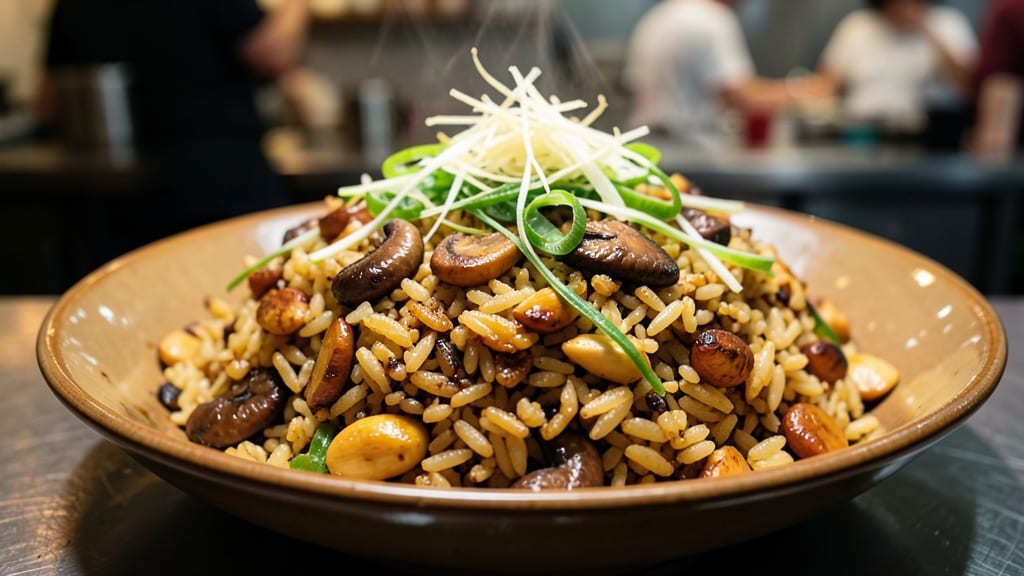
This Chinese garlic fried rice recipe delivers restaurant-quality bites with crispy edges and fragrant aromatics in just 20 minutes. The secret lies in high-heat stir-frying and layered seasoning—garlic, soy sauce, and scallions transform day-old rice into a savory masterpiece.
I've refined this technique over years of wok cooking, ensuring every grain stays separate and packed with flavor.
What sets this version apart is the balance: tender rice, caramelized garlic, and umami-rich soy sauce create harmony in every bite. Whether you use leftover rice or freshly cooked, the wok's heat creates that signature smoky aroma while keeping the texture perfectly crisp-tender.
The recipe scales easily for crowds, making it ideal for weeknight dinners or meal prep.
Ingredients for chinese garlic fried rice
High-heat stir-frying transforms simple ingredients into restaurant-style garlic fried rice with crisp-tender texture and layered aromatics.
| Ingredient | Amount | Notes |
|---|---|---|
| Day-Old Cooked White Rice 🍚 | 4 cups | Cold and separated for texture |
| Garlic Cloves 🧄 | 8 cloves | Minced finely for aromatic base |
| Scallions 🧅 | ½ cup | Thinly sliced, white and green parts |
| Large Eggs 🥚 | 2 whole | Beaten for silky texture |
| Light Soy Sauce 🥢 | ¼ cup | Kikkoman preferred for balance |
| Dark Soy Sauce 🥢 | 1 tbsp | For deeper umami color |
| Sesame Oil 🫒 | 1 tbsp | Toasted, for nutty aroma |
| Vegetable Oil 🫒 | 3 tbsp | High smoke point for wok |
| Salt 🧂 | ½ tsp | Adjust to taste after cooking |
| White Pepper 🌶️ | ¼ tsp | Freshly ground for subtle heat |
| Green Onions 🧅 | ¼ cup | Extra for garnish |
| Dried Shiitake Mushrooms 🍄 | 4 pieces | Rehydrated, sliced thin |
| Peanuts 🥜 | ¼ cup | Toasted, chopped for crunch |
| Fresh Ginger 🧅 | 1 tbsp | Grated finely for brightness |
The quality of your rice and garlic makes all the difference. Day-old rice is essential—fresh rice turns mushy under high heat. Look for long-grain white rice like Calrose or Jasmine for optimal texture. For garlic, Elephant garlic from specialty markets adds a milder, sweeter depth, but regular garlic works perfectly fine. The Kikkoman brand soy sauces are my go-to for that authentic umami balance, though any light and dark soy sauce will do. Scallions should be vibrant green with no wilting—Trader Joe's carries pre-sliced ones in a convenient jar for busy weeknights.
No sesame oil? Toasted peanut oil provides a similar nutty aroma, though it lacks the delicate sesame flavor. Substitute dark soy sauce with 1 tsp molasses plus 1 tbsp soy sauce for color depth. For the mushrooms, dried shiitake is ideal, but fresh shiitake or even cremini mushrooms work in a pinch. The peanuts can be omitted entirely if you prefer a nut-free version, though they add that signature crunch. Fresh ginger is non-negotiable here—powdered lacks the bright zing that cuts through the richness. If you're using frozen peanuts, toast them directly in the wok after cooking to restore their crunch.
Store any leftovers in an airtight container for up to 3 days in the refrigerator. The flavors actually improve overnight as everything melds together. For meal prep, portion into single-serving containers with a sprinkle of sesame seeds on top to maintain freshness. This dish reheats beautifully—just warm through in a skillet with a splash of water to restore that crisp-tender texture. Freeze portions for up to 3 months by spreading the rice on a tray to freeze individually before transferring to bags.
Why You'll Love This Recipe
- I swear by this trick: use day-old rice—no need to buy jasmine or anything fancy. The grains are dry enough to sizzle perfectly, and honestly? The only thing I chop is the scallions, which takes two seconds. That garlic? Just smash a few cloves with the side of your knife and let the wok do the work.
- No-Chop Nightmare: I swear by this trick: use day-old rice—no need to buy jasmine or anything fancy. The grains are dry enough to sizzle perfectly, and honestly? The only thing I chop is the scallions, which takes two seconds. That garlic? Just smash a few cloves with the side of your knife and let the wok do the work.
- Garlic Bomb: Between us, this is where the magic happens. The minced garlic hits the hot pan first, and by the time the eggs slide in, the whole kitchen smells like a dim sum dream. That crispy, toasty edge on the garlic? It’s the secret weapon—no one ever picks it out of their bite.
- Leftover Hero: I make this on Sundays, and it’s still my go-to for lunches all week. Reheats like a champ, and the soy sauce keeps it from getting dry. My roommate’s a college student, so I double the batch—he’ll eat it cold, straight from the fridge, and still beg for more.
Step-by-step instructions for Chinese garlic fried rice
Master this classic wok technique for restaurant-quality fried rice every time.
Prepare the Base Ingredients
Begin by separating the 4 cups day-old cooked white rice with your fingers, ensuring no clumps remain. The rice should be completely dry and cool—this prevents steaming when it hits the hot wok. In a small bowl, combine the 8 cloves minced garlic, 1 tablespoon grated fresh ginger, and 0.5 cup thinly sliced scallions. Set aside the 0.25 cup green onions for garnish later.
Rehydrate the 4 pieces dried shiitake mushrooms by soaking them in warm water for 15 minutes, then drain and slice thinly. Toast the 0.25 cup peanuts in a dry skillet over medium heat for 3-4 minutes until fragrant and lightly browned. Chop them coarsely for texture contrast. These preparations ensure all components are ready when you start cooking.
Create the Flavor Base
Heat a 14-inch wok or large skillet over high heat until smoking. Add 3 tablespoons vegetable oil and swirl to coat evenly. Add the minced garlic and ginger mixture, stirring constantly for 30 seconds until fragrant but not browned—this prevents bitter flavors. Add the sliced shiitake mushrooms and cook for 2 minutes until they release their moisture and begin to brown.
Pour in 0.25 cup light soy sauce and 1 tablespoon dark soy sauce, stirring vigorously to combine. The dark soy sauce will add color and depth while the light soy balances saltiness. Cook for 1 minute until the mushrooms soften and the sauce reduces slightly. This step develops the umami foundation that defines authentic fried rice.
Cook the Eggs and Combine
Push the mushroom mixture to one side of the wok, leaving space in the center. Add another 1 tablespoon vegetable oil to the empty space, then pour in the 2 beaten eggs. Scramble quickly with a spatula, folding the eggs into soft curds that remain slightly moist. When the eggs are 80% cooked, mix them into the mushroom mixture.
Add the 4 cups separated rice to the wok, breaking up any remaining clumps with your spatula. Stir-fry for 2 minutes on high heat, letting the rice absorb the flavors while maintaining its distinct texture. Sprinkle with 0.5 teaspoon salt and 0.25 teaspoon white pepper, tossing well to distribute evenly. The rice should be hot but still slightly undercooked—it will finish cooking in the final step.
Finish with Aromatics and Crunch
Drizzle 1 tablespoon toasted sesame oil over the rice and toss immediately to coat evenly. The oil will infuse the dish with nutty aroma while adding richness. Add the 0.25 cup toasted peanuts and remaining 0.5 cup sliced scallions, folding gently to incorporate without breaking the peanuts. Cook for an additional 1-2 minutes until everything is heated through and the peanuts are crisp.
Taste and adjust seasoning—you may need a splash of light soy sauce or a pinch more salt to balance the flavors. Transfer to serving plates and garnish with the reserved 0.25 cup chopped green onions. Serve immediately while the rice is hot and the aromatics are fresh, ensuring each bite delivers perfect texture and layered flavors.
Pro Tips For Making Chinese Garlic Fried Rice
- STIR-FRY HOT, THEN COOL: I learned this the hard way—start with your wok or pan screaming hot, then drop the rice in and let it sizzle for 30 seconds before tossing. After that, pull the heat down to medium-high; too much heat later and you’ll burn the garlic before the eggs set. The first sear locks in flavor, the second keeps everything balanced.
- SMASH EGGS LIKE A PRO: Crack your eggs into a bowl first, then smash them with a fork until the whites are broken up but still slightly chunky. This gives you that classic "fried rice egg" texture instead of a scrambled mess. Add a pinch of salt here—trust me, the eggs will taste flatter if you wait until the end.
- CHOP GARLIC THIN, NOT MINCED: Slice those cloves paper-thin (almost like shaving them) so they brown quickly but don’t turn bitter. If you mince them, they’ll turn to paste and cling to the rice like glue. Toss them in after the eggs but before the soy sauce—just enough time to perfume the dish without overpowering it.
- USE COLD RICE, NOT WET: Break up your day-old rice with your hands first—no need to rinse it. Cold, dry rice fries up crispier and soaks up flavors better than fresh or damp rice. If it’s stubbornly clumpy, spread it on a tray and microwave for 20 seconds to loosen it up. Wet rice? You’re asking for a gummy disaster.
Dietary considerations for this dish
Gluten-Free Adaptations
Replace the light and dark soy sauces (which contain gluten) with tamari or a gluten-free soy sauce like San-J Tamari. Use 1/3 cup tamari total—1/4 cup light and 1 tbsp dark—to mimic the color and depth.
For extra umami, add 1 tsp coconut aminos or 1/2 tsp gluten-free fish sauce to the flavor base. Always check labels, as some gluten-free soy sauces may have added wheat or barley.
Vegetarian & Vegan Options
Swap the eggs for silken tofu, crumbled into 1/2-inch cubes and pan-fried until golden. Use 1/2 block (7 oz) firm tofu, pressed for 15 minutes to remove excess water.
For a meaty texture, add 1/2 cup rehydrated shiitake mushrooms or 1/2 cup king oyster mushrooms, sliced and sautéed until tender. Skip the peanuts if avoiding nuts, or use toasted pumpkin seeds for crunch.
Low-Sodium Adjustments
Cut sodium by using low-sodium soy sauce (like Kikkoman Low Sodium) and reducing the total amount to 1/4 cup light + 1 tbsp dark. Boost flavor with 1 tsp rice vinegar or 1/2 tsp fish sauce for depth.
Add 1/2 tsp white miso paste (dissolved in 1 tsp water) to the wok with the soy sauces—it enhances umami without extra salt. Fresh herbs like cilantro or Thai basil also brighten the dish naturally.
Protein Variations
Add 1/2 lb shrimp, peeled and deveined, for a seafood twist—sauté them with the garlic until pink (2 minutes) before mixing with the rice. For chicken, use 1/2 lb ground chicken or diced thigh, cooked until no longer pink.
For beef lovers, 1/2 lb ground pork or thinly sliced flank steak adds richness. Always cook proteins separately to avoid overcrowding the wok.
Allergen-Friendly Swaps
For nut allergies, omit peanuts and use crushed wasabi peas or toasted sesame seeds for crunch. If avoiding sesame, replace sesame oil with avocado oil (neutral flavor) or toasted coconut oil.
For egg allergies, use aquafaba (chickpea brine) whipped to stiff peaks as a binder—add 1 tbsp aquafaba to the rice at the end for a silky texture. Always check labels on soy sauces for cross-contamination warnings.
Nutrition facts
Frequently asked questions
Why does my garlic fried rice turn out mushy?
Fresh rice contains too much moisture and steams instead of frying. Always use day-old rice that's completely dry and separated. Spread freshly cooked rice on a tray and refrigerate for at least 4 hours before using. Also ensure your wok is at high heat—low heat creates steam instead of crisp edges.
Can I make this with freshly cooked rice?
You can try, but expect softer texture. For freshly cooked rice, spread it on a tray, pat dry with paper towels, and refrigerate for 2-3 hours to remove excess moisture. The key is eliminating all clumps and ensuring the grains are completely separate before cooking. This method works best with long-grain white rice like Jasmine.
How do I get that smoky wok aroma?
The aroma comes from proper wok hei (breath of the wok). Heat your wok until it's smoking hot before adding oil, then work quickly with high heat. Use a carbon steel or cast iron wok for best results—they retain heat better. Add a splash of sesame oil at the end and toss vigorously to release those signature aromatic compounds.
What's the best way to reheat leftovers?
Spread cold fried rice on a tray and microwave for 1-2 minutes to dry it out, then finish in a skillet with 1 tsp oil over medium-high heat for 2-3 minutes, stirring constantly. Add a splash of water or soy sauce to restore moisture. Never reheat directly in the microwave—it makes the rice gummy.
Can I make this without a wok?
Use a large non-stick skillet or cast iron pan with high sides. The key is maintaining high heat and working in batches if needed. A 12-inch skillet works well for 2-3 servings. Just be patient—it may take slightly longer to develop the same smoky aroma as a wok.