
Main Courses
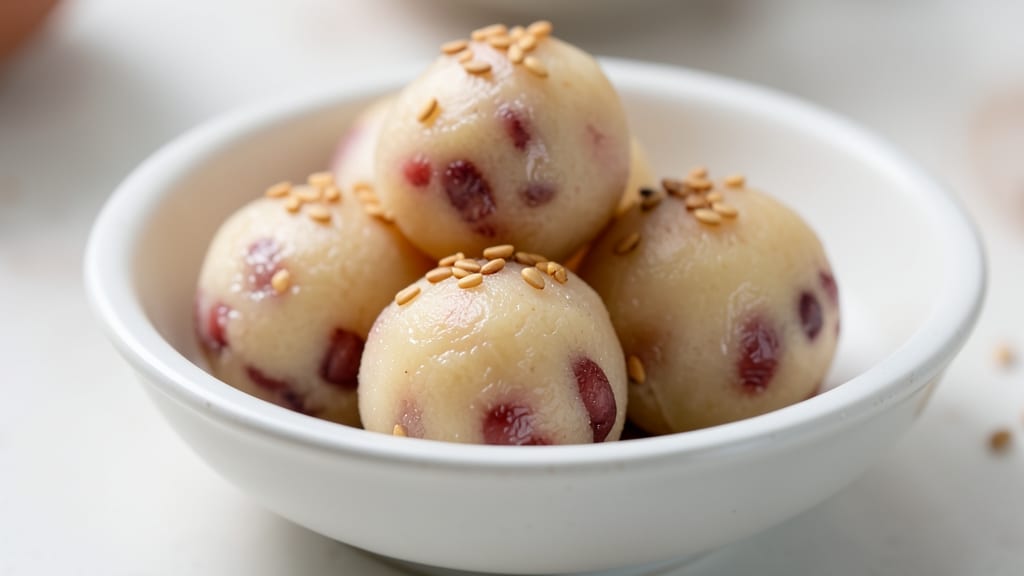
This Chinese mochi rice recipe transforms simple glutinous rice into chewy, golden bites filled with sweet red bean paste—perfect for celebrations or comforting snacks. The secret lies in blending the right ratio of rice flour and water to create a pliable, elastic batter that steams into tender yet resilient dumplings.
Every step, from mixing to shaping, ensures that texture you crave without the guesswork.
Once steamed to perfect translucency, these mochi rice balls develop a delicate chew that balances the creamy sweetness of the red bean filling. The recipe includes foolproof techniques for shaping, whether you prefer classic round balls or modern twists like matcha-infused versions.
Serve warm with a sprinkle of sesame seeds for an authentic touch that elevates any meal.
Ingredients for chinese mochi rice
These precise ingredients create the perfect balance of chewy texture and sweet filling for authentic mochi rice.
| Ingredient | Amount | Notes |
|---|---|---|
| Glutinous Rice Flour (Mochiko) 🌾 | 2 cups | High-quality, fine-milled for elasticity |
| Sweet Red Bean Paste (Anko) 🍡 | 1 ½ cups | Store-bought or homemade, smooth texture |
| Water 💧 | ¾ cup | Room temperature for smooth batter |
| Granulated Sugar 🍚 | ¼ cup | Fine, for subtle sweetness balance |
| Kuzu (Kudzu Starch) 🌿 | 1 tbsp | For chewy texture, optional but recommended |
| Sesame Seeds 🥜 | 1 tbsp | Toasted, for garnish and aroma |
| Vegetable Oil 🫒 | 1 tsp | For dusting steamer basket |
| Matcha Powder (optional) 🍵 | 1 tsp | For green tea-infused variation |
| Kosher Salt 🧂 | ¼ tsp | Fine grain, for subtle seasoning |
| Cornstarch 🌾 | 1 tbsp | For dusting between layers |
| White Sesame Seeds (optional) 🥜 | 1 tsp | For additional garnish |
The glutinous rice flour is non-negotiable—mochiko brand delivers the best elasticity. Look for fine-milled, 100% rice flour at Asian markets or specialty stores like H Mart or 99 Ranch. The red bean paste should be smooth and vibrant; store-bought anko from brands like Koyo or Hana works perfectly, but homemade versions with adzuki beans add depth. For the kuzu starch, Bob's Red Mill carries it in the baking aisle if your local store doesn't stock it—it’s what gives mochi that signature chew.
No kuzu starch? Substitute 1 tbsp tapioca starch for a slightly less authentic but still chewy texture. Running low on sesame seeds? Toasted poppy seeds add a similar crunch. For the matcha variation, use ceremonial-grade matcha (like Ippodo Tea) to avoid bitterness. The cornstarch layer between mochi balls prevents sticking—dust generously between each shape. If your red bean paste is too thick, mix in 1 tsp water to achieve the perfect spreadable consistency.
Store uncooked mochi batter in an airtight container with parchment between layers for up to 3 days. Once steamed, mochi keeps for 2 days in the fridge—reheat in a steamer for 5 minutes to restore chewiness. For longer storage, freeze shaped mochi balls (unsteamed) for up to 1 month. Thaw overnight in the fridge before steaming. The sesame seeds should be toasted fresh for maximum aroma, but pre-toasted seeds from Trader Joe’s work in a pinch.
Why You'll Love This Recipe
- No Fuss, One Bowl: I swear, this recipe lives in my pantry because it’s that simple—just mix mochiko and water, steam, then swirl in anko. No measuring cups, no stress, just a few minutes of stirring and waiting. Honestly, the hardest part is deciding whether to eat it warm or cold.
- Chewy-Sweet Magic: That first bite? The mochi’s pillowy stretch paired with the rich, jammy anko—it’s like dessert and comfort food had a baby. Between us, I’ve made it for breakfast, snacks, and even “fancy” dinner parties (the kuzu gives it that silky finish, no tricks).
- Lunchbox Hero: Between you and me, this is my secret weapon for packed lunches. It holds up for days in the fridge, stays soft, and kids (or adults) won’t trade it for store-bought snacks. I’ll often add a sprinkle of sesame or matcha powder to keep it interesting—zero extra effort.
- Budget Binge-Friendly: A bag of mochiko and anko lasts forever, and you’re not drowning in ingredients. I’ve made this for 10 people using leftovers, and it’s still a steal. Plus, the kuzu starch thickens it just right, so you’re not wasting a single bite—every grain is perfect.
Step-by-step instructions for Chinese mochi rice
Mastering this recipe delivers authentic chewy texture and perfect sweetness balance every time.
Prepare the Batter Mixture
In a large mixing bowl, combine the 2 cups Glutinous Rice Flour (Mochiko) with the 1 tbsp Kuzu (Kudzu Starch) and 0.25 tsp Kosher Salt. Whisk thoroughly to eliminate any lumps. This creates the foundation for that signature chewy texture we're after.
Gradually add the 0.75 cup Water while continuously whisking until you achieve a smooth, thick batter with no visible streaks. The mixture should hold its shape when dropped from a spoon—this consistency ensures proper binding during steaming. If using the 1 tsp Matcha Powder, sprinkle it in now and fold gently to maintain an even distribution throughout the batter.
Incorporate Sweet Red Bean Paste and Sugar
To the batter, add the 1.5 cups Sweet Red Bean Paste (Anko) and 0.25 cup Granulated Sugar. Using a silicone spatula, fold these ingredients together until completely combined. The paste should be evenly distributed, with no visible clumps remaining. This step is where the authentic sweetness develops, so take your time to ensure uniform mixing.
At this stage, the batter will become noticeably thicker. If it appears too stiff to work with, you can add 1-2 teaspoons of water at a time until it reaches a pliable consistency that can be easily shaped. The ideal texture should be like thick dough that holds together when pressed between fingers but remains soft enough to mold.
Shape and Layer the Mochi Rice
Lightly oil a steamer basket with 1 tsp Vegetable Oil and dust it generously with 1 tbsp Cornstarch. This prevents sticking and creates that beautiful crispy exterior we want. Divide the batter into 4 equal portions (about 1 cup each) and shape each into a 3-inch round disc, approximately ½-inch thick. Press gently but firmly to ensure even thickness throughout.
Place one disc in the prepared steamer basket. Dust the top with ½ tbsp Cornstarch, then place another ½ cup Sweet Red Bean Paste (Anko) in the center. Repeat this layering process until you've used all the batter, finishing with a final layer of paste on top. The layers should be perfectly aligned to create uniform steaming and even texture throughout.
Steam to Perfect Texture
Place the steamer basket over a pot of boiling water, ensuring the water doesn't touch the bottom layer. Cover with a clean kitchen towel and then the lid to create a steam lock. Steam over medium-high heat for 25-30 minutes until the top layer develops a light golden crust and the sides pull away slightly from the steamer.
To check for doneness, gently press the center of the top layer with a finger. When done, it should spring back slightly but still feel soft and yielding. The internal temperature should reach 190-195°F when measured with an instant-read thermometer. If the top browns too quickly, loosely cover it with aluminum foil to prevent over-browning while maintaining moisture.
Finish and Garnish
Remove the mochi rice from the steamer and let it cool on a wire rack for 10 minutes. This resting period allows the layers to set properly and prevents any potential sticking. Once cooled, slice each round into 8 equal wedges using a sharp knife dipped in hot water between each cut. This ensures clean slices without tearing.
Garnish each wedge with 1 tsp Sesame Seeds and, if using, 1 tsp White Sesame Seeds for added visual appeal and nutty aroma. Serve warm for the best texture contrast—soft, chewy interior with a slightly crisp exterior. The combination of sweet red bean filling and delicate mochi layers creates a harmonious balance that's both comforting and sophisticated.
Pro Tips For Making Chinese Mochi Rice
- Sift the Flour: Don’t just dump mochiko into the bowl—sift it first through a fine-mesh sieve. This breaks up clumps and ensures the batter mixes smoothly, so your mochi rice doesn’t turn out gummy or uneven. (Yes, it’s extra work, but your future self will notice the difference.)
- Boil the Water Hard: Bring your water to a full, rolling boil before adding the mochiko mixture. I learned this the hard way—adding it to simmering water makes the texture weak and pasty. A proper boil gives you that signature chewy, bouncy texture.
- Chill the Anko First: Take your sweet red bean paste out of the fridge 10 minutes before using. Cold anko thickens the batter unpredictably, leading to uneven filling pockets. Let it sit at room temperature for consistent, clean swirls every time.
- Use a Slotted Spoon: When shaping the mochi rice into balls, wet your hands and use a slotted spoon to gently lift them from the boiling water. This prevents sticking and lets excess water drain, so your mochi rice holds its shape instead of flattening into sad pancakes. (Trust me, it’s worth the extra 30 seconds.)
Serving suggestions for this recipe
Classic Tea Pairings
Elevate your mochi rice experience with traditional Chinese teas that complement its sweetness. A cup of jasmine green tea—lightly floral and fragrant—cuts through the richness of the red bean filling beautifully.
I reach for Longjing (Dragon Well) tea for its nutty, toasty notes that harmonize with the chewy texture. Brew at 175°F for 2-3 minutes to preserve delicate flavors. 🍵
Modern Beverage Twists
For a contemporary touch, try matcha lattes if you used matcha-infused mochi. The earthy umami of matcha pairs perfectly with the sweetness. I also love black sesame milk (blend 1 cup black sesame seeds with 2 cups water and ¼ cup sugar)—its nutty depth mirrors the filling's flavor.
Chill both drinks to 40°F before serving for a refreshing contrast.
Warm Spiced Milk
Warm sweet soy milk spiked with ½ tsp cinnamon and 1 tsp vanilla extract creates a cozy pairing. Heat the milk to 150°F (never boil) to preserve its creamy texture.
This combination feels especially comforting during colder months. For extra indulgence, top with a sprinkle of toasted sesame seeds to echo the mochi's garnish. 🥛
Fruit Accompaniments
Add a bright contrast with fresh fruit. I recommend sliced mango or lychee—their tropical sweetness balances the mochi's richness. Arrange fruit on a platter with mochi wedges for an elegant presentation.
For a citrusy twist, serve with mandarin orange segments and a drizzle of honey (about 1 tsp per serving). The acidity brightens the dish's overall sweetness.
Seasonal Variations
In summer, serve mochi rice chilled with coconut water for a refreshing sip. For winter, pair with hot ginger tea (steep 2 thin ginger slices in 2 cups boiling water for 5 minutes) to add warmth.
The tea's spicy kick enhances the mochi's chewiness while keeping the meal balanced. Adjust sweetness levels based on your drink pairings—lighter teas may need extra honey. ❄️
Nutrition facts
Frequently asked questions
Why does my mochi rice batter feel too sticky or dry?
The ideal batter should be pliable but not sticky—think of thick cookie dough that holds its shape. If too sticky, add 1 tbsp cornstarch at a time; if too dry, incorporate 1 tsp water gradually. The kuzu starch is key for elasticity, so ensure you're using 1 tbsp as specified. For extra help, let the batter rest for 10 minutes before shaping.
Can I make mochi rice without a steamer?
Use a bamboo basket lined with parchment paper over a pot of boiling water, or even a microwave-safe dish covered with damp paper towels. For stovetop methods, bring 1 inch of water to a boil and place your mochi on a heatproof plate above the steam. Steam for 20-25 minutes instead of 25-30 minutes to avoid overcooking.
What's the best way to store leftover mochi rice?
For short-term storage, keep cooked mochi in an airtight container at room temperature for 1 day. Refrigerate for up to 3 days, but steam for 5 minutes before serving to restore texture. For longer storage, freeze shaped (unsteamed) mochi balls for 1 month. Thaw overnight in the fridge before steaming. Never refreeze after thawing.
Can I make savory mochi rice instead of sweet?
Yes! Swap the red bean paste for 1.5 cups finely chopped pork or shrimp, and reduce sugar to 0.125 cup. Add 1 tsp soy sauce and 0.5 tsp ginger powder to the batter. Garnish with green onions instead of sesame seeds. Steam time remains the same, but serve immediately for best texture. This works especially well with umami-rich fillings like braised pork belly.
How do I fix mochi rice that's too hard or gummy?
Oversteamed mochi becomes hard, while understeamed mochi stays gummy. For hard mochi, steam again with 2 tbsp water in the bottom of the pot for 5 minutes to restore moisture. For gummy mochi, lightly toast in a dry pan for 1-2 minutes until the exterior crisps. The ideal doneness is when the center feels soft but yields slightly when pressed. Adjust future steaming times by 2-3 minutes increments.