
Main Courses
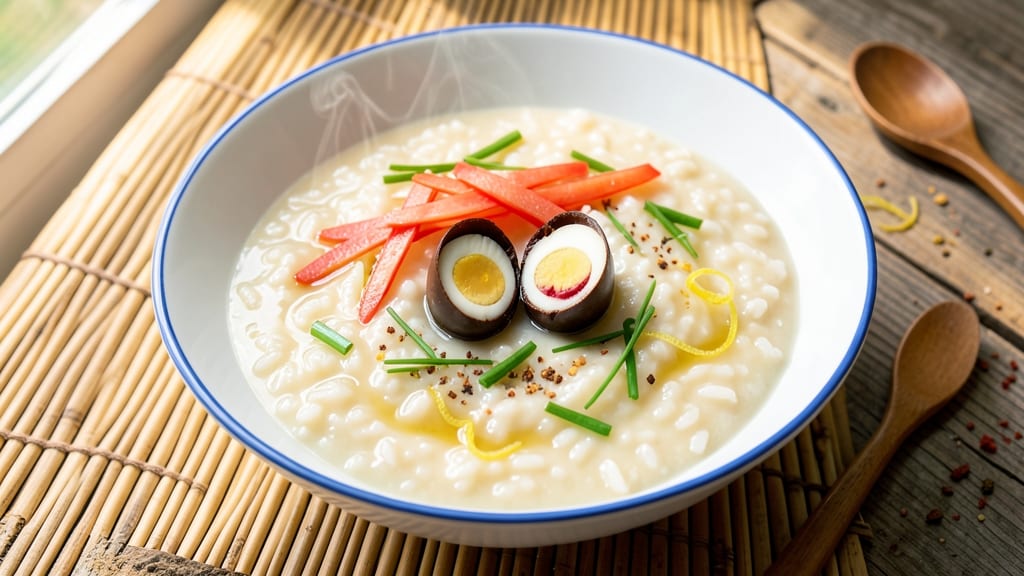
This Chinese rice cooker porridge recipe transforms simple ingredients into velvety congee with minimal effort—no pot required. The rice cooker’s gentle heat creates that signature silky texture while preserving the dish’s comforting essence.
I’ve perfected this method after countless batches, ensuring every spoonful is tender and flavorful without the fuss of traditional stovetop cooking.
The beauty of rice cooker congee lies in its versatility. Start with just jasmine rice and broth, then customize with toppings like century egg, pickled ginger, or scallions for depth.
The rice cooker handles the long cooking time effortlessly, breaking down the rice into a creamy, almost custard-like consistency. It’s the perfect balance of tradition and convenience for busy weeknights.
What you’ll end up with is a silky, aromatic porridge that’s both nourishing and satisfying—ideal for breakfast, recovery meals, or late-night cravings. The rice cooker’s even heat ensures no graininess, while the slow cooking process infuses every bite with rich, comforting flavors.
This is congee the way it should be: simple, adaptable, and foolproof.
Serve it hot with your favorite toppings for a meal that feels like a warm embrace. The rice cooker does all the heavy lifting, so you can focus on the toppings that make it uniquely yours. Let’s get started—your first bowl is just minutes away.
Ingredients for chinese porridge recipe rice cooker
Jasmine rice and simple broth form the heart of this silky porridge—everything else is customizable.
| Ingredient | Amount | Notes |
|---|---|---|
| Jasmine Rice 🍚 | 1 cup | Uncooked, long-grain preferred |
| Chicken Broth 🍲 | 4 cups | Homemade or quality store-bought |
| Water 💧 | 2 cups | Room temperature preferred |
| Century Eggs 🥚 | 2 whole | Sliced thinly for topping |
| Pickled Ginger 🧅 | ¼ cup | Sliced thinly for garnish |
| Scallions 🌿 | 4 whole | Thinly sliced for garnish |
| Soy Sauce 🍶 | 1 tbsp | Light or dark variety |
| Sesame Oil 🫒 | 1 tsp | Toasted for aroma |
| Salt 🧂 | ½ tsp | Adjust to taste |
| White Pepper 🌶️ | ¼ tsp | Freshly ground preferred |
| Toasted Sesame Seeds 🌰 | 1 tbsp | For garnish |
Jasmine rice is non-negotiable here—its delicate aroma and slight stickiness create that signature congee texture. Look for premium brands like Mahan or Calrose in the Asian aisle, not the generic basmati. The broth should be rich but not overly salty—homemade or high-quality store-bought makes all the difference. I always use Kitchen Basics or Pacific Foods chicken broth for that restaurant-quality depth. For the century eggs, Asian markets carry them fresh, but if you can't find them, pickled duck eggs work as a substitute. The key is slicing them paper-thin so they melt into the porridge rather than sit as chunks.
No century eggs? Pickled plums or preserved mustard greens add tangy contrast. Skip the scallions? Thinly sliced radish or crispy fried shallots bring texture. The sesame oil is where the magic happens—Kadoya or La Choy toasted varieties add nutty depth. For a vegetarian version, swap chicken broth for mushroom or kombu broth. The white pepper is subtle but essential—it brightens the dish without overpowering. If you're short on time, pre-sliced pickled ginger from the Asian aisle saves minutes. And always toast your sesame seeds—30 seconds in a dry pan makes them smell amazing.
This porridge tastes even better the next day—reheat gently in the rice cooker with a splash of water. Store leftovers in airtight containers for 3-4 days in the fridge, or freeze portions for up to 3 months. I like to portion mine into single-serving containers so I can grab a bowl straight from the fridge for a quick breakfast. The rice cooker does all the work, but the toppings make it special—keep them fresh in the fridge and add them just before serving for maximum crunch and flavor.
Why You'll Love This Recipe
- Here’s what sold me: those dark, marbled century eggs cut into the porridge like little bursts of umami. The yolk? Rich and custardy—every spoonful feels like a reward.
- Rice Cooker Magic: I swear by this trick—just toss jasmine rice, broth, and water in my rice cooker, walk away, and come back to creamy perfection. No stirring, no stress, no burnt rice.
- Century Egg Magic: Here’s what sold me: those dark, marbled century eggs cut into the porridge like little bursts of umami. The yolk? Rich and custardy—every spoonful feels like a reward.
- Weeknight Flexibility: Between us, this porridge is my go-to for lazy nights or when I’m feeding a crowd. Double the batch, reheat with extra broth, and suddenly you’ve got breakfast, lunch, or dinner covered.
Step-by-step instructions for Chinese rice cooker porridge
Transform simple ingredients into velvety congee with this foolproof rice cooker method.
Prepare the Base Ingredients
Rinse the 1 cup jasmine rice under cold water until the water runs clear. This removes excess starch that can make your porridge gummy. Drain well and add it to your rice cooker pot along with the 4 cups chicken broth and 2 cups water. Stir gently to combine - you want the rice fully submerged but not overcrowded.
Here's the thing - the rice-to-liquid ratio is crucial. Too much rice makes it thick; too little makes it watery. I like to press the rice down lightly with a spoon after adding to ensure even cooking. Sprinkle the 0.5 teaspoon salt and 0.25 teaspoon white pepper over the top and give it one final stir. The pepper adds subtle warmth without overpowering the delicate broth flavor.
Cook on High Until Fully Broken Down
Set your rice cooker to the "porridge" setting if available, or use the "white rice" setting if that's all you have. Cook for 30 minutes, then press the "keep warm" button without opening the lid. This gentle heat is what transforms the rice into silky perfection. Don't be tempted to peek - every time you open it, you release steam and potentially disrupt the cooking process.
After 30 minutes, check the texture. You're looking for a consistency where the porridge coats the back of a spoon smoothly but still has body. If it's too thick, add 2 tablespoons of hot water and stir gently. If it's too thin, let it cook another 5 minutes on keep warm. The ideal texture should be like warm pudding - thick enough to coat a spoon but still easy to sip.
Finish with Aromatics and Flavor
Once your porridge reaches that perfect velvety consistency, remove it from the rice cooker and transfer to a serving bowl. Let it cool slightly for 2-3 minutes - this prevents the century eggs from curdling when added. Drizzle in the 1 teaspoon sesame oil and 1 tablespoon soy sauce, stirring gently to distribute evenly. The sesame oil adds nutty aroma while the soy sauce deepens the umami flavor.
Here's where it gets fun - the toppings. Thinly slice the 2 century eggs and 4 scallions, then arrange them artistically on top. The century eggs add rich, creamy texture while the scallions provide fresh crunch. Sprinkle with the 0.25 cup pickled ginger and 1 tablespoon toasted sesame seeds just before serving - this preserves their freshness and enhances their flavors.
Serve Immediately for Maximum Freshness
Congee tastes best when served immediately while still warm. The toppings should be arranged neatly on top, with the century eggs and pickled ginger creating visual contrast against the pale porridge. Each spoonful should deliver a perfect balance of textures - the silky porridge, the creamy century egg, the crunchy scallions, and the bright pickled ginger.
I like to serve this with a side of steamed greens or a simple cucumber salad to cut through the richness. The beauty of this recipe is its versatility - you can customize the toppings based on what you have on hand. Just remember, the key to great congee lies in the slow cooking process and the freshness of your toppings.
Pro Tips For Making Chinese Porridge Recipe Rice Cooker
- SOAK RICE 30 MINUTES: I learned this the hard way—skipping the soak means your porridge turns out gummy instead of creamy. Use 1 part rice to 3 parts water (so about 1 cup rice to 3 cups liquid total) and let it sit covered while you prep the broth. The starch releases better when it’s hydrated first, and your rice cooker will handle the rest without burning.
- USE COLD BROTH: Hot broth jumps to a boil in the rice cooker and risks scorching the bottom. Measure your chicken broth cold, then pour it in last—right after the water and soaked rice. The rice cooker’s heat will warm it evenly without sudden spikes. (Yes, even if you’re impatient like me.)
- SLICE CENTURY EGGS THIN: Thick slices of century egg stay rubbery and overpower the dish. Cut them paper-thin—almost like shaving them—and add them in the last 5 minutes of cooking. They’ll warm through perfectly without falling apart, letting the yolk’s rich flavor shine instead of dominating.
- SAVE TIME WITH PICKLED GINGER: Instead of pickling ginger fresh, grab a jar of the real thing from an Asian market—it’s already prepped and adds that sharp, tangy kick without extra effort. If you’re short on time, even a splash of the brine (about 1 tablespoon) tossed in at the end mimics the flavor. (Your future self will thank you.)
Serving suggestions for this recipe
Classic Toppings
Start with the traditional trio: thinly sliced century eggs add a creamy, slightly salty depth, while pickled ginger brings bright, tangy contrast. Scallions provide fresh crunch and a mild onion flavor that brightens each bite.
I like to arrange them artistically on top—century eggs in the center, pickled ginger in a ring, and scallions scattered around the edges for visual appeal. 🥚
Protein Additions
For extra substance, stir-fry thinly sliced pork belly or chicken breast in 1 tsp sesame oil until just cooked, then place on top. The fat from the pork belly infuses the porridge with rich flavor, while chicken adds lean protein.
If you prefer seafood, shrimp or crab meat poached in the broth during the final 5 minutes of cooking works beautifully. 🍤
Vegetable Enhancements
Add steamed bok choy or shredded napa cabbage for a fresh, crunchy element. For a smoky touch, top with crispy fried shallots or toasted mushrooms.
I also love adding thinly sliced radishes for a peppery bite. These toppings not only enhance flavor but also create a satisfying texture contrast. 🥬
Sweet & Savory Balance
Drizzle with honey or hoisin sauce for a touch of sweetness that complements the savory porridge. A sprinkle of toasted sesame seeds adds nutty depth, while a dash of chili oil brings heat. For a luxurious finish, top with crumbled fried shallots or crispy wonton strips for extra crunch. 🍯
Breakfast Upgrade
Transform your porridge into a hearty breakfast by adding a soft-boiled egg on top or mixing in scrambled egg for extra protein. A side of steamed dumplings or congee pancakes makes it a complete meal. The rice cooker’s gentle heat keeps everything warm while you prepare the toppings. 🍳
Late-Night Comfort
For a cozy late-night treat, stir in a spoonful of peanut butter or top with crushed peanuts for a sweet-savory twist. A drizzle of condensed milk or caramelized onions adds richness. The warmth of the porridge pairs perfectly with these indulgent toppings for a satisfying end to the day. 🌙
Nutrition facts
Frequently asked questions
Can I use any rice for this rice cooker porridge?
Jasmine rice is ideal for its delicate aroma and slight stickiness, but you can substitute with short-grain white rice or even sushi rice for a similar texture. Avoid long-grain basmati—it won’t break down properly and may stay grainy. For extra richness, try black rice or red rice, but adjust cooking times as they’re denser.
How do I adjust the texture if it turns out too thick or too thin?
If your porridge is too thick, stir in 2 tablespoons of hot water or broth and let it sit for 5 minutes on keep warm. For a thinner consistency, add 1 tablespoon at a time until it reaches a smooth, spoonable texture. The rice cooker’s keep warm function is your best friend—it lets you make small adjustments without overcooking.
What if I don’t have century eggs? What are good substitutes?
No problem! Try pickled duck eggs, preserved plums, or even thinly sliced ham for a salty-savory kick. For a vegetarian option, use marinated tofu or shredded cheese (like mozzarella) for creaminess. The key is adding something with contrasting texture and flavor to balance the porridge’s mild taste.
Can I make this porridge ahead of time?
Store cooked porridge in an airtight container in the fridge for 3-4 days or freeze it for up to 3 months. Reheat gently in the rice cooker with 1-2 tablespoons of water until warm. The flavor actually improves overnight as the ingredients meld together. Just add fresh toppings before serving for maximum crunch.
Why does my rice cooker porridge taste bland?
Blandness usually comes from weak broth or insufficient seasoning. Boost flavor by using homemade chicken broth or adding 1 extra tablespoon of soy sauce during cooking. A pinch of white pepper or a splash of fish sauce (if you’re not vegetarian) can also elevate the taste. Don’t forget the sesame oil finishing touch—it adds nutty depth that transforms the dish.