
Main Courses
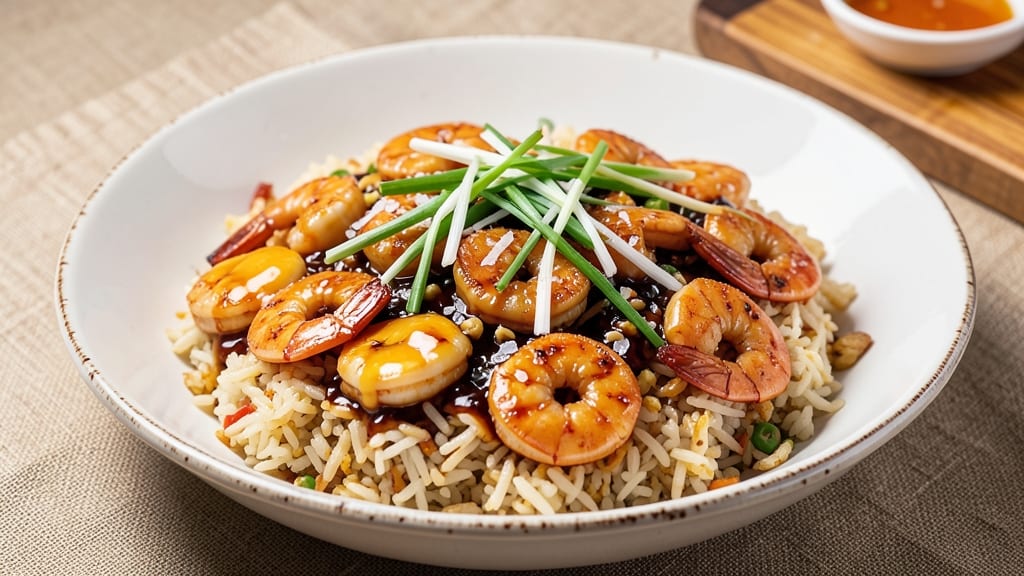
This Chinese restaurant shrimp fried rice delivers the perfect balance of scallion-packed crunch, tender shrimp, and golden egg ribbons—just like your favorite takeout.
The secret lies in high-heat stir-frying and authentic seasonings like soy sauce, sesame oil, and white pepper, all combined in a wok for that signature smoky aroma and crisp texture.
Start with day-old rice (cold rice fries better), then stir-fry shrimp until just pink before tossing everything together in a hot wok. The sauce—a simple blend of soy sauce, Shaoxing wine, and sesame oil—adds depth, while scallions and a fried egg on top bring that restaurant-quality finish.
Ready in 20 minutes, this dish is foolproof for weeknights or weekend gatherings.
Ingredients for chinese restaurant shrimp fried rice
Four cups of cold rice, shrimp that sizzles, and eggs fried just right—here's the ingredient lineup for restaurant-style fried rice.
| Ingredient | Amount | Notes |
|---|---|---|
| Day-Old Cooked White Rice 🍚 | 4 cups | Cold, spread on tray to dry slightly |
| Large Shrimp (Peeled & Deveined) 🦐 | 1 ½ lb | Tail-on for presentation, size 31-50 |
| Large Eggs 🥚 | 4 whole | Fresh, room temperature for fried ribbons |
| Scallions (Green Onions) 🧅 | ¾ cup | Thinly sliced, white and green parts separated |
| Light Soy Sauce 🥢 | ⅓ cup | Kikkoman preferred for authentic flavor |
| Dark Soy Sauce 🥢 | 1 tbsp | For color depth, optional but recommended |
| Shaoxing Wine 🍷 | 1 ½ tbsp | Substitute dry sherry if unavailable |
| Sesame Oil (Toasted) 🫒 | 1 ½ tbsp | Use sparingly for aroma, add at the end |
| White Pepper 🌶️ | ½ tsp | Freshly ground for authentic restaurant taste |
| Neutral Oil (Vegetable or Peanut) 🫒 | 2 tbsp | High smoke point for wok hei |
| Garlic Cloves 🧄 | 4 cloves | Minced finely for aromatic base |
| Salt 🧂 | ½ tsp | Adjust to taste, soy sauces are salty |
| Sesame Seeds 🌰 | 1 tsp | Toasted for garnish and crunch |
The shrimp makes or breaks this dish. Look for size 31-50 for that perfect balance of tenderness and texture—Costco or Whole Foods usually carry them pre-peeled and deveined, which saves time. If you can't find Shaoxing wine, dry sherry works in a pinch, though it won't be quite the same. The rice? Day-old white rice is non-negotiable—fresh rice turns mushy. Spread it on a tray after cooking to dry out slightly before stir-frying. Scallions are your secret weapon for that bright, fresh crunch—Asian markets often have thicker, more flavorful varieties than regular grocery stores.
No sesame oil? Toasted peanut oil at half the amount mimics the nutty aroma, though it won't be identical. Short on dark soy sauce? Add a pinch of sugar to light soy sauce for color depth. The garlic should be freshly minced—pre-minced garlic loses its punch fast. For the eggs, room temperature is key—they'll fry into those perfect ribbons. If you're using frozen shrimp, thaw them first and pat completely dry to ensure they sear properly. The white pepper is what gives this dish that authentic restaurant kick—don't skip it if you can find it.
This dish reheats beautifully—microwave with a splash of water to revive the texture. Store leftovers for 3-4 days in the fridge, though it's best enjoyed fresh. The shrimp will turn pink again when reheated, but the rice stays slightly crispy. For meal prep, keep the egg and scallions separate until ready to serve—frying them fresh keeps everything vibrant. The sesame seeds and scallions should always go on top at the last minute for maximum crunch and aroma. Freezes for 2 months, though texture may soften slightly.
Why You'll Love This Recipe
- One-Pan Magic: I swear by this—just a hot wok or skillet, no extra dishes. Toss in the cold rice, shrimp, and eggs, and let the soy sauce work its savory magic while you chop a handful of scallions. Honestly, the cleanup is so minimal I’ll often leave the pan in the sink until morning.
- Umami Bomb: That first bite? The shrimp’s sweetness meets the salty punch of light soy sauce, while the eggs add a silky richness. Between us, the secret’s in the wok hei—high heat and quick cooking—so you get that smoky, restaurant-quality flavor without the takeout price tag.
- Lunchbox Hero: Pack it cold or reheat it fast—this dish travels like a dream. My kids grab it for school lunches (they love picking out the shrimp), and I’ll eat it straight from the fridge at my desk. Day-old rice? Perfect. Undercooked shrimp? Never.
- Budget Win: Shrimp fried rice is my go-to when I need a filling meal without breaking the bank. A pound of shrimp, a few eggs, and a bag of rice stretch for four servings, and leftovers reheat better than takeout. (Yes, even on a Tuesday night.)
Step-by-step instructions for scallion-packed shrimp fried rice
Here's how to recreate that perfect wok hei experience at home—crispy shrimp, golden egg ribbons, and aromatic scallions in every bite.
Prepare the Shrimp and Aromatics
Pat the 1.5 lb large shrimp (peeled & deveined) completely dry with paper towels—this ensures they sear properly instead of steaming. Season generously with 0.5 tsp salt and 0.5 tsp white pepper, then set aside. For the aromatics, finely mince the 4 cloves garlic and thinly slice the 0.75 cup scallions, separating the white and green parts. The white parts will cook down while the greens stay bright for garnish.
Real talk: don't skip the drying step. Wet shrimp will release moisture into the wok, making your rice soggy instead of crisp. I like to season shrimp just before cooking so they stay tender and don't absorb too much salt.
Create the Egg Ribbons
Heat a wok or large skillet over high heat until smoking, then add 2 tbsp neutral oil. Once the oil shimmers, crack the 4 whole large eggs into the wok and let them sit undisturbed for 5-7 seconds—this creates that signature fried rice ribbon texture. Immediately scramble with a spatula until just set but still slightly runny in the center. Remove and set aside, then wipe out the wok with paper towels to keep flavors pure.
The key here is high heat and quick cooking. If you move too soon, you'll get scrambled eggs instead of delicate ribbons. The eggs should still have a slight gloss when you remove them—they'll finish cooking when tossed with the rice.
Sear the Shrimp and Aromatics
Return the wok to high heat and add 1 tbsp neutral oil. Working in batches if needed, add the shrimp and cook for 1-2 minutes per side until they turn opaque and slightly curled—this indicates they're cooked through but still tender. Remove shrimp and set aside. In the same wok, add the white parts of the scallions and minced garlic, cooking for 30 seconds until fragrant but not browned.
Don't overcrowd the wok when cooking shrimp—this lowers the temperature and steams them instead of searing. I like to leave the tails on for presentation, but if you prefer, you can remove them before cooking. The shrimp should be just done when you remove them; they'll finish cooking when tossed with the rice.
Stir-Fry the Rice
Add the 4 cups day-old cooked white rice to the wok in a single layer. Using a spatula, break up any clumps and spread the rice evenly. Let it sit for 30 seconds to develop some color, then add 0.33 cup light soy sauce, 1 tbsp dark soy sauce, and 1.5 tbsp shaoxing wine. Stir-fry vigorously for 2-3 minutes until the rice is heated through and the sauce is absorbed.
Here's where the magic happens: the day-old rice should be dry enough to develop that perfect wok hei texture. If your rice is too moist, spread it on a tray and let it dry slightly at room temperature before cooking. The dark soy sauce gives that authentic restaurant color, while the shaoxing wine adds depth without overpowering.
Combine and Finish
Return the shrimp and egg ribbons to the wok, tossing everything together for 1-2 minutes until evenly coated. Drizzle with 1.5 tbsp toasted sesame oil and toss once more. Garnish with the green scallion parts and 1 tsp toasted sesame seeds. Serve immediately while still hot and sizzling.
This dish is all about timing—the rice should be piping hot, the shrimp still warm, and the egg ribbons just set. If you notice the rice is drying out too quickly, add a splash of water and cover the wok for 30 seconds to steam it lightly. The sesame oil at the end adds that final aromatic punch that makes this taste like a real Chinese restaurant dish.
Pro Tips For Making Chinese Restaurant Shrimp Fried Rice
- STIR-FRY SHRIMP FAST: High heat for 30 seconds max—shrimp turns rubbery if you linger, and you’ll lose that tender snap. Toss them in, then pull them out before they’re fully opaque; they’ll finish cooking in the rice.
- USE COLD RICE: Break up day-old rice with your hands—it’s drier and won’t turn to mush. Skip the microwave; cold rice absorbs flavors better and stays separate, just like in the restaurant version.
- SALT THE SOY SAUCE: Light soy sauce alone is bland—mix 1 tablespoon with ½ teaspoon salt for depth. I learned this the hard way; my first batch tasted flat until I realized the sauce needed a boost.
- SCRAMBLE EGGS SEPARATELY: Push the egg scramble to the side of the wok and let it cook low and slow—it’ll stay creamy, not dry. If you mix it in with everything, you’ll end up with a sad, rubbery mess.
Wine and beer pairings for these flavors
Crisp White Wine
Shrimp fried rice pairs beautifully with a dry Riesling or Pinot Grigio from Italy—both wines cut through the dish's richness while complementing the shrimp's delicate sweetness. Look for a German Riesling with subtle citrus notes or an Alto Adige Pinot Grigio for that perfect balance.
The wine's acidity refreshes your palate between bites of savory rice and umami shrimp. 🍷
Light Beer Options
A crisp lager like Asahi Super Dry or Sapporo works wonders with shrimp fried rice. The clean, slightly sweet profile enhances the dish's natural flavors without overpowering them.
For a local twist, try a wheat beer like Blue Moon—its citrusy notes mirror the scallions and sesame oil. Serve slightly chilled for the best experience.
Sake for Authenticity
For an authentic touch, serve dry sake like Dassai or Kubota alongside your fried rice. The nutty, slightly sweet profile complements the shrimp and soy sauce beautifully. Chill it slightly before serving to enhance its crispness.
If sake isn't available, a dry martini with a splash of soy sauce on the rim offers a sophisticated alternative.
Non-Alcoholic Pairings
For a refreshing non-alcoholic option, try sparkling yuzu soda—its citrusy notes brighten the dish. Alternatively, a cucumber-mint infused water with a pinch of salt enhances the shrimp's natural sweetness. Both options keep the meal light and refreshing, especially on hot days. 💧
Sweet Tea Contrast
Southern-style unsweetened iced tea with a lemon wedge adds a tangy contrast to the fried rice's savory flavors. The tea's acidity cleanses your palate between bites, making each mouthful more vibrant.
For a sweeter twist, add a drizzle of honey to the tea—just enough to complement the dish without overpowering it.
Nutrition facts
Frequently asked questions
Why does restaurant shrimp fried rice use day-old rice?
Day-old rice is essential because it's dry enough to develop that signature crisp texture when stir-fried. Fresh rice contains too much moisture and turns mushy instead of achieving that perfect wok hei crunch. Spread cooked rice on a tray to dry out slightly before using for even better results.
Can I substitute frozen shrimp for fresh?
Yes, but thaw them completely first and pat thoroughly dry with paper towels. The key is removing all moisture so they sear properly instead of steaming in the wok. Look for size 31-50 shrimp for the best texture—smaller shrimp can turn rubbery when overcooked.
What's the secret to getting those perfect egg ribbons?
Use room-temperature eggs and cook them over high heat in a well-heated wok. Crack the eggs in and let them sit undisturbed for 5-7 seconds before gently stirring—this creates the signature ribbons. The eggs should still be slightly glossy when you remove them, as they'll finish cooking when tossed with the rice.
How do I prevent my fried rice from getting soggy?
Use properly dried day-old rice and avoid overcrowding the wok. Cook in batches if needed, and keep the heat high throughout the stir-frying process. If your rice starts drying out too quickly, add a splash of water and cover the wok for 30 seconds to steam it lightly—this restores moisture without making it mushy.
What's the difference between light and dark soy sauce?
Light soy sauce provides the primary flavor and saltiness, while dark soy sauce adds rich color and depth. Use 0.33 cup light soy sauce for taste and 1 tbsp dark soy sauce for that authentic restaurant color. If you're out of dark soy sauce, add a pinch of sugar to light soy sauce for similar color depth.