
Soups & Stews
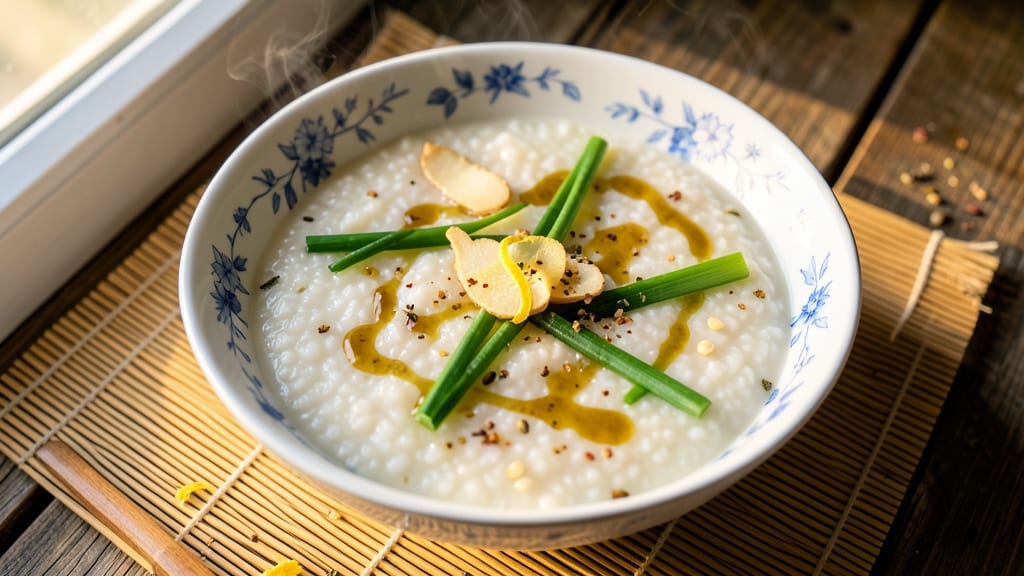
This Chinese rice soup congee recipe delivers the ultimate comfort in every silky spoonful—creamy, aromatic, and deeply satisfying with just the right balance of ginger-spiced warmth.
The secret lies in soaking the rice overnight, which transforms it into a velvety porridge that absorbs the broth's savory depth while staying perfectly tender.
What makes this version special is the layered flavor profile: bright ginger, fragrant scallions, and a subtle umami richness from the broth, all coming together in a dish that's both nourishing and deeply comforting.
Once you master this technique, you'll understand why congee is a staple across China—it's the perfect blank canvas for customization, whether you keep it simple with just ginger and scallions or elevate it with proteins like chicken, pork, or shrimp.
The slow simmering process ensures every bite is luxuriously smooth, while the aromatic spices create a warmth that's impossible to resist. This isn't just soup; it's a restorative, flavor-packed experience that feels like a hug in a bowl.
Ingredients for chinese rice soup congee
Simple ingredients that transform into a velvety, comforting bowl of congee.
| Ingredient | Amount | Notes |
|---|---|---|
| Jasmine Rice 🍚 | 1 cup | Uncooked, long-grain preferred |
| Chicken Broth 🍲 | 6 cups | Homemade or quality store-bought |
| Fresh Ginger Root 🧄 | 2 tbsp | Finely grated, aromatic |
| Scallions 🧅 | ¼ cup | Thinly sliced, white and green parts |
| Garlic Cloves 🧄 | 3 cloves | Minced, for depth of flavor |
| Sesame Oil 🫒 | 1 tbsp | Toasted, for aroma |
| Soy Sauce 🍶 | 1 tbsp | Light or dark variety |
| Salt 🧂 | ½ tsp | Adjust to taste |
| Vegetable Oil 🫒 | 1 tbsp | For sautéing aromatics |
| Shiitake Mushrooms 🍄 | 4 whole | Sliced, for umami richness |
| Green Onions 🧅 | 2 whole | Chopped, for garnish |
| Optional Protein 🍗 | 1 cup | Chicken, pork, or shrimp (chopped) |
The rice is the star here—Jasmine rice is my go-to for its delicate aroma and perfect texture. Soak it overnight in cold water (about 8 cups) to soften it completely. Trader Joe's and Asian markets carry it in bulk, which saves money and keeps it fresher longer. If you can't find Jasmine, short-grain white rice works in a pinch, but it won't be as aromatic. The broth? Homemade is ideal, but Swanson or Pacific Foods brands are solid shortcuts. Just avoid anything with added MSG if you're sensitive to it.
No fresh ginger? Dried ginger powder at half the amount works, but the flavor won't be as bright. The shiitake mushrooms add that umami depth—if you can't find them, cremini or white mushrooms will do. Swap soy sauce for coconut aminos if you're avoiding gluten. Sesame oil is non-negotiable for that nutty aroma, but if you're out, a dash of toasted sesame seeds sprinkled on top can mimic it. The optional protein? Chicken thighs hold up best to the long simmer, but shrimp cooks in just minutes—add it at the very end.
Congee reheats beautifully—just add a splash of water or broth to loosen it up. It actually tastes better the next day as the flavors meld. Store leftovers in the fridge for up to 5 days or freeze for 3 months. I like to portion it into ramekins or small jars for easy grab-and-go breakfasts. The rice soaks up extra flavor overnight, so if it seems too thick, just stir in a little more broth. Trust me—it's worth the wait for that silky texture.
Why You'll Love This Recipe
- Here’s what sold me: this congee actually tastes better the next day. I’ll batch-make it on Sundays, store it in the fridge, and reheat portions for quick lunches all week—no sad, watery leftovers here, just flavor that deepens over time. Plus, it’s cheap to make, so my wallet thanks me too.
- No-Fuss Simmer: I swear by this recipe because it’s the kind of dish that doesn’t demand perfection—just a pot, a little patience, and the willingness to let jasmine rice melt into creamy heaven. Honestly, I’ve made it with pre-chopped ginger and frozen broth when I’m rushed, and it still turns out rich and satisfying.
- Ginger-Garlic Magic: That first spoonful of congee—warm, fragrant, with the sharp kick of fresh ginger and garlic—is ridiculously good. The scallions add this bright, fresh finish that makes it feel like a hug in a bowl, especially when it’s cold outside.
- Crowd-Pleaser Basics: Between us, this is the meal I turn to when I’ve got guests over or when my parents visit—they always ask for seconds, and I never have to stress about what to serve. It’s simple enough for a weeknight but fancy enough for company, and everyone loves it.
Step-by-step instructions for silky porridge with savory ginger-spiced depth
Here's how to transform simple ingredients into restaurant-quality congee every time.
🍳 Step 1: Sauté Aromatics for Maximum Flavor
Heat the 1 tablespoon vegetable oil in a heavy-bottomed pot over medium-low heat. Add the 4 sliced shiitake mushrooms and cook for 3-4 minutes until they release their moisture and begin to soften. Remove them with a slotted spoon and set aside—we'll add them back later.
In the same pot, add the 3 minced garlic cloves and 2 tablespoons finely grated fresh ginger root. Sauté for 1-2 minutes until fragrant but not browned—this prevents bitterness. The aroma should fill your kitchen, signaling the foundation of your congee's depth. Here's the thing—ginger is your secret weapon for that signature warmth that makes this dish special.
👨🍳 Step 2: Toast the Rice for Nuttiness
Add the 1 cup jasmine rice to the pot and stir for 1 minute to coat the grains with the aromatic oil. This toasting step develops nutty flavors that elevate the entire dish. Watch carefully—the rice should turn just slightly translucent at the edges without browning. If it starts to smell toasted, you've gone too far.
Pour in the 6 cups chicken broth and bring to a gentle boil. Immediately reduce heat to low and add the 1 tablespoon soy sauce and 0.5 teaspoon salt. Stir once to combine, then cover the pot with a tight-fitting lid. The key here is maintaining steady, low heat—any fluctuation will create lumps or uneven texture.
⏰ Step 3: Simmer for Perfect Texture
Let the congee simmer undisturbed for 45-60 minutes. This is where patience pays off—you're looking for a porridge consistency where the rice grains have completely broken down but still hold some shape. Stir gently every 10 minutes to prevent sticking, but don't overmix or you'll create a gluey texture.
I know it seems like forever, but resist the urge to rush. The longer it simmers, the more the flavors meld together. When you can see the rice grains have mostly disintegrated into a creamy texture, it's ready. You'll notice the surface will have a delicate skin—just break it up with a spoon before serving.
🥘 Step 4: Finish with Protein and Garnishes
Add your 1 cup optional protein (chopped chicken, pork, or shrimp) and the reserved shiitake mushrooms to the pot. Warm through for 2-3 minutes—just enough to heat the protein without overcooking it. Stir in the 1 tablespoon toasted sesame oil and 0.25 cup sliced scallions at the end for freshness.
Ladle the congee into bowls and garnish with 2 chopped green onions. The contrast of textures—creamy porridge, tender protein, and crisp garnishes—makes each spoonful perfect. Serve immediately while still warm, as congee tastes best fresh from the pot. This is where all your hard work pays off in every comforting bite.
Pro Tips For Making Chinese Rice Soup Congee
- STIR CONSTANTLY FIRST 30 MINUTES: The first hour is where congee makes or breaks itself. After the rice soaks in broth, keep stirring every 2-3 minutes—yes, even when you’re tempted to walk away. I learned this the hard way when my pot turned to glue. Once the rice starts breaking down (around 30 minutes), you can ease up, but don’t let it sit untouched.
- JULIENNE THAT GINGER: Skip the lazy slices—julienne your ginger into matchsticks. Thin, even pieces infuse faster and dissolve without leaving bitter chunks. Pro move: Toast the julienned ginger in a dry pan for 30 seconds first. The aroma alone makes the soup taste richer, and it won’t overpower the broth.
- DON’T SKIP THE COLD START: Begin with ice-cold broth and room-temperature rice. The shock slows the initial cooking, preventing a gummy texture. I used to use hot broth straight out of the pot, and my congee always ended up thick and pasty. Cold broth gives you time to adjust consistency later.
- RESERVE THAT BROTH: Save 1 cup of your chicken broth before adding it to the pot. Stir it in tablespoon by tablespoon at the end to adjust thickness—this is your secret weapon for creamy perfection. I was skeptical until I tried it; now I never make congee without it.
Common mistakes when making this dish
Over-Soaking the Rice
I've seen many first-timers soak their rice for 12+ hours thinking it'll make it softer, but this actually dilutes the flavor and creates a watery texture. The ideal soak time is 8-10 hours—just enough to soften the grains without breaking them down completely.
Use 8 cups water per 1 cup rice and keep it covered in the fridge. If you forget, don't panic—just use slightly less water and extend the simmering time by 10-15 minutes. 🧂
Skipping the Aromatic Toasting
The most common mistake is rushing through the aromatic sautéing. When you skip toasting the garlic and ginger for just 1-2 minutes, you lose that deep, complex flavor foundation. The ginger especially needs time to release its essential oils—don't let it brown or it'll turn bitter.
I recommend using a microplane for ginger to get maximum surface area for flavor extraction. This step is non-negotiable for authentic taste.
Using the Wrong Pot
Thin, non-stick pots or aluminum cookware can't handle the long simmering time needed for congee. You need a heavy-bottomed pot—Dutch oven or stainless steel are ideal—to distribute heat evenly and prevent scorching. I've ruined congee in my lightweight pots when the bottom gets too hot in spots.
If you don't have a Dutch oven, a 5-6 quart stainless steel pot with thick walls works perfectly. The pot should be large enough to accommodate the rice expanding as it cooks.
Stirring Too Much
While it might seem counterintuitive, stirring your congee too frequently creates a gluey, pasty texture. The rice needs to break down naturally through gentle, undisturbed simmering. Only stir every 10-15 minutes—just enough to prevent sticking to the bottom.
I promise, the less you disturb it, the smoother your final texture will be. Think of it like making risotto—patience is key to that luxurious consistency.
Ignoring the Surface Skin
That delicate skin that forms on top of your simmering congee is actually a good thing—it indicates proper cooking. Breaking it up with a spoon just before serving is essential. Some people make the mistake of scraping it off completely, but that skin contains concentrated flavors.
Just gently stir it back into the pot or let each serving have its own skin layer for texture contrast. It's one of those little details that makes restaurant-quality congee taste even better.
Adding Protein Too Early
If you add your chicken, pork, or shrimp to the pot at the beginning, it will turn out tough and rubbery. Proteins need to be added only in the last 2-3 minutes of cooking to maintain tenderness.
For shrimp, add them just 1 minute before serving—they cook so quickly that any longer and they'll turn mushy. The same goes for delicate toppings like soft-boiled eggs or bean sprouts. Timing is everything when it comes to texture in congee. 🍳
Nutrition facts
Frequently asked questions
Can I make congee without soaking the rice overnight?
You can, but the texture won't be as silky. For best results, soak 1 cup jasmine rice in 8 cups cold water for 8-10 hours (overnight). If you're short on time, use 1 cup unsoaked rice and simmer for 1.5-2 hours instead of 45-60 minutes, adding extra broth as needed. The trade-off is slightly firmer rice grains.
What's the secret to getting that perfect creamy texture?
The magic happens with low, steady heat and minimal stirring. Use a heavy-bottomed pot, maintain a gentle simmer, and only stir every 10-15 minutes to prevent lumps. The rice needs to break down naturally—think of it like melting butter rather than boiling water. Patience is key!
Can I make congee with other grains besides rice?
Try barley for a heartier texture or millet for a nutty flavor. For a gluten-free option, use quinoa or buckwheat, but note they'll have a slightly different mouthfeel. The ratio stays similar: 1 part grain to 6-8 parts liquid, with longer simmering times for denser grains.
How do I adjust the flavor if my broth is bland?
Boost umami with 1 tsp fish sauce or ½ tsp MSG (if avoiding gluten, use coconut aminos). For depth, add 1 tbsp oyster sauce or ½ cup mushrooms (shiitake or cremini). A splash of rice vinegar (1 tsp)> brightens the broth too. The key is balancing saltiness with acidity—trust your taste buds!
Is congee healthy? Can I make it dairy-free?
Congee is incredibly nourishing—it's easy to digest and packed with nutrients from the broth and toppings. For dairy-free, skip milk-based toppings and use coconut milk (1 tbsp)> or toasted sesame oil> for richness. Add protein like soft-boiled eggs or shrimp**> for extra nutrition. It's a great meal for recovery days!