
Main Courses
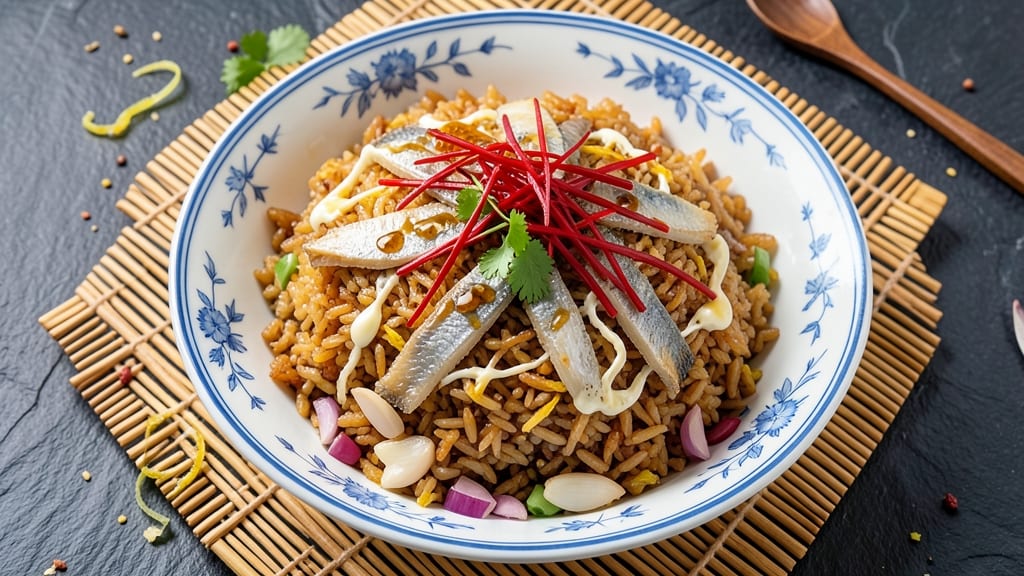
Chinese salted fish fried rice transforms humble ingredients into a symphony of umami, texture, and aroma that defines Cantonese home cooking. The star—properly soaked and flaked salted fish—adds that signature salty-sweet depth while maintaining a satisfying crunch.
This isn't just fried rice; it's a dish where every component plays its part, from the wok hei (breath of the wok) to the perfectly scrambled eggs that bind it all together.
The magic begins with preparation: soaking the salted fish to remove excess salt while preserving its signature flavor, then flaking it into delicate, melt-in-your-mouth pieces. Day-old jasmine rice gets stir-fried until just dry enough to hold its shape, then tossed with garlic, ginger, and scallions that form the aromatic base.
The eggs, scrambled separately, become the glue that holds the dish together while adding protein and richness.
What you end up with is a fragrant, hearty bowl where each bite delivers layers of flavor—salty fish, savory eggs, aromatic vegetables, and the subtle sweetness of soy sauce. The texture contrast between tender fish, chewy rice, and crisp edges makes every mouthful satisfying.
This is comfort food at its finest, a dish that balances simplicity with depth, perfect for weeknight dinners or weekend gatherings.
The beauty of this recipe lies in its adaptability: swap in shrimp for extra protein, add a fried egg on top for presentation, or incorporate leftover vegetables for a lighter version.
The method remains the same—quick, efficient, and packed with authentic Cantonese flavor. Let's create this dish that brings a taste of Hong Kong to your kitchen.
Ingredients for chinese salted fish fried rice
The right balance of textures and flavors starts with these carefully chosen Cantonese ingredients.
| Ingredient | Amount | Notes |
|---|---|---|
| Day-Old Jasmine Rice 🍚 | 4 cups | Cold and slightly dry preferred |
| Salted Fish Fillets 🐟 | 8 oz | Soaked 30 mins, drained, flaked |
| Large Eggs 🥚 | 4 whole | Freshly beaten for scrambling |
| Garlic Cloves 🧄 | 4 cloves | Minced for aromatic base |
| Fresh Ginger 🌿 | 1 ½ tbsp | Finely grated, peeled |
| Scallions 🧅 | ½ cup | Thinly sliced, white and green |
| Light Soy Sauce 🥢 | 3 tbsp | High-quality, low-sodium preferred |
| Oyster Sauce 🍶 | 2 tbsp | Authentic Cantonese brand recommended |
| Sesame Oil 🫒 | 1 ½ tbsp | Toasted, for finishing aroma |
| Vegetable Oil 🫒 | ½ cup | High smoke point for wok hei |
| White Pepper 🌶️ | ½ tsp | Freshly cracked for heat |
| Sesame Seeds 🌰 | 1 tbsp | Toasted, for garnish |
| Green Onions 🧅 | 2 whole | Extra for garnish |
The salted fish is non-negotiable—look for freshly cured fillets at Asian markets or well-stocked grocery stores like H Mart. The best brands, like Lee Kum Kee, have that perfect salty-sweet balance. Soak them for 30 minutes to mellow the salt without losing texture, then flake into delicate pieces. Day-old jasmine rice is essential—fresh rice turns mushy. If you only have long-grain white rice, spread it on a tray after cooking to dry it out overnight. For the aromatics, garlic and ginger should be freshly minced—no jarred shortcuts here. The scallions add freshness, so use the white and green parts for maximum flavor.
No salted fish? Smoked salmon or canned mackerel work in a pinch—rinse well to reduce saltiness. Running short on oyster sauce? Hoisin sauce adds depth, though it's sweeter. The soy sauce should be light—Kikkoman or Lee Kum Kee are reliable. For the eggs, room temperature scrambles best, but don't overcook them—just until set. The sesame oil is purely for aroma; add it at the very end. If you're avoiding gluten, swap soy sauce for coconut aminos, though the flavor will differ slightly. The white pepper adds subtle heat without overpowering the dish's delicate balance.
Store any leftovers in an airtight container for up to 3 days—it reheats beautifully. For best texture, spread the rice on a tray and chill before reheating. The salted fish flavor actually deepens overnight, so double the batch if you can. Garnish with toasted sesame seeds and extra scallions right before serving. This dish is all about wok hei, so if you're not using a wok, a cast-iron skillet gets you close. The high heat is key—get the oil smoking hot before adding the rice to achieve those crisp edges.
Why You'll Love This Recipe
- Pantry-to-Plate Speed: I’m talking 15 minutes from fridge to table—just toss in day-old rice, shred that salted fish (already prepped, honestly), and let the wok do the work. No chopping mountains, no waiting for marinades—just stir, sizzle, serve.
- Umami Bomb Combo: That salted fish? It’s like liquid gold—salty, funky, and so addictive when it caramelizes. Pair it with a runny yolk and garlic-ginger punch, and suddenly, your rice isn’t just a side—it’s the star.
- Lunchbox Hero: Between us, this is my go-to for packed lunches. The rice stays firm, the fish keeps its texture, and it reheats like a dream. (Yes, even on a Tuesday night when you’re too tired to think.)
- Budget Stretch: Salted fish is cheap, eggs are cheap, and day-old rice? Free. I feed my whole family for under $10 and still have leftovers for days—no sad, soggy takeout nights here.
Step-by-step instructions for chinese salted fish fried rice
Master this Cantonese classic with precise technique and bold umami flavors.
Prepare the Salted Fish and Aromatics
First, prepare the salted fish fillets by soaking them in warm water for 30 minutes to remove excess salt. Drain thoroughly and flake into small, even pieces using your fingers or a fork. This texture ensures the fish distributes evenly throughout the rice without clumping.
Next, mince the 4 cloves garlic cloves and finely grate the 1.5 tablespoons fresh ginger, removing the skin. Thinly slice the 0.5 cup scallions, separating the white and green parts. These aromatics form the flavor foundation, so take your time to achieve uniform sizes—they'll cook quickly and need even exposure to heat.
Scramble the Eggs and Set Aside
In a bowl, beat the 4 whole large eggs until just combined—no need to overmix. Heat 2 tablespoons vegetable oil in a wok or large skillet over medium-high heat until shimmering. Pour in the eggs and let them set for 5-7 seconds before gently pushing them around with a spatula, creating soft curds. Remove from the wok and set aside on a plate.
This quick scramble creates silky, custard-like egg ribbons that won't overcook when mixed back into the rice later. The residual heat from the wok will finish cooking the eggs perfectly during assembly.
Stir-Fry Aromatics and Flaked Fish
Add the remaining 0.3 cup vegetable oil to the same wok and heat over high heat until smoking slightly. Add the minced garlic and ginger, stirring constantly for 20-30 seconds until fragrant but not browned—this prevents bitterness. Immediately add the flaked salted fish and stir-fry for 1 minute until the fish pieces turn opaque.
Here's the thing—don't overcrowd the wok. If the fish releases too much liquid, reduce heat briefly to medium-high to evaporate it. This concentrated umami base is the soul of the dish, so develop it properly before adding rice.
Combine Rice and Seasonings
Add the 4 cups day-old jasmine rice to the wok, breaking up any clumps with your spatula. Stir-fry for 2 minutes to toast the grains and release their starches. Pour in the 3 tablespoons light soy sauce and 2 tablespoons oyster sauce, then mix thoroughly to coat every grain. Sprinkle with 0.5 teaspoon white pepper and toss again.
Watch closely—the rice should sizzle and develop a glossy sheen from the released starch. If it sticks, add 1-2 tablespoons hot water to loosen. The goal is even distribution of seasonings without turning the rice mushy.
Finish with Eggs and Garnishes
Return the scrambled eggs to the wok and toss everything together for 1 minute until heated through. Drizzle with 1.5 tablespoons sesame oil and the white parts of the sliced scallions, tossing gently to incorporate. Remove from heat and transfer to serving plates.
Garnish each serving with the green onion tops and 1 tablespoon toasted sesame seeds. The contrast of textures—crispy seeds, silky eggs, and tender rice—elevates every bite. Serve immediately while the wok hei (breath of the wok) aroma lingers.
Pro Tips For Making Chinese Salted Fish Fried Rice
- PREP FISH IN ADVANCE: Salted fish needs time to soften—don’t rush it. Cut the fillets into ½-inch pieces, then soak in warm water for 10-15 minutes to mellow the saltiness. I learned this the hard way: skipping the soak leaves you with a dish that tastes like a salt block.
- CRACK EGGS IN HOT PAN: High heat. Seriously, crank it up. Once your oil is shimmering, pour in the beaten eggs and let them sizzle until the edges set—then gently scramble. This keeps them tender and prevents rubbery bits that ruin the texture.
- STIR-FRY IN BATCHES: Overcrowding the wok steams the rice instead of frying it. Cook the salted fish first, then set it aside. Use that same pan to stir-fry garlic and ginger until fragrant, then add rice in small batches. Your future self will thank you.
- USE COLD RICE: Day-old rice is non-negotiable, but cold rice sticks together. Spread the grains on a tray and let them air-dry for 10 minutes before frying—this guarantees separate, fluffy bites. I skip this when I’m lazy, and the dish is noticeably gummier.
Best sauces and condiments for this chinese salted fish fried rice
Umami Bomb Sauces
The secret to authentic flavor lies in the sauce trio: light soy sauce and oyster sauce create the perfect umami-salty balance. I recommend Lee Kum Kee oyster sauce for its rich, slightly sweet depth—it's the gold standard in Cantonese cooking.
For extra complexity, add 1 teaspoon dark soy sauce at the end for color and caramelized notes. 🍶
Egg Variations
Classic scrambled eggs are essential, but don't stop there! For a silky texture, use duck eggs if available—their rich yolks add luxurious depth.
My go-to shortcut is to scramble the eggs in a separate pan with 1 tablespoon butter and a pinch of sugar (just ¼ teaspoon) for a subtle sweetness that complements the salted fish. 🥚
Spicy Kick Options
Crank up the heat with 1 teaspoon chili crisp or ½ teaspoon Sichuan peppercorns toasted in the oil at the start. For a smoother heat, blend 1 tablespoon chili oil with 1 tablespoon oyster sauce and drizzle over finished rice.
I love adding ½ teaspoon gochujang for a Korean-inspired twist that pairs perfectly with the fish's saltiness. 🌶️
Vegetable Boosters
Add ½ cup finely diced char siu pork for extra richness or ½ cup shredded cabbage for crunch. My favorite veggie combo is ½ cup snap peas and ½ cup shredded carrots—they stay crisp when stir-fried quickly.
For a smoky element, toss in 2 tablespoons chopped smoked tofu at the end. 🥬
Finishing Touches
Don't underestimate the power of the final drizzle! 1 tablespoon toasted sesame oil adds aroma, while 1 teaspoon honey balances saltiness. For a restaurant-quality look, top with 1 fried egg—runny yolk pools beautifully with the rice. I also like sprinkling crushed peanuts for texture contrast. ✨
Nutrition facts
Frequently asked questions
Why is day-old rice essential for this fried rice?
Day-old jasmine rice is crucial because it's slightly drier and holds its shape better during stir-frying. Fresh rice contains too much moisture and turns mushy when cooked. The starches also release more evenly, creating that signature glossy texture. For best results, spread freshly cooked rice on a tray and let it cool completely before using.
How do I properly soak salted fish to remove excess salt?
Soak the salted fish fillets in warm water for exactly 30 minutes, changing the water halfway if it becomes cloudy. This removes excess salt while preserving the delicate texture. After soaking, drain thoroughly and flake gently with your fingers or a fork. Never skip soaking—it's what transforms the fish from overly salty to perfectly seasoned.
Can I make this recipe without a wok?
A heavy-bottomed cast-iron skillet or large stainless steel pan works perfectly. The key is maintaining high heat to achieve wok hei (breath of the wok). Use a splatter screen if needed, and stir-fry in batches if your pan isn't large enough. The heat should be so intense that you can see smoke rising from the oil.
What's the best way to store leftovers?
Store leftovers in an airtight container in the fridge for up to 3 days. To reheat, spread the rice on a tray and microwave for 1-2 minutes until hot, then stir-fry briefly in a dry pan to restore texture. The salted fish flavor actually deepens overnight, making leftovers even more delicious. Freezing isn't recommended as it can make the rice gummy.
How can I make this dish vegetarian?
Replace the salted fish with ½ cup marinated and pan-fried tofu or ½ cup finely chopped mushrooms (shiitake or oyster work best). For umami depth, add 1 tablespoon soy sauce and 1 teaspoon mushroom powder to the tofu marinade. The eggs remain essential for binding the dish together, but you could also add ½ cup chickpeas for extra protein.