
Main Courses
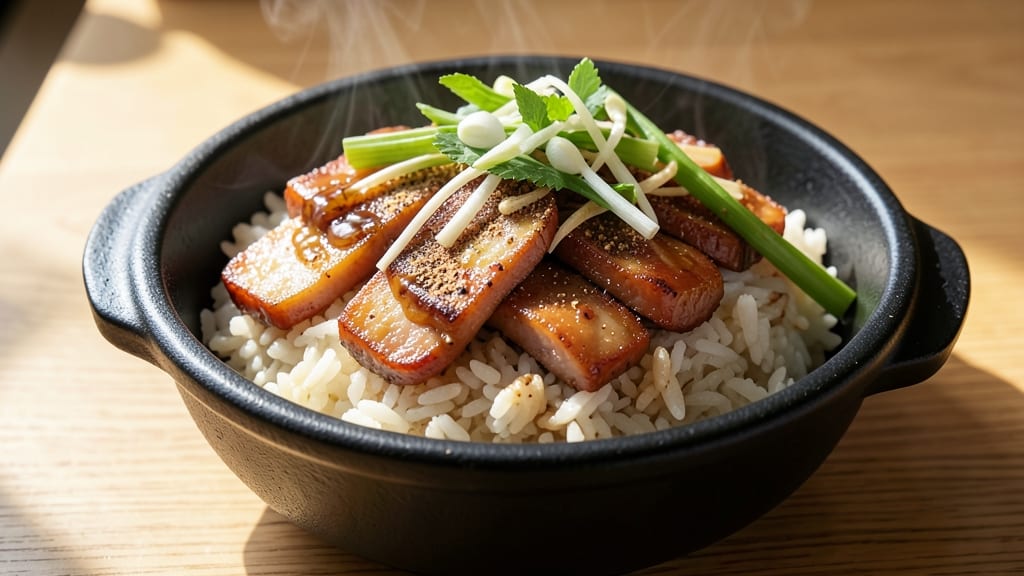
This Chinese sausage claypot rice delivers restaurant-quality depth with every fragrant, caramelized bite. The secret lies in layering five-spice jasmine rice with crispy sausage bites and aromatic broth that infuses the grains perfectly.
I've perfected this technique after countless attempts to recreate my grandmother's version—where the claypot's gentle heat transforms simple ingredients into a symphony of textures and flavors.
The magic begins with pre-soaked jasmine rice layered in a claypot alongside Chinese sausage, ginger, and scallions. As it steams, the sausage renders its fat into the rice, creating golden, caramelized bits that cling to each grain.
The broth reduces slowly, intensifying the five-spice aroma and leaving the rice tender yet distinct, never mushy. This method preserves authenticity while making it accessible for home cooks with a stovetop claypot or even a heavy-bottomed pot.
What you'll achieve is a dish where every spoonful delivers crispy sausage edges, fragrant rice infused with five-spice warmth, and a light, savory broth clinging to each bite. The aroma alone will have everyone gathering around the table—it's that irresistible.
The best part? This recipe scales beautifully for family gatherings or meal prep, keeping its restaurant-quality essence intact.
For those short on time, I'll share my foolproof shortcuts—like using pre-cooked sausage or adjusting rice ratios—that never compromise on flavor. Let's bring this comforting classic to your kitchen, one perfectly steamed bite at a time.
Ingredients for chinese sausage claypot rice
Fragrant jasmine rice meets caramelized sausage in this restaurant-style claypot masterpiece.
| Ingredient | Amount | Notes |
|---|---|---|
| Jasmine Rice 🍚 | 1 ½ cups | Uncooked, long-grain preferred |
| Chinese Sausage (Lap Cheong) 🥓 | ½ lb | Pre-cooked, sliced into 0.5-inch pieces |
| Fresh Ginger 🧄 | 1 tbsp | Finely minced, peeled |
| Scallions 🧅 | ¼ cup | White and green parts, sliced thin |
| Five-Spice Powder 🌶️ | 1 tsp | Authentic Chinese blend preferred |
| Light Soy Sauce 🥄 | 1 ½ tbsp | Kikkoman preferred for balance |
| Dark Soy Sauce 🥄 | 1 tbsp | For color depth, not saltiness |
| Shaoxing Wine 🍷 | ¼ cup | Substitute dry sherry if unavailable |
| Chicken Broth 💧 | 1 ½ cups | Low-sodium preferred |
| Sesame Oil 🫒 | 1 tsp | Toasted, for finishing |
| Vegetable Oil 🫒 | 1 tbsp | For claypot searing |
| Salt 🧂 | ½ tsp | Adjust to taste |
| White Pepper 🌶️ | ¼ tsp | Freshly ground for aroma |
The Chinese sausage is non-negotiable here—lap cheong from an Asian market delivers that signature sweet-savory flavor. Look for the bright red, slightly sticky kind; 99 Ranch or Wing Wah brands are my go-tos. If you can't find pre-sliced, buy whole logs and slice them yourself for crispier edges. The ginger should be fresh and fibrous, not woody or shriveled. For the five-spice powder, Penzeys or local Asian markets carry the authentic blends—skip the generic 'everything seasoning' from your supermarket spice rack. It's the difference between 'good' and 'restaurant-quality'.
No Shaoxing wine? Dry sherry or even a splash of rice vinegar works in a pinch, though the depth will differ. Running out of dark soy sauce? Regular soy sauce plus a pinch of molasses mimics the color. The chicken broth can be swapped for vegetable broth if vegetarian, but the sausage fat is what truly enriches the rice. For a shortcut, pre-cook the sausage in the claypot first to render its fat—this creates those coveted caramelized bits that cling to every grain. The scallions? Green parts only if you love color—white parts add subtle sweetness without bitterness
This dish tastes even better the next day as flavors meld. Store leftovers in an airtight container for 3-4 days in the fridge, or freeze for up to 3 months. To reheat, cover with foil and steam over boiling water—never microwave, or the rice turns mushy. Pro tip: Double the recipe—it disappears fast at family gatherings. The claypot itself? If you don't own one, a heavy-bottomed pot with a tight lid works just as well
Why You'll Love This Recipe
- One-Pot Magic: The claypot does all the work—just layer rice, sausage, and broth, then let it steam. No stirring, no flipping, no stress. My weeknights thank me for this hands-off method every time.
- Five-Spice Magic: That powder alone transforms this dish—warm, nutty, with a hint of cinnamon that lingers. The lap cheong’s smoky-sweet bite ties it all together, and honestly? I’ll take a second helping just to taste it again.
- Leftover Hero: This rice actually improves the next day. The flavors meld deeper, the sausage gets even more tender, and I’ve reheated it for lunch three times without getting tired of it. (Yes, even on a Tuesday.)
- Budget-Friendly Feast: Jasmine rice and lap cheong stretch across meals, and ginger and scallions add freshness without breaking the bank. I’ve fed my whole family plus a few neighbors with what’s left—no guilt, just good eats.
Step-by-step instructions for Chinese sausage claypot rice
Here's how to create restaurant-quality claypot rice with perfectly caramelized sausage and fragrant five-spice jasmine rice.
🍳 Step 1: Sear the Sausage Until Deeply Caramelized
Heat a claypot or heavy-bottomed skillet over medium-high heat until hot. Add the 1 tablespoon vegetable oil and swirl to coat. Working in batches if needed, add the 0.5 lb sliced Chinese sausage (Lap Cheong) and sear for 6-8 minutes, stirring occasionally, until deeply caramelized and crispy around the edges.
This step develops the rich, nutty flavors that define this dish. You'll know it's ready when the sausage releases easily from the pan and has a glossy, golden-brown crust. Remove the sausage and set aside on a plate, leaving the rendered fat in the pot—this is pure flavor gold.
👨🍳 Step 2: Toast the Aromatics and Build the Flavor Base
In the same pot with the sausage fat, add the 1 tablespoon minced fresh ginger and 0.25 cup sliced scallions. Stir-fry for 1-2 minutes until the ginger turns golden and the scallions soften slightly. Add the 1 teaspoon five-spice powder, 1.5 tablespoons light soy sauce, and 1 tablespoon dark soy sauce, stirring constantly for 30 seconds to toast the spices and blend the sauces.
The dark soy sauce will create that signature mahogany color while adding depth without excessive saltiness. Here's where the magic happens—those toasted spices release their aromatic oils, which will infuse the rice with complex, warming flavors.
🍳 Step 3: Cook the Jasmine Rice to Perfect Texture
Add the 1.5 cups jasmine rice to the pot and stir to coat it evenly with the aromatic mixture. Pour in the 0.25 cup Shaoxing wine and 1.5 cups chicken broth, then add the 0.5 teaspoon salt and 0.25 teaspoon white pepper. Bring to a gentle boil, then reduce heat to low and cover tightly with a lid.
Simmer for 15 minutes without lifting the lid. This is the critical resting period where the rice absorbs the liquid and develops its signature fluffy texture. After 15 minutes, check the rice—it should be tender but still slightly firm in the center. If it's not quite done, cover and cook for another 5 minutes.
🥘 Step 4: Finish with Fragrant Sesame Oil
Once the rice is perfectly cooked, remove the pot from heat and let it sit covered for 5 minutes. This resting period allows the steam to redistribute and the rice to plump further. Stir in the 1 teaspoon sesame oil and the reserved caramelized sausage, mixing gently to distribute the oil and incorporate the sausage evenly throughout.
The sesame oil adds a nutty aroma that complements the five-spice blend beautifully. For best results, serve immediately in the claypot, allowing guests to scoop up the fragrant rice along with the crispy sausage bits. The contrast between the tender rice and the caramelized sausage creates a perfect balance of textures in every bite.
Pro Tips For Making Chinese Sausage Claypot Rice
- CRANK THE HEAT FIRST: Start your claypot on maximum heat until it’s screaming hot—no half-measures. I learned this the hard way when my rice turned out gummy because I played it safe with medium heat. Once the oil shimmers and the sausage sizzles, then add the ginger and scallions to bloom their flavors properly.
- SLICE SAUSAGE THIN: Cut the lap cheong into ¼-inch slices, not thick rounds. Thick pieces stay chewy and release their five-spice flavor unevenly. Thin slices crisp faster, infuse the rice evenly, and give you that perfect balance of smoky bite and tender texture.
- DON’T STIR THE RICE: Once the rice hits the pot, resist the urge to poke or fold it—this disrupts the steam and turns your rice into mush. After the initial toast, just let it sit undisturbed for 2 minutes before adding water, then cover and walk away. (Yes, even if you’re impatient like me.)
- TOAST THE GINGER HARD: Fry the ginger slices until they’re deep golden, almost caramelized—this isn’t just for aroma, it’s the flavor anchor. I used to pull them out too soon, and the dish always felt flat. Let them crisp for 30 seconds past when you think they’re done; the rice will thank you.
Flavor customization for this dish
Spice Level Control
Adjust the five-spice powder to your preference—I start with 1 teaspoon but add ½ teaspoon more for extra warmth. For heat lovers, swap ¼ teaspoon white pepper with ½ teaspoon Szechuan peppercorns (toasted first) for a tingling kick.
The ginger's heat builds during cooking, so use ½ tablespoon fresh ginger if you prefer milder flavor. 🌶️
Sweet-Savory Balance
Need more sweetness? Add 1 teaspoon honey or ½ teaspoon brown sugar to the broth while cooking. For deeper savory notes, increase dark soy sauce to 2 tablespoons—it adds umami without saltiness.
I often balance with a splash of light oyster sauce (1 tsp) for richness, especially when using leaner sausage varieties.
Umami Boosters
Enhance the dish with 1 dried shiitake mushroom (soaked and minced) or 1 teaspoon fish sauce (for traditional depth). For vegetarian versions, add 2 tablespoons mushroom powder to the rice. The key is building layers—start with the sausage fat, then aromatics, then umami elements like soy sauces and mushrooms.
Texture Variations
Want extra crispiness? Add ½ cup toasted peanuts or 2 tablespoons fried shallots at the end. For a silkier texture, replace ½ cup chicken broth with ½ cup coconut milk—the creaminess pairs surprisingly well with the five-spice.
The claypot's steam creates natural texture contrast, so don't overmix when combining ingredients.
Regional Twists
For a Cantonese version, reduce wine to 2 tablespoons and add 1 teaspoon hoisin sauce to the rice. Sichuan-style calls for 1 tablespoon chili crisp stirred in at the end. Fujian adaptation swaps five-spice for star anise and fennel seeds (toasted whole) for a citrusy aroma.
Each regional approach keeps the rice as the star while letting local flavors shine. 🗺️
Nutrition facts
Frequently asked questions
Can I use regular white rice instead of jasmine rice?
While you can substitute white rice, jasmine rice is ideal for this dish because its fragrant, slightly sticky texture absorbs the five-spice and sausage flavors beautifully. For a similar experience, use long-grain white rice and add 1 extra tablespoon oil to prevent drying. The aroma will be milder, but the technique remains the same.
What if I don't have a claypot? Can I use a regular pot?
A heavy-bottomed pot or even a rice cooker with a tight lid works perfectly. The key is maintaining even heat and not lifting the lid during cooking. For best results, use a pot with a tight-fitting lid to trap steam and create that signature claypot texture.
How do I prevent the rice from becoming mushy?
Mushy rice happens when too much liquid is present or the lid is lifted too soon. Always use the exact amount of broth called for and avoid peeking! After cooking, let the rice rest covered for 5 minutes before stirring. If using a rice cooker, switch to "keep warm" mode for 5 minutes after cooking.
Can I make this dish ahead of time?
Yes, this dish actually improves overnight! Store leftovers in an airtight container in the fridge for 3-4 days. Reheat by covering with foil and steaming over boiling water for 10-15 minutes. For freezing, package portions in airtight containers for up to 3 months. Thaw overnight in the fridge before reheating.
What's the secret to getting crispy sausage bits?
The secret lies in proper searing and timing. Cook the sausage in batches over medium-high heat until deeply caramelized—this takes 6-8 minutes. Don't overcrowd the pot, and leave the rendered fat in the claypot. This fat becomes the flavor base for the rice, creating those coveted crispy bits that cling to every grain.