
Desserts
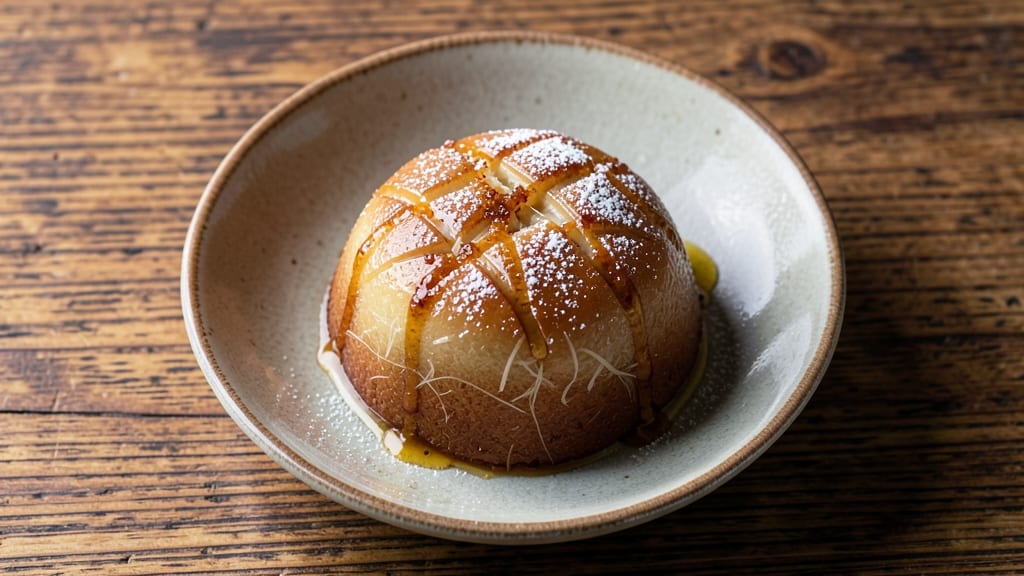
This Chinese steamed rice cake recipe delivers the silky, glutinous texture and pandan fragrance that make it a centerpiece of Lunar New Year celebrations. The secret lies in blending glutinous rice flour and jasmine rice flour for that signature chewy-yet-tender bite, steamed to perfection until the aroma fills your kitchen.
I first made these for family gatherings, where they disappeared faster than the spring rolls—proof of their addictive appeal.
The process requires patience but rewards you with layers of fluffy, snow-white cake that’s naturally sweetened and infused with floral notes. Unlike store-bought versions, this recipe uses simple ingredients—rice flour, sugar, and water—transformed through precise steaming into a dessert that’s both elegant and comforting.
The key steps include preparing the batter just thick enough to hold its shape while steaming, ensuring every slice reveals that signature marbled texture.
What you’ll end up with is a cake so tender it melts in your mouth, with a subtle pandan aroma that lingers like a memory. Serve it warm with a drizzle of honey or sesame paste, or pair it with jasmine tea for the full cultural experience.
This isn’t just dessert—it’s tradition, texture, and a taste of celebration in every bite. Let’s get started on creating yours.
For those who love customization, you can add fillings like red bean paste or lotus paste for extra depth, or adjust the sugar to your preference. The beauty of this recipe is its versatility—whether you’re making it for a festival or a weeknight treat, the method stays the same.
Ready to master the art of steamed rice cake?
Ingredients for chinese steamed rice cake
Just flour, sugar, and water transform into fluffy, fragrant layers with pandan perfume.
| Ingredient | Amount | Notes |
|---|---|---|
| Glutinous Rice Flour 🌾 | 1 ½ cups | Also called sweet rice flour |
| Jasmine Rice Flour 🌾 | ½ cup | For delicate floral notes |
| Granulated Sugar 🍚 | ½ cup | Adjust to taste for sweetness |
| Pandan Extract 🌿 | 1 tbsp | For signature fragrance |
| Warm Water 💧 | 1 ¼ cups | 110°F for ideal batter |
| Vegetable Oil 🫒 | 1 tbsp | For greasing molds |
| Sesame Paste 🥜 | 2 tbsp | Optional for topping |
| Honey 🍯 | 2 tbsp | For drizzling after steaming |
| Red Bean Paste 🍫 | ½ cup | Optional filling |
| Lotus Paste 🌸 | ½ cup | Optional filling alternative |
| Kosher Salt 🧂 | ½ tsp | For balancing sweetness |
The rice flours are everything here—glutinous rice flour for chewiness and jasmine rice flour for that delicate floral touch. Bob’s Red Mill carries both, or check the Asian market for bulk bins where they stay fresher. If you can’t find jasmine rice flour, substitute regular jasmine rice blended into flour—it’s not identical, but works in a pinch. The sugar should be fine granulated, but coconut sugar adds subtle caramel notes if you’re feeling adventurous. And that pandan extract? Don’t skip it—it’s the soul of this cake. I grab mine from Asian grocery stores; they usually have it in small bottles near the spices.
No pandan extract? Pandan leaves steeped in warm water work too—just crush a few leaves and let them infuse for 10 minutes. The batter needs to be thick but pourable—like pancake batter consistency. If it’s too runny, add a splash more rice flour; if too thick, warm more water. For the fillings, red bean paste is traditional, but lotus paste or even Nutella (yes, really) add fun twists. Just keep portions small—these cakes are delicate. And that sesame paste? Toast the sesame seeds first—it makes all the difference in aroma. Store-bought paste is fine, but homemade (just toasted seeds + oil) tastes like heaven.
This batter keeps 2 days in the fridge if covered tightly—just give it a stir before steaming. The steamed cakes are best served warm, but reheat gently in a steamer for 5 minutes if they’ve cooled. They’ll keep 3 days wrapped in plastic at room temp, though they lose that perfect melt-in-your-mouth texture after day 2. For Lunar New Year prep, I triple the batch and freeze half—steam from frozen, adding 5 extra minutes. The flavor only gets better with time, so make extras if you can.
Why You'll Love This Recipe
- I’ll be real: you’re paying for quality ingredients, but the cost per serving is so reasonable. A mix of glutinous rice flour and jasmine rice flour keeps it affordable, while the optional fillings (like red bean paste) stretch your ingredients further. It’s the kind of treat that feels indulgent but won’t break the bank—win-win.
- No-Fuss Steaming: Honestly, this is one of those recipes where you can prep everything while watching TV—just whisk, pour, and forget about it while it steams. The batter doesn’t require kneading or rolling, and that 45-minute steam time lets you multitask like a boss. Plus, the pandan extract gives it that instant tropical vibe without any fuss.
- Pandan Perfection: That 1 tbsp pandan extract isn’t just for show—it’s the star. The moment you crack open the mold, that fragrant, slightly floral aroma hits you like a warm hug. Pair it with the chewy-sweet texture from the glutinous rice flour and jasmine flour combo, and you’ve got dessert that tastes like a vacation in every bite.
- Leftovers? More Like Leftovers Love: Between us, this cake gets better the next day. I’ll admit, the first slice is pure bliss, but the flavors meld even more after sitting overnight. Store it wrapped in plastic for up to 3 days, and it’s still solid—no sad, dry cake here. Perfect for packing lunches or surprising guests with something homemade.
Step-by-step instructions for Chinese steamed rice cake
Here's how to create silky, fragrant layers that melt in your mouth every time.
Prepare the Batter Base
In a large mixing bowl, combine the 1½ cups glutinous rice flour and ½ cup jasmine rice flour. Sift the mixture together to eliminate any lumps, which ensures a smooth, silky texture in your finished cake. This blend creates the perfect balance of chewiness from the glutinous rice and delicate floral notes from the jasmine variety.
Next, add the ½ cup granulated sugar and ½ tsp kosher salt to the flour mixture. Whisk gently to distribute evenly. The sugar will caramelize slightly during steaming, enhancing the natural sweetness, while the salt balances the flavors and prevents the cake from becoming overly cloying.
Incorporate Liquids and Fragrance
Create a well in the center of your dry ingredients and pour in the 1 tbsp pandan extract. The pandan's signature fragrance is what transforms this into a truly authentic Asian dessert. Gradually add the 1¼ cups warm water (about 110°F) while whisking continuously to maintain a smooth consistency. You're aiming for a thick, pourable batter that coats the back of a spoon but isn't overly runny.
Finally, drizzle in the 1 tbsp vegetable oil and mix until fully incorporated. The oil helps create a tender crumb and prevents the cake from becoming too dense. At this stage, your batter should resemble a thick, glossy pudding. If it appears too stiff, add 1 teaspoon warm water at a time until it reaches the proper consistency.
Prepare the Filling and Assemble
Choose your filling: spread either the ½ cup red bean paste or ½ cup lotus paste evenly across the bottom of your prepared steaming mold. This layer will become the heart of your cake, providing both texture contrast and traditional flavor. For a more luxurious version, you can divide the filling into smaller dollops and arrange them artistically before pouring the batter.
Carefully pour the batter over the filling, using a spatula to spread it evenly. The batter should completely cover the filling without overflowing the mold. Here's the thing—don't worry if you see small air bubbles on the surface. These will dissipate during steaming, leaving you with a perfectly smooth top.
Steam to Perfection
Place your assembled mold in a steamer basket lined with parchment paper to prevent sticking. Ensure there's about 1 inch of water in the steamer pot below. Bring the water to a gentle simmer (not a rolling boil) and steam the cake for 45-50 minutes until the top is set and springs back when touched lightly.
To test doneness, insert a clean toothpick into the center. It should come out clean or with just a few moist crumbs clinging to it. The cake should have a slight bounce when pressed gently with your finger. Remove from the steamer and let it cool in the mold for 10 minutes before unmolding onto a wire rack.
Finish with Toppings
While the cake is still warm, drizzle the 2 tbsp honey evenly over the top. The heat will help the honey spread smoothly and caramelize slightly, adding a beautiful sheen. For an extra layer of flavor, spread the 2 tbsp sesame paste over the honey while it's still wet. This creates a sticky, aromatic crust that contrasts beautifully with the soft interior.
Let the cake cool completely before slicing. The contrast between the silky, fragrant layers and the rich, nutty sesame topping will make each bite unforgettable. For best results, serve at room temperature when the flavors have fully melded together.
Pro Tips For Making Chinese Steamed Rice Cake
- Sift the Flours Twice: I learned this the hard way—skipping the second sift leaves tiny lumps that turn into dry spots in your cake. After mixing the 1.5 cups glutinous rice flour and 0.5 cup jasmine rice flour, run them through a fine-mesh sieve again right before adding liquids. The extra effort guarantees that silky texture you’re craving.
- Warm Water Only: Cold water shocks the flour and makes the batter gummy. Fill a measuring cup with water, microwave it for 20 seconds (or warm it in a kettle) until it hits that 110°F mark—just warm enough to touch without burning. The 1.25 cups warm water will blend seamlessly, not fight the flour.
- Don’t Overmix the Batter: Whisk just until the 1 tbsp pandan extract and 1.25 cups warm water disappear into the flour. Overmixing introduces air bubbles that won’t fully dissipate during steaming, leaving pockets of uneven texture. Stop when the batter looks like thick, glossy pudding—no streaks, no lumps.
- Test the Steam, Not the Heat: The water should simmer gently—tiny bubbles breaking the surface, not a rolling boil. If you’re unsure, touch the water: it should feel like a warm bath, not a sauna. Steaming too hard dries out the edges of your cake while the center stays undercooked. Trust the 45-50 minutes, but keep the heat low and steady.
Dietary considerations for this dish
Gluten-Free Adaptation
This recipe is already gluten-free by nature since it uses only rice flours! The glutinous rice flour and jasmine rice flour blend creates that signature chewy texture without any wheat. For extra assurance, I double-check my flours are certified gluten-free—Bob’s Red Mill labels theirs clearly.
This makes it perfect for those avoiding gluten while still enjoying that authentic taste. 🌾
Vegan-Friendly Adjustments
To make this completely vegan, simply swap the honey for agave nectar or maple syrup in the topping. The sesame paste remains vegan as long as it’s oil-based—just check the label for honey additives.
The pandan extract and all rice flours are naturally vegan, so no other changes are needed. This version still delivers that fragrant, melt-in-your-mouth texture. 🍯
Lower-Sugar Options
If you want to reduce sugar, start by cutting the ½ cup granulated sugar to ⅓ cup and taste as you go. The natural sweetness from the rice flour will still shine through, and the pandan adds floral depth.
For a more substantial sweetness reduction, use erythritol or monk fruit sweetener in equal measure—both blend seamlessly while keeping carbs low. 💛
Allergy-Friendly Notes
This recipe is naturally nut-free and dairy-free, but always verify your sesame paste for cross-contamination if you have severe allergies. Some brands process sesame in facilities with nuts.
For a sesame-free version, drizzle almond butter (thinned with water) instead—just ensure it’s nut-free certified. The rice flours themselves are typically safe for most allergies. 🌟
Keto Considerations
For a keto-friendly version, replace the glutinous rice flour with almond flour or coconut flour (use ¼ cup coconut flour + ¼ cup almond flour to mimic texture). Reduce the water to 1 cup and add 1 tbsp psyllium husk powder for structure.
Skip the sugar entirely and use stevia or erythritol sparingly. The pandan extract remains the star flavor. ⚡
Nutrition facts
Frequently asked questions
Why does my steamed rice cake taste bland?
The pandan extract is what gives this cake its signature flavor—never skip it! If your cake still tastes bland, double-check your salt level (½ tsp) and ensure you're using warm water (110°F) for the batter. The sugar also caramelizes during steaming, so don't reduce it too much. Taste as you go and adjust gradually.
Can I make this recipe without a steamer?
Yes! Use a heatproof dish with a tight lid or even a bamboo steamer substitute. Place the cake on a wire rack over a pot of simmering water, ensuring the water doesn't touch the bottom. Cover tightly and steam for 45-50 minutes like normal. The key is maintaining gentle steam—no boiling water!
What’s the best way to store leftover rice cakes?
Store them wrapped tightly in plastic at room temperature for up to 3 days, though they’re best eaten within 2 days for that melt-in-your-mouth texture. For longer storage, freeze the batter in portions—just steam from frozen, adding 5 extra minutes. Reheat gently in a steamer for 5 minutes to restore softness.
Can I substitute the red bean paste with something else?
Lotus paste is a classic alternative, or try sweetened mashed potatoes for a creamy twist. For something nutty, use peanut butter (thinned with water) or even dark chocolate for a decadent version. Just keep portions small—the cake is delicate and may absorb too much liquid.
Why does my cake crack on top?
Cracks happen when the cake cools too quickly or the batter was too thick. Ensure your steamer has 1 inch of water and steam gently for the full 45-50 minutes. If cracks appear, cover them with a thin layer of sesame paste or honey before serving—they’ll disappear into the texture!