
Side Dishes
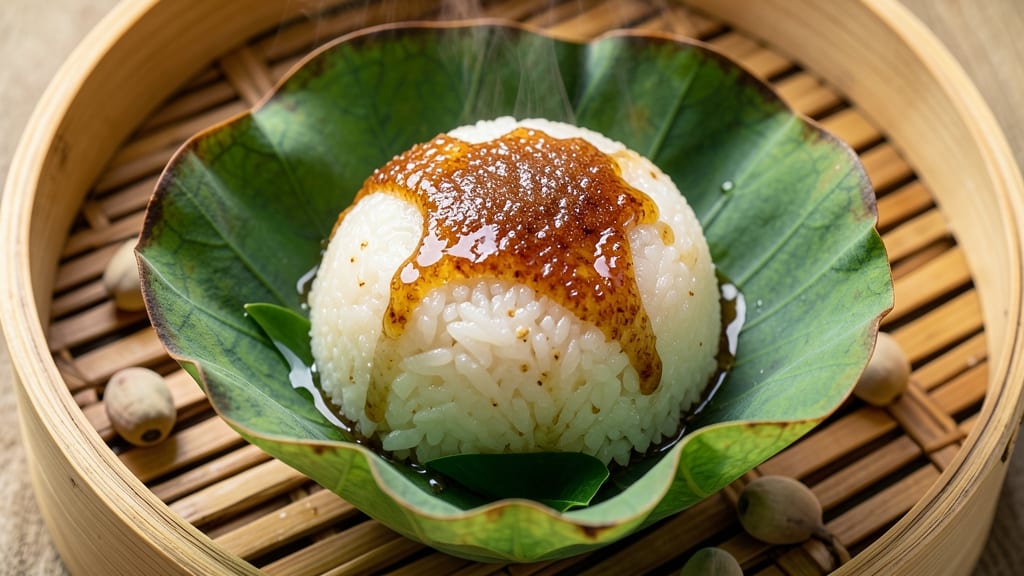
This Chinese sticky rice stuffing recipe transforms simple glutinous pearls into a festive centerpiece for holiday tables—where chewy texture meets aromatic tradition. The magic lies in balancing sweet and savory flavors while mastering the delicate art of steaming, a technique that turns ordinary rice into a showstopping dish.
Whether you're wrapping them in bamboo leaves for zongzi or shaping them into niangao cakes, the process is as rewarding as the result.
The foundation of this recipe is perfectly cooked glutinous rice, which stays tender yet firm enough to hold fillings without falling apart. We'll use a simple syrup glaze to bind the grains while infusing them with fragrant pandan or lotus leaf, creating that unmistakable aroma of celebration.
The key to success is patience—letting the rice absorb flavors gradually for maximum depth.
By the time you're done, you'll have a batch of sticky rice that's ready to be stuffed with savory pork, sweet red bean paste, or modern twists like peanut butter and sesame.
The possibilities are endless, but the technique remains the same: steam to perfection, wrap with care, and serve with pride. This is the kind of dish that elevates any gathering from ordinary to extraordinary.
Perfect for Lunar New Year feasts, family reunions, or even a special weekend brunch, this recipe bridges tradition and creativity. Let's bring the magic of Chinese sticky rice to your table.
Ingredients for chinese sticky rice stuffing
Simple ingredients, traditional techniques—this sticky rice transforms into festive holiday magic.
| Ingredient | Amount | Notes |
|---|---|---|
| Glutinous Rice (Sweet Rice) 🍚 | 2 cups | Uncooked, short-grain preferred |
| Water 💧 | 2 ½ cups | Room temperature |
| White Sugar 🍬 | ½ cup | Fine granulated |
| Pandan Leaf 🌿 | 1 whole | Fresh or dried, tied in cheesecloth |
| Lotus Leaf 🌸 | 2 pieces | Fresh, for aroma |
| Salt 🧂 | ½ tsp | Fine sea salt |
| Sesame Oil 🫒 | 1 tbsp | Toasted for flavor |
| Bamboo Leaves 🌿 | 6 pieces | For wrapping (optional) |
| Dried Red Bean Paste 🍫 | 1 cup | For filling (optional) |
| Peanut Butter 🥜 | ½ cup | For modern filling (optional) |
| Sesame Seeds 🌰 | 2 tbsp | Toasted for garnish |
| Red Dye (Optional) 🎨 | 1 tsp | For coloring (optional) |
| Kitchen Twine 🧵 | 1 package | For securing wraps |
Glutinous rice is the heart of this dish—short-grain is ideal for that perfect chewy texture. Asian markets carry it in bulk, but grocery stores often stock it too. Look for packages labeled 'sweet rice' or 'mochigome'. The pandan leaf and lotus leaf are what give this dish its signature aroma. Fresh is best, but dried leaves work in a pinch. If you can't find lotus leaves, extra pandan will do. For the filling, traditionalists use red bean paste, but modern twists like peanut butter and sesame add a fun twist—whatever suits your holiday theme.
No pandan? Vanilla extract at half the amount gives a similar sweetness, though not the same aroma. Running out of bamboo leaves? Aluminum foil works for shaping, though it won't have that traditional look. The red bean paste can be swapped for sweetened black sesame paste or even jam if you're feeling adventurous. For the peanut butter filling, creamy works best—chunky might not blend as smoothly. And if you want to go full traditional, add a pinch of cinnamon to the rice for warmth.
Once cooked, the rice keeps 3 days in the fridge wrapped tightly in plastic. For longer storage, freeze the shaped packages for up to 3 months. When steaming, don't overcrowd the pot—leave space between packages for even cooking. The finished rice is best served warm, but it reheats beautifully in a steamer or microwave. These make stunning centerpieces—arrange them on a platter with fresh herbs for a festive touch.
Why You'll Love This Recipe
- No-Fuss Magic: I swear by this recipe because it’s that simple—just soak, steam, and layer. The glutinous rice turns into this melt-in-your-mouth texture with almost no effort, and the pandan leaf adds that signature aroma without a single extra step.
- Sweet & Fragrant: That caramelized sugar and pandan combo? Chef’s kiss. The lotus leaf wraps it all up with this subtle floral note that makes it taste like a dessert you’d pay for—but it’s just rice, sugar, and a little patience.
- Party in a Box: Between us, this is my go-to for potlucks, BBQs, or even a last-minute snack. It stays fresh for days, travels well, and honestly? No one can resist picking at it—it’s the kind of dish that disappears fast.
- Budget Buster: Four ingredients, zero waste. The lotus leaf and pandan might sound fancy, but they stretch this recipe into a crowd-pleaser without breaking the bank. Plus, leftovers? They’re even better the next day—warm or cold.
Step-by-step instructions for Chinese sticky rice stuffing
Transform simple ingredients into aromatic, festive parcels that bring holiday tables to life.
Prepare the Glutinous Rice Mixture
In a large heatproof bowl, combine the 2 cups glutinous rice (sweet rice) with the 2.5 cups room temperature water, 0.5 cup white sugar, 0.5 teaspoon salt, and 1 tablespoon sesame oil. Stir gently until the sugar and salt dissolve completely. The mixture should be smooth but slightly thick—like a thick porridge.
Tie the 1 whole pandan leaf and 2 pieces lotus leaf in cheesecloth to create a fragrant bundle. Add this bundle to the rice mixture along with the 1 teaspoon red dye (optional) if using. Let the mixture sit at room temperature for 30 minutes to allow the flavors to meld. This step ensures the aromatic leaves infuse the rice properly before cooking.
Cook the Rice Mixture
Transfer the rice mixture to a steamer lined with 6 pieces bamboo leaves (if using). If you don't have bamboo leaves, use parchment paper with holes poked in it to allow steam to circulate. Bring a pot of water to a boil and place the steamer over it, ensuring the water doesn't touch the bottom of the steamer.
Cover and steam over medium-high heat for 45-50 minutes until the rice is tender and translucent. You'll know it's done when the rice pulls away from the sides of the steamer and has a slight sheen. The mixture should be sticky and pliable—almost like dough. If it's not sticky enough, steam for another 5 minutes. Let it cool slightly before handling.
Prepare the Filling
While the rice cooks, prepare the filling by mixing 1 cup dried red bean paste with 0.5 cup peanut butter in a small bowl. The combination should be smooth and spreadable. If the peanut butter is too thick, warm it gently in a microwave-safe bowl for 10-15 seconds to soften it. This filling adds a modern twist to the traditional sticky rice while keeping the sweet, nutty flavors balanced.
Once the rice mixture has cooled enough to handle (it should be warm but not hot), divide it into 4 equal portions. Flatten each portion into a 4-inch round and create a well in the center. Spoon 2 tablespoons of the red bean-peanut butter mixture into each well. Gently fold the rice over the filling to encase it completely, forming a neat, compact ball.
Secure and Garnish
Take one of the filled rice balls and wrap it tightly with a 6-inch piece of kitchen twine, securing it like a small package. Repeat this process with the remaining rice balls. The twine helps maintain the shape during cooking and gives the final presentation a polished, festive look.
Place the wrapped rice parcels on a baking sheet lined with parchment paper. Brush the tops lightly with a bit of sesame oil and sprinkle 1 tablespoon sesame seeds evenly over each parcel. For extra visual appeal, you can also drizzle a tiny bit of melted peanut butter over the top before adding the sesame seeds. This step not only enhances the flavor but also creates a beautiful, golden finish.
Steam to Perfection
Return the wrapped parcels to the steamer and steam over medium heat for 15-20 minutes until the twine is slightly crisp and the rice is heated through. The parcels should feel firm to the touch and smell fragrant with the aroma of pandan and lotus leaves. Avoid oversteaming, as this can make the rice too soft and lose its shape.
Let the parcels rest for 5 minutes before serving. To serve, carefully cut the twine and peel back the layers to reveal the beautifully presented sticky rice stuffing. Each bite should deliver a harmonious blend of sweet, nutty, and aromatic flavors—perfect for holiday gatherings. Serve warm with a dusting of additional sesame seeds for extra flair.
Pro Tips For Making Chinese Sticky Rice Stuffing
- SOAK THE RICE LONGER: I used to rush this and end up with gummy, uneven sticky rice—don’t. Soak the glutinous rice in water for at least 4 hours (overnight if possible). The extra time lets the starches soften properly, so when you steam it, the texture becomes that perfect, melt-in-your-mouth consistency. Trust me, skipping this step is why your stuffing might turn out dry or chewy.
- USE FRESH PANDAN LEAF: Dried pandan leaves lose their punch, and that’s the whole point—they’re what gives this stuffing its signature floral aroma. If you’re using fresh, bruise the leaves lightly with the side of a knife before tying them into a bundle. This releases more oils and infuses the rice faster. (Yes, even if you’re impatient like me.)
- STEAM ON MEDIUM HEAT: High heat at the start makes the rice cook unevenly—you’ll end up with a crispy top layer and raw centers. Bring your steamer to a gentle boil first, then reduce to medium heat. The rice needs to cook through slowly, especially if you’re packing it tightly for stuffing. Check after 20 minutes; it should be tender but still slightly firm to the touch.
- WRAP IN LOTUS LEAVES LAST: Lotus leaves aren’t just for presentation—they add a subtle, earthy flavor, but only if they’re fresh. Tear them into rough squares and wrap them around the warm, steamed rice (not hot) to avoid scorching. If you wrap them too early, the leaves turn bitter. Do this right before serving, so the aroma stays vibrant. (Your future self will notice the difference.)
Troubleshooting your chinese sticky rice stuffing
Rice Too Dry?
If your sticky rice turns out dry, the issue is usually understeaming or insufficient moisture. First, check your rice-to-water ratio—2 cups glutinous rice should pair with 2.5 cups water for perfect texture. For next time, try adding 1 extra tablespoon of water if your kitchen is particularly dry.
Also, ensure your steamer isn't too crowded; overpacking prevents even steaming. If you've already cooked it, revive dry rice by lightly steaming it again with 2 tablespoons of warm water sprinkled over the top for 5 minutes. 💧
Filling Leaks Out
When the filling escapes during cooking, it’s usually because the rice wasn’t sticky enough or the wrapping wasn’t tight. For a firmer hold, chill the rice mixture for 10 minutes in the fridge before shaping—this makes it easier to handle and less likely to crumble.
When wrapping, press the edges firmly and secure them with extra twine or a second layer of bamboo leaf. If using foil as a substitute, press the seams tightly to seal in the filling.
For extra insurance, add a thin layer of cooked rice as a "barrier" between the filling and the outer rice layer. 🧵
Rice Sticks to Steamer
Sticky rice clinging to the bamboo leaves or parchment paper means your steamer isn’t getting enough heat or the surface isn’t properly prepared. First, ensure your bamboo leaves are lightly oiled with sesame oil before adding the rice—this creates a non-stick barrier.
If using parchment, poke small holes every 1 inch to allow steam to circulate freely. For stubborn sticking, line your steamer with a thin layer of cheesecloth before adding the bamboo leaves. Also, avoid overfilling the steamer; leave at least 1 inch of space between parcels for even cooking. 🌿
Uneven Cooking
If some parts of your rice are undercooked while others are mushy, your heat source is likely inconsistent. Place a wire rack inside your steamer to elevate the rice parcels, ensuring steam circulates evenly. For electric steamers, use the medium heat setting and avoid opening the lid during cooking.
If using a stovetop setup, maintain a gentle simmer—boiling water can create uneven heat. For stubborn spots, finish with 2 extra minutes of steaming on high heat, then let the parcels rest for 5 minutes before unwrapping. 🔥
Twine Burns or Darkens
If your kitchen twine turns brown or crispy too quickly, it’s either too close to the heat source or the steaming time is too long. Keep parcels at least 2 inches away from direct steam exposure by adjusting their placement in the steamer.
Reduce steaming time by 2-3 minutes and check for doneness earlier—parcels should be firm but not rock-hard. For a cleaner look, opt for white or natural-colored twine (like unbleached cotton) instead of dark varieties.
If you’re concerned about burning, wrap the twine in a thin strip of aluminum foil before securing the parcels. ✨
Nutrition facts
Frequently asked questions
Can I use regular rice instead of glutinous rice?
No, glutinous rice is essential for this recipe—it's the key to that signature chewy texture. Regular rice (like jasmine or basmati) will turn out dry and crumbly. If you can't find glutinous rice, look for "sweet rice" or "mochigome" in Asian markets. It's worth seeking out for this dish!
What's the best way to store leftover sticky rice?
Wrap leftover parcels tightly in plastic wrap and store them in an airtight container in the fridge for up to 3 days. For longer storage, freeze the wrapped parcels for up to 3 months. To reheat, steam for 5-7 minutes until warm through—this preserves their texture perfectly.
How do I make these without bamboo leaves?
No bamboo leaves? No problem! Use parchment paper with holes poked in it, or even aluminum foil lightly oiled with sesame oil. For presentation, wrap the finished parcels in colorful tissue paper tied with twine. The key is ensuring steam can circulate—just avoid overcrowding in your steamer.
Can I make this recipe without peanut butter?
Traditional fillings include dried red bean paste, black sesame paste, or even sweetened lotus seed paste. For a savory twist, try minced pork with soy sauce and ginger. The peanut butter adds richness, but any smooth, spreadable filling will work—just adjust sweetness to your taste.
Why does my sticky rice turn out gummy instead of chewy?
Gummy texture usually means oversteaming or too much water. Stick to the 2:2.5 ratio (rice to water) and steam for exactly 45-50 minutes. Let the rice cool slightly before handling—it should be sticky but not wet. If it's still too soft, spread it on a tray and let it dry slightly before reshaping. Patience is key!