
Main Courses
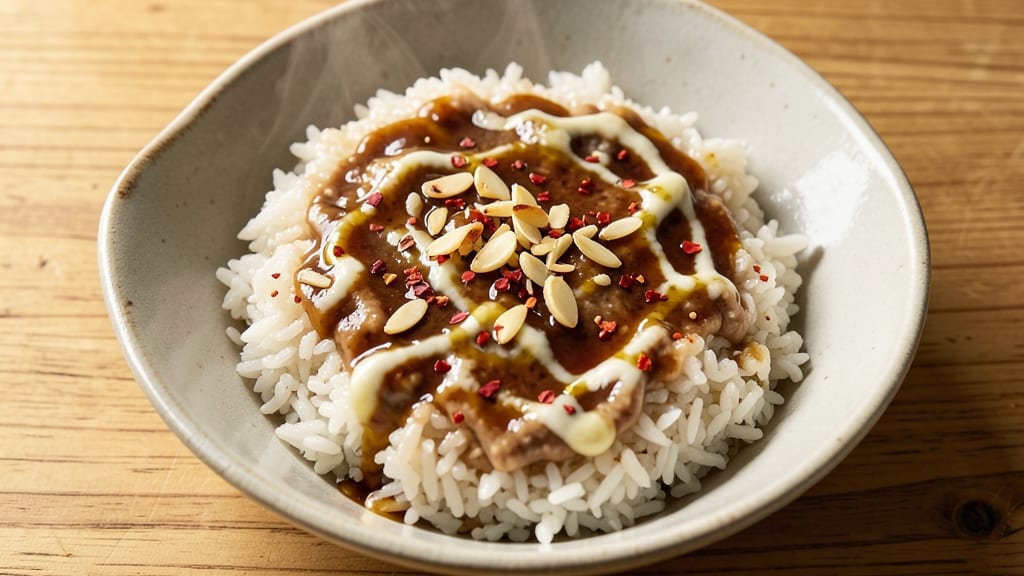
A fermented rice recipe transforms ordinary grains into a tangy, umami-packed base that elevates stir-fries, bowls, and more. This method builds on traditional techniques like nattō fermentation or jeotgal brine infusion, creating a savory depth that rivals store-bought seasonings.
I developed this after years of experimenting with fermented rice in Korean and Japanese cuisine—it’s the secret behind restaurant-quality flavor at home.
The process is simple but precise: rice is fermented with a starter (like nattō paste or soy brine) for 24–48 hours at room temperature, then cooked to perfection—steamed, fried, or simmered into porridge.
The tangy, slightly funky aroma signals success, and the texture becomes irresistibly chewy when cooked. This isn’t just a side dish; it’s a flavor foundation that turns simple meals into something extraordinary.
What you’ll get is a versatile, probiotic-rich rice with layers of garlic, chili, and soy notes that pair beautifully with vegetables, proteins, or even eggs. The fermentation process also makes it naturally shelf-stable (when stored properly), so you can prep ahead and enjoy restaurant-quality results without the fuss.
Perfect for meal prep or impressing guests.
Safety is key—monitor for mold and keep fermentation temperatures consistent. Whether you’re making kimchi rice, savory rice pancakes, or fermented rice porridge, this method delivers professional results with just a few pantry staples. Let’s get started!
Ingredients for fermented rice
Grain fermentation meets umami magic in this tangy, chewy rice base—perfect for stir-fries and bowls.
| Ingredient | Amount | Notes |
|---|---|---|
| Short-Grain White Rice 🍚 | 2 cups | Rinsed thoroughly, uncooked |
| Natto Starter Paste 🥜 | ½ cup | Fermented soybeans paste |
| Soy Sauce 🧂 | ½ cup | Low-sodium preferred |
| Garlic Cloves 🧄 | 6 cloves | Minced, fresh preferred |
| Red Chili Flakes 🌶️ | 1 tbsp | Adjust for heat preference |
| Sesame Oil 🫒 | 1 tbsp | Toasted for depth |
| Ginger Root 🌿 | 1 tbsp | Fresh, grated finely |
| Salt 🧂 | 1 tsp | Fine sea salt only |
| Black Pepper 🌶️ | ½ tsp | Freshly ground preferred |
| Vegetable Broth 💧 | 1 cup | Low-sodium for balance |
| Seaweed Flakes 🌊 | 1 tbsp | Optional for umami boost |
The natto starter is non-negotiable for authentic funk—buy from Asian markets or make your own (it’s just fermented soybeans). If you can’t find it, substitute 2 tbsp miso paste for depth, though the texture won’t be identical. Costco’s bulk natto is a budget-friendly option, but check for freshness: it should smell earthy, not sour or rotten. The short-grain rice is key for that sticky, chewy texture—sushi rice works best, but any glutinous rice will do in a pinch. Rinse it until the water runs clear to avoid excess starch clumping during fermentation.
No natto? Fermented black soybeans or douchi work in a pinch, though the flavor profile shifts slightly. Skip the seaweed? No biggie—it’s just for that savory punch. Want more heat? Add gochujang paste (1 tbsp) during cooking. The garlic and ginger should be minced fresh—pre-minced loses potency fast. For a milder version, halve the chili flakes and add 1 tsp smoked paprika instead. The soy sauce matters: low-sodium tamari is ideal, but regular works if you adjust the broth later.
Ferment at room temp for 24–48 hours—cover loosely to allow airflow but prevent mold. Store in an airtight container in the fridge for up to 1 week. For best texture, cook it fresh, but it reheats beautifully—steam with a splash of water to revive. Freezes for 3 months if portioned properly. I always make double batches to freeze half—I use the leftovers in savory rice pancakes or as a topping for vegan kimchi bowls. Just don’t skip the aroma check before eating—funky smells mean flavor!
Why You'll Love This Recipe
- I’ll be real: this is my secret weapon for when I’m too tired to think of dinner ideas. Throw it into a stir-fry, top your roasted veggies, or even mix it into scrambled eggs. It’s the kind of thing that turns a simple meal into something special without you lifting a finger.
- No-Fuss Fermentation: Honestly, this isn’t one of those recipes that requires you to stand over the stove for hours. Just toss the short-grain white rice with natto starter paste and soy sauce, let it sit for a day while you sleep, and boom—you’ve got a flavor bomb ready to go. The hardest part? Remembering to check it after 12 hours.
- Umami Overload: Between the natto starter paste and seaweed flakes, this rice hits that perfect balance of funky tang and deep savory goodness. The garlic and ginger sizzled in sesame oil? Chef’s kiss. It’s the kind of dish that makes you want to eat it straight from the pan—no shame.
- Weeknight MVP: I’ll be real: this is my secret weapon for when I’m too tired to think of dinner ideas. Throw it into a stir-fry, top your roasted veggies, or even mix it into scrambled eggs. It’s the kind of thing that turns a simple meal into something special without you lifting a finger.
Step-by-step instructions for fermented rice base
This fermented rice transforms simple grains into a complex, umami-packed foundation perfect for bowls and stir-fries.
Prepare and Ferment the Rice Mixture
In a large bowl, combine the 2 cups short-grain white rice with the ½ cup natto starter paste and ½ cup soy sauce. Using clean hands or a silicone spatula, gently mix until the rice is evenly coated and the paste is fully incorporated. The texture should be sticky but not wet—this ensures proper fermentation.
Transfer the mixture to a clean, airtight container with a lid. Press down firmly to remove any air pockets, then seal tightly. Let it ferment at room temperature for 12-18 hours, or until you notice a tangy aroma and slight effervescence. This step develops the signature funky depth that elevates your dishes. If your kitchen is warm, it may ferment faster—check it after 12 hours to avoid over-fermentation, which can make the rice bitter.
Build the Flavor Base
In a small bowl, finely mince the 6 garlic cloves and grate the 1 tbsp ginger root using a microplane or fine grater. Heat 1 tbsp sesame oil in a nonstick skillet over medium heat until shimmering. Add the garlic and ginger, stirring constantly for 30-45 seconds until fragrant but not browned—this prevents bitterness and preserves their bright flavors.
Immediately transfer the cooked aromatics to the fermented rice mixture in the container. Add the 1 tbsp red chili flakes, 1 tsp salt, and ½ tsp black pepper, then mix thoroughly with a spoon. The heat from the chili flakes will integrate seamlessly with the fermented tang. Let the mixture rest for 30 minutes at room temperature while you prepare the next components.
Simmer and Infuse with Broth
Return the rice mixture to the skillet (no need to clean it—the fond adds flavor) and stir over low heat for 5 minutes to evenly distribute the aromatics. Pour in the 1 cup vegetable broth and the 1 tbsp seaweed flakes, then bring to a gentle simmer. The seaweed flakes will dissolve, adding a subtle oceanic umami that deepens the fermented profile.
Cover the skillet and cook for 10-12 minutes on low heat, stirring occasionally, until the rice is tender but still holds its shape. You’re aiming for al dente texture—this ensures it won’t turn mushy when reheated later. If the mixture looks dry, add 1-2 tablespoons of water to maintain moisture. The final product should be sticky, aromatic, and packed with layered flavors.
Rest and Adjust Seasoning
Remove the skillet from heat and let the rice sit covered for 10 minutes. This resting period allows the flavors to meld and the texture to stabilize. Taste the mixture and adjust seasoning if needed—add a splash of soy sauce for saltiness or a pinch of salt for balance. The fermented rice should taste tangy, savory, and slightly spicy, with a lingering umami finish.
Transfer the fermented rice to a serving bowl or airtight container. It will keep in the refrigerator for up to 5 days, making it a versatile base for quick meals. Reheat gently in a skillet or microwave, adding a splash of water if it dries out. This fermented rice is your secret weapon for adding complexity to stir-fries, bowls, and even as a topping for roasted vegetables.
Pro Tips For Making Fermented Rice
- Rinse Rice Twice: I learned this the hard way—skipping extra rinses leaves your rice gummy when fermented. Swirl the short-grain rice in cold water twice, then drain thoroughly. The starch wash keeps the texture firm after soaking and fermentation.
- Use Room-Temp Natto: Cold natto paste slows fermentation and makes the rice taste flat. Take the jar out 30 minutes before mixing—just enough to soften the paste without heating it. Warm hands work if you’re in a hurry.
- Toast Garlic Lightly: Raw garlic cloves turn bitter in fermented rice. Sauté them in a dry pan until fragrant (about 60 seconds), then crush them while warm. The aroma stays bright, and they won’t overpower the natto’s funk.
- Cover Loosely: Fermented rice needs airflow but not a suffocating lid. Use a damp towel or plastic wrap tucked under the rim—this traps enough moisture while letting gases escape. Tight seals breed mold, not flavor.
Wine and beer pairings for fermented rice
Fermented Rice with Japanese Sake
For a traditional pairing, try a dry, crisp Japanese sake like Junmai Ginjo—its delicate floral notes complement the fermented rice’s funky depth without overpowering it. The alcohol’s slight sweetness balances the tangy umami, creating a harmonious bite.
I recommend chilling the sake slightly before serving to enhance its crispness alongside the rice’s warmth. 🍶
Korean Makgeolli Magic
A sweet, effervescent makgeolli is a perfect match for fermented rice, especially when served slightly chilled. The rice’s garlic and chili notes play beautifully against makgeolli’s fruity, slightly tangy profile.
Try a 200ml pour per bowl—it’s light enough to sip alongside every bite without overwhelming the dish. This pairing feels like a Korean street food reunion. 🍶
German Wheat Beer Twist
For a non-alcoholic option, a German wheat beer like Weihenstephaner Hefeweizen brings citrusy brightness that cuts through the rice’s richness. The beer’s banana and clove notes add a fun contrast to the fermented tang.
Serve it at 45°F for maximum refreshment—it’s a surprisingly satisfying pairing I discovered while experimenting with global flavors. 🍺
Spiced Rum & Ginger Syrup
If you prefer cocktails, mix 1 oz aged rum with ½ oz ginger syrup and a splash of tonic water for a spiced fermented rice companion. The rum’s caramel notes and ginger’s zing echo the dish’s chili and ginger flavors.
I like to garnish with a lime wheel to brighten the palate between bites. This drink turns your meal into an Asian-inspired tasting experience. 🍹
Avoid Heavy Red Wines
While tempting, bold red wines like Cabernet Sauvignon can clash with the fermented rice’s funky aroma. Their tannins and dark fruit flavors might make the dish taste overly acidic.
Instead, stick to lighter wines or the pairings above—they let the rice shine without competing. Trust me, your taste buds will thank you. 🍷
Nutrition facts
Frequently asked questions
How do I know if my fermented rice is ready?
The perfect fermented rice should have a tangy aroma and slight effervescence after 12-18 hours at room temperature. Avoid over-fermenting—if it smells sour or bitter, it's past its prime. The texture should be sticky but not wet, with a slight funk that signals depth of flavor.
Can I skip the natto starter and use something else?
If you can't find natto starter paste, substitute 2 tbsp miso paste for depth, though the texture won't be identical. For a stronger fermented flavor, try fermented black soybeans or douchi, but adjust the 12-18 hour fermentation time to 24-36 hours to compensate. The funk will develop more slowly!
What’s the best way to reheat fermented rice without drying it out?
Gently reheat in a skillet over low heat with a splash of water or broth, stirring occasionally. Alternatively, microwave in short bursts with a damp paper towel on top to retain moisture. If it looks dry, add 1-2 tablespoons of water during reheating. The goal is to revive the texture without overcooking.
Why does my fermented rice taste bland after cooking?
Bland fermented rice often means the flavors weren’t fully integrated during the 30-minute rest before cooking. Mix in the garlic, ginger, and chili flakes more thoroughly, and simmer longer on low heat to deepen the umami. Taste and adjust with soy sauce or seaweed flakes—sometimes a little extra salt or pepper makes all the difference!
How can I use this fermented rice in other dishes?
This versatile base works perfectly in stir-fries, bowls, or rice pancakes. Mix it into fried rice for extra depth, use it as a topping for roasted vegetables, or fold it into vegan kimchi bowls. It also makes a fantastic filling for savory dumplings or as a tangy glaze for grilled proteins. The possibilities are endless!