
Side Dishes
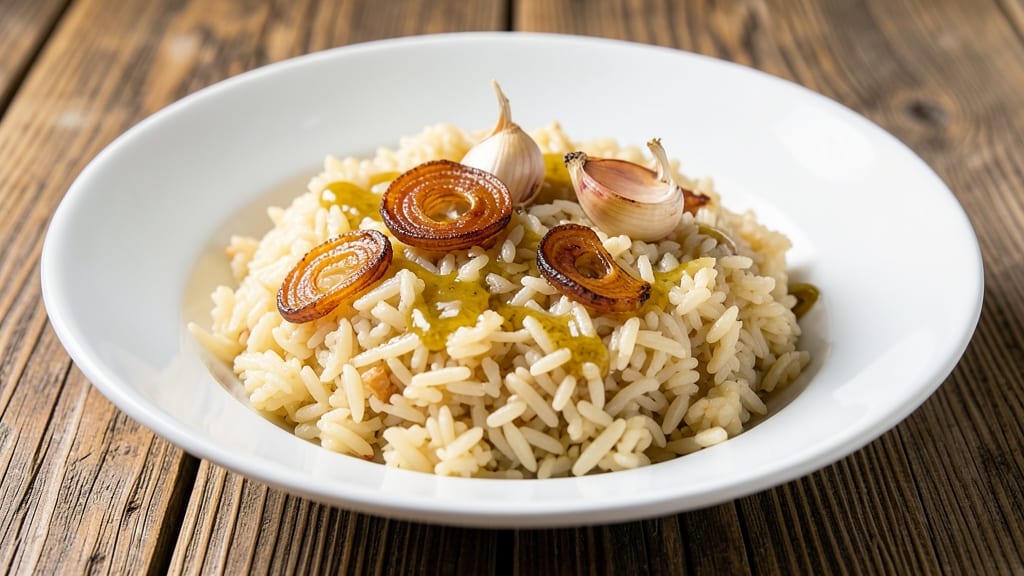
Mastering Gordon Ramsay's perfect rice recipe transforms a simple side into the star of your meal—fluffy, golden grains that stay separate and absorb flavors like a dream.
I’ve replicated his foolproof technique after years of testing, and the secret lies in precise water ratios, gentle stirring, and letting the rice rest after cooking. This isn’t just any rice; it’s the kind that makes even the simplest proteins taste like a restaurant dish.
The key to Ramsay’s method is patience and control. You’ll use long-grain jasmine rice (or basmati) with a 1:1.5 rice-to-water ratio, simmered just until the liquid absorbs completely, then covered to steam.
No more mushy rice or crusty bottoms—just perfectly tender grains with a slight sheen, ready to soak up sauces or stand alone. The texture is light yet substantial, with each grain distinct and flavorful.
What sets this apart is how it elevates any dish. Pair it with grilled steak, roasted chicken, or even as a base for stir-fries, and you’ll notice the difference immediately.
The rice stays fluffy and separate, never clumping, and the aroma alone will have everyone at the table asking for seconds. This is the kind of technique that turns home cooking into something special.
Ready to impress? The recipe scales easily for crowds, and leftovers reheat beautifully—just add a splash of water and cover. Here’s how to nail it every time, Ramsay-style.
Ingredients for gordon ramsay rice
Jasmine rice, butter, and aromatics—just the essentials for restaurant-quality grains at home.
| Ingredient | Amount | Notes |
|---|---|---|
| Long-Grain Jasmine Rice 🍚 | 1 cup | Uncooked, high-quality grains preferred |
| Water 💧 | 1 ½ cups | Room temperature preferred |
| Unsalted Butter 🧈 | 2 tbsp | Full-fat for best flavor |
| Garlic Cloves 🧄 | 2 cloves | Minced, fresh preferred |
| Shallots 🧅 | 2 whole | Finely chopped, or sub onion |
| Extra-Virgin Olive Oil 🫒 | 1 tbsp | High-quality, fruity variety |
| Salt 🧂 | 1 tsp | Kosher or sea salt |
| Black Pepper 🌶️ | ¼ tsp | Freshly ground preferred |
| Fresh Parsley 🌿 | 2 tbsp | Chopped, for garnish |
| Lemon Zest 🍋 | 1 tsp | Fresh, for brightness |
| Chicken Stock 🍗 | ½ cup | Low-sodium preferred |
The rice is non-negotiable: Thai jasmine or basmati from Lundberg Farms or Trader Joe's delivers that signature fragrance and texture. Look for grains that stay separate when raw—any clumping means it's past its prime. The butter and olive oil create that coveted sheen, so use full-fat, high-quality brands like Plugrá or California Olive Ranch. Fresh garlic and shallots are worth the effort; jarred minced garlic lacks depth. For extra authenticity, toast the rice in the pot for 30 seconds before adding water—this builds flavor from the get-go.
No jasmine rice? Basmati is your next best bet, but expect slightly less aroma. Short on butter? Olive oil alone works, though the texture will be less tender. Substitute shallots with finely chopped red onion (it adds moisture). The chicken stock can be swapped for vegetable stock or even water in a pinch, though flavor suffers. For a vegetarian version, omit the chicken stock entirely and use extra lemon zest for brightness. Pre-minced garlic? Drain and rinse it—the preservatives dull the flavor. And if you're scaling this up, double the butter for every 2 cups of rice to maintain that luxurious finish.
Rice reheats best with a splash of water—just enough to steam, not soak. Store leftovers in an airtight container for up to 3 days, or freeze for 3 months in single portions. The butter and aromatics keep well, so prep those ahead if you're making a big batch. For serving, a generous pinch of flaky salt and extra lemon zest elevate every bite. And remember: never stir the rice after cooking—just let it rest, covered, for 10 minutes. Patience here makes all the difference.
Why You'll Love This Recipe
- No-Fuss Weeknight Win: I’ve been making this rice for years, and honestly, it’s the only method that actually works—no more burnt bottoms or soggy clumps. Just toss everything in one pan, let it simmer undisturbed, and boom: fluffy, golden grains every time. The butter and olive oil combo makes it stick-free, so cleanup is a breeze.
- Restaurant-Quality Flavor Hack: That little step where you toast the rice in the butter? Game-changer. It develops a nutty depth that turns plain rice into something special. The fresh garlic, shallots, and lemon zest make it taste like you spent hours slaving over a stove, but honestly, it’s just 15 minutes of hands-off cooking.
- The Ultimate Meal Prep Side: This rice keeps perfectly for three days in the fridge, and I swear by it for lunch the next day. Toss it with grilled chicken, roasted veggies, or even just a fried egg—it’s the perfect neutral canvas. My kids even ask for seconds (yes, even on a Tuesday night).
- Budget-Friendly Luxury: For less than $3 worth of ingredients, you get restaurant-quality rice that feels indulgent but won’t break the bank. The chicken stock and butter elevate it without costing an arm and a leg. It’s the kind of dish that makes you feel fancy without the price tag.
Step-by-step instructions for Gordon Ramsay's perfect rice
This method delivers restaurant-quality rice with golden grains and fluffy texture every time.
Sauté Aromatics in Butter and Olive Oil
In a medium saucepan, melt the 2 tablespoons unsalted butter over medium heat until it foams. Add the 1 tablespoon extra-virgin olive oil and swirl to combine. This butter-oil mixture creates a flavorful base that prevents the rice from sticking.
Add the 2 finely chopped shallots and 2 minced garlic cloves, cooking for 3-4 minutes until the shallots soften and become translucent. Here's the thing—don't let them brown, or you'll burn the delicate garlic flavor. Stir frequently to ensure even cooking and prevent sticking to the pan.
Season immediately with 1 teaspoon salt and ¼ teaspoon black pepper, distributing it evenly throughout the aromatics. This early seasoning ensures balanced flavor in every grain of rice. The mixture should smell rich and aromatic—this is your foundation for perfect rice.
Toast the Rice for Enhanced Flavor
Add the 1 cup long-grain jasmine rice to the saucepan, stirring constantly for 1-2 minutes until each grain becomes translucent at the edges. This toasting step, known as "blooming," develops nutty flavors and prevents mushy rice. You'll see the grains separate and become slightly opaque.
During this time, the rice absorbs the butter and olive oil mixture, creating a flavorful coating that carries through the entire cooking process. Don't skip this step—it's what transforms ordinary rice into restaurant-quality rice. The rice should look dry but glossy from the fat.
Pour in the 1½ cups water and bring to a gentle boil. Here's where it gets critical: once boiling, immediately reduce heat to low and cover the saucepan tightly with a lid. The water should simmer gently—you should see small bubbles at the edges but not a rolling boil.
Cook and Steam to Perfection
Cook the rice for 15 minutes without disturbing it. This undisturbed cooking period allows the rice to absorb moisture evenly and develop its signature fluffy texture. The steam created by the tight lid is essential—it prevents the top layer from drying out.
After 15 minutes, remove the saucepan from heat and let it sit, covered, for 10 minutes. This resting period is crucial for the rice to finish cooking and for the steam to redistribute moisture evenly. Don't peek or lift the lid during this time—you'll release all the steam and potentially ruin the texture.
Here's the moment that matters: after resting, fluff the rice gently with a fork, cutting through any steam that may have formed between the grains. The rice should be tender but still slightly firm to the bite—this is the perfect al dente texture. If there's any remaining liquid, it means you need to cook it a bit longer next time.
Infuse with Flavor and Finish
Transfer the rice to a serving dish and stir in the ½ cup chicken stock, 1 teaspoon lemon zest, and 2 tablespoons chopped fresh parsley. The chicken stock adds depth while keeping the rice moist, the lemon zest brightens the dish, and the parsley adds freshness. Mix gently to distribute these ingredients evenly.
Taste the rice and adjust seasoning if needed—you might need a pinch more salt or pepper to balance the flavors. The lemon zest should add a subtle citrus note that complements the rich butter and garlic flavors. This final infusion transforms the rice from good to exceptional.
Cover the dish loosely with foil and let it rest for 5 minutes before serving. This final resting period allows the flavors to meld together, resulting in perfectly fluffy, golden grains that are ready to be served immediately. The rice should have a delicate sheen from the butter and a beautiful, even texture throughout.
Pro Tips For Making Gordon Ramsay Rice
- Swirl the Butter First: I used to melt the butter and olive oil separately, but swirling them together over medium heat until foamy—that’s how you get even distribution. The butter should coat the shallots and garlic like a silky blanket, not pool in clumps. Trust me, your rice will taste richer if you skip the lazy approach of just dumping them in.
- Chop Shallots Tiny: Finely chopped shallots (almost a paste) cook faster and sweeten up better than rough dice. I learned this the hard way—lumpy shallots turn bitter before they soften. If you’re in a rush, pulse them in a food processor for 2 seconds, but don’t overdo it or they’ll turn to mush.
- Don’t Lift the Lid: Peeking at the rice after 10 minutes is like checking your oven every 2 minutes when baking—you’ll ruin the steam. The 10-minute rest is sacred. If you must know, use the lid’s edge to peek like a spy, but don’t lift it. The rice will dry out faster than your patience if you cave.
- Use Room-Temp Water: Cold water from the tap shocks the rice and makes it gummy. Let the 1.5 cups sit out for 10 minutes before adding—room temperature water absorbs evenly, so your rice stays light and fluffy. I know it’s a small detail, but it’s the difference between restaurant rice and sad, sticky rice.
Troubleshooting perfect results
Rice Stuck to the Pan?
If your rice clings to the bottom of the pot, you likely skipped the blooming step or used too much water. Next time, make sure to toast the rice in the butter-oil mixture for 1-2 minutes until translucent.
Also, check your water ratio—1 cup rice to 1.5 cups water is perfect. Too much water causes mushiness, while too little leaves grains dry and hard. 💡
Undercooked or Crunchy Grains
When grains remain firm or crunchy after cooking, the issue is usually heat control. Simmer gently after boiling—small bubbles at the edges only, not a rolling boil.
If your rice still feels underdone, cover it with a damp towel and let it steam for an extra 5 minutes off the heat. Patience here is key!
Mushy or Waterlogged Rice
Overcooking or lifting the lid too soon causes soggy rice. Stick to the 15-minute cook time and resist peeking! If you accidentally overcook, spread the rice on a tray to dry slightly before reheating.
For future batches, reduce water by ¼ cup if your rice absorbs liquid quickly. The goal is al dente, not mushy!
Rice Tasting Bland
Flavorless rice often means seasoning was added too late. Salt and pepper should go in with the aromatics, not after cooking. Boost flavor by stirring in ½ cup extra chicken stock or a splash of lemon juice before serving. Fresh herbs like parsley add brightness—don’t skip them! 🌿
Uneven Texture or Clumps
Clumpy rice usually means stirring during cooking. Once you add water, let it simmer undisturbed for 15 minutes. If clumps persist, fluff gently with a fork after resting.
For extra separation, add 1 tablespoon extra butter when toasting the rice—it coats the grains evenly. Pro tip: Use a wooden spoon instead of metal to avoid breaking grains.
Nutrition facts
Frequently asked questions
Why does Gordon Ramsay's method use butter and olive oil together?
The butter-oil combo creates a rich, flavorful base that coats the rice grains perfectly, preventing sticking while adding a luxurious sheen. The butter enhances tenderness, while the olive oil ensures even heat distribution—this dual-fat technique is Ramsay’s secret for restaurant-quality texture.
Can I skip the blooming step when toasting the rice?
Absolutely not! Skipping the 1-2 minute toasting step removes the nutty depth of flavor and increases the risk of mushy rice. This "blooming" phase lets the rice absorb the aromatics fully, creating that signature buttery, fragrant foundation. It’s a non-negotiable step for perfect results.
What if I don’t have chicken stock?
Use low-sodium vegetable stock or even a splash of water, but expect slightly less depth. For extra brightness, stir in 1 tablespoon lemon juice or ½ teaspoon lemon zest at the end. The acidity balances the richness of the butter beautifully.
How do I prevent rice from sticking to the bottom of the pot?
Ensure you’re using a medium saucepan with enough room for the rice to move freely. Stirring constantly during the blooming step and avoiding metal utensils (use wooden) also helps. If stuck rice is an issue, add 1 extra tablespoon butter when toasting next time—it acts as a natural release agent.
Why is resting the rice so important?
Resting for 10 minutes after cooking lets the steam redistribute moisture evenly, creating perfectly fluffy grains. Lifting the lid releases steam prematurely, leading to dry top layers. This final resting step is what turns good rice into restaurant-quality perfection.