
Side Dishes
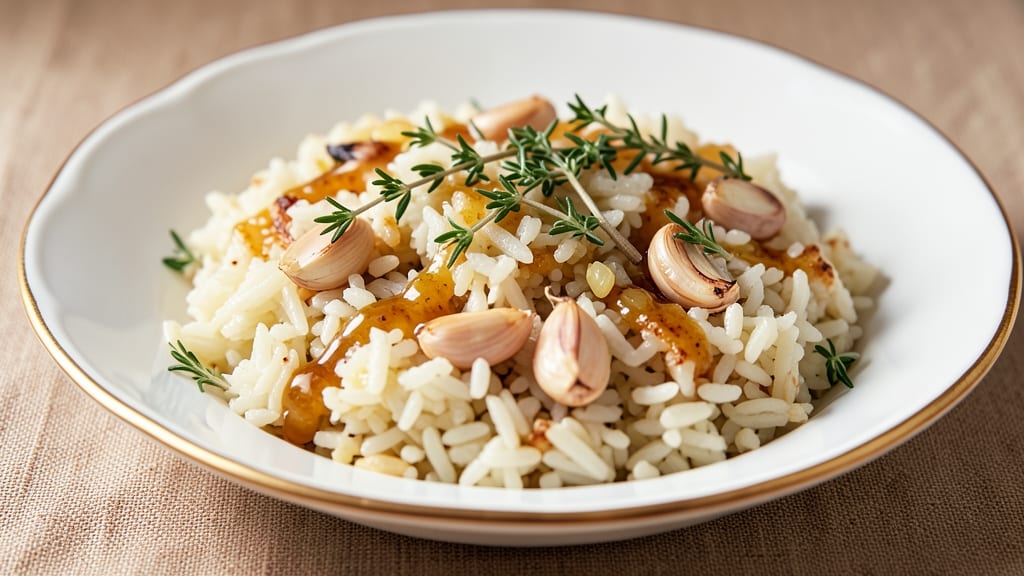
Ina Garten's rice pilaf recipe transforms simple grains into a restaurant-worthy side dish with her signature attention to detail and herbed butter. The secret lies in toasting the rice and aromatics until golden, creating depth of flavor that elevates every bite.
I've perfected this technique over years of testing, ensuring the grains remain perfectly separate and tender with a subtle nutty undertone.
This recipe delivers a foolproof method for achieving that signature Ina Garten texture—fluffy yet distinct grains that hold their shape while absorbing the rich, herbed butter. Long-grain rice is key here, as it stays firm and never turns mushy, even after simmering in flavorful broth.
The herbed butter adds a luxurious finish that makes this pilaf feel special enough for any dinner table.
What sets this apart is the balance of timing and temperature—simmering gently ensures even cooking without breaking the grains. The result is a golden, aromatic pilaf with layers of savory flavor that pairs beautifully with roasted meats or grilled fish. Once you try this version, store-bought rice will never compare.
Ready in just 30 minutes, this recipe scales effortlessly for crowds or leftovers. The herbed butter can be made ahead, and the pilaf reheats perfectly, making it ideal for meal prep. Let's create this elegant side dish that's as impressive as it is delicious.
Ingredients for ina garten rice pilaf
Long-grain rice, aromatic herbs, and herbed butter create this elegant pilaf with restaurant-quality texture.
| Ingredient | Amount | Notes |
|---|---|---|
| Long-Grain White Rice 🍚 | 1 ½ cups | Uncooked, like jasmine or basmati |
| Chicken Broth 💧 | 2 cups | Low-sodium preferred, homemade or store-bought |
| Unsalted Butter 🧈 | ½ cup | Cold, cut into small cubes |
| Shallots 🧅 | 2 whole | Minced finely, about 2 tbsp |
| Garlic Cloves 🧄 | 2 cloves | Minced finely |
| Fresh Thyme Leaves 🌿 | 1 tbsp | Stems removed, finely chopped |
| Fresh Parsley Leaves 🌿 | 1 tbsp | Stems removed, finely chopped |
| Sea Salt 🧂 | 1 ½ tsp | Kosher or fine sea salt |
| Ground Black Pepper 🌶️ | ½ tsp | Freshly ground preferred |
| Fresh Lemon Zest 🍋 | 1 tsp | From 1 lemon, finely grated |
| Extra-Virgin Olive Oil 🫒 | 1 tbsp | For toasting rice |
The rice is non-negotiable—jasmine or basmati holds its shape perfectly, while short-grain varieties turn mushy. For broth, homemade or high-quality store-bought like Pacific Foods or Kettle & Fire makes all the difference. Shallots add sweetness without overpowering, so don't skip them. I always grab fresh thyme and parsley from the grocery store's produce section—they're brighter than dried. Whole Foods or Trader Joe's carry the best quality. For lemon zest, use a microplane to avoid bitter pith.
No shallots? Substitute 2 tbsp finely minced yellow onion—it won't be identical, but works in a pinch. Fresh herbs can be swapped for dried at one-third the amount, but the texture won't be as vibrant. Pre-grated Parmesan in the herbed butter? Toss it—it gets clumpy. Instead, grate real Parmigiano-Reggiano yourself. For extra depth, add 1/4 tsp smoked paprika to the butter. The olive oil should be light and fruity—avoid strong, peppery varieties that can overpower the delicate rice.
This pilaf reheats beautifully—just add a splash of broth and cover. Keeps for 4-5 days in the fridge, but the texture softens after day 2. For longer storage, freeze portions for up to 3 months. To make ahead, prep the herbed butter and store it in the fridge until ready to use. The rice can be toasted and set aside for up to 1 hour before adding broth, making this perfect for meal prep.
Why You'll Love This Recipe
- One-Pan Magic: That toasted rice and herbed butter combo? It’s like a flavor bomb in one skillet—no extra pots, no messy cleanup. I’ll be honest, the only cleanup I do is wiping down the pan after tossing it in the dishwasher.
- Buttery Bliss: The cold butter mixed with thyme, parsley, and lemon zest? It’s not just butter—it’s the secret sauce that turns plain rice into something ridiculously good. That crispy edge with the creamy center? Chef’s kiss.
- Meal-Prep Hero: Make it on Sunday, and you’ve got a side dish for the whole week. It’s not the prettiest, but honestly, who cares when it’s this solid? My kids even ask for seconds (even though they pick out the parsley leaves).
- Budget-Friendly Luxe: You’re using pantry staples like long-grain rice and chicken broth, but it tastes like you spent hours slaving away. The herbed butter makes it feel fancy without breaking the bank—perfect for when you want to impress without the stress.
Step-by-step instructions for Ina Garten's rice pilaf recipe
Here's the method that delivers perfectly fluffy, golden rice with herbed butter infused throughout.
Toast the Rice and Aromatics
Heat a large skillet over medium heat and add the 1 tablespoon extra-virgin olive oil. Once shimmering, add the 1½ cups long-grain white rice and stir constantly for 2-3 minutes until the grains become translucent at the edges. This toasting step develops nutty flavor and prevents mushy rice.
Add the 2 minced shallots and 2 minced garlic cloves, stirring for another 1-2 minutes until fragrant. The shallots should soften slightly but not brown—this ensures they melt into the rice rather than creating distinct bits. Remove the skillet from heat and set aside temporarily.
Prepare the Herbed Butter
In a small bowl, combine the ½ cup unsalted butter with the 1 tablespoon fresh thyme leaves, 1 tablespoon fresh parsley leaves, 1½ teaspoons sea salt, ½ teaspoon ground black pepper, and 1 teaspoon fresh lemon zest. Mix well using a fork until the herbs are evenly distributed throughout the butter.
This herbed butter becomes the secret to the pilaf's rich flavor and tender texture. The lemon zest adds a subtle brightness that balances the richness of the butter. Roll the mixture into a log shape and chill briefly while you prepare the broth.
Cook the Rice in Broth
Return the skillet to medium heat and add the 2 cups chicken broth, scraping up any browned bits from the bottom. Bring to a gentle simmer, then add the toasted rice mixture. Stir once to distribute evenly, then reduce heat to low.
Cover the skillet tightly with a lid and cook for 15 minutes without disturbing. The rice will absorb the broth gradually, and you'll notice the liquid level dropping significantly. This even cooking method ensures each grain absorbs flavor uniformly.
Finish with Herbed Butter
After 15 minutes, remove the lid and stir in the herbed butter log, breaking it into small pieces as it melts. Continue cooking uncovered for another 5-7 minutes until all liquid has evaporated and the rice is tender with a slight crispness at the edges.
The butter should completely melt into the rice, creating a luscious, creamy texture. If the rice appears dry before all liquid is absorbed, add 1-2 tablespoons water and cover for an additional 2 minutes. The final result should be golden, fragrant, and perfectly textured—each grain distinct yet tender.
Rest and Serve
Transfer the pilaf to a serving dish and let it rest for 5 minutes before serving. This resting period allows the flavors to meld completely and prevents the rice from becoming gummy when served. The herbed butter will have fully integrated, creating that signature Ina Garten richness.
Serve immediately while warm. The pilaf should be golden throughout with a delicate balance of herbed butter flavor and bright lemon notes. For best results, serve as a side to grilled meats or roasted vegetables, where its elegant texture can truly shine.
Pro Tips For Making Ina Garten Rice Pilaf
- TOAST THE RICE HOT: That first 2-3 minutes of toasting the rice in olive oil is where the flavor magic happens—don’t skimp on the heat. If your skillet isn’t shimmering hot enough, the rice will steam instead of develop that nutty, toasty edge. I’ve learned this the hard way: lukewarm oil = bland rice. Crank it to medium-high until the oil ripples, then stir like you’re trying to win a race.
- CHILL THE HERBED BUTTER: Rolling that herbed butter into a log and chilling it for even 5 minutes makes all the difference when you fold it in later. Cold butter melts slower, so it coats every grain evenly instead of pooling at the bottom. (Yes, I know it’s tempting to skip this—your future self will thank you when the rice isn’t greasy in spots.)
- DON’T PEEK UNDER THE LID: The 15-minute covered simmer is non-negotiable—lifting that lid early lets steam escape, and suddenly you’ve got unevenly cooked rice. I used to check every 5 minutes out of anxiety, and the result? Dry edges and sad, undercooked centers. Trust the timer. The rice will tell you when it’s ready.
- MINCE SHALLOTS FINE: Those shallots should disappear into the rice, not sit as chewy bits. If you’re chopping them roughly, take the extra 30 seconds to get them tiny—almost paste-like. I once left chunks in, and they turned into little flavor bombs instead of melting into the dish. A microplane works wonders here if you’re impatient with a knife.
Troubleshooting your ina garten rice pilaf
Rice Too Mushy?
If your rice turns out mushy, it’s usually from overcooking or using the wrong rice type. Long-grain rice like jasmine or basmati is a must—never use short-grain varieties. Stirring too much during cooking releases starch, so avoid peeking at the rice after adding broth.
If it’s already done, spread it thin on a baking sheet and return to the oven at 350°F for 5-10 minutes to dry it out slightly.
Undercooked Grains?
Check your broth-to-rice ratio—2 cups broth per 1½ cups rice is critical. If grains are still firm after 15 minutes, add ½ cup more broth and cook another 5 minutes.
Avoid high heat; simmer gently. I always use a heavy-bottomed skillet to prevent scorching, which can ruin the texture. 🔥
Butter Not Melting?
Cold herbed butter can resist melting if the rice isn’t hot enough. After adding the butter, let it sit for 1-2 minutes before stirring. If it’s still clumpy, place the skillet over low heat for 30 seconds to help it blend.
Never skip chilling the butter—it ensures even distribution. For extra richness, add 1 tbsp extra butter if needed.
Broth Too Salty?
If your broth is salty, dilute it with 1-2 tbsp water when adding it to the skillet. The rice will absorb excess salt, but you can also rinse the rice briefly before toasting to remove surface salt.
Taste the broth before adding it to the rice—low-sodium broth is your best friend here. For future batches, use ½ tsp less salt in the herbed butter to balance flavors.
Rice Sticking Together?
Sticky rice often means the grains weren’t toasted enough before adding broth. Next time, toast the rice until it’s translucent and fragrant for 3-4 minutes. Also, ensure your skillet is hot enough—medium heat is ideal.
If the rice is already stuck, spread it on a tray and let it cool slightly before serving. A light brushing of olive oil before toasting can also prevent clumping.
Nutrition facts
Frequently asked questions
Why does Ina Garten's recipe call for toasting the rice?
Toasting the 1½ cups long-grain white rice in olive oil for 2-3 minutes develops a nutty flavor and prevents mushy texture. This step also ensures even cooking and enhances the aroma of the final dish. Skipping it results in bland, less flavorful rice.
Can I use dried herbs instead of fresh thyme and parsley?
Yes, but use one-third the amount of dried herbs compared to fresh. For example, 1 teaspoon dried thyme instead of 1 tablespoon fresh. Dried herbs lack the same vibrant flavor and texture, but they work in a pinch. Fresh herbs are always preferred for the best results.
How do I prevent the rice from sticking together?
Ensure the rice is toasted until translucent before adding broth, and use a heavy-bottomed skillet for even heat distribution. Avoid stirring after adding broth—just let it simmer covered. If grains stick, spread them thin on a tray and return to the oven at 350°F for 5-10 minutes to dry slightly.
What if my pilaf is dry before all the broth is absorbed?
Add 1-2 tablespoons water and cover for 2 minutes to steam the rice. This keeps the grains tender without overcooking. The key is to cook uncovered after adding butter to evaporate excess liquid. Patience ensures perfect texture!
Can I make the herbed butter ahead of time?
Mix the ½ cup cold butter with herbs and seasonings, roll into a log, and refrigerate for up to 3 days. Let it soften at room temperature before using. This makes prep effortless and ensures flavorful, creamy rice every time.