
Side Dishes
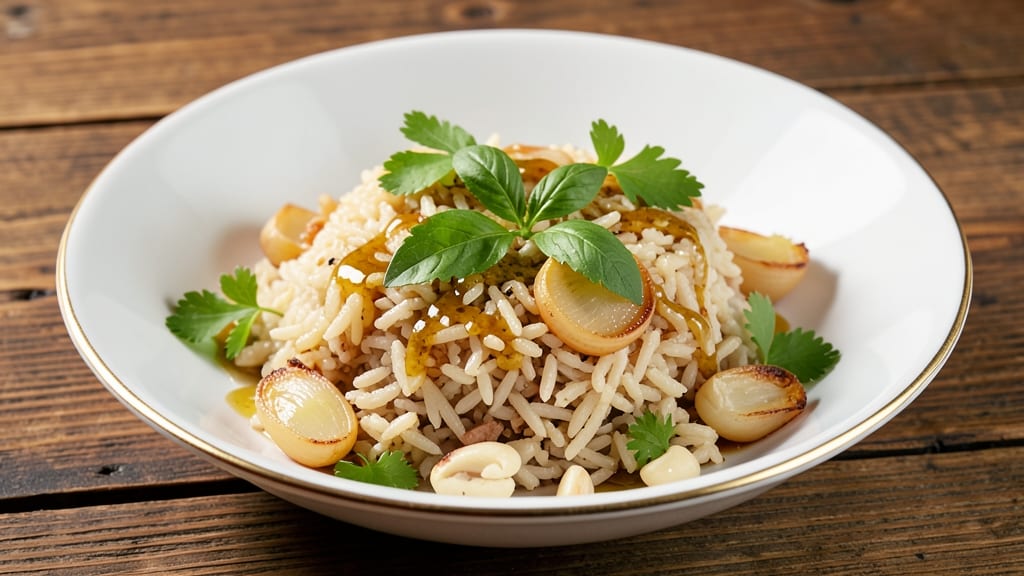
Mastering Jamie Oliver's rice recipe transforms a simple side into a flavorful centerpiece that elevates any meal. The secret lies in balancing water-to-rice ratios and using high-quality ingredients to create perfectly fluffy, aromatic grains every time. This one-pan method eliminates the guesswork while delivering restaurant-quality results with minimal effort.
What sets this recipe apart is Jamie's signature technique of infusing the rice with fresh herbs and aromatics while it cooks, creating layers of flavor without overpowering the natural taste of the grain.
The key to success is using the right type of rice—jasmine or basmati work beautifully—and maintaining consistent heat throughout the cooking process. This method ensures even cooking and eliminates the risk of mushy or undercooked rice.
By the end, you'll have perfectly cooked rice with a delicate texture and subtle herby aroma that pairs beautifully with proteins like chicken, fish, or vegetables. The simplicity of the technique makes it accessible for beginners, while the professional results will impress even seasoned cooks.
This recipe is the foundation for countless meals, from weeknight dinners to special occasions.
The beauty of this method is its versatility—adjust the herbs and spices to complement your main dish, or use it as a base for stir-fries and grain bowls. Once you master this technique, you'll never settle for store-bought rice again. Let's get started on creating your perfect rice every time.
Ingredients for jamie oliver's rice
High-quality rice, fresh herbs, and aromatic bases create Jamie Oliver's signature fluffy, herb-infused rice every time.
| Ingredient | Amount | Notes |
|---|---|---|
| Long-Grain Jasmine Rice 🌾 | 1 ½ cups | Uncooked, rinsed thoroughly |
| Fresh Basil Leaves 🌿 | ⅓ cup | Chopped finely, stems removed |
| Fresh Parsley Leaves 🌿 | ¼ cup | Chopped finely, stems removed |
| Fresh Cilantro Leaves 🌿 | ¼ cup | Chopped finely, stems removed |
| Garlic Cloves 🧄 | 4 cloves | Minced finely, fresh preferred |
| Shallots 🧅 | 2 whole | Minced finely, substitute onions |
| Extra-Virgin Olive Oil 🫒 | ½ cup | High-quality, fruity variety |
| Vegetable Stock 💧 | 2 ½ cups | Homemade or low-sodium |
| Lemon Zest 🍋 | 1 tbsp | From 1 organic lemon |
| Lemon Juice 🍋 | 1 tbsp | Freshly squeezed |
| Diamond Crystal Kosher Salt 🧂 | 1 ½ tsp | Fine grain preferred |
| Ground Black Pepper 🌶️ | ½ tsp | Freshly ground preferred |
| Bay Leaves 🍃 | 2 whole | Dried, removed after cooking |
The rice selection is non-negotiable for this technique. Jasmine rice from Thai Market or Whole Foods delivers the ideal balance of texture and aroma. Rinse it thoroughly before cooking to remove excess starch—this prevents gummy results. For aromatics, fresh herbs from a trusted grower (like Trader Joe's or local farmers' markets) ensure vibrant flavor. The shallots should be sweet and firm—avoid any with sprouting or soft spots. Garlic cloves should be plump and firm, with no green shoots. The extra-virgin olive oil should be fruity and peppery, not bitter or rancid—look for cold-pressed varieties with harvest dates clearly marked.
No fresh herbs? Dried basil and parsley at half the amount work in a pinch, though texture and aroma won't match. Substituting onions for shallots is fine, but yellow onions add more sweetness while red onions bring a sharper bite. Vegetable stock can be swapped for chicken stock for richer flavor or water for neutral taste, though the herbs will carry more weight. For the lemon, Meyer lemons have a sweeter zest if available—otherwise, regular lemons work perfectly. If you're using pre-minced garlic, drain and pat dry thoroughly to avoid excess moisture in the rice. The bay leaves should be whole and fragrant—discard any that smell musty or bitter.
This rice reheats beautifully—simply cover with a damp paper towel and warm in the microwave for 1-2 minutes. For best results, store in an airtight container in the refrigerator for up to 4 days, or freeze for 3 months in portion-sized containers. To maintain texture, let the rice cool completely before refrigerating. When reheating from frozen, add 1 tablespoon water per cup of rice and cook covered on low heat. The herb-infused rice pairs exceptionally well with grilled proteins, roasted vegetables, or as a base for grain bowls—double the recipe for meal prep and store individual portions for quick assembly.
Why You'll Love This Recipe
- One-Pan Magic: That herb-infused oil? It’s the secret sauce here. I toss the shallots and garlic in olive oil first, then blanket the rice in it—no extra pans, no fuss. The jasmine rice absorbs every last bit of that fragrant oil, so you’re left with just one dish to clean. I swear, my kitchen counter stays pristine while the rice does all the work.
- Bright, Herby Perfection: The combo of basil, parsley, and cilantro with garlic and lemon? It’s like a sunshine explosion in every bite. I’ll be real: the first time I tasted it, I forgot it was just rice. The lemon zest at the end? Game-changer. It cuts through the richness of the olive oil and leaves you craving seconds. Trust me, this isn’t your boring white rice.
- Meal Prep Hero: I make a double batch on Sundays and it’s my go-to for lunches all week. Toss it with grilled chicken and avocado for a weeknight dinner, or mix it into fried eggs for breakfast. Even my picky teenager devours it—especially when I sneak in extra cilantro. It keeps for four days in the fridge, so no sad, soggy rice leftovers here.
- Budget-Friendly Luxe: Jasmine rice isn’t cheap, but this recipe stretches it into something restaurant-worthy without breaking the bank. The fresh herbs might seem pricey, but a small bunch lasts me forever, and I use the stems for broth or compost. Plus, the olive oil and lemon make it feel like a splurge, even though it’s just a few dollars’ worth of pantry staples. Flavor like this? Worth every penny.
Step-by-step instructions for Jamie Oliver's rice recipe
Here's the method for restaurant-quality herb-infused rice using just one pan.
Prepare the Herb Oil Infusion
Heat the ½ cup extra-virgin olive oil in a large, heavy-bottomed skillet over medium-low heat. Add the 2 minced shallots and cook for 3-4 minutes until they become translucent and just begin to soften.
Increase heat to medium and add the 4 minced garlic cloves, stirring constantly for 30 seconds until fragrant. Immediately add the ⅓ cup finely chopped fresh basil leaves, ¼ cup finely chopped fresh parsley leaves, and ¼ cup finely chopped fresh cilantro leaves. Cook for another 1-2 minutes until the herbs release their aromatic oils and the mixture becomes vibrant green. Remove from heat and set aside—this herb oil will infuse every grain of rice with flavor.
Toast the Rice and Build the Flavor Base
Return the skillet to medium heat and add the 1½ cups uncooked long-grain jasmine rice, stirring to coat each grain in the herb oil. Toast for 2-3 minutes until the rice becomes slightly translucent at the edges and you can smell its nutty aroma—this step develops the rice's natural starches for a perfect texture.
Add the 2 bay leaves, 1½ teaspoons diamond crystal kosher salt, and ½ teaspoon ground black pepper, stirring to distribute evenly. Pour in the 2½ cups vegetable stock and bring to a gentle simmer. The liquid should just come to the surface of the rice—if it doesn't, add 1-2 tablespoons water to ensure proper hydration. Immediately reduce heat to low and cover tightly with a lid.
Simmer and Infuse the Rice
Let the rice cook undisturbed for 15 minutes. This initial phase allows the rice to absorb the initial liquid and begin gelatinization. After 15 minutes, uncover the skillet and stir gently—you'll see the rice has released some starch and formed a light crust on top. This is normal and indicates proper cooking progression.
Return the lid and continue cooking for another 10-12 minutes until the liquid has been completely absorbed and the rice is tender. The rice should be al dente with a slight bite—if it's still slightly underdone, cover and cook for an additional 2-3 minutes. The key is to remove it just before it's fully done, as it will continue cooking with residual heat.
Finish with Bright Citrus and Rest
Remove the skillet from heat and stir in the 1 tablespoon lemon zest and 1 tablespoon freshly squeezed lemon juice. The citrus will brighten the herb flavors and cut through the richness of the olive oil. Discard the 2 bay leaves before serving.
Transfer the rice to a serving dish and let it rest for 5 minutes before serving. This resting period allows the steam to redistribute and the flavors to meld completely. The finished rice should be fragrant with herbaceous notes, bright citrus undertones, and perfectly tender grains with a slight bite in the center.
Pro Tips For Making Jamie Oliver'S Rice
- STOP TOASTING TOO LONG: That nutty aroma from the rice is your cue—once it smells toasted but not browned, move on. I learned this the hard way when my rice turned out dry and chewy instead of fragrant and tender.
- CHOP HERBS UNIFORMLY: Tiny, even pieces of basil, parsley, and cilantro release flavor faster and don’t burn before the rice is ready. Use a sharp knife and cut against the grain for consistency.
- DON’T PEAK AT THE RICE: Every time you lift the lid during the 15-minute simmer, you’re letting heat escape and disrupting the rice’s natural cooking process. Trust the method—just wait.
- USE COLD STOCK: Cold vegetable stock prevents the rice from overcooking immediately. Pour it straight from the fridge, then bring to a simmer—your rice will absorb it evenly without turning mushy.
Make-ahead tips for jamie oliver's rice
Prep Ahead for Flavor
I always prep the herb oil infusion the night before to save time—just chop the 2 shallots, 4 garlic cloves, and 1 cup fresh herbs (basil, parsley, cilantro) and store them in separate airtight containers in the fridge.
This way, you're ready to start cooking in 5 minutes the next day. The herbs stay vibrant longer when stored separately from the oil. 🌿
Double the Recipe
If you're planning meals for the week, double the 1½ cups jasmine rice and 2½ cups vegetable stock—it freezes beautifully in portion-sized containers. I use quart-sized freezer bags with a little extra space for expansion. Thaw overnight in the fridge for best results. This makes meal prep effortless.
Herb Prep Shortcut
For a quick shortcut, freeze chopped herbs in ice cube trays with a little olive oil—this preserves their flavor for up to 3 months. When you're ready to cook, pop out the cubes and add them directly to the oil. It's a game-changer for busy weeknights. 💫
Citrus Prep
Zest and juice 2 lemons ahead of time and store them separately in the fridge. The zest keeps for 2 weeks in an airtight container, while the juice lasts 5 days. This way, you're ready to brighten up your rice at the last minute without any extra prep. 🍋
Rice Storage Hack
After cooking, let the rice cool completely before transferring it to an airtight container. This prevents condensation and keeps the grains separate. For extra freshness, store in the fridge for up to 4 days, or freeze for 3 months—just add a splash of water when reheating. 🔥
Nutrition facts
Frequently asked questions
Why does Jamie Oliver's recipe use jasmine rice instead of other varieties?
Jasmine rice is ideal because it absorbs flavors beautifully while maintaining a light, fragrant texture. Its natural stickiness creates a slightly clingy but never mushy consistency—perfect for soaking up the herb-infused oil and citrus notes. Unlike basmati, it holds its shape well while releasing just enough starch for that signature Jamie Oliver creaminess.
What if my rice isn't cooked evenly after the first 15 minutes?
Uncover and stir gently after 15 minutes to redistribute heat and liquid—this helps prevent dry spots. If the bottom layer looks undercooked, add 1-2 tablespoons water and return to low heat. The key is patience: rice finishes cooking with residual steam, so don't lift the lid too often during the final 10-12 minutes.
Can I substitute dried herbs for the fresh ones in this recipe?
You can, but use half the amount of dried herbs (e.g., ¼ cup dried mixed herbs instead of ¾ cup fresh). Dried herbs lack the vibrant aroma and moisture fresh herbs provide, so the flavor won't be as bright. For best results, always opt for fresh when possible—it makes the difference between "good" and "exceptional."
How do I prevent the rice from sticking to the pan during toasting?
Ensure your skillet is properly heated before adding the rice, and avoid overcrowding. Stirring gently every 30 seconds during the 2-3 minute toast keeps grains moving and prevents sticking. If needed, add a splash of olive oil to lightly grease the pan before toasting—this creates a non-stick barrier for perfect release.
Why is resting the rice important before serving?
Resting allows the rice to redistribute steam evenly, preventing dry edges and clumped grains. The 5-minute rest also lets flavors meld completely—this is when the herb oil and citrus truly infuse the grains. Skipping this step results in uneven texture and less vibrant taste.